

1 min walk
Eretz Israel Museum
- Must see
- Museum
Language · 11 published
Historic monument · Tel Aviv
תל קסילה
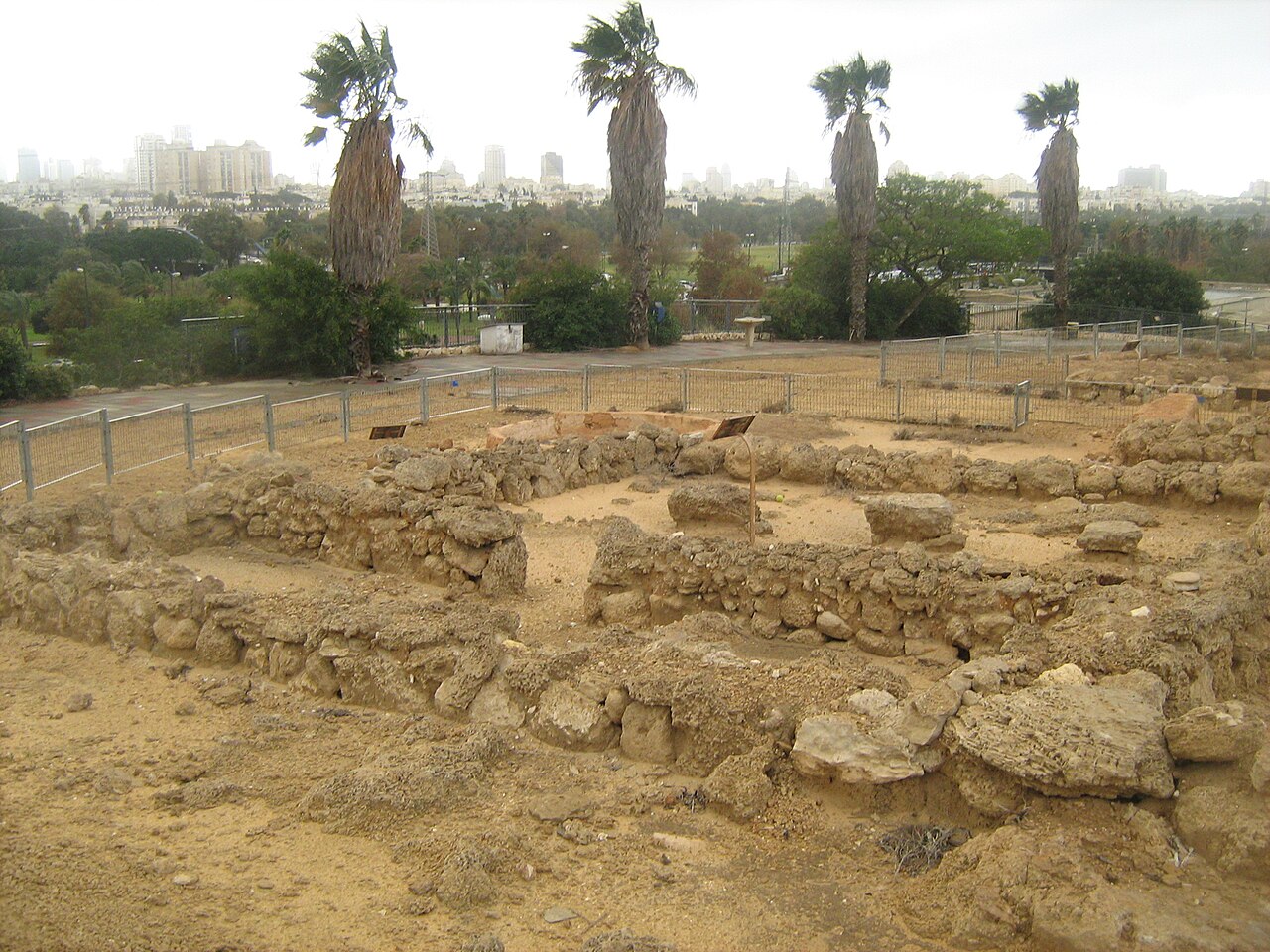
Tell Qasile is an archaeological site in Tel Aviv, Israel, located within the Eretz Israel Museum complex. It contains the remains of a Philistine settlement dating to the 12th-11th centuries BCE. The site was excavated in the mid-20th century and revealed a port city with temples, residential areas, and industrial zones. Its location near the Yarkon River mouth made it strategically significant for maritime trade. The site is now preserved and presented as part of the museum campus, offering visitors insight into ancient Philistine culture and urban planning in the region.
Checked 2026-08-26
The archaeological remains at Tell Qasile include temple structures, residential buildings, and evidence of industrial activity. Excavations uncovered a Philistine sanctuary with distinctive architecture and cultic artifacts. The site features remains of storage facilities, workshops, and living quarters arranged in an urban layout. Visitors can observe foundations and partial walls marking the ancient settlement's organization. The adjacent Eretz Israel Museum displays finds from the excavations, including pottery, tools, and religious objects. Together, the in-situ remains and museum collections provide context for understanding Philistine material culture and daily life at this coastal settlement.
Checked 2026-08-26
A visit to Tell Qasile typically requires one to two hours, depending on interest level and whether combined with the Eretz Israel Museum. The archaeological area itself is compact, with exposed foundations and interpretive markers that can be examined at a measured pace. Visitors with strong interest in ancient Near Eastern archaeology may spend additional time studying structural details. Combining the site with museum galleries extends the visit substantially. The outdoor nature of the archaeological area suggests allowing adequate time for careful observation of the remains and their spatial relationships within the ancient settlement.
Checked 2026-08-26
Visitors should verify current opening times directly with the Eretz Israel Museum before planning a visit. The outdoor archaeological site is best visited in daylight hours for proper visibility of the exposed remains. Tel Aviv's climate features hot, humid summers and mild, wet winters. Morning visits during warmer months may provide more comfortable conditions for exploring the open-air site. Winter rainfall could affect accessibility and comfort. Checking weather forecasts alongside confirmed operating hours is prudent for planning an optimal visit to this archaeological location. Check the operator's own site for the travel date before relying on a schedule or fare.
Checked 2026-08-26
Admission to Tell Qasile is managed through the Eretz Israel Museum, which encompasses the archaeological site within its campus. Visitors should contact the museum directly for current fee structures, as archaeological sites within museum complexes may have variable pricing models. Potential categories might include standard admission, reduced rates, or combined tickets covering multiple museum galleries and outdoor sites. Verification of accepted payment methods and any required advance booking should be obtained from official museum channels rather than assumed from general expectations about Israeli cultural institutions. Check the operator's own site for the travel date before relying on a schedule or fare.
Checked 2026-08-26
Tell Qasile is situated within the Eretz Israel Museum complex in northern Tel Aviv, near the Yarkon River. The museum is accessible by public transportation, with bus routes serving the surrounding area. Tel Aviv's municipal bus network provides connections from central locations. Private vehicle access is possible, though parking availability should be confirmed. The site is located in an urban environment with established infrastructure. Visitors unfamiliar with Tel Aviv's northern districts should consult current transit schedules and route maps, as public transportation patterns may shift. Walking from nearby accommodations is feasible for those staying in the vicinity.
Checked 2026-08-26
The archaeological site consists of exposed foundations and uneven surfaces, requiring appropriate footwear and attention to walking conditions. Outdoor visitation means sun exposure without shade structures over the remains. Hydration and sun protection are advisable during warmer periods. The site integrates with active museum grounds, so visitors should observe directional signage and respect boundaries protecting fragile archaeological deposits. Weather conditions including rain may create slippery surfaces. No climbing on ancient walls or disturbance of archaeological deposits is permitted. General museum campus rules apply within this protected cultural heritage zone.
Checked 2026-08-26
Photography of the archaeological remains appears generally permissible for personal documentation, though visitors should confirm specific policies at the Eretz Israel Museum entrance. The exposed foundations and temple structures offer subjects for archaeological photography in natural daylight. Tripod use may require special permission. Commercial or publication-quality photography likely necessitates advance arrangement with museum administration. Respect for the site's integrity means avoiding physical contact with remains for photographic positioning. The adjacent museum's indoor collections may have separate photography restrictions. Visitors should observe any posted guidelines and staff instructions regarding recording equipment and behavior.
Checked 2026-08-26
Tell Qasile is an archaeological site located within the Eretz Israel Museum complex. It is presented as part of the museum campus rather than operating as an independent attraction. Visitors access the site through the museum grounds.
Tell Qasile was established by Philistine settlers during the 12th century BCE. The excavated remains represent a Philistine port city with temples, residential areas, and industrial zones characteristic of this civilization's coastal settlement pattern.
Guided tour availability is Not recorded pending review. Visitors should inquire directly with the Eretz Israel Museum about educational programming, guided visits, or audio materials that might enhance understanding of the archaeological remains.
The archaeological remains consist primarily of foundations and partial wall sections rather than intact structures suitable for interior entry. Visitors observe the exposed settlement layout from ground level while maintaining protective boundaries around the remains.
Specific accessibility provisions are Not recorded pending review. The outdoor archaeological terrain with exposed foundations and potentially uneven surfaces may present challenges. Visitors with mobility concerns should contact the Eretz Israel Museum directly for current accessibility information.
The temple structures excavated at Tell Qasile provide important evidence for Philistine religious practices and cultic architecture. These discoveries contribute to understanding of Philistine culture and its relationship to broader Canaanite and Aegean religious traditions in the early Iron Age.
Loading the interactive map…
The interactive map could not be loaded.
Last updated:
Source: OpenStreetMap contributors, Wikidata ·