
1 min walk
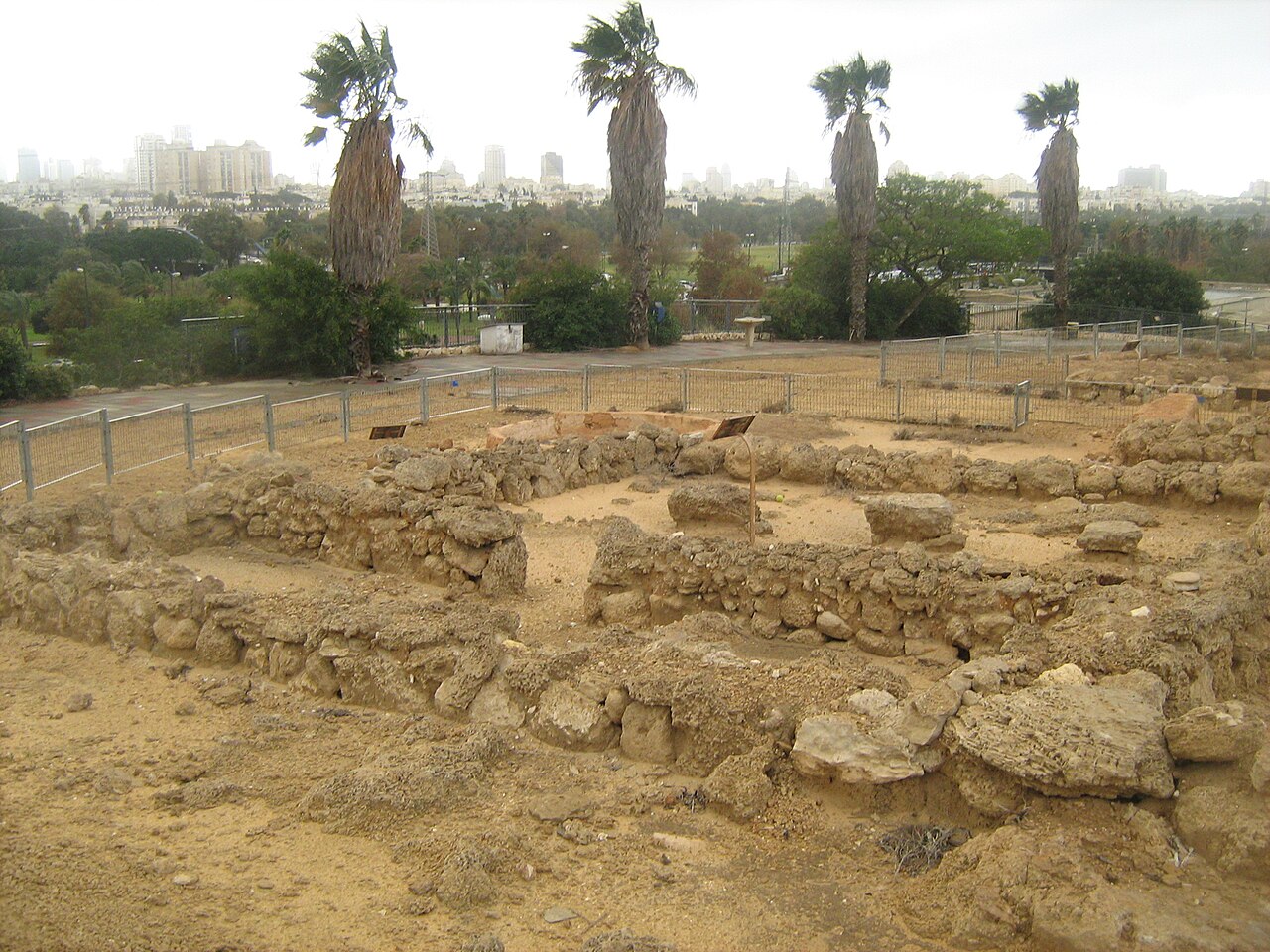
Tell Qasile
- Must see
- Historic monument
Language · 11 published
Museum · Tel Aviv
מוזיאון ארץ ישראל

| Monday | 10:00 – 16:00 |
|---|---|
| Tuesday | 10:00 – 16:00 |
| Wednesday | 10:00 – 16:00 |
| Thursday | 10:00 – 20:00 |
| Friday | 10:00 – 14:00 |
| Saturday | 10:00 – 16:00 |
| Sunday | Closed |
Checked 2026-08-31 · Source
Read from the OpenStreetMap access tags; anything not listed has no tag recorded.
Set the group type to family in the planner and the day window contracts to about three quarters of a solo day.
Eretz Israel Museum is a multidisciplinary museum complex in Tel Aviv-Yafo devoted to the history and culture of the Land of Israel. Archaeology, ethnography, folklore and crafts share the campus, giving the museum a wider scope than a single-period or single-medium collection. Its pavilions create a museum landscape rather than one continuous gallery. Plan to move between buildings and treat the visit as a broad introduction to regional material culture. Eretz Israel Museum is a multidisciplinary museum complex in Tel Aviv-Yafo. Its Hebrew name is מוזיאון ארץ ישראל. The institution presents the history and culture of the Land of Israel through archaeology, ethnography, folklore, and crafts. The museum occupies a campus that includes multiple pavilions and exhibition spaces. It is recognized as a headline visitor priority for the city by the Tel Aviv-Yafo tourism fact pack. The museum's identity is registered in OpenStreetMap as way/81652303. The museum's multidisciplinary scope includes varied content that may engage different age groups. Archaeological and craft exhibitions can interest younger visitors, though engagement levels depend on individual children. The campus requires walking between buildings, which families should consider for stamina planning.
Checked 2026-08-26 · Source
The complex includes dedicated spaces such as the Glass Pavilion and Ceramics Pavilion, alongside displays of archaeological finds, traditional crafts, copper work, glass, ceramics and philately. Permanent collections sit alongside changing exhibitions, while ethnographic and folkloric material adds everyday cultural context to historical objects. The range is the museum’s defining feature: one route can move from ancient artifacts to craft traditions and collecting history. Choose a few themes if you prefer depth over broad coverage. The museum complex houses diverse collections spanning the material culture of the region. Exhibitions cover archaeological finds, traditional crafts, copper work, glass, ceramics, and philately.
Checked 2026-08-26 · Source
Set aside several hours if you want to experience the museum’s multidisciplinary character, because the campus contains multiple pavilions and requires walking between them. A shorter visit can focus on one or two subjects, such as archaeology, glass or ceramics. Visitors with specialist interests may spend longer in a single pavilion, while a general route benefits from pauses between buildings. The museum works best when you choose priorities before your energy fades rather than trying to absorb everything equally.
Checked 2026-08-26 · Source
Morning visits can be comfortable during warmer months because the campus includes outdoor movement between pavilions. The museum also suits a hotter or rainy part of the day when indoor exhibitions provide a structured cultural stop. Allow extra time for transitions across the grounds, particularly when weather is strong. Changing exhibitions may alter the emphasis of a visit, while the permanent collections provide a stable foundation for returning visitors interested in different parts of the museum’s broad subject range.
Checked 2026-08-26 · Source
The museum is an enclosed cultural attraction rather than an open public park, and entry is organized through the museum’s visitor arrangements. The campus contains several pavilions, so your visit may involve more than one exhibition space. Treat ticket planning as part of choosing your route through the complex. The key practical distinction is between the museum campus and the individual themes inside it: archaeology, crafts, glass, ceramics, philately and ethnography each contribute to the overall experience.
Checked 2026-08-26 · Source
The museum sits within Tel Aviv-Yafo’s urban area and is reached through the city’s public transport and road network. Because the campus is spread across several buildings, reaching the entrance is only the first part of the visit: allow time to walk between pavilions once inside. The museum combines naturally with other northern Tel Aviv stops, especially Yarkon Park, whose riverfront paths and gardens offer a contrasting outdoor experience after the galleries.
Checked 2026-08-26 · Source
The museum’s breadth can feel demanding if you approach every pavilion as equally essential. Select a few collections that match your interests and leave space for walking between buildings. Outdoor transitions expose you to sun, heat or rain, unlike the galleries themselves. Exhibition content ranges from specialized craft and archaeological material to broader cultural displays, so the experience changes considerably from room to room. Crowding may also differ between pavilions, making a flexible route useful on a busy day.
Checked 2026-08-26 · Source
The museum’s strongest visual subjects are its objects, pavilion architecture and transitions across the campus. Glass, ceramics, copper work and archaeological displays offer contrasting textures and forms, while the separate buildings create a changing outdoor backdrop. Keep your camera discreet in galleries and avoid flash where it could disturb other visitors or affect displays. The campus also provides space for wider architectural images, but the material culture remains the clearest way to capture what makes this museum distinctive.
Checked 2026-08-26 · Source
It presents the history and culture of the Land of Israel through archaeology, ethnography, folklore, crafts and related material culture.
The campus contains multiple pavilions and diverse collections, so a full visit requires several hours. Visitors with limited time can choose particular themes such as archaeology, glass or ceramics.
The campus includes the Glass Pavilion and Ceramics Pavilion, together with exhibition spaces covering archaeology, crafts, copper work, philately, ethnography and folklore.
Its collections combine archaeology, ethnography, folklore and crafts in one campus, allowing visitors to explore several dimensions of regional heritage during one cultural outing.
The campus is organized across multiple pavilions, so visitors walk outdoors between separate buildings as well as through the exhibition spaces.
Alongside archaeological finds, the museum presents traditional crafts, copper work, glass, ceramics, philately, ethnographic material and folklore displays.
Loading the interactive map…
The interactive map could not be loaded.
Last updated:
Source: OpenStreetMap contributors, Wikidata ·