

2 min walk
Suzanne Dellal Centre for Dance and Theatre
- Must see
- Art and culture venue
Language · 11 published
Activity · Tel Aviv
נווה צדק
| Monday | 00:00 – 23:59 |
|---|---|
| Tuesday | 00:00 – 23:59 |
| Wednesday | 00:00 – 23:59 |
| Thursday | 00:00 – 23:59 |
| Friday | 00:00 – 23:59 |
| Saturday | 00:00 – 23:59 |
| Sunday | 00:00 – 23:59 |
Checked 2026-08-31 · Source
Read from the OpenStreetMap access tags; anything not listed has no tag recorded.
Set the group type to family in the planner and the day window contracts to about three quarters of a solo day.
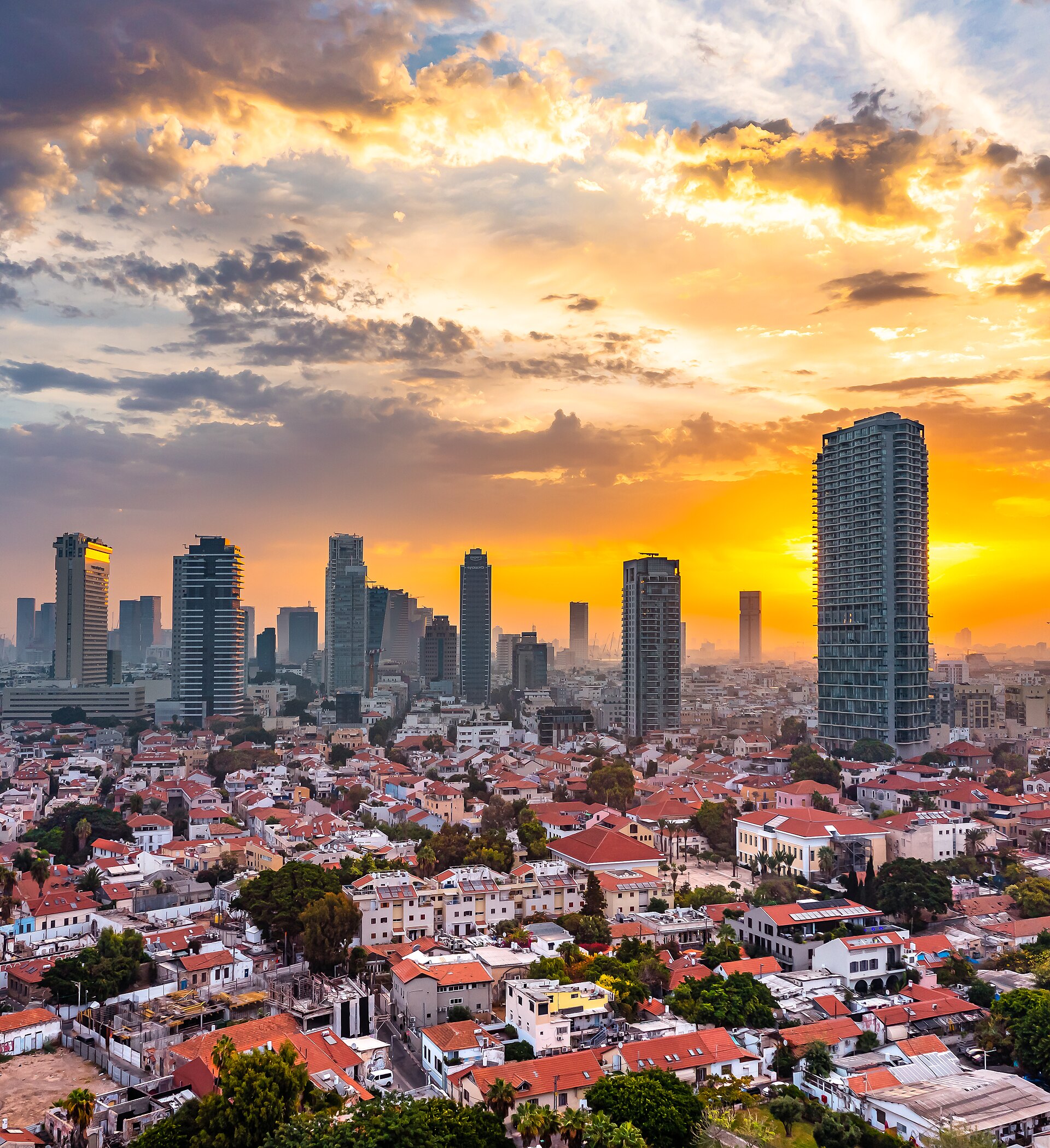
Neve Tzedek is Tel Aviv-Yafo's first Jewish neighborhood, established in 1887 outside the walls of Jaffa, predating the founding of Tel Aviv itself. Its name means Oasis of Justice in Hebrew. The quarter fell into decline after independence but underwent extensive restoration from the 1980s onward. Today it presents as a compact heritage district characterized by low-rise architecture, narrow lanes, and a cultivated bohemian atmosphere that distinguishes it from the surrounding modern city fabric. A flexible visit lets travellers connect Neve Tzedek with the rest of the day without treating one room, viewpoint or photograph as the whole experience. The useful pace depends on personal interest and conditions on arrival.
Checked 2026-08-26
The neighborhood contains restored residences, independent boutiques, artisan workshops, and small-scale hospitality venues concentrated along Shabazi Street and its tributary lanes. The Suzanne Dellal Centre for Dance and Theatre occupies a converted school complex. Several small museums and galleries operate within the district boundaries. The area intersperses commercial activity with residential function, creating a mixed-use environment. Architectural details from the late Ottoman and early Mandate periods remain visible on numerous structures throughout the quarter. The strongest visit keeps attention on what is distinctive here while leaving room for the next stop. That approach makes Neve Tzedek useful in both a focused first visit and a slower return to the city.
Checked 2026-08-26
A walking circuit of Neve Tzedek's core lanes requires approximately ninety minutes to two hours at a measured pace, including brief pauses for exterior observation. Visitors intending to enter commercial premises, dine, or attend performances at the Suzanne Dellal Centre should extend this baseline accordingly. The compact dimensions of the neighborhood permit flexible scheduling. Many visitors combine Neve Tzedek with adjacent districts or the Jaffa perimeter in a single outing, though dedicated exploration rewards unhurried progression through its irregular street pattern.
Checked 2026-08-26
Neve Tzedek functions as an open urban district without controlled entry points. Individual establishments maintain autonomous operating schedules. The outdoor character of the neighborhood makes daylight hours preferable for architectural observation and photography. Evening hours present different atmospheric qualities as commercial venues activate. Seasonal considerations include summer heat and humidity, which may affect comfort during midday walking. No specific closure patterns are documented in the supplied source material. Check the operator's own site for the travel date before relying on a schedule or fare.
Checked 2026-08-26
No general admission mechanism applies to Neve Tzedek as a public neighborhood. Access to streets and exterior spaces is unrestricted. Individual venues including the Suzanne Dellal Centre, museums, galleries, and commercial establishments set independent admission policies where applicable. Visitors should anticipate that dining and retail transactions occur at market rates. No advance booking requirement for neighborhood access is indicated in available sources. Neve Tzedek also earns time in a tel aviv itinerary because WIKIDATA_EDITORIAL reconciliation for the ranked entry; identity and coordinates were verified without a nearby fallback. Its value becomes clearer when the stop is compared with the surrounding streets and the other ranked places nearby.
Checked 2026-08-26
Neve Tzedek occupies a position between Tel Aviv's central business district and the Old City of Jaffa, bounded approximately by the Mediterranean coastline to the west and the Ayalon corridor to the east. Multiple bus routes serve stops in proximity to the neighborhood. The Tel Aviv light rail system includes stations within reasonable walking distance. Pedestrian access from the beach promenade and from Jaffa is straightforward. The area's narrow lanes render private vehicle circulation impractical; walking constitutes the primary internal mode.
Checked 2026-08-26
The narrow sidewalks and vehicle passages characteristic of Neve Tzedek's historic layout require alertness to occasional motorized traffic, including delivery vehicles and resident access. The residential-commercial mix demands noise consciousness, particularly during evening hours. Property boundaries between public ways and private courtyards are not always visually explicit; visitors should refrain from uninvited entry. The district's popularity generates pedestrian congestion at peak visitation times, complicating movement and photography. No specific safety advisories are documented in supplied sources.
Checked 2026-08-26
Neve Tzedek offers concentrated architectural subject matter including restored facades, decorative tilework, wooden shutters, and lane compositions with varied sightlines. The low building heights permit sky inclusion without extreme vertical angles. Morning and late afternoon light conditions produce pronounced shadow patterns along narrow east-west oriented passages. The Suzanne Dellal Centre courtyard and certain lane intersections provide established vantage points. Respect for residential privacy is necessary; telephoto intrusion into private courtyards and windows is inappropriate. No photography restrictions are noted for public thoroughfares.
Checked 2026-08-26
Neve Tzedek lies within the municipal boundaries of Tel Aviv-Yafo. It was founded in 1887 outside Jaffa's walls but was incorporated into the larger municipality. It is geographically and historically connected to both areas.
No booking is required. Neve Tzedek is an open urban neighborhood without gates or admission controls. Individual venues inside may have their own requirements.
It is a dance and theatre centre located in a converted school complex within Neve Tzedek. It hosts performances and cultural programming.
The neighborhood dates to 1887. Many structures reflect late Ottoman and early British Mandate architectural periods, though extensive restoration has occurred since the 1980s.
Driving is impractical due to extremely narrow lanes. The area is best explored on foot. Some vehicle access exists for residents and deliveries.
Yes. Shabazi Street and surrounding lanes contain boutiques, artisan workshops, and small hospitality venues. Specific names and current operations are not recorded in supplied sources.
Loading the interactive map…
The interactive map could not be loaded.

Last updated:
Source: OpenStreetMap contributors, Wikidata ·