.jpg)


.jpg)
2 min walk
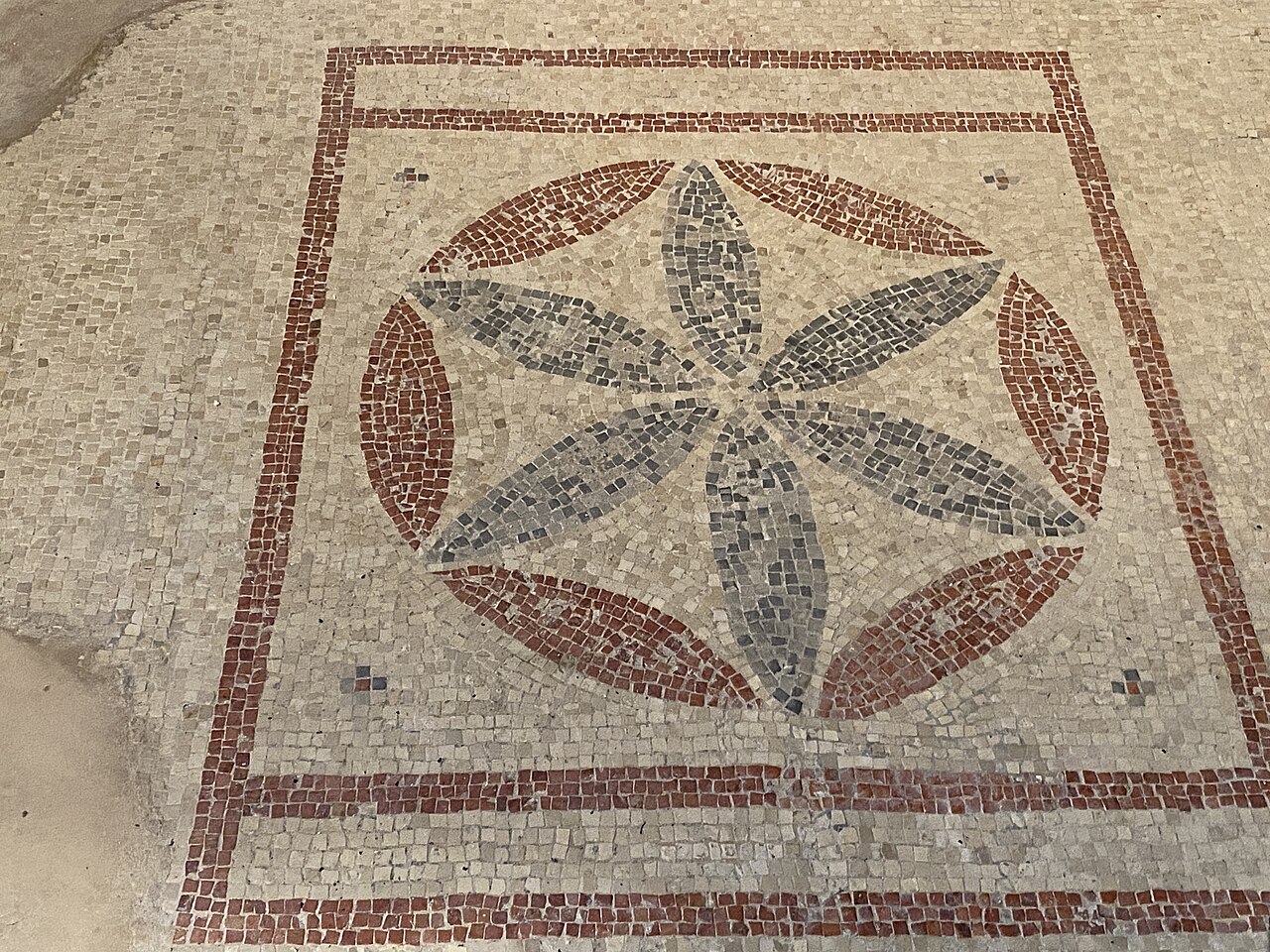
Herodian Quarter
- Must see · Heritage site
- Museum
Language · 11 published
Activity · Jerusalem

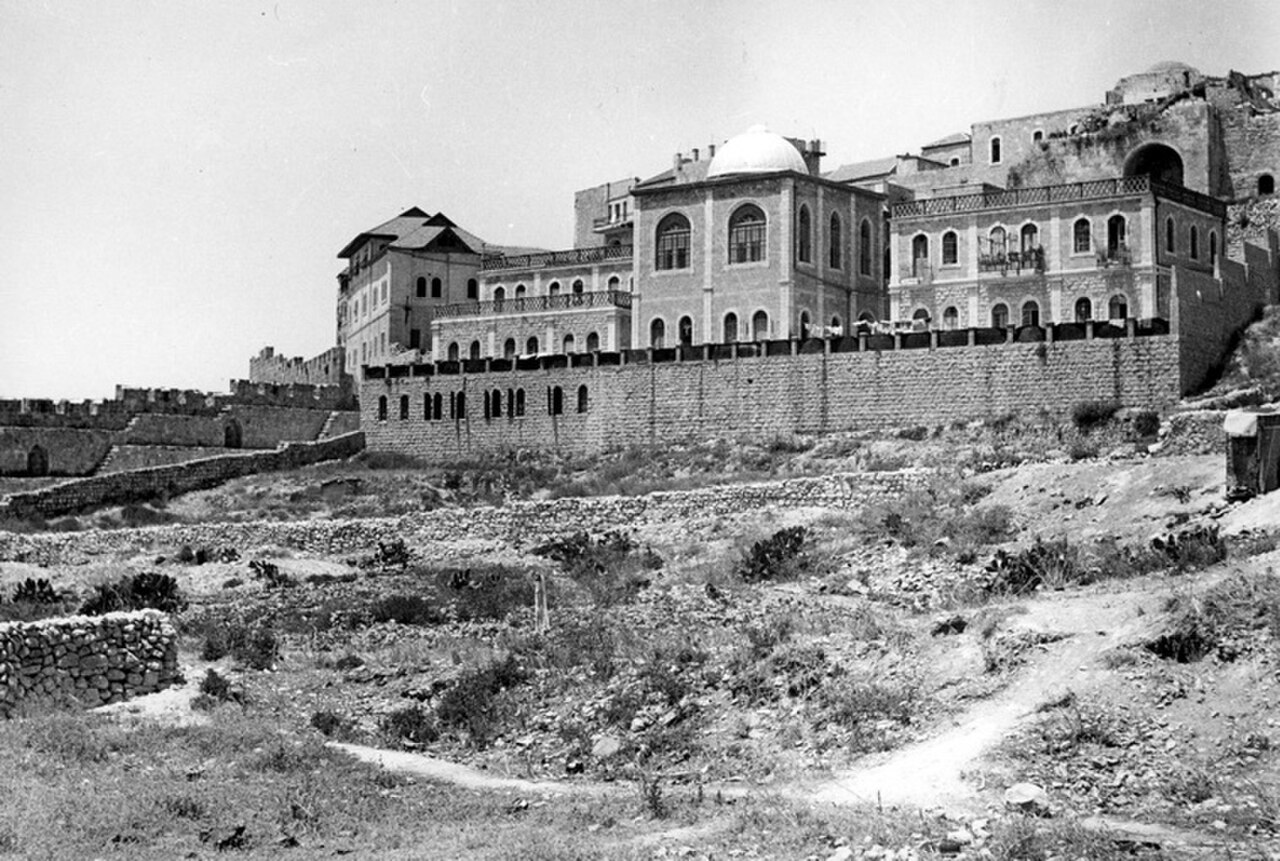
The Jewish Quarter is one of four traditional quarters in the walled Old City of Jerusalem. It occupies the southeastern sector of the historic enclosure, with boundaries roughly corresponding to ancient divisions. The area contains residential neighborhoods, religious sites, archaeological remains, and institutions serving the Jewish community. Much of the present built environment reflects reconstruction following damage in the twentieth century. The quarter sits atop layers of historical settlement extending across multiple periods. Its identity as a distinct urban zone developed over centuries of demographic and administrative change within the Old City.
Checked 2026-08-26
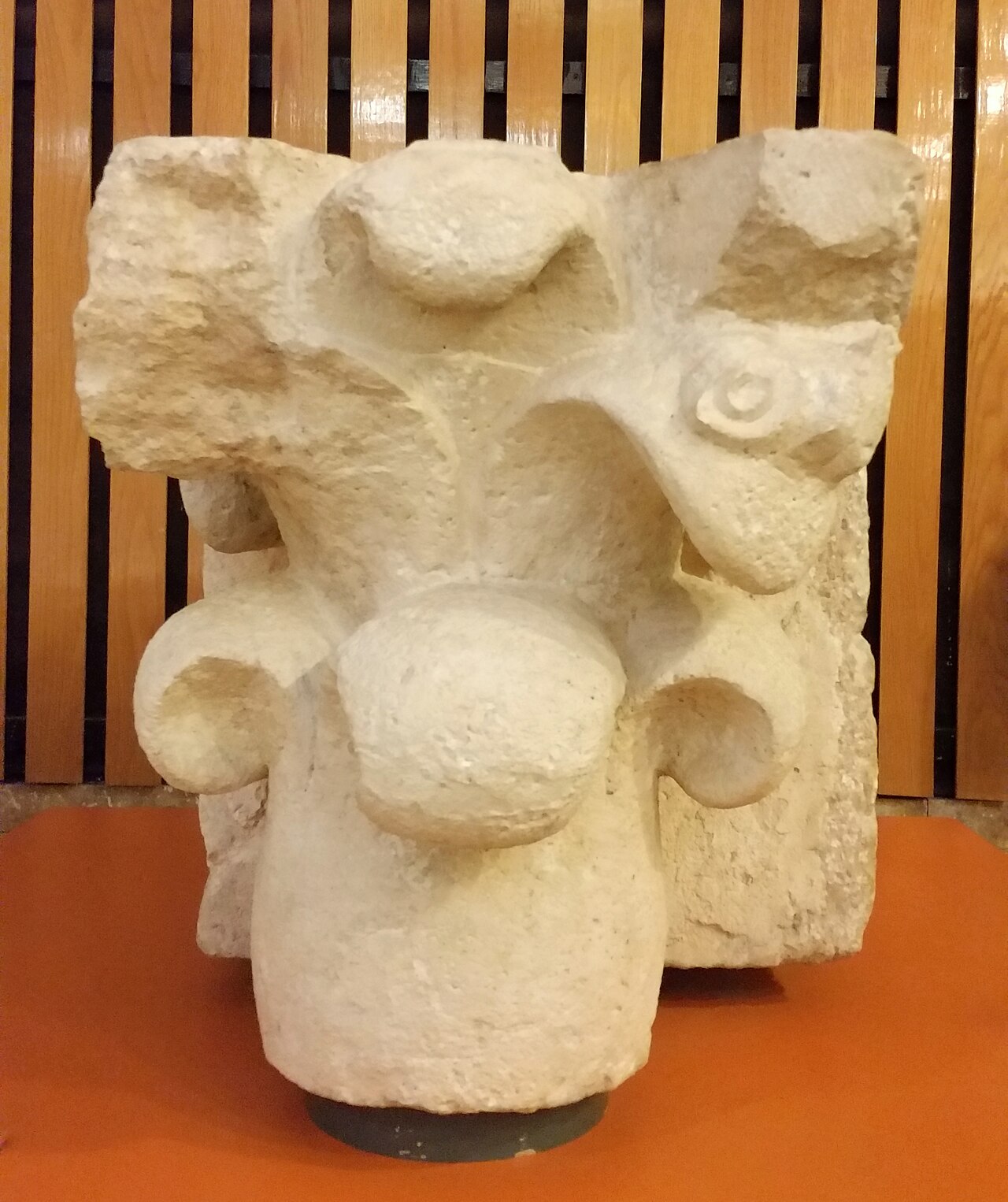
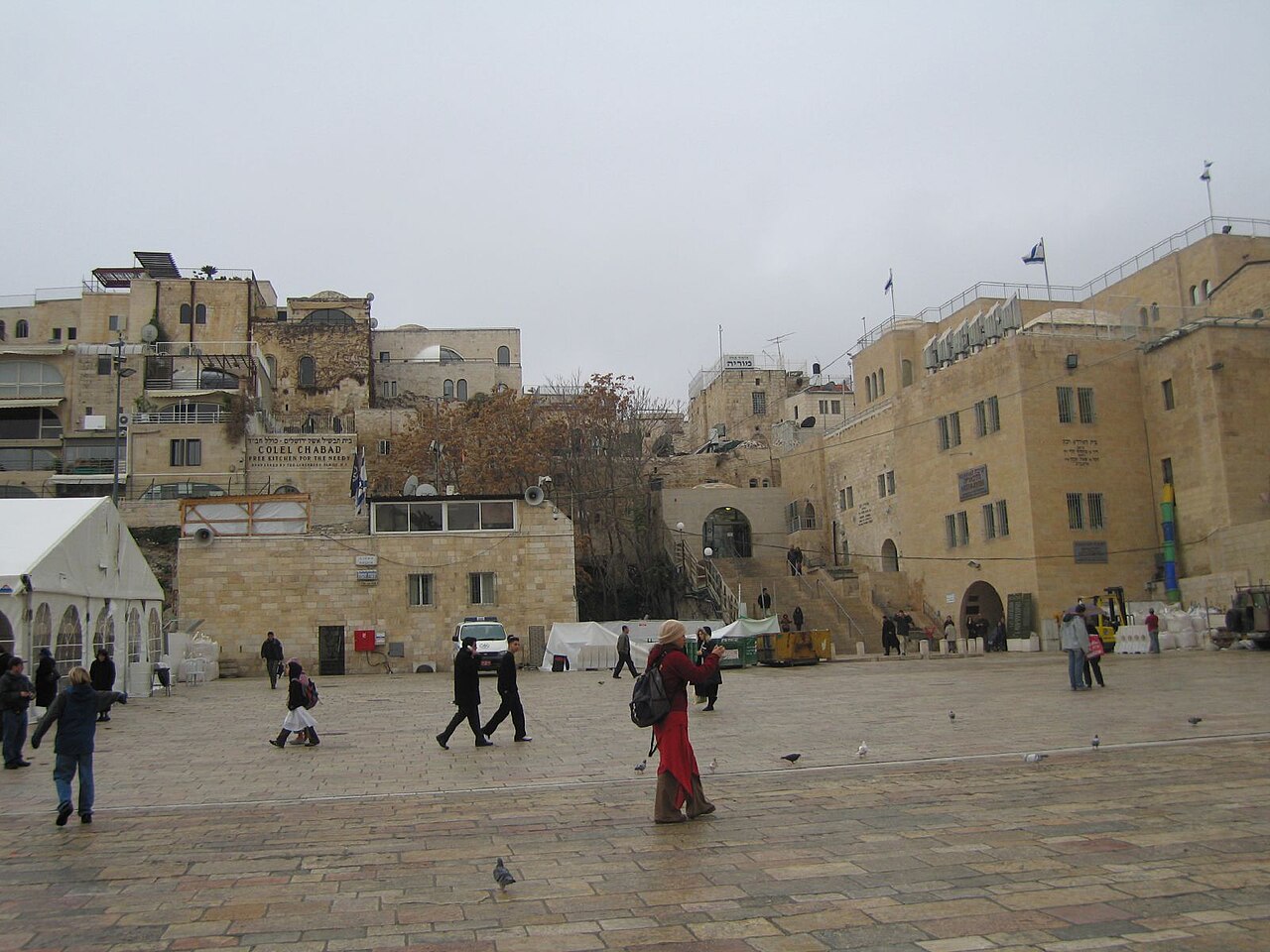
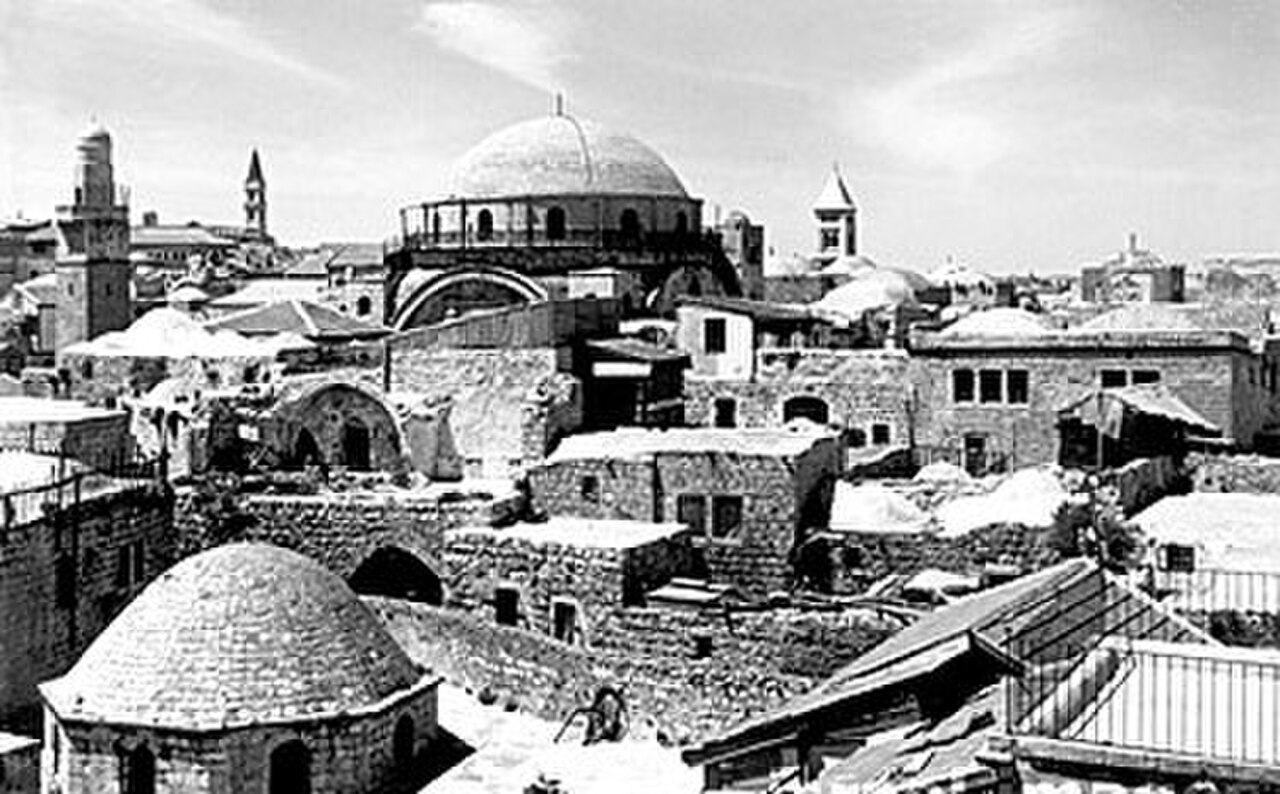
The quarter contains the Western Wall, a major Jewish prayer site at the retaining wall of the ancient Temple Mount platform. The Cardo, a reconstructed Byzantine-era colonnaded street, runs through the area with commercial activity. Numerous synagogues serve residents and visitors, including historic congregations. Archaeological parks expose strata from multiple periods of occupation. Museums and educational centers present historical narratives. Residential buildings house a mixed population of families, students, and religious scholars. Narrow lanes connect courtyards and passageways characteristic of Old City urban fabric. The Hurva Synagogue, rebuilt in recent decades, stands as a prominent landmark.
Checked 2026-08-26

Visitors typically allocate between two hours and half a day for initial exploration of the Jewish Quarter, depending on interest depth. Those examining archaeological exhibits thoroughly or participating in prayer services may extend their stay. The compact pedestrian zone rewards unhurried walking to absorb architectural detail and atmospheric conditions. Combining the quarter with adjacent Western Wall Plaza or broader Old City circuits requires additional time. Repeated visits reveal layers not apparent in single passages. Evening hours transform the character of lanes and courtyards, though individual security assessments should inform after-dark decisions in this sensitive urban environment.
Checked 2026-08-26

Jerusalem experiences hot dry summers and mild wet winters with occasional cold spells. Spring and autumn generally offer moderate temperatures favorable to extended walking. Religious holidays generate significant visitor flows and altered local rhythms, particularly around Jewish festivals when the quarter fills with celebrants and pilgrims. Friday evenings and Saturdays observe Sabbath restrictions affecting transport and some services. Visitors should consult current schedules for specific sites within the quarter, as individual attractions maintain independent timetables subject to religious observance and seasonal variation. Check the operator's own site for the travel date before relying on a schedule or fare.
Checked 2026-08-26
Access to the Jewish Quarter's public streets and lanes requires no admission fee. Individual attractions within the quarter operate separate access policies. Some archaeological sites and museums charge entry fees; others may request donations or offer free admission. Prices are Not recorded pending review. Visitors should verify current arrangements directly with each venue. Guided tours of the quarter or specific excavations may involve booking fees. No comprehensive ticket covering all quarter attractions is known to exist. Cash and card acceptance varies by institution; preparedness for multiple payment scenarios is prudent.
Checked 2026-08-26

The Jewish Quarter lies within the pedestrianized Old City, inaccessible to private vehicles. Visitors approach through gates in the Ottoman walls: Jaffa Gate, Zion Gate, and Dung Gate offer nearest access points. Public buses serve stops outside the walls, requiring onward walking through narrow streets with uneven surfaces and steps. The Damascus Gate area to the north connects through the Muslim Quarter. Parking outside the walls is limited and competitive. Taxis and rideshare services deposit passengers at designated points beyond the gates. Signage within the Old City is variable; navigation by landmark and inquiry is often necessary.
Checked 2026-08-26
The Old City environment demands awareness of political and religious sensitivities. The Jewish Quarter's proximity to contested areas requires respectful conduct and appropriate dress at religious sites. Narrow lanes become crowded; personal belongings warrant attention. Uneven paving, steps, and changes in level present mobility challenges. Summer heat exposure risks dehydration without adequate water. Tensions between communities occasionally generate localized security incidents; following current guidance from official sources is essential. Some areas may restrict access based on security assessments. Interactions with persistent commercial solicitation require firm but courteous management. Emergency services access is constrained by the medieval street pattern.
Checked 2026-08-26
Photography policies vary across the quarter's diverse spaces. The Western Wall permits imaging in designated zones; sensitivity to worshippers is paramount. Some synagogues and religious study halls prohibit or restrict photography. Museums and archaeological exhibits typically govern commercial and flash use. The dense urban fabric offers architectural compositions of lanes, arches, and courtyards. Rooftop vantage points may provide broader perspectives subject to access permissions. Golden hour and artificial lighting after dark create distinct atmospheric conditions. Drone operation is prohibited throughout the Old City. Respect for individuals' privacy and religious practice should override photographic opportunity in all circumstances.
Checked 2026-08-26
The area receives substantial security presence, though visitors should monitor current official guidance, avoid demonstrations, and exercise standard urban awareness. Conditions can change.
Public streets and many sites are open to all visitors regardless of background. Specific religious sites may have dress codes or conduct expectations.
Modest dress covering shoulders and knees is appropriate throughout the Old City. Religious sites may require additional coverage; hats for men at the Western Wall.
Food establishments exist serving various cuisines. Kosher dietary laws are observed by many venues. Sabbath hours affect availability from Friday evening through Saturday.
Each quarter has distinct demographic character, religious landmarks, and atmosphere. The Jewish Quarter emphasizes Jewish religious and historical heritage with particular archaeological exposure.
The Western Wall lies at the quarter's edge, forming a distinct plaza space. It is accessible from the quarter but operates as a separate focused destination with its own protocols.
Loading the interactive map…
The interactive map could not be loaded.
Last updated:
Source: OpenStreetMap contributors, Wikidata ·