


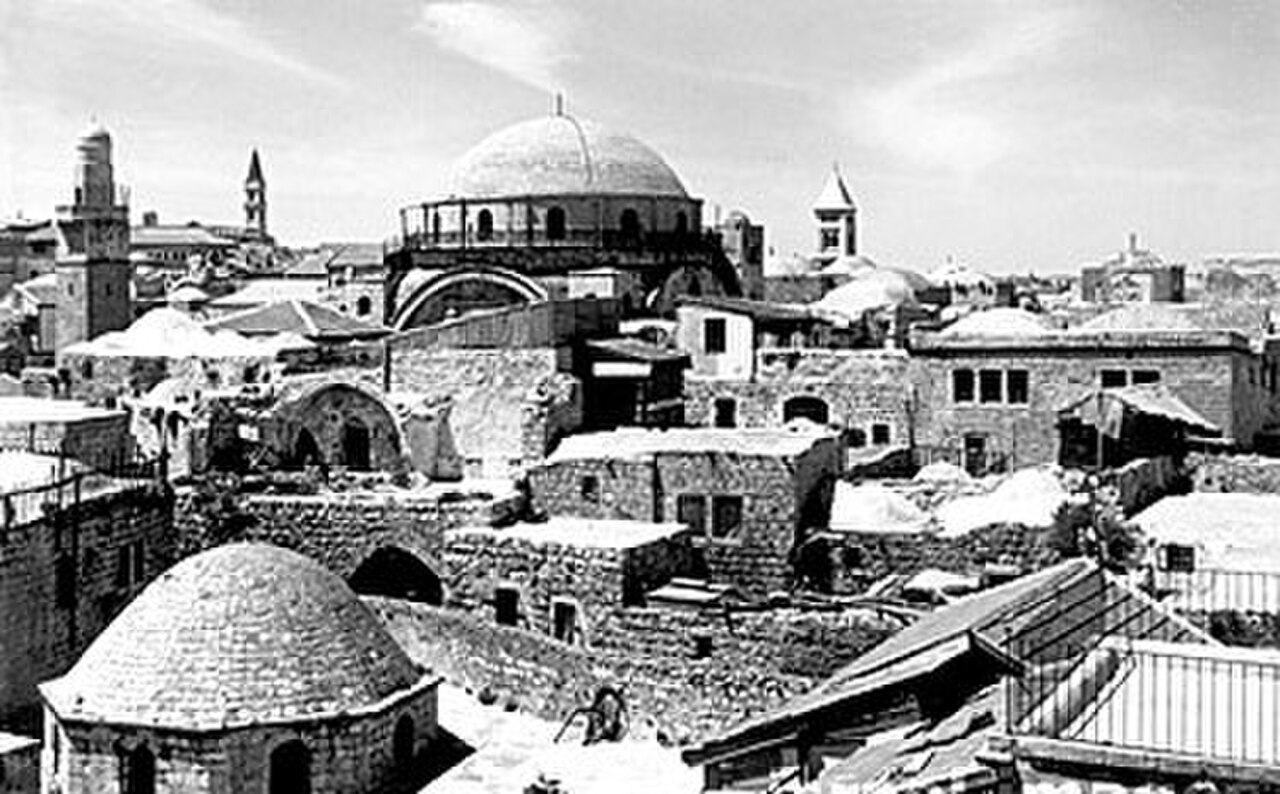
1 min walk
Hurva Synagogue
- Must see · Heritage site
- Place of worship
Language · 11 published
Museum · Jerusalem
הרובע ההרודיאני
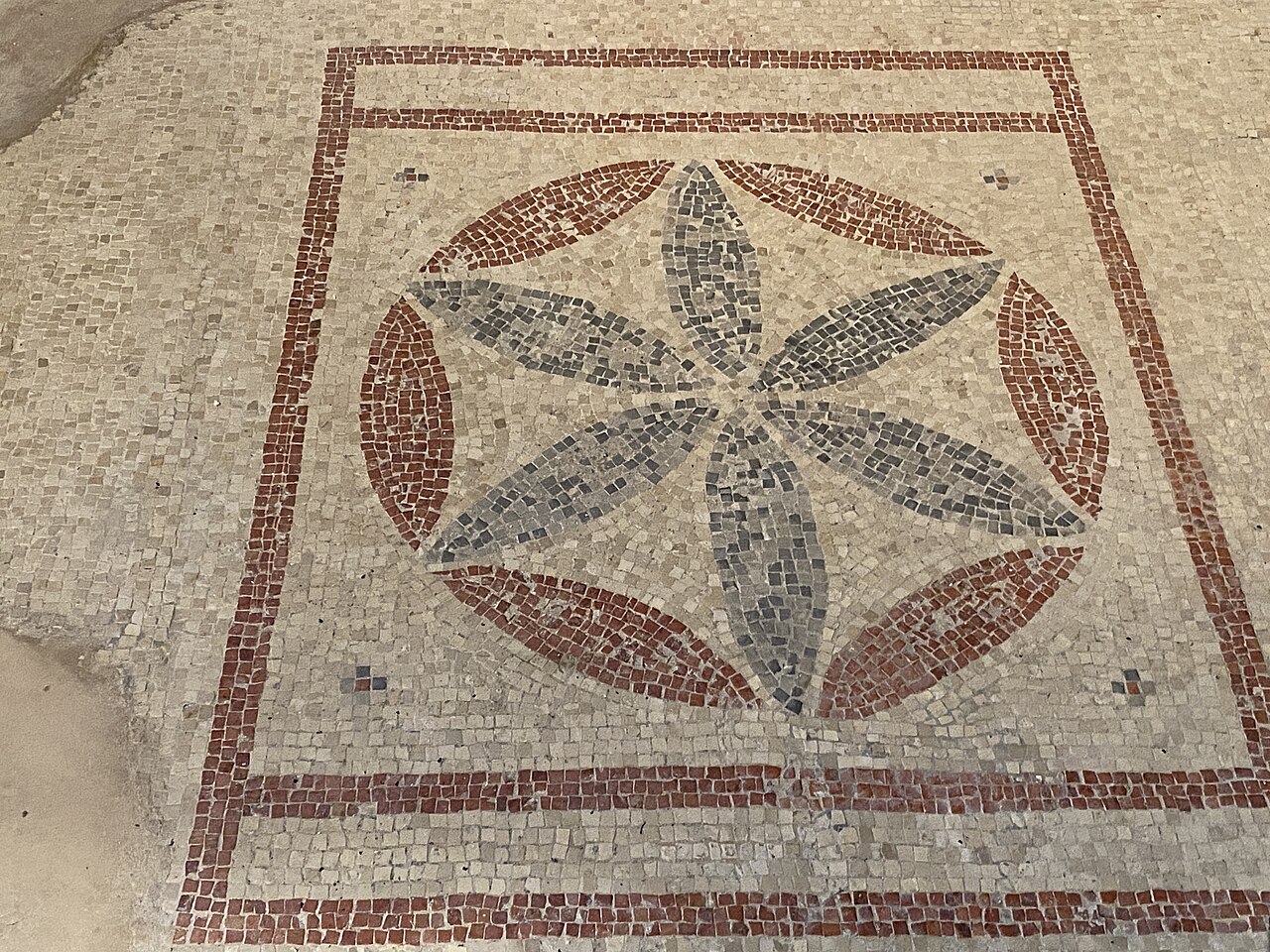
The Herodian Quarter is an archaeological site in Jerusalem's Old City revealing remains of wealthy residential structures from the late Second Temple period. Excavations uncovered substantial dwellings with mosaic floors, ritual baths, and domestic furnishings suggesting affluent inhabitants. The site offers tangible connection to Jerusalem's urban fabric before the city's destruction in 70 CE. Located in the Jewish Quarter, it forms part of the broader archaeological presentation of ancient Jerusalem's residential character. The quarter's name reflects its association with the Herodian dynasty era, though precise dating of individual structures requires careful archaeological interpretation. Visitors encounter preserved foundations and installations that illustrate domestic life in this historically significant period.
Checked 2026-08-26
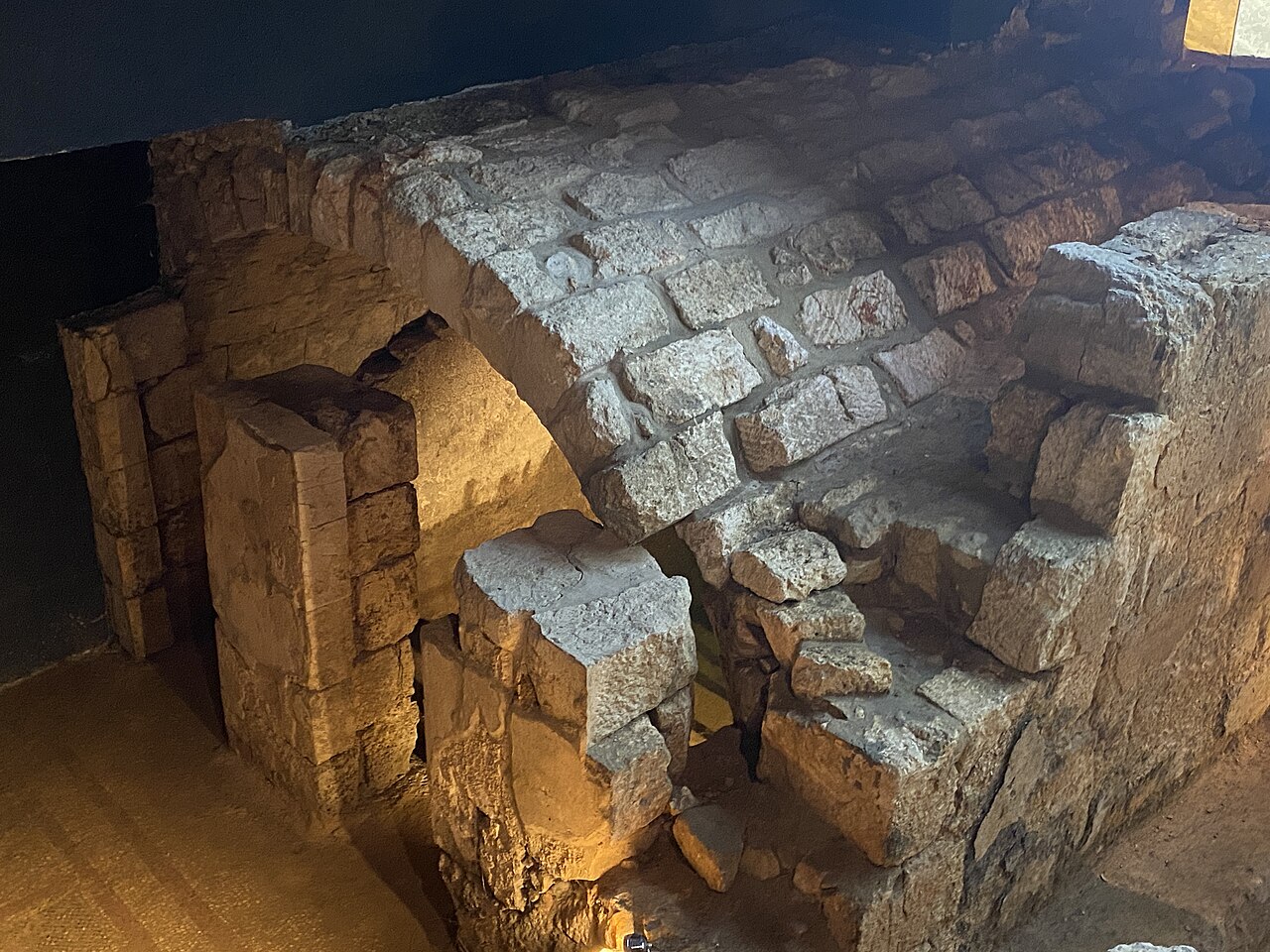
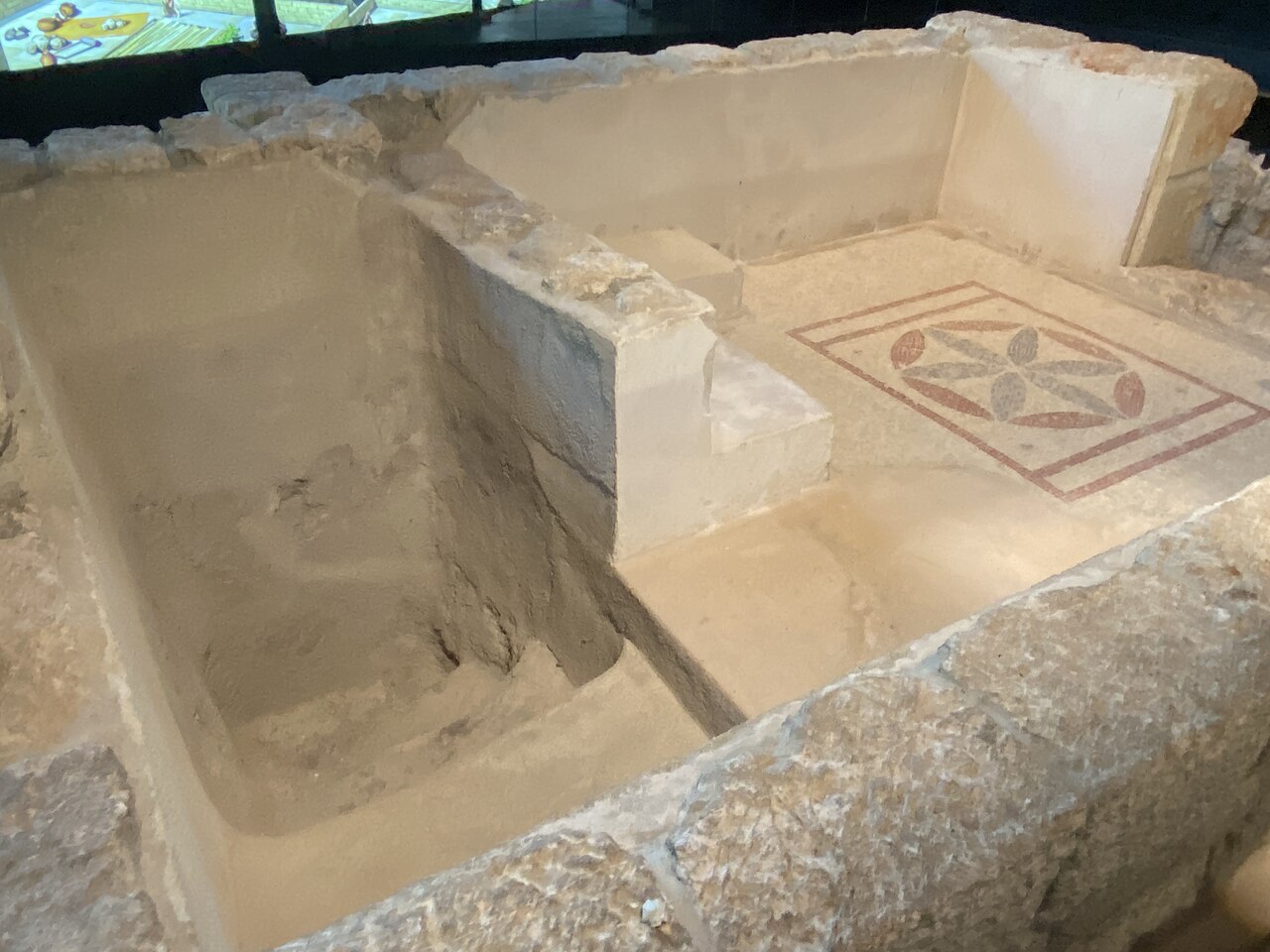
The site contains excavated house remains with visible architectural elements including mosaic pavements, stone vessels, and ritual immersion pools. Display areas incorporate archaeological findings within their original discovery context. Some installations feature reconstructed elements to aid visitor comprehension of spatial arrangements. The presentation includes domestic spaces, storage areas, and evidence of Jewish ritual practice. Stone furniture and architectural fragments remain in situ where possible. Interpretive materials assist visitors in understanding the relationship between different excavated zones. The quarter connects physically and thematically with adjacent archaeological sites in the Jewish Quarter, creating an extended visitor experience of ancient residential Jerusalem. Preservation conditions vary across the excavated area.
Checked 2026-08-26

Most visitors spend approximately forty-five to ninety minutes exploring the Herodian Quarter's excavated spaces and associated displays. The compact physical footprint permits relatively efficient circulation, though interested visitors may linger longer examining specific architectural details. Combination with neighbouring Jewish Quarter archaeological sites extends overall visit duration substantially. The site's linear presentation pathway guides movement through excavated areas without significant route choices. Photography and reading interpretive panels add time. Visitors with strong archaeological interest may require additional time. The site suits inclusion within broader Old City itineraries rather than standalone extended visitation. Physical constraints of the excavated environment limit large group simultaneous circulation.
Checked 2026-08-26
Jerusalem experiences Mediterranean climate with hot dry summers and mild wet winters. The Herodian Quarter's partially enclosed excavated spaces offer some temperature moderation during summer heat. Winter rainfall may affect comfort in less protected areas. Religious and national holidays bring increased visitor numbers throughout the Old City, potentially affecting queue times and circulation space. Operator-confirmed hours are Not recorded pending review. Visitors should verify current access arrangements before planning. Morning visits to the Jewish Quarter generally encounter fewer organised tour groups than midday periods. Sabbath observance affects surrounding neighbourhood commercial activity though archaeological sites may operate under specific scheduling.
Checked 2026-08-26
The Herodian Quarter operates as part of Jerusalem's archaeological site network with potential combined ticketing arrangements for multiple Jewish Quarter locations. Individual admission policies reflect municipal or institutional management structures governing heritage presentation. Some visitor categories may receive reduced rates according to standard Israeli museum and site conventions, though specific eligibility requires confirmation. Operator-confirmed prices are Not recorded pending review. Payment methods and advance booking availability vary. Group rates typically require advance arrangement. Jerusalem municipal tourist passes may include coverage depending on current partnerships. Visitors should verify current fee structures immediately before arrival to avoid planning assumptions based on outdated information.
Checked 2026-08-26
The Herodian Quarter sits within Jerusalem's Old City Jewish Quarter, accessible through multiple historic gates. The Dung Gate and Zion Gate provide pedestrian approaches from different directions. Public bus services operate to stops near the Old City walls with walking required through gate passages and narrow streets. The Jerusalem Light Rail serves stops at reasonable walking distance from Old City entry points. Private vehicle access to the Old City interior is extremely restricted; parking exists outside the walls. Taxis and ride services deposit passengers at designated gate-adjacent points. The Jewish Quarter's elevated position relative to some approaches involves stair climbing. Signage within the quarter assists visitor navigation to specific sites.
Checked 2026-08-26
Excavated archaeological sites present inherent physical hazards including uneven walking surfaces, level changes without continuous guarding, and constrained circulation widths. Appropriate footwear is essential. Low ceilings and narrow passages may affect mobility-impaired visitors. Lighting conditions vary between display areas. The Old City's dense urban environment requires general situational awareness regarding personal belongings and crowd dynamics. Religious sensitivities in surrounding neighbourhoods warrant respectful conduct and modest dress. Summer heat demands hydration planning. Some areas may close temporarily for preservation maintenance or without advance notification. Emergency egress routes in confined archaeological spaces deserve prior identification. Children require close supervision near unprotected excavated edges.
Checked 2026-08-26

Photography policies within the Herodian Quarter follow standard practices for Israeli archaeological sites, though specific restrictions may apply to certain display areas or objects. Flash photography potentially affects sensitive materials and may be restricted. Tripod and professional equipment use typically requires advance permission. The excavated environment presents challenging lighting conditions for photography, with high contrast between illuminated displays and shadowed archaeological sections. Small spaces complicate wide-angle composition. Reflective glass over some protected elements creates glare. Visitors should observe posted restrictions and staff instructions. Commercial or publication photography requires formal authorisation. Respect for other visitors' experience limits extended photographic sessions in constricted circulation areas.
Checked 2026-08-26
The Herodian Quarter contains remains from the late Second Temple period, broadly associated with the era of Herodian rule and its immediate aftermath before the 70 CE destruction of Jerusalem.
Archaeological sites with excavated levels and original ancient surfaces typically present significant accessibility challenges; visitors requiring level access should verify current arrangements directly with site management.
The Jewish Quarter contains multiple adjacent archaeological presentations that visitors commonly combine in extended walking itineraries through the area.
Tour availability depends on current operational arrangements; visitors should verify whether staff-guided or audio options exist at time of visit.
Comfortable sturdy footwear is essential for uneven ancient surfaces; modest dress aligns with surrounding neighbourhood sensitivities regardless of specific site requirements.
The Herodian Quarter itself focuses on archaeological presentation; surrounding Jewish Quarter streets contain commercial establishments for refreshment needs.
Loading the interactive map…
The interactive map could not be loaded.

Last updated:
Source: OpenStreetMap contributors, Wikidata ·