


2 min walk
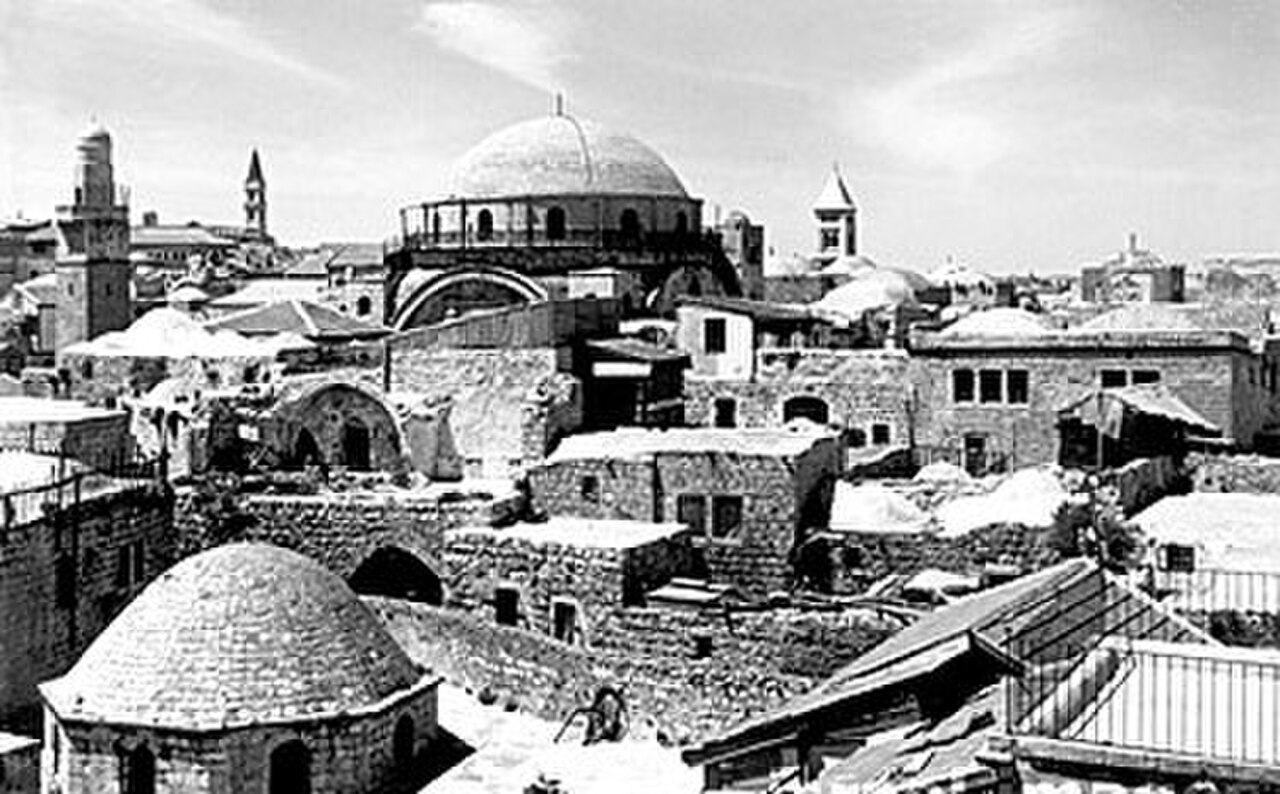
Hurva Synagogue
- Must see · Heritage site
- Place of worship
Language · 11 published
Place of worship · Jerusalem
ארבעת בתי הכנסת הספרדיים
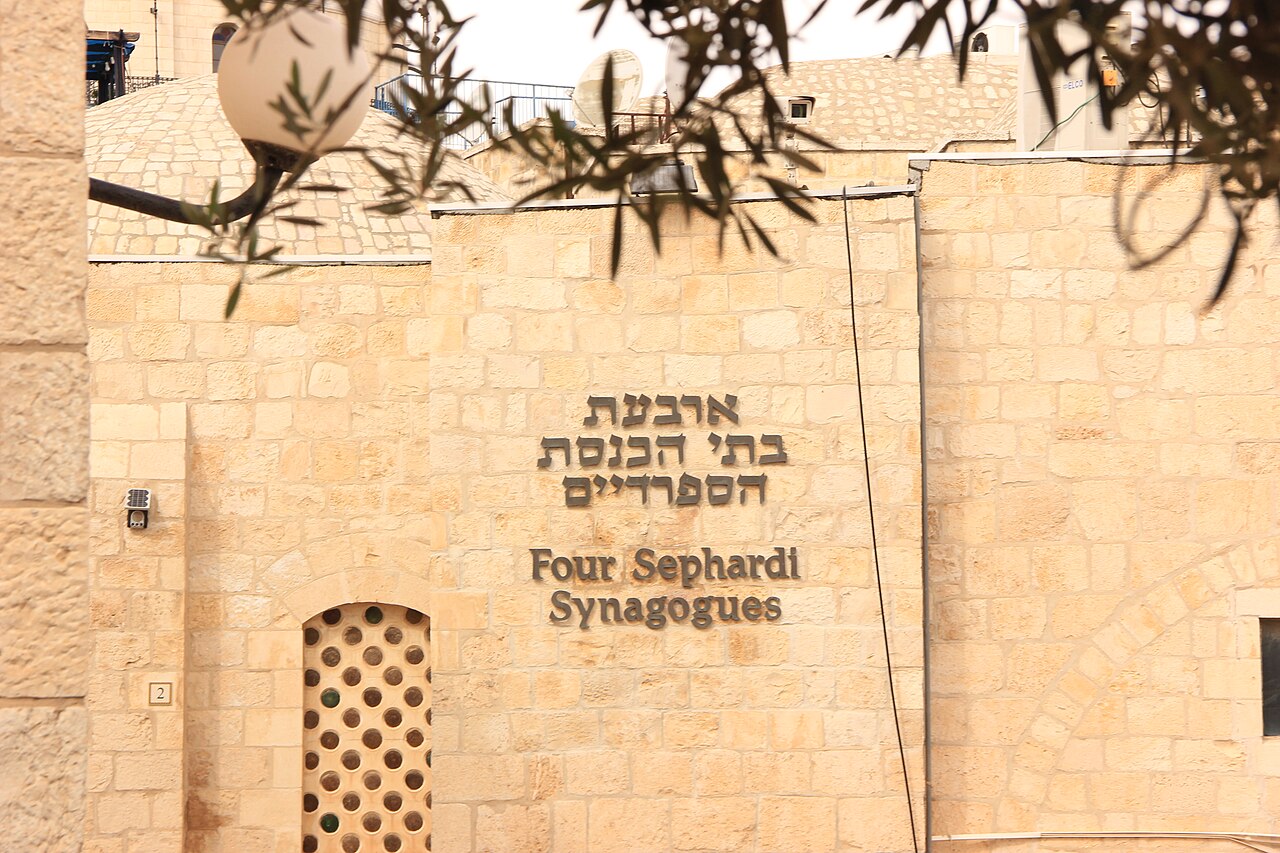
The Four Sephardic Synagogues constitute a historic synagogue complex in the Jewish Quarter of the Old City of Jerusalem. The site comprises four distinct congregations that merged over centuries: the Yochanan ben Zakai Synagogue, the Istanbuli Synagogue, the Eliahu Ha'navi Synagogue, and the Kahal Shalom Synagogue. These synagogues served Sephardic Jewish communities that arrived in Jerusalem following the expulsion from Spain in 1492 and subsequent migrations from Ottoman territories. The complex represents a significant center of Sephardic religious and cultural life in the city, with construction and renovation phases spanning from the sixteenth through twentieth centuries.
Checked 2026-08-26
The Yochanan ben Zakai Synagogue features a subterranean chamber traditionally associated with the study house of Rabbi Yochanan ben Zakai. The Istanbuli Synagogue, the largest of the four, contains ornate Torah arks and decorative elements reflecting Ottoman influences. The Eliahu Ha'navi Synagogue includes a chair traditionally reserved for the prophet Elijah. The Kahal Shalom Synagogue, the oldest, preserves architectural features from its original construction. The complex contains Torah scrolls, religious artifacts, and decorative elements including carved woodwork, plaster ornamentation, and textiles representing Sephardic artistic traditions. Underground passages connect portions of the complex.
Checked 2026-08-26

Visitors typically allocate between forty-five minutes and ninety minutes for exploring the Four Sephardic Synagogues complex. The duration depends on individual interest in architectural details, historical interpretation, and religious significance. The compact nature of the Old City Jewish Quarter allows this site to be combined with adjacent attractions including other historic synagogues, archaeological remains, and the broader quarter's narrow lanes and markets. Those with specialized interest in Jewish history, Sephardic heritage, or synagogue architecture may wish to extend their visit. Guided tours, when available, may adjust timing accordingly.
Checked 2026-08-26

Visitors should verify current opening schedules directly with site management or official tourism authorities before planning their visit. The synagogues remain active houses of worship, which affects accessibility during prayer times and religious observances. Friday evenings and Saturdays present particular considerations due to Sabbath restrictions in the Jewish Quarter. The Old City of Jerusalem experiences high visitor volumes during major Jewish holidays, Christian pilgrimage seasons including Easter and Christmas, and Islamic observances such as Ramadan. Morning hours may offer relatively quieter conditions for contemplative visits. Check the operator's own site for the travel date before relying on a schedule or fare.
Checked 2026-08-26
Visitors should verify current admission policies directly with site management before visiting. Some religious sites in the Old City of Jerusalem maintain free entry while others require modest fees for maintenance and preservation. Donation boxes may be present for voluntary contributions toward upkeep. Group arrangements may involve separate conditions. The complex operates within the broader Jewish Quarter, where multiple sites may be visited in sequence. Visitors should carry appropriate identification and be prepared for security screening procedures common throughout the Old City. Check the operator's own site for the travel date before relying on a schedule or fare.
Checked 2026-08-26

The Four Sephardic Synagogues occupy the Jewish Quarter within the walled Old City of Jerusalem. Access requires entering through one of the Old City gates, with the Jaffa Gate, Zion Gate, and Dung Gate serving as principal entry points depending on approach direction. The Jewish Quarter lies in the southeastern portion of the Old City. Public transportation serves the vicinity with stops near the Old City walls. Walking through the narrow, sometimes stepped lanes of the quarter is necessary to reach the specific location. Signage within the Jewish Quarter assists navigation. Private vehicles face severe access restrictions.
Checked 2026-08-26

The site functions as an active religious institution requiring appropriate dress and respectful conduct. Shoulders and knees should be covered. Photography restrictions may apply in certain areas. The underground and aged structures present uneven surfaces, steps, and low ceilings demanding physical caution. Security conditions in the Old City of Jerusalem fluctuate; visitors should remain aware of their surroundings and follow guidance from authorities. The Jewish Quarter's narrow lanes become congested during peak periods and religious observances. Sabbath restrictions affect services and access from Friday sunset to Saturday nightfall. Cash may be required for any donations or purchases.
Checked 2026-08-26

Photography policies at the Four Sephardic Synagogues are not formally documented in available sources. Visitors should observe posted signage and request guidance from on-site personnel before photographing. Many active synagogues restrict or prohibit photography during prayer services and in areas containing Torah scrolls. Flash photography may be restricted to protect sensitive materials. Respect for worshippers takes precedence over photographic opportunities. The compact interior spaces and low lighting conditions present technical challenges. Exterior photography in the surrounding Jewish Quarter lanes is generally permissible, though sensitivity to residents and religious practitioners remains essential throughout this densely inhabited historic district.
Checked 2026-08-26
The site generally permits visitors regardless of religious background, though all visitors must demonstrate respectful conduct and appropriate dress. Active prayer times may restrict access or require silence.
Guided tour availability is Not recorded pending review. Visitors should inquire with site management or the Jerusalem tourist information center for current options.
The historic structures contain stairs, uneven surfaces, and narrow passages that present significant challenges. Specific accessibility accommodations are Not recorded pending review.
Sabbath observance affects operations from Friday sunset to Saturday nightfall. Exact schedules are Not recorded pending review; visitors should verify directly before planning.
On-site restroom facilities are Not recorded pending review. Public facilities exist elsewhere in the Jewish Quarter, though visitors should plan accordingly.
Modest dress is required as at active religious sites throughout Jerusalem. Shoulders and knees should be covered; more restrictive standards may apply in certain areas.
Loading the interactive map…
The interactive map could not be loaded.

Last updated:
Source: OpenStreetMap contributors, Wikidata ·