


5 min walk
Jerusalem Nature Museum
- High · Heritage site
- Museum
Language · 11 published
Museum · Jerusalem
בית הנסן
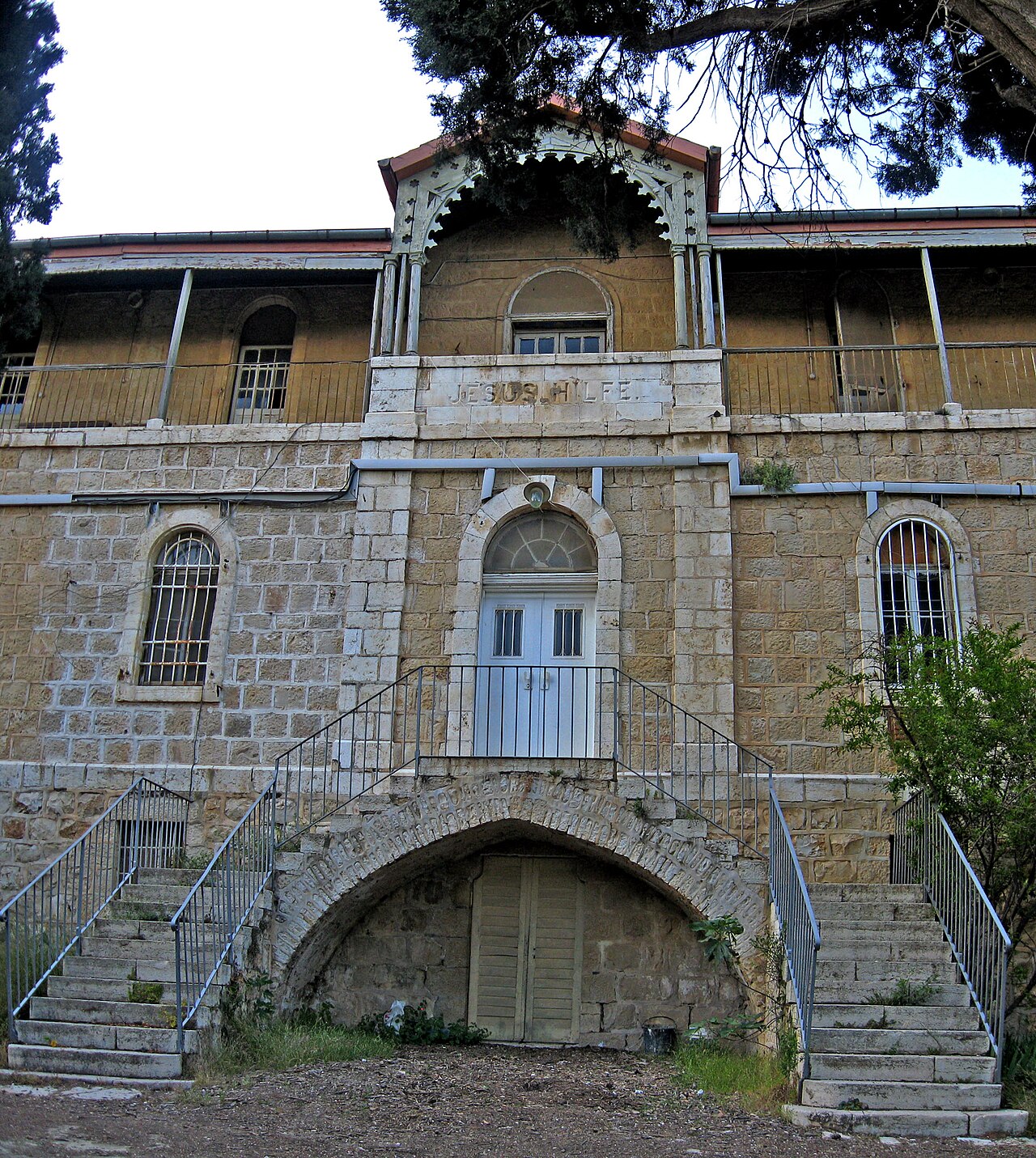
Hansen House is a historic compound in Jerusalem, originally established as a leper hospital in the late nineteenth century during Ottoman rule. The complex comprises stone buildings set within walled grounds, reflecting European medical institutional architecture adapted to local conditions. After serving its original purpose for decades, the site underwent transitions in function. Today it operates as a cultural centre hosting exhibitions, events, and creative activities. Its preservation represents an unusual chapter in Jerusalem's urban and medical history, marking attitudes toward isolation and care in a contested city.
Checked 2026-08-26
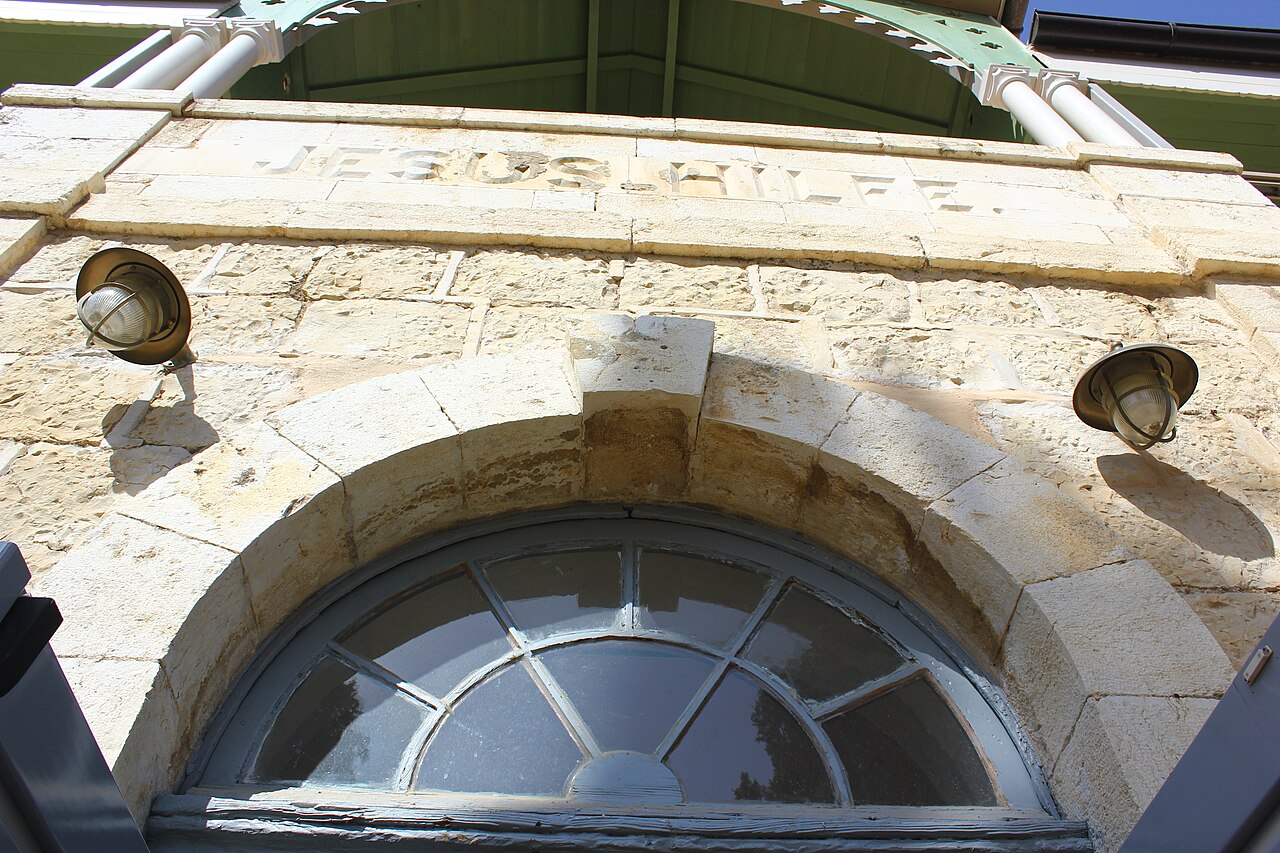
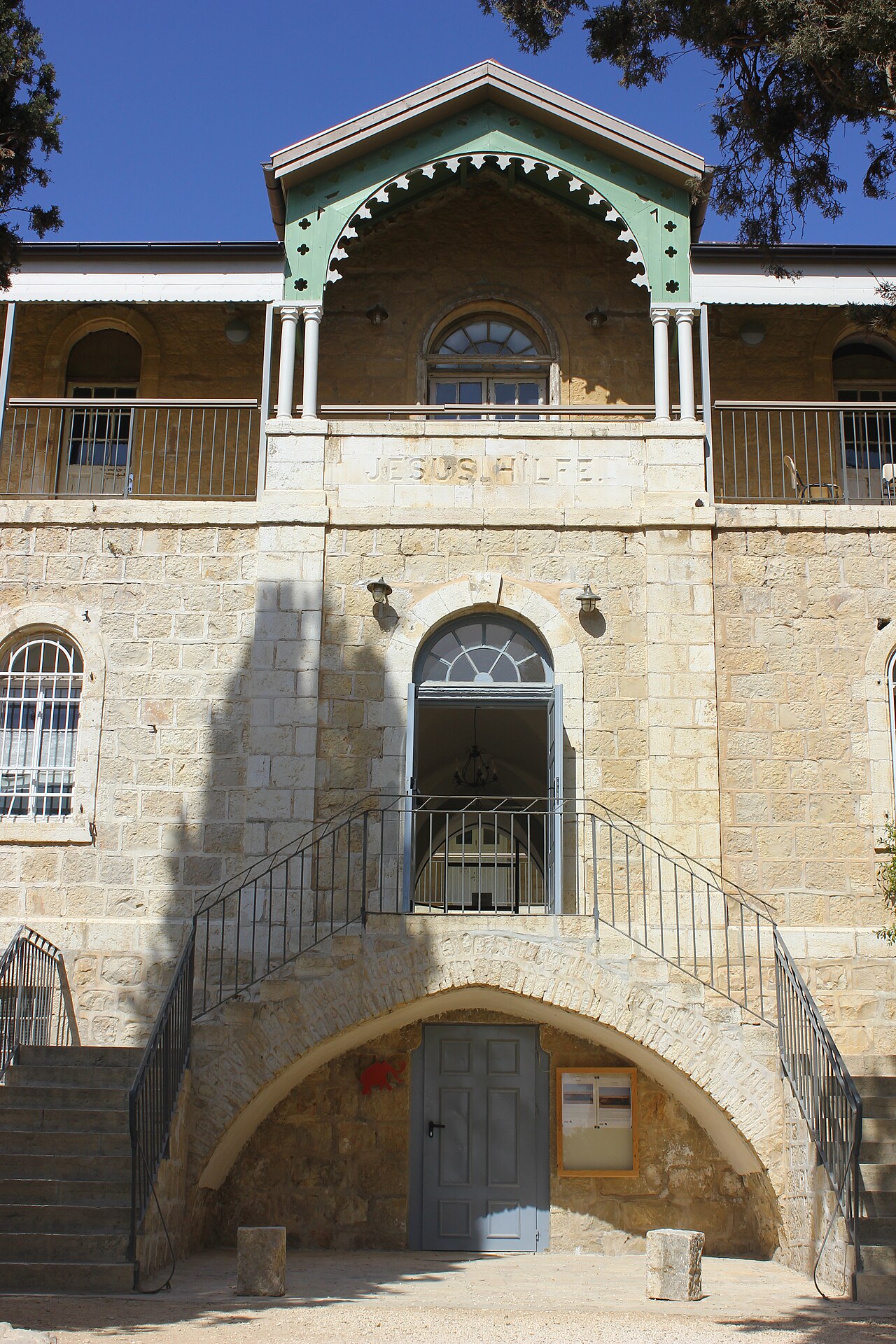
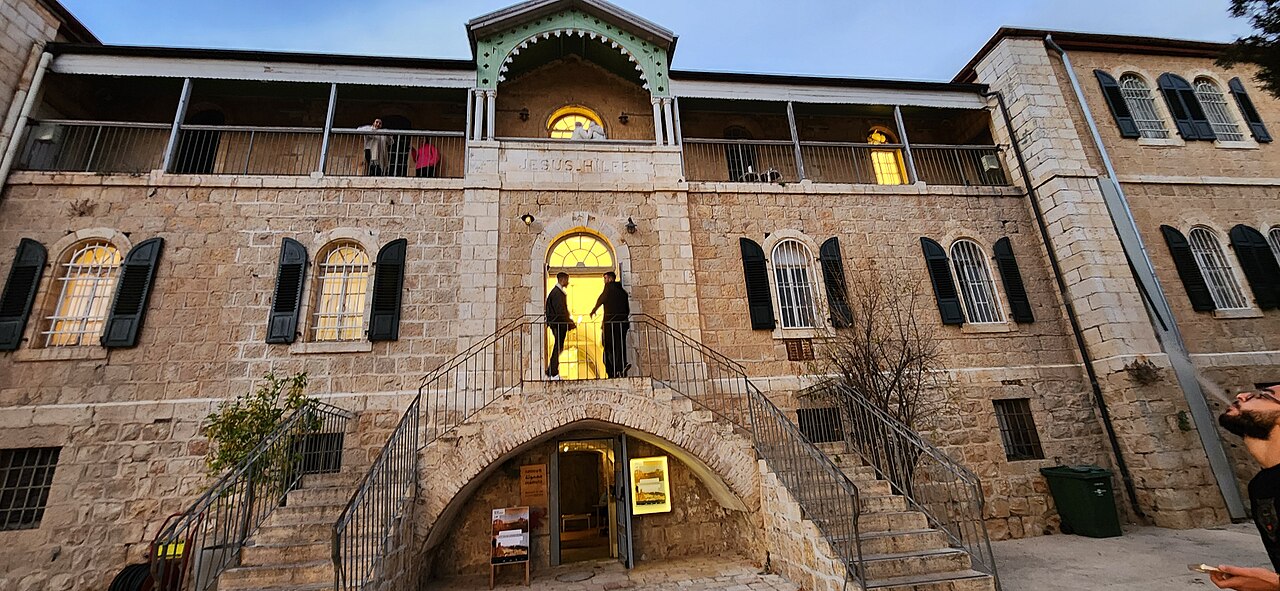
The compound contains multiple stone structures arranged around interior courtyards, including the main hospital building and auxiliary facilities. Architectural features include vaulted ceilings, arched windows, and thick masonry walls typical of the period. Interior spaces have been adapted for contemporary cultural use, with galleries, studios, and event halls. Some original structural elements remain visible, offering glimpses into the building's former medical function. The walled grounds provide enclosed outdoor space. Specific current installations, permanent collections, or interpretive displays are Not recorded pending review of operator-provided information.
Checked 2026-08-26
Visitor duration depends substantially on scheduled programming rather than fixed exhibits. For casual architectural exploration of the exterior and accessible interior spaces, approximately forty-five to ninety minutes suffices. Those attending specific exhibitions, performances, or events should allocate additional time accordingly. The compound's modest scale limits extensive unguided wandering. Visitors combining Hansen House with nearby attractions in the Talbiya or Greek Colony neighbourhoods might plan a half-day itinerary. No guided tour duration or standard visitor circuit details are Not recorded pending review from operational sources.
Checked 2026-08-26
Operator-confirmed hours are Not recorded pending review. Visitors should verify current opening times directly with management before planning their visit, as cultural centres in Jerusalem frequently operate on event-based schedules rather than consistent daily admission. The stone construction provides partial interior cooling during warmer months, though outdoor courtyard exposure remains significant. Jerusalem's summer heat and winter rainfall both affect comfort in unconditioned historic spaces. Evening events may occur, offering different atmospheric conditions. Seasonal programming variations likely influence optimal timing beyond weather considerations alone.
Checked 2026-08-26
Operator-confirmed prices are Not recorded pending review. Admission structures for cultural centres in Jerusalem vary considerably: some maintain free entry for grounds and basic access, while special exhibitions or events may require purchased tickets. Membership or resident rates sometimes apply. Visitors should consult official channels for current fee structures, reservation requirements, and any documentation needed for entry. Payment methods accepted, advance booking protocols, and cancellation policies remain unverified. Group rates, educational discounts, or combined passes with other municipal cultural institutions are not confirmed in available sources.
Checked 2026-08-26

Hansen House occupies a position in central Jerusalem, within reasonable walking distance of the city centre and accessible from multiple directions. Public bus routes serve surrounding streets, though specific line numbers and frequencies are Not recorded pending review. The nearest light rail station requires additional walking. Private vehicle access involves navigating Jerusalem's traffic-restricted zones and limited parking availability characteristic of the area. Taxi and ride-share services operate in the vicinity. Pedestrian approaches from adjacent neighbourhoods involve moderate inclines typical of Jerusalem's topography. Signage from major landmarks is not described in available sources.
Checked 2026-08-26

Historic stone surfaces may present uneven footing, particularly in courtyards and transitional spaces; appropriate footwear is prudent. The compound's adaptive reuse means some areas may be closed for private events or preparation without advance public notice. Limited accessibility features are typical of nineteenth-century structures; visitors requiring accommodations should confirm provisions directly. Jerusalem's general security situation warrants awareness of surroundings and adherence to local guidance. The walled enclosure creates discrete spaces where visitors may become isolated from street visibility. No specific hazard reports are documented, but standard urban precautions apply in this active cultural venue.
Checked 2026-08-26
Photography policies for cultural venues in Jerusalem vary by institution and current programming. Exterior architectural photography from public vantage points generally encounters no restrictions. Interior photography may be prohibited, permitted, or conditionally allowed depending on exhibition content and artist rights. Flash and tripod use typically faces greater restriction. Commercial or professional photography usually requires advance arrangement. Visitors should observe posted signage and staff direction regarding current rules. Drone operation is subject to Israeli aviation regulations and generally restricted in urban areas without specific authorization. Specific Hansen House policies are Not recorded pending review.
Checked 2026-08-26
No. The facility ceased operating as a medical institution decades ago and now functions as a cultural centre.
Tour availability is Not recorded pending review of current operator offerings.
Accessibility provisions in this nineteenth-century structure should be confirmed directly with management before visiting.
General visitation policies are Not recorded pending review; contact the venue to confirm whether casual access is permitted.
The hospital was established in the late nineteenth century, though exact construction dates are Not recorded pending review.
Catering or café facilities are Not recorded pending review of current operator services.
Loading the interactive map…
The interactive map could not be loaded.
Last updated:
Source: OpenStreetMap contributors, Wikidata ·