Deutsches Museum
The Deutsches Museum stands on an island in the Isar in central Munich, at Museumsinsel 1, and is a museum of science and technology rather than of art or of city history.
- Must see
- Museum
Language · 1 published
City guide · Germany
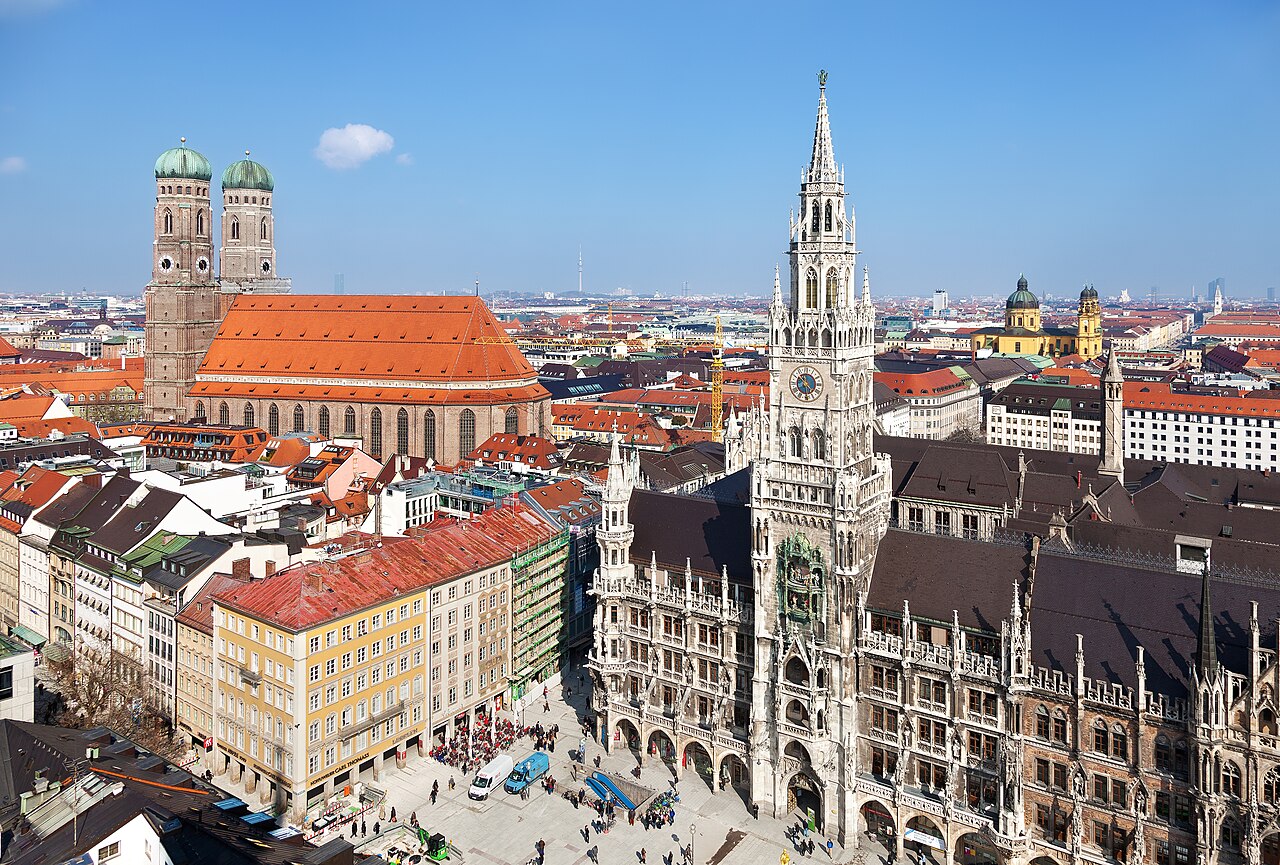
Munich's visitor core is centred on Marienplatz and the Altstadt, with the Residenz, major churches and markets within walking distance. The museum quarter lies northwest, the English Garden stretches north, and the main station stands west of the old centre. Nymphenburg Palace, Olympiapark and BMW Welt form separate outer clusters that are best reached by public transport.
Ranked by importance — sitelinks, pageviews and heritage status, not editor preference.
83 places match
Category
Typical visit duration
Interests
The Deutsches Museum stands on an island in the Isar in central Munich, at Museumsinsel 1, and is a museum of science and technology rather than of art or of city history.
BMW Welt is a major visitor destination in Munich associated with the Bavarian automaker. The facility serves as a delivery center, exhibition space, and brand experience venue.
The Alte Pinakothek is Munich's gallery of Old Master painting, covering the fourteenth to the eighteenth century, and it is one of the oldest purpose-built picture galleries anywhere.
The BMW Museum is a corporate museum dedicated to the history and heritage of Bayerische Motoren Werke AG, the Munich-based automobile and motorcycle manufacturer.
The Pinakothek der Moderne is a major museum of modern and contemporary art in Munich, Germany. It forms part of the city's museum quarter, located in the Maxvorstadt district near the other Pinakothek museums.
The Neue Pinakothek is an art museum in Munich, Germany. It forms part of the city's museum quarter alongside the Alte Pinakothek and Pinakothek der Moderne.
The Bavarian National Museum, known locally as Bayerisches Nationalmuseum, stands as one of Munich's principal cultural institutions. Located on the Prinzregentenstraße, this museum occupies a substantial purpose-built structure designed in historicist style.
Munich City Museum, known locally as Münchner Stadtmuseum, stands as a cultural institution dedicated to preserving and presenting the history of Munich.
Museum Brandhorst is a contemporary art museum in Munich's Maxvorstadt district. It opened in 2009 and houses the collection of Udo and Anette Brandhorst, featuring works from the late twentieth and early twenty-first centuries.
The State Museum of Egyptian Art, known locally as Staatliches Museum Ägyptischer Kunst, is a museum in Munich dedicated to ancient Egyptian art and culture.
The Five Continents Museum, known locally as Museum Fünf Kontinente, is an ethnographic museum in Munich. It houses extensive collections representing cultures from Africa, the Americas, Asia, Oceania, and parts of Europe.
The Jewish Museum Munich, known locally as Jüdisches Museum, is a cultural institution in Munich dedicated to Jewish history, art, and culture in the city.
Haus der Kunst is a prominent art museum in Munich, Germany. The building was originally constructed in the 1930s and has served various cultural functions over its history.
Lenbachhaus is an art museum in Munich, Germany. It occupies the former Italianate villa of the painter Franz von Lenbach, which was expanded with modern additions.
The Glyptothek occupies the north side of Königsplatz and is Munich's oldest public museum; its operator describes it as the only museum in the world devoted exclusively to ancient sculpture.
The Beer and Oktoberfest Museum occupies a historic townhouse in Munich's old town, housed in one of the city's oldest preserved residential buildings dating from the 14th century.
Villa Stuck is a historic villa in Munich, Germany, originally built as the residence and studio of the painter Franz von Stuck.
The Alpine Museum in Munich is a museum dedicated to the history, culture, and exploration of the Alpine region. It serves as a repository for mountaineering heritage, preserving artifacts and narratives related to the Alps across multiple countries.
Das Kartoffelmuseum, locally known as Pfanni Museum, is a museum in Munich dedicated to the potato and its cultural significance. The institution explores the history, agricultural importance, and culinary versatility of this staple crop.
The Deutsches Museum Flugwerft Schleißheim is an aviation museum located in the northern outskirts of Munich, near the town of Oberschleißheim. It operates as a branch of the larger Deutsches Museum network.
The Geologisches Museum München is a geological museum located in Munich, Germany. It is dedicated to the study and display of geological specimens, including minerals, rocks, and fossils.
The Haidhausen Museum is a local history museum situated in Munich's Haidhausen district. It occupies a building in this former working-class neighbourhood that underwent significant transformation from industrial quarters to a desirable residential area.
The Kinder- und Jugendmuseum München, locally known as Kindermuseum München, is a children's and youth museum in Munich. It is designated as a ranked visitor place retained from the city fact pack and matched exactly to the production city pool.
The Marstallmuseum Nymphenburg is a museum of court carriages and sleighs located within the grounds of Nymphenburg Palace in Munich. It occupies the former royal stables building.
The Museum für Abgüsse Klassischer Bildwerke is a Munich museum dedicated to plaster casts of classical sculptures. It houses reproductions of ancient Greek and Roman masterpieces, allowing visitors to study iconic works without travelling to multiple countries.
Museum Mineralogia München is a mineralogical museum located in Munich, Germany. It is part of the city's cultural and scientific heritage, dedicated to the display and study of minerals, rocks, and related geological specimens.
The Museum Mensch und Natur is a natural history museum situated within the Nymphenburg Palace complex in Munich. It explores the relationship between humans and the natural world through scientific exhibits.
MUCA, the Museum of Urban and Contemporary Art, is a Munich institution dedicated to street art and contemporary artistic practice. Located in the city centre, it occupies a distinctive space that bridges underground urban culture with established museum presentation.
The MVG Museum is a transport museum in Munich dedicated to the history of public transit in the city.
The Nymphenburg Porcelain Museum is a specialist museum located within the grounds of Nymphenburg Palace in Munich.
The Otto-König-von-Griechenland-Museum is a Munich museum dedicated to Otto, the Bavarian prince who became the first modern King of Greece in 1832.
The Palaeontological Museum Munich is a natural history museum dedicated to fossils and ancient life forms. It operates as part of the Bavarian State Collection for Palaeontology and Geology.
The Residence Museum and Treasury is a palace museum complex in central Munich. It occupies part of the former royal palace of the Wittelsbach dynasty, who ruled Bavaria for centuries.
Schlossmuseum Ismaning is a castle museum located in the town of Ismaning, which lies to the northeast of central Munich within the Munich metropolitan area.
ZEIT+RAUM Museum is a cultural institution in Munich dedicated to exploring themes of time and space through artistic and historical perspectives. The museum occupies a distinctive architectural setting within the city, contributing to Munich's diverse museum landscape.
The Deutsches Jagd- und Fischereimuseum is a hunting and fishing museum located in Munich. It occupies a former Augustinian church in the city centre, near the pedestrian zone.
The Deutsches Museum Verkehrszentrum is a branch of the Deutsches Museum dedicated to transportation history. Located in Munich, it occupies historic exhibition halls at Theresienhöhe.
The Deutsches Skimuseum is a museum in Munich dedicated to the history and culture of skiing. It preserves and presents equipment, artifacts, and documentation relating to the development of skiing as a sport and recreational activity.
The Deutsches Theatermuseum is a museum in Munich dedicated to the history of theatre. It houses collections related to theatrical performance, including costumes, set designs, and other stage-related materials.
The Erwin von Kreibig Museum is a cultural institution in Munich dedicated to the life and artistic legacy of Erwin von Kreibig, a notable figure in the region's cultural history.
Heimatmuseum Karlsfeld is a local history museum situated in the Karlsfeld district northwest of central Munich. The museum occupies a purpose-built or adapted structure serving as a repository for regional heritage.
The Kallmann-Museum is a museum located in Munich, Germany. It appears in the city's official tourism listings among Munich sights, indicating recognition as a cultural institution of visitor interest.
Museum Peter Gehring is a museum located in Munich, Germany. It appears in the city's tourism inventory as a recognized visitor destination. The museum is named after Peter Gehring, presumably a figure of local cultural or historical significance.
Spielzeugmuseum is a toy museum located in Munich, Germany. It is housed within the Old Town Hall building at Marienplatz, placing it at the historic heart of the city.
The Sudetendeutsches Museum is a cultural institution in Munich dedicated to preserving and presenting the history, heritage, and cultural contributions of the Sudeten Germans.
The Bavarian State Archaeological Collection, known locally as Archäologische Staatssammlung, is a museum institution in Munich. It serves as a central archaeological repository for Bavaria, preserving and presenting material culture from prehistoric periods through early historical eras.
The Schack Collection, known locally as Sammlung Schack, is an art museum in Munich. It ranks as a notable visitor destination within the city's cultural offerings.
The Staatliche Graphische Sammlung München is a major art museum in Munich dedicated to graphic arts. It ranks among Germany's most significant collections of drawings and prints.
The Staatliche Münzsammlung München is a state numismatic collection housed in Munich. It ranks among the most significant coin collections globally, preserving currency and monetary artifacts across extensive historical periods.
The New Collection, known locally as Die neue Sammlung, is a design museum located in Munich. It holds significance as one of the world's leading institutions dedicated to design and applied arts.
The Valentin-Volkssänger-Musäum, locally known as the Valentin-Karlstadt-Musäum, is a museum in Munich dedicated to the Bavarian comedian and folk singer Karl Valentin and his collaborator Liesl Karlstadt.
The DenkStätte Weiße Rose is a memorial and exhibition space in Munich dedicated to the White Rose resistance group. During the Nazi era, this student movement distributed leaflets calling for opposition to the regime.
Feringer Sach is a visitor place in Munich, Germany. It appears in the city's official tourism inventory as a ranked attraction, matched exactly from the city fact pack to the production pool of Munich destinations.
Kunstbau is an exhibition space in Munich dedicated to contemporary art. The venue occupies a distinctive above-ground structure that serves as a platform for modern artistic expression.
Source: OpenStreetMap contributors, Wikidata ·
Use Marienplatz as the centre of the Altstadt. The Residenz and Odeonsplatz sit north, Viktualienmarkt lies south, and the main station is west along the central shopping axis. The Kunstareal museum district is northwest of the old town, while the English Garden runs north from the centre. Nymphenburg, Olympiapark and the BMW complex require dedicated trips beyond the compact core.
Checked 2026-08-26
Walk inside the Altstadt and use the integrated U-Bahn, S-Bahn, tram and bus network for outer districts. Munich's official city portal describes these four modes as the public transport system, with S-Bahn connections to the airport and regional network. Tickets depend on the relevant fare zones, so confirm the destination and validity area before travel rather than relying on distance alone.
Checked 2026-08-26
A fixed duration is not recorded. Plan the Altstadt first, then add the museum quarter, English Garden and one or more outer clusters according to interest.
Yes. Marienplatz, the Residenz, Viktualienmarkt and the principal old-town churches form a compact walking area. Public transport is more efficient for Nymphenburg and Olympiapark.
Munich's integrated system includes U-Bahn, S-Bahn, trams and buses. The same network structure connects the centre with outer districts and airport S-Bahn services.
The city's official transport guide identifies S-Bahn lines S1 and S8 as airport connections. Check the required fare zones before buying or activating a ticket.
Nymphenburg Palace, Olympiapark and the BMW complex lie beyond the compact Altstadt. Group each outer area rather than returning to the centre between nearby stops.
Set your days, your pace and the hours you actually want to be out. The planner works around closing days and travel time, and leaves room to eat.