_Regi51.JPG)


.jpg)

8 min walk
Maximilianeum
- Must see · Heritage site
- Historic monument
Language · 1 published
Museum · Munich
| Monday | Closed |
|---|---|
| Tuesday | 11:00 – 18:00 |
| Wednesday | 11:00 – 18:00 |
| Thursday | 11:00 – 18:00 |
| Friday | 11:00 – 18:00 |
| Saturday | 11:00 – 18:00 |
| Sunday | 11:00 – 18:00 |
Parsed from OpenStreetMap opening hours on 2026-08-26.
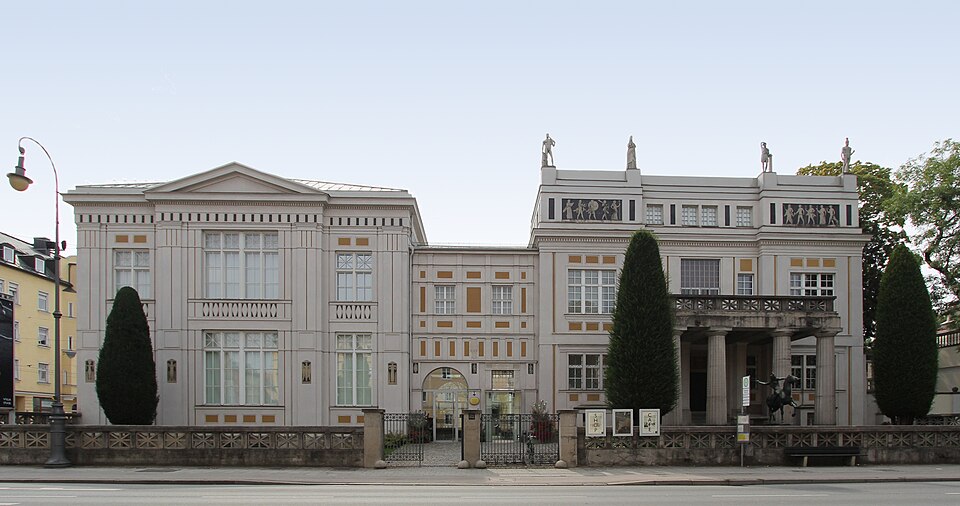
Villa Stuck is a historic villa in Munich, Germany, originally built as the residence and studio of the painter Franz von Stuck. The building exemplifies late 19th-century artistic architecture and now functions as a public museum dedicated to the artist's work and period. It stands as a significant cultural monument within Munich's museum landscape, representing the Jugendstil and Symbolist movements that shaped European art at the turn of the twentieth century. The villa preserves both its original decorative interiors and its function as an exhibition space.
Checked 2026-08-26
The museum contains the preserved living and working spaces of Franz von Stuck, including his atelier and reception rooms with their original furnishings and decorative schemes. Collections encompass paintings, sculptures, and graphic works by the artist alongside period furniture and applied arts. The building's interior features elaborate stuccowork, ceiling paintings, and integrated artworks that demonstrate the Gesamtkunstwerk concept. Temporary exhibitions expand upon themes related to Symbolism, Art Nouveau, and early modernism. The garden area contributes to the overall artistic environment that Stuck himself designed.
Checked 2026-08-26
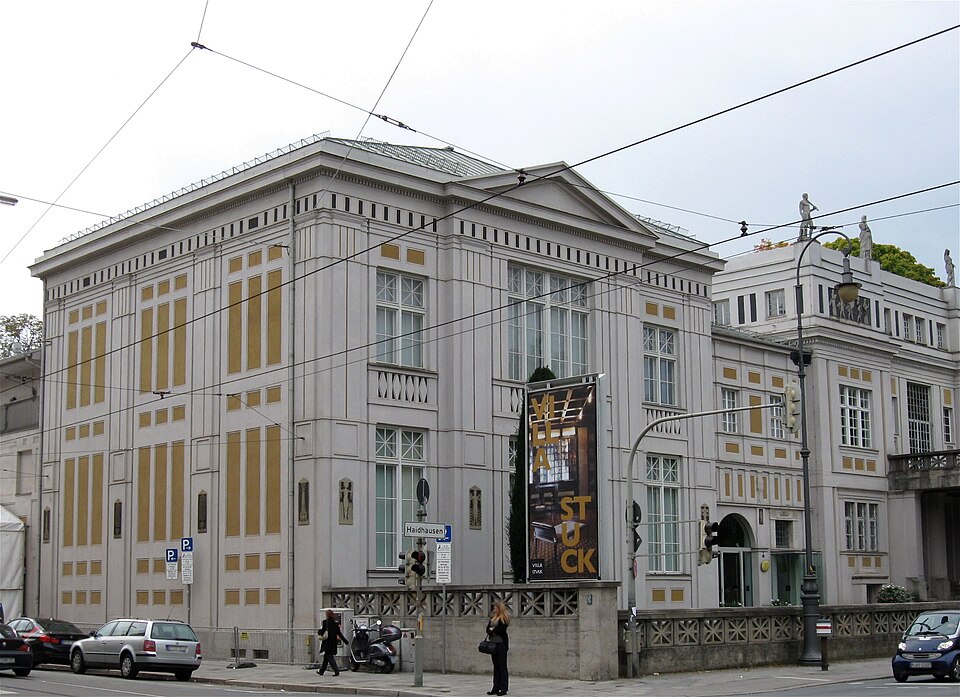
Visitors typically allocate between one and two hours for a complete experience of Villa Stuck. This duration accommodates thorough examination of the permanent displays in the historic rooms, including the detailed decorative surfaces and integrated artworks that reward close attention. Those with particular interest in Symbolist art, Jugendstil architecture, or the Munich Secession movement may prefer extended visits. Temporary exhibitions may add substantial time to a standard visit. The compact scale of the villa relative to major national museums permits meaningful engagement without requiring an entire day.
Checked 2026-08-26

Operator-confirmed opening hours are Not recorded pending review. Visitors should consult the official Villa Stuck website or contact the museum directly before planning attendance. Seasonal considerations for Munich include the possibility of larger tourist volumes during summer months and major festival periods such as Oktoberfest, when accommodation and transport throughout the city become more heavily utilized. Winter visits may offer reduced crowding at cultural institutions. The interior spaces are climate-controlled for collection preservation, making weather less relevant to the quality of the museum experience itself.
Checked 2026-08-26
Operator-confirmed admission prices are Not recorded pending review. Prospective visitors must verify current entry fees through official channels before arrival. Standard museum practices in Munich suggest that reduced rates may apply for students, seniors, and other eligible categories, though specific policies at Villa Stuck require direct confirmation. Combination tickets with other municipal museums sometimes exist in Munich's cultural infrastructure. Free entry periods, common at some German public museums on specific days or evenings, should not be assumed applicable without verification from authoritative sources. Villa Stuck also earns time in a munich itinerary because A ranked visitor place retained from the city fact pack and matched exactly to the production city pool. Its value becomes clearer when the stop is compared with the surrounding streets and the other ranked places nearby.
Checked 2026-08-26
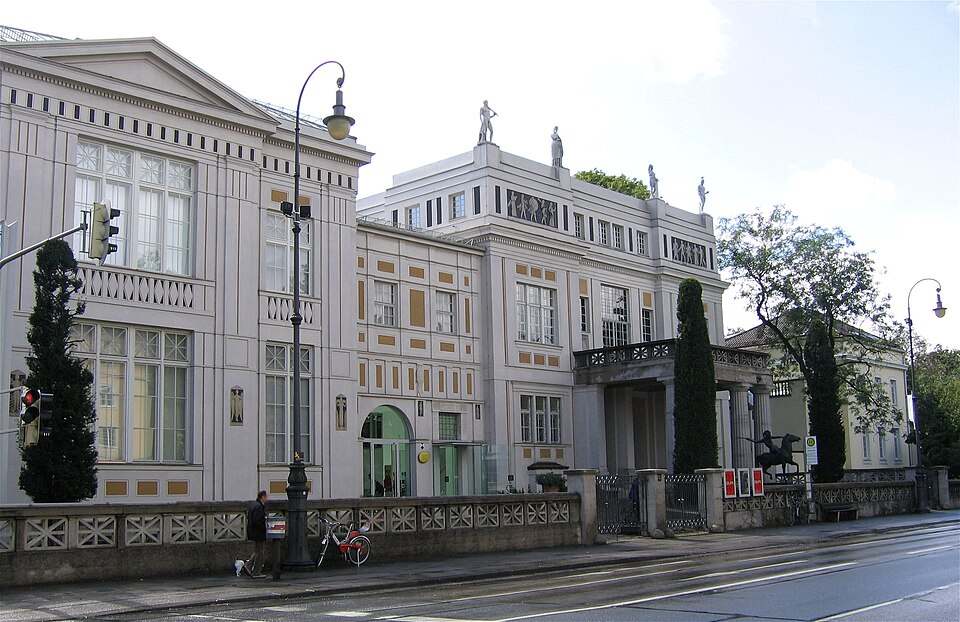
Villa Stuck occupies a location in Munich's Bogenhausen district, east of the historic city center. Public transport access is available through Munich's U-Bahn and bus network, with the nearest stations requiring walking through residential streets. The museum's specific address and optimal transit routing should be confirmed through current journey planners. Cycling represents a viable option given Munich's developed bicycle infrastructure. Driving presents parking challenges characteristic of central Munich neighborhoods. Visitors unfamiliar with the district should allow additional navigation time and consult updated maps rather than relying on general descriptions.
Checked 2026-08-26

The historic interiors contain original furnishings and decorative surfaces vulnerable to visitor impact; touching artworks and period fixtures is prohibited. Photography policies may restrict certain areas or require special permissions. The building's preservation status means some original features show age-appropriate wear that constitutes historical evidence rather than deficiency. Accessibility limitations may affect visitors with mobility requirements given the villa's construction date and protected status. Temporary exhibition closures for installation or maintenance can occur with limited advance notice. Visitors should verify current operational status before traveling specifically for temporary displays.
Checked 2026-08-26
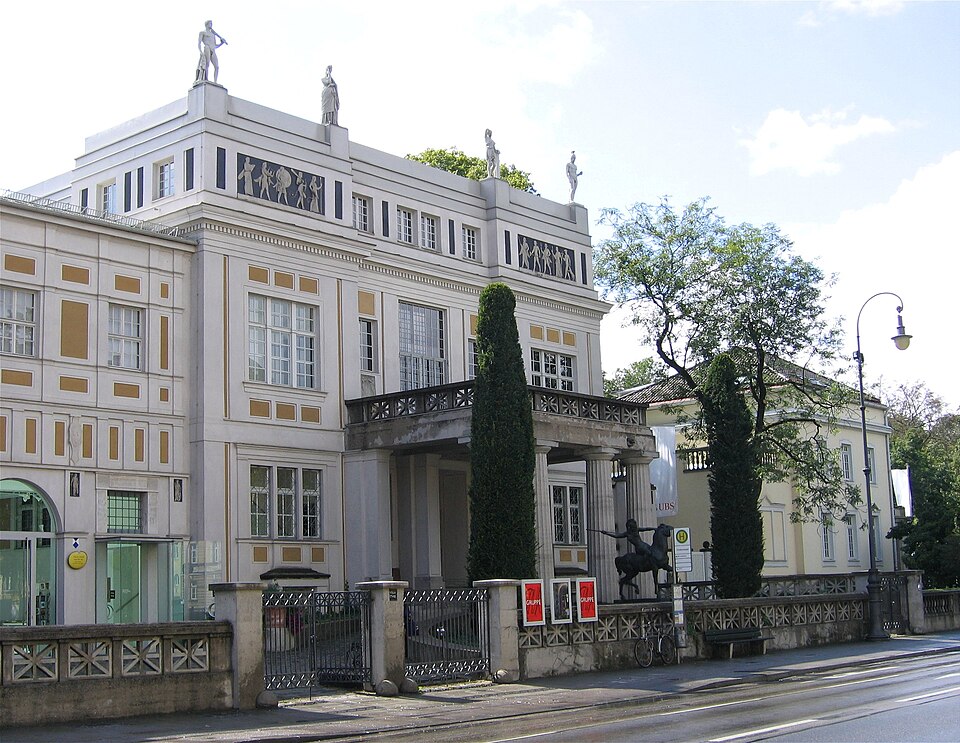
Photography regulations at Villa Stuck are not specified in available source material and require direct confirmation from museum staff or signage upon arrival. German museums frequently prohibit flash photography to protect light-sensitive materials, with additional restrictions on tripods, selfie sticks, and commercial use. The richly decorated interiors present challenging lighting conditions for amateur photography due to controlled illumination levels for conservation. Visitors prioritizing photography should inquire explicitly about permissions and technical constraints. Respect for other visitors and the historic environment should govern all image-making behavior regardless of formal policy.
Checked 2026-08-26
The museum focuses on Symbolist art and historic interiors, which may not engage young children. Families should consider children's interests in art history before visiting.
Tour availability is not recorded in supplied sources. Visitors should contact Villa Stuck directly or check the official website for current educational programming.
On-site dining facilities are not mentioned in available information. The Bogenhausen district contains various eating establishments within walking distance.
A focused one-hour visit covers main highlights, though enthusiasts prefer longer. The compact building scale permits efficient circulation even with limited time.
Visitor amenities including storage facilities are not specified in available sources. Large bags may present security concerns typical of museums.
Historic villa construction may present accessibility challenges. Visitors with mobility requirements should contact the museum directly to confirm current access provisions.
Loading the interactive map…
The interactive map could not be loaded.
Last updated:
Source: OpenStreetMap contributors, Wikidata ·