


2 min walk
Bavarian National Museum
- Must see
- Museum
Language · 1 published
Museum · Munich
Archäologische Staatssammlung

| Monday | Closed |
|---|---|
| Tuesday | 10:00 – 17:00 |
| Wednesday | 10:00 – 17:00 |
| Thursday | 10:00 – 19:00 |
| Friday | 10:00 – 17:00 |
| Saturday | 10:00 – 17:00 |
| Sunday | 10:00 – 19:00 |
Parsed from OpenStreetMap opening hours on 2026-08-26.
The Bavarian State Archaeological Collection, known locally as Archäologische Staatssammlung, is a museum institution in Munich. It serves as a central archaeological repository for Bavaria, preserving and presenting material culture from prehistoric periods through early historical eras. The collection holds significance within Germany's museum landscape as a state-run facility dedicated to archaeological research and public education. Its institutional role connects to broader European archaeological heritage preservation efforts. Bavarian State Archaeological Collection also earns time in a munich itinerary because A ranked visitor place retained from the city fact pack and matched exactly to the production city pool. Its value becomes clearer when the stop is compared with the surrounding streets and the other ranked places nearby.
Checked 2026-08-26
The collection encompasses archaeological finds from Bavarian territory spanning multiple chronological periods. Exhibits typically include prehistoric artefacts, Roman provincial materials, and early medieval objects. The holdings reflect settlement patterns, technological development, and cultural practices across millennia of human activity in the region. Specific display contents and current exhibition configurations are Not recorded pending review. Visitors should consult official channels for current gallery presentations and any temporary or rotating displays that may supplement permanent holdings. A flexible visit lets travellers connect Bavarian State Archaeological Collection with the rest of the day without treating one room, viewpoint or photograph as the whole experience. The useful pace depends on personal interest and conditions on arrival.
Checked 2026-08-26

Visitor duration varies considerably based on individual engagement with archaeological materials. A thorough examination of comprehensive collections typically requires several hours, while focused visits to specific periods or temporary exhibitions may conclude more quickly. The depth of interpretive material, density of display cases, and personal reading pace influence timing substantially. Visitors with strong interest in European prehistory or Roman provincial archaeology should allocate generous time. Those combining this with other Munich museum visits may plan accordingly based on their thematic priorities and available schedule.
Checked 2026-08-26
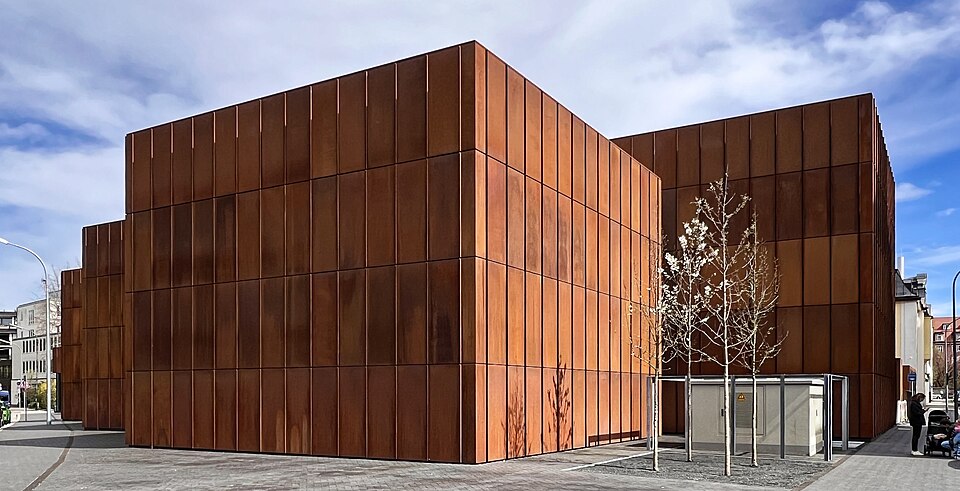
Operator-confirmed hours are Not recorded pending review. Visitors must verify current opening schedules directly with the institution before planning their visit. Seasonal considerations for Munich include heavier tourist presence during summer months and traditional holiday periods. Winter visits may offer reduced crowding at archaeological institutions. Local events, academic calendars, and Bavarian public holidays potentially affect accessibility. Advance confirmation remains essential regardless of season, as museum schedules may change without extensive external notification. Morning arrivals typically provide calmer conditions at cultural institutions generally.
Checked 2026-08-26
Operator-confirmed prices are Not recorded pending review. Admission structures for German state museums commonly include standard adult rates with reductions for eligible categories such as students, seniors, or registered groups. Some archaeological collections participate in broader museum pass schemes or combined ticketing arrangements. Free entry periods may occur on specific days or for particular visitor demographics under regional cultural policies. Visitors must verify current fee structures, payment methods, and any reservation requirements directly with the institution prior to arrival to avoid inconvenience.
Checked 2026-08-26

The museum occupies a location within Munich's urban fabric. Public transportation access is typical for major Bavarian state institutions, with integration into the city's U-Bahn, S-Bahn, tram, or bus networks probable. Munich's efficient transit infrastructure generally supports museum visitation. Cyclists benefit from the city's developed bike path network. Walking from central accommodation districts may be feasible depending on specific location. Visitors should consult municipal transit planners or the institution's official directions for precise routing, as street configurations and construction activities may alter optimal approaches without warning.
Checked 2026-08-26

Archaeological collections require appropriate visitor conduct including controlled movement around fragile displayed materials and adherence to any bag size restrictions or coat check requirements. Climate-controlled environments may feel cooler than external conditions. Audio guide or label availability in non-German languages is not confirmed herein. Photography policies vary significantly between German museums; explicit permission should be obtained rather than assumed. Accessibility provisions for mobility, vision, or hearing requirements should be verified in advance. Temporary exhibition closures for rotation or maintenance may affect anticipated content.
Checked 2026-08-26
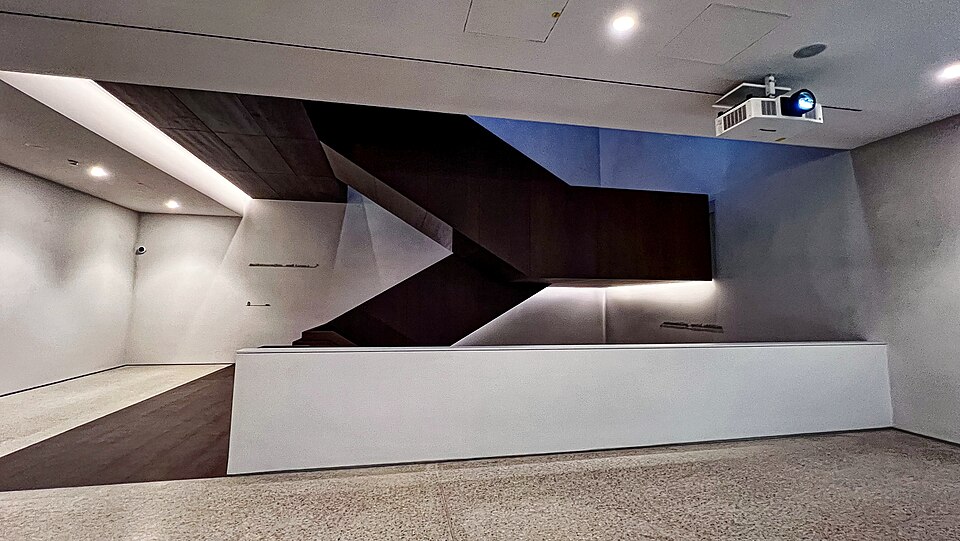
Photography policies at German state museums are institutionally specific and frequently restrictive regarding flash use, tripod deployment, and filming for commercial purposes. Many archaeological collections prohibit photography entirely in certain galleries to protect sensitive materials or reproduction rights. Visitors must observe posted signage and staff instructions without exception. When permitted, non-flash photography for personal use may be acceptable. Social media sharing of permitted images should respect any attribution requirements. Drone usage would be inappropriate in this urban museum context and is not addressed further.
Checked 2026-08-26
Archaeological collections can engage children with visual objects, though interpretive depth varies. Parental preparation and pacing improve family visits. Specific children's programming is Not recorded.
German state museums commonly offer guided programming, but current tour schedules, languages, and booking procedures are Not recorded pending review. Direct institutional inquiry is necessary.
Museum catering facilities vary widely. On-site dining availability at this specific institution is Not recorded. Nearby Munich districts typically offer alternatives.
German museums frequently provide cloakroom facilities, sometimes mandatory for large bags. Specific provisions here are Not recorded. Visitors should travel light when possible.
Multilingual provision varies at German state institutions. English label availability is Not recorded. Audio guides or printed translations may supplement fixed text.
Munich maintains numerous specialised museums. This archaeological collection complements art, ethnographic, and historical institutions through material culture focus. Combined ticketing is Not recorded.
Loading the interactive map…
The interactive map could not be loaded.
Last updated:
Source: OpenStreetMap contributors, Wikidata ·