
.jpg)


1 min walk
Lenbachhaus
- Must see · Heritage site
- Museum
Language · 1 published
Museum · Munich
Paläontologisches Museum
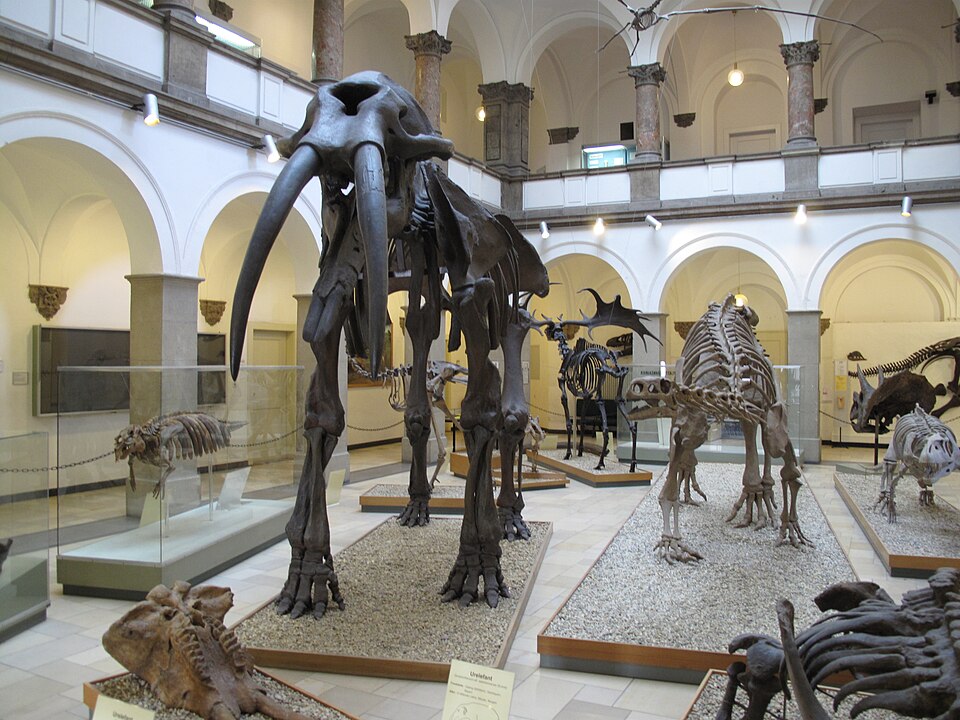
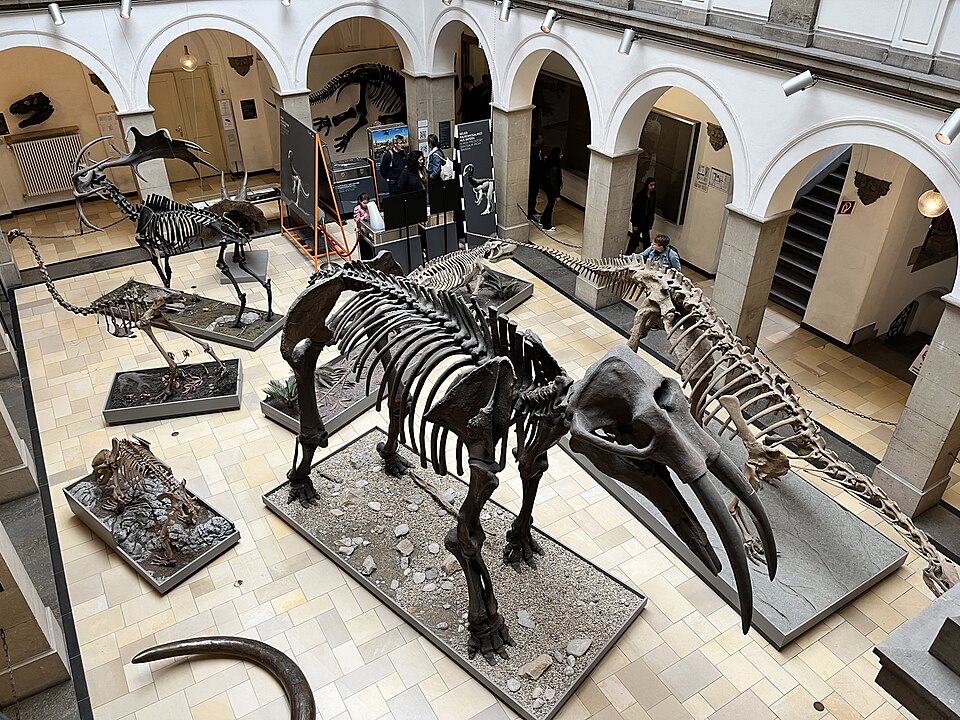
The Palaeontological Museum Munich is a natural history museum dedicated to fossils and ancient life forms. It operates as part of the Bavarian State Collection for Palaeontology and Geology. The institution serves scientific research and public education, displaying specimens that document prehistoric biodiversity. Housed in historic premises, it represents one of Munich's specialized museum offerings alongside larger institutions. The museum contributes to the city's cultural landscape through its focus on deep time and evolutionary history rather than conventional art or general history exhibitions.
Checked 2026-08-26
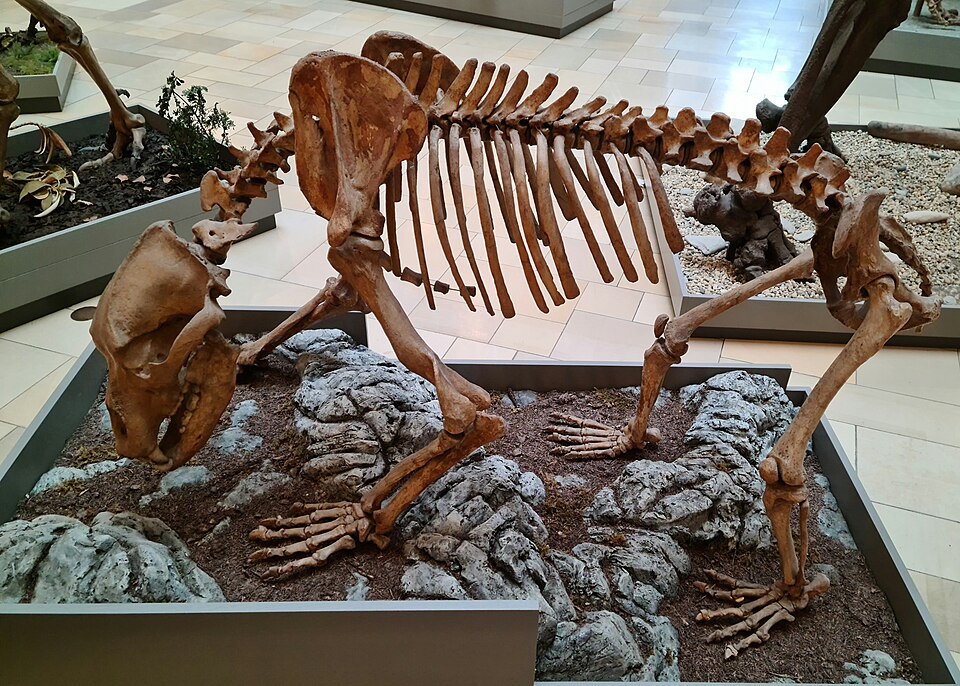
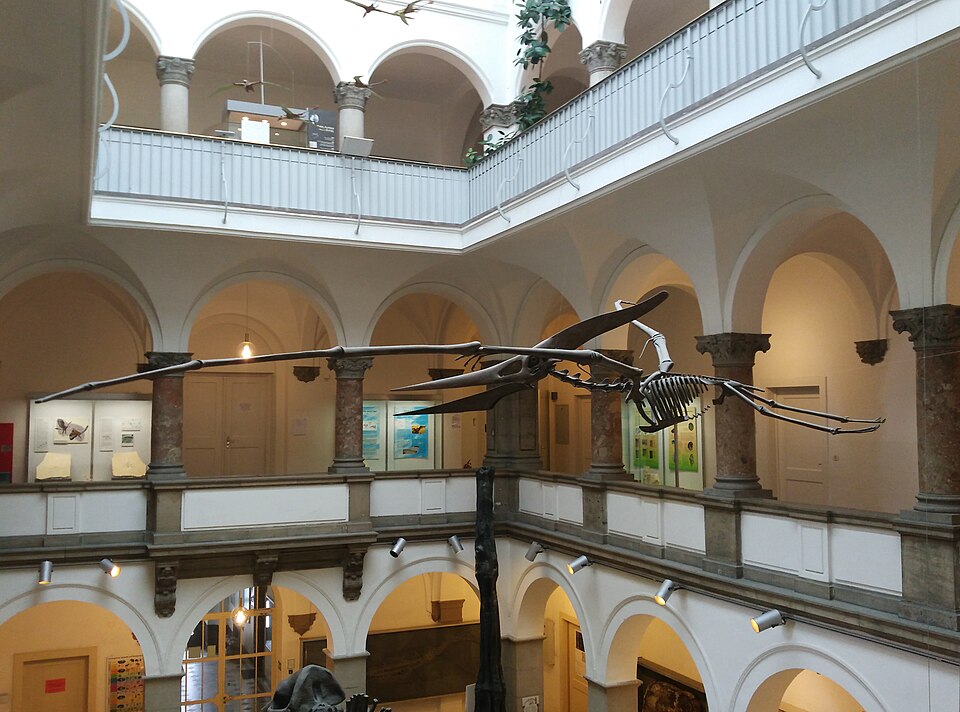
The museum collections encompass fossil specimens spanning multiple geological eras. Exhibits typically include skeletal remains, preserved organisms, and geological samples that illustrate evolutionary development. The displays draw from the extensive holdings of the Bavarian State Collection, one of Germany's significant palaeontological repositories. Visitors encounter material ranging from marine invertebrates to vertebrate fossils. The presentation emphasizes scientific authenticity over spectacle. Specific current exhibitions and rotation schedules are Not recorded pending review. The museum's scholarly orientation means displays may prioritize research access over continuous public exhibition of all holdings.
Checked 2026-08-26
A complete visit typically requires between sixty and ninety minutes for visitors engaging with the exhibits at moderate pace. Those with specialized interest in palaeontology or geology may extend their stay. The museum's compact scale relative to major natural history institutions permits efficient viewing. Families with children might adjust duration according to attention spans. The focused subject matter allows visitors to gauge their own depth of engagement. No guided tour duration information is recorded. Visitors should plan conservatively and allow flexibility for unexpected closures or partial access that may affect visit length.
Checked 2026-08-26
Operator-confirmed hours are Not recorded pending review. Visitors must verify current opening times through official channels before planning their visit. Academic institutions maintaining museum operations often observe irregular schedules including semester breaks, holidays, and research periods that may limit public access. Seasonal tourism patterns in Munich peak during summer months and Oktoberfest, potentially affecting crowd levels at all attractions. The museum's specialized nature likely draws fewer casual visitors than major landmarks, potentially offering more contemplative experience during standard opening periods regardless of season.
Checked 2026-08-26
Operator-confirmed prices are Not recorded pending review. Admission policies for German state-run museums vary significantly, with many offering free entry, reduced rates for specific demographics, or variable pricing for special exhibitions. The museum's status as a state collection component suggests possible public funding support affecting access costs. Visitors should consult official Bavarian State Collection for Palaeontology and Geology communications for current fee structures. Any free admission policies, combination tickets with affiliated institutions, or mandatory advance booking requirements remain unverified and require direct confirmation from museum operators.
Checked 2026-08-26

The museum occupies a location within Munich's urban fabric accessible through the city's integrated public transportation network. Munich's U-Bahn, S-Bahn, tram, and bus systems serve most museum districts. The exact nearest station and walking route are Not recorded pending review. Visitors familiar with German city navigation can employ standard mapping services with the production identity way/28026044 for precise geolocation. Cycling represents a common Munich transport mode when weather permits. Central location within a major European city ensures multiple approach options, though parking availability for private vehicles typically remains constrained.
Checked 2026-08-26
The museum's academic character may result in limited English-language signage compared to mainstream tourist attractions. Visitors should anticipate German-dominant presentation. Accessibility features including step-free entry, elevator access, and adapted facilities are Not recorded pending review. Photography policies require verification on arrival. The specialized content may challenge visitors expecting interactive or entertainment-focused museum experiences. Children without developed interest in natural history might find engagement difficult. Temporary closures for research activities or collection maintenance can occur without extensive public notification at smaller institutional museums. Palaeontological Museum also earns time in a munich itinerary because A ranked visitor place retained from the city fact pack and matched exactly to the production city pool. Its value becomes clearer when the stop is compared with the surrounding streets and the other ranked places nearby.
Checked 2026-08-26
Photography policies at the Palaeontological Museum are Not recorded pending review. German museums frequently restrict flash photography to protect light-sensitive specimens, with some prohibiting all imaging of certain collections. Academic institutions may enforce stricter documentation controls than commercial museums. Visitors should observe posted regulations and staff instructions upon entry. Tripod use typically requires advance permission. Commercial or publication-quality photography almost certainly demands formal authorization. Respect for fellow visitors and ongoing research activities should guide any photographic behavior. When permitted, non-flash photography of general exhibition areas likely poses minimal conservation concern for fossil materials.
Checked 2026-08-26
The museum's scholarly focus on fossils and evolutionary history may engage children with existing interest in dinosaurs or natural science. Younger visitors or those expecting interactive displays might find the experience less accessible. Parental discretion advised based on individual child temperament and interests.
Guided tour availability is Not recorded pending review. As a research-oriented institution, regular public tour schedules may differ from commercial museums. Visitors seeking guided experiences should contact the museum directly or consult official Bavarian State Collection communications for current programming.
English-language provision is Not recorded pending review. German state museums vary in multilingual presentation. Visitors without German proficiency should anticipate potential comprehension challenges and consider whether this affects their visit planning.
Specific accessibility features including step-free routes and adapted facilities are Not recorded pending review. Historic museum buildings in Germany often present architectural barriers. Visitors requiring accessibility accommodations should verify current provisions directly with museum operators before visiting.
On-site catering facilities are Not recorded pending review. The museum's compact specialized nature suggests limited ancillary services. Visitors should plan accordingly, with Munich offering numerous dining options in surrounding districts for pre- or post-visit refreshment.
The Palaeontological Museum maintains narrower focus on palaeontology and geology as distinct discipline, operating within research collection framework rather than comprehensive public exhibition mission. This yields more specialized, potentially less frequently rotated displays targeting informed visitors rather than general family audiences seeking broad natural history overview.
Loading the interactive map…
The interactive map could not be loaded.
Last updated:
Source: OpenStreetMap contributors, Wikidata ·