

.jpg)


6 min walk
Sudetendeutsches Museum
- High
- Museum
Language · 1 published
Museum · Munich
| Monday | 09:00 – 17:00 |
|---|---|
| Tuesday | 09:00 – 17:00 |
| Wednesday | 09:00 – 17:00 |
| Thursday | 09:00 – 17:00 |
| Friday | 09:00 – 17:00 |
| Saturday | 09:00 – 17:00 |
| Sunday | 09:00 – 17:00 |
Checked 2026-08-26 · Source
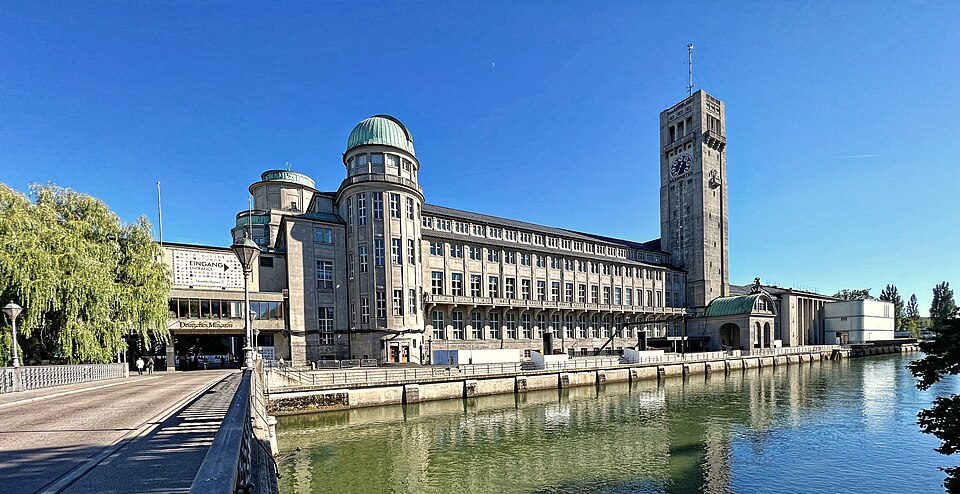
The Deutsches Museum stands on an island in the Isar in central Munich, at Museumsinsel 1, and is a museum of science and technology rather than of art or of city history. It is also a building site, and that is the first thing a visitor needs to know. A rebuilding of the whole exhibition block began on 18 October 2015: half the exhibitions were emptied, construction started in autumn 2016, and that first half reopened in July 2022 with twenty renewed permanent exhibitions across roughly 20,000 square metres. Work then moved into the second half of the building, and the museum states it will be completely reopened in 2028, the 125th anniversary of its founding. More than half the exhibition space stays open through both phases, so what is shut is a large fraction of the collection rather than the visit itself. Since July 2022 visitors have entered through a multi-storey glass building at the Corneliusbrücke, on the Isar side; the museum calls this a temporary solution and says the main entrance returns to the Museum Courtyard in 2028. Anyone carrying a memory of the old museum, or a guidebook older than 2022, should expect a different place.
Checked 2026-08-26 · Source
Twenty permanent exhibitions are open, grouped by theme rather than by chronology. Under natural sciences: Chemistry, Musical Instruments, Classical Optics, Atomic Physics and Foucault's Pendulum. Under materials and energy production: Energy - Motors, and Robotics. Under traffic and mobility: Modern Aviation, Historic Aviation covering 1918 to 1945, Astronautics, Bridges and Hydraulic Engineering, and the Model Railway. Under people and environment: Health, and Agriculture and Food. Under communication and media: Image Script Codes, Electronics, Photography and Film, and Mathematics. Alongside these sit the German Federal President's Prize exhibition, the Observatory West, and three working spaces the museum lists as open - the Science Communication Lab, the Tech and Tinkering Lab and TUMLab. Kids' Kingdom is a separate hands-on exhibition for children aged three to eight, on level -1 beneath the aviation hall, with a water play area, a hall of mirrors, a giant guitar and a large marble run. The absent half matters as much. The museum names the areas currently unreachable, and the list includes the Mine, Marine Navigation, Power Machinery, Ceramics, Physics, the Planetarium, Astronomy, Computer Science, the Hall of Fame, Metals and Machine Tools, among others. Some objects from them have been folded into the renewed galleries.
Checked 2026-08-26 · Source
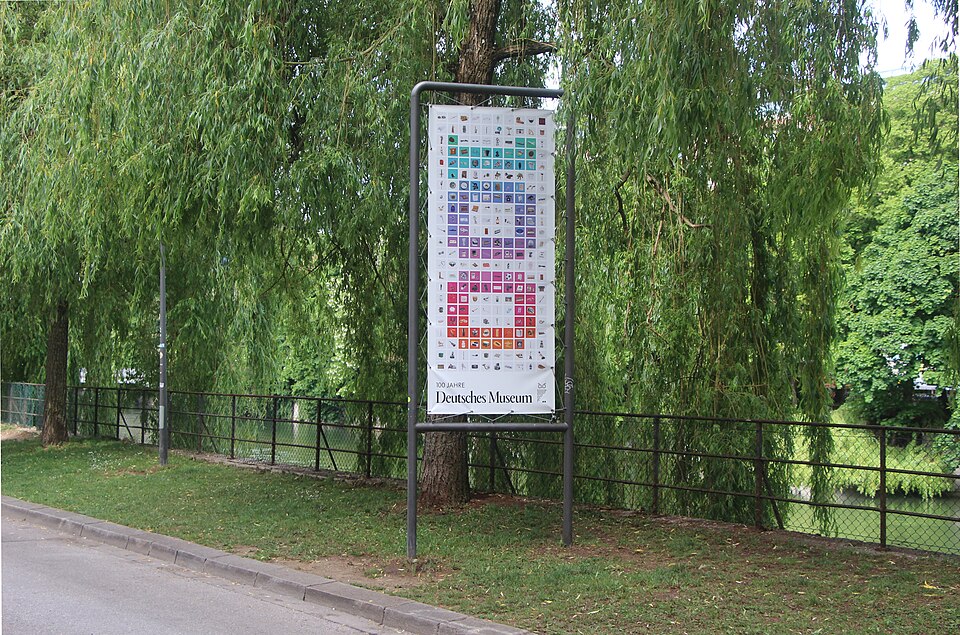
Allow three hours. That figure is this guide's judgement rather than a number the museum publishes, and it sits between the two the museum does give. Its head of visitor services recommends the highlight tour in the museum app for a first visit, and says it takes two hours and picks selected objects out of several exhibitions. The museum's own advice adds that two hours fly by, that twenty permanent exhibitions across four levels mean a few kilometres of walking, and that many guests spend a whole day inside. Three hours is enough to walk four or five exhibitions properly and still sit down once; two hours is the app tour and nothing else; a full day is realistic only for someone who genuinely wants the technology and does not mind standing. The hard limit is the clock at the door. The museum opens at 9:00 and closes at 17:00, and last admission is 16:30, so the longest visit physically available is eight hours from opening, and an arrival after 16:30 is not a short visit but no visit at all. A visitor with ninety minutes should choose one theme group and finish it.
Checked 2026-08-26 · Source
The museum's own crowding advice is short and specific: come during the week if it can be arranged, and expect the building to be very busy during the Bavarian school holidays, particularly in bad weather. That last clause is the useful one - a wet afternoon in a Munich school holiday concentrates every family in the city into indoor attractions, and this is the largest of them. A weekday morning shortly after the 9:00 opening is the calmest hour the timetable allows. The museum describes itself as open 357 days a year, and it publishes the exceptions rather than leaving them to be discovered at the door. For 2026 the closure dates given are Shrove Tuesday on 17 February, Good Friday on 3 April, Labour Day on 1 May, All Saints' Day on 1 November, Christmas Eve on 24 December, Christmas Day on 25 December and New Year's Eve on 31 December, with New Year's Day 2027 following. Two staff-meeting days are half days: on 11 March 2026 the museum opens only from 13:00, and on 11 November 2026 the exhibitions are shut all day while the library and archive open from 13:00.
Checked 2026-08-26 · Source

A day ticket for an adult aged 18 or over costs 16 euros. The reduced day ticket is 9 euros and requires valid identification; it covers children and teenagers aged 6 to 17, pupils, apprentices and full-time students, disabled visitors, and people aged 65 and over holding a pension card - but the senior rate is valid Monday to Friday only, with the full price charged on Saturdays, Sundays and public holidays. A family ticket is 33 euros and admits up to two adults with their own children aged 17 and under. Children under 6 enter free. The museum's family-visit page states the child rate as 8 euros while its admission page states 9 euros; both are the operator's own pages and this guide does not resolve the difference, so budget for 9 and check at the desk. Groups of at least 15 paying people pay 13 euros each, with one accompanying person free per 15. An annual pass covering the main museum, the Verkehrszentrum and the Flugwerft Schleissheim costs 50 euros, or 25 reduced, and is sold only at the information desk. The museum recommends buying tickets online in advance. Children under 12 may only visit accompanied by an adult.
Checked 2026-08-26 · Source
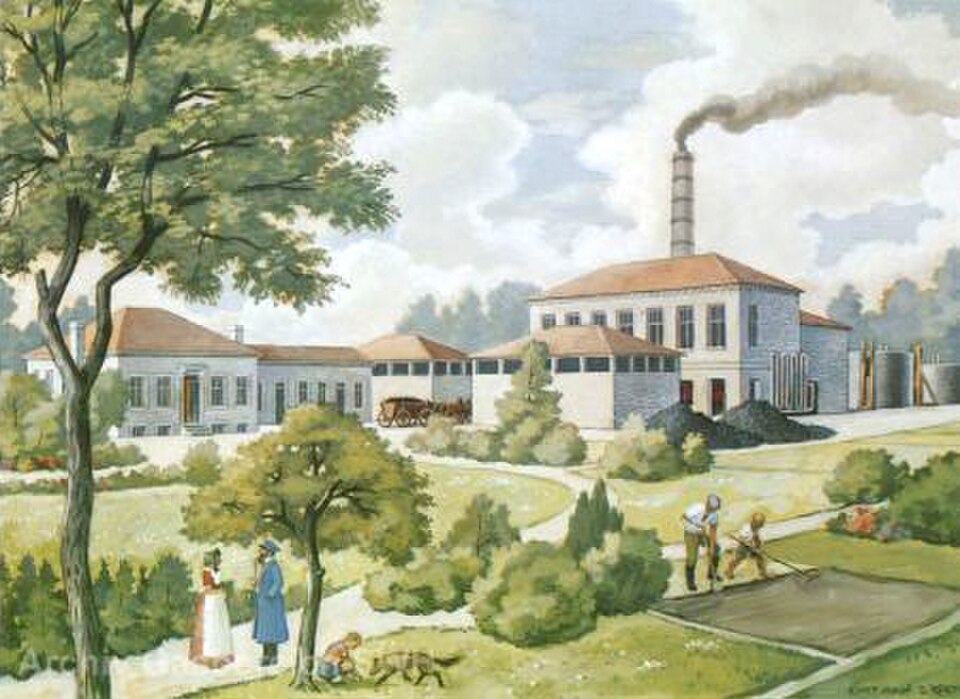
Public transport reaches the island from several directions and the museum recommends it over driving. Every S-Bahn line stops at Isartor, a short level walk away; Rosenheimer Platz also serves it, but the museum warns of a relatively steep descent from there. U-Bahn lines U1 and U2 stop at Fraunhoferstraße. Bus line 132 stops at the Corneliusbrücke, and lines 52 and 62 at Baaderstraße. Tram line 17 has a stop named Deutsches Museum, but the museum's modernisation pages note that this stop is out of service because of construction work on the Ludwigsbrücke, and list tram 16 at Reichenbachplatz and tram 18 at Fraunhoferstraße instead - check before relying on the tram. A car is not needed and is actively discouraged. The museum states plainly that there are no parking facilities at the Museum Island site, that local car parks offer only limited space, and that it does not recommend arriving by car; the nearest car parks it names are on Baaderstraße 6, at Motorama on Hochstraße 5, the Gasteig on Rosenheimer Straße 3 and the City Hilton on Rosenheimer Straße 15. Three accessible spaces sit by the Boschbrücke. Bicycle parking is at the entrance.
Checked 2026-08-26 · Source
The bag rule catches people who have not read it. Backpacks and bags larger than a sheet of A4 paper may not be taken into the exhibitions at all, so anyone arriving with a day pack is going to the cloakroom first. The cloakroom and lockers are one level above the entrance hall, on level 1, reachable by stairs or lift, and free to use - but the lockers want a 1-euro coin as a deposit, which is worth having in a pocket before the queue. Kids' Kingdom is the exception: bags may be taken in there, and it has its own lockers for families and groups. Eating and drinking are not permitted in the exhibitions; the picnic area on level 1 is where own food is allowed, and it needs no ticket. No animals may be brought in apart from trained assistance dogs. Wi-Fi is incomplete during the rebuilding - the city network covers the Museum Courtyard and the museum's own network reaches only the cloakroom, with full coverage promised after the modernisation. Last admission is 16:30, half an hour before closing, and children under 12 must be accompanied by an adult.
Checked 2026-08-26 · Source
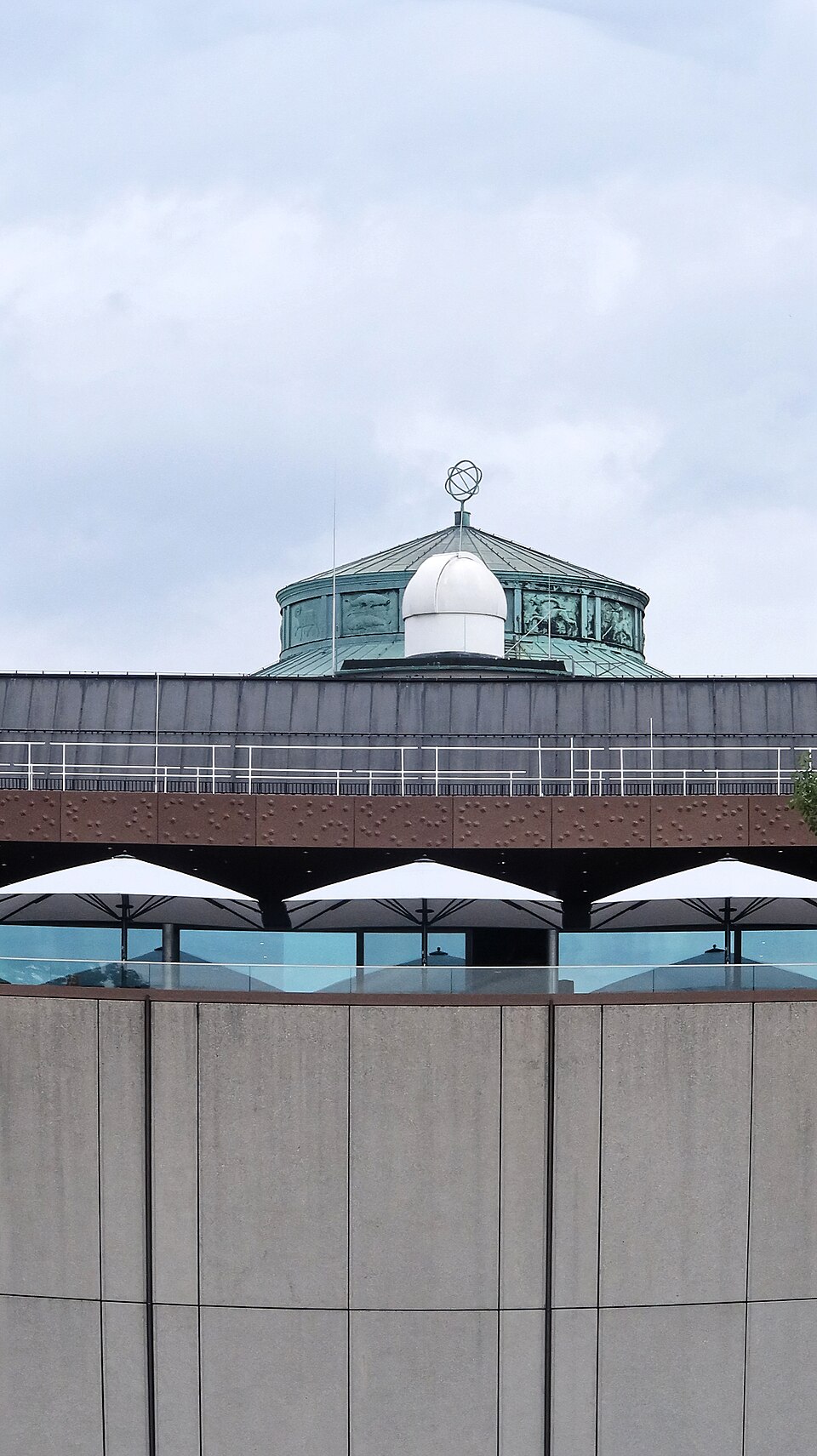
The rules here are unusually relaxed for a major museum. Photography and filming for private purposes are welcome throughout the exhibitions, and the museum states explicitly that flash is allowed - but tripods and selfie sticks are not, anywhere. Anyone photographing for publication is asked to contact the press office in advance rather than to work it out on the day, and that applies to commercial work of any kind. In practice the two lighting problems are the aviation hall, where large aircraft hang high in a bright space and the floor beneath them is dim, and the glass entrance building at the Corneliusbrücke, which is a hard subject against a bright sky in the middle of the day and a much easier one in the last hour before the 17:00 closing. Because the roof terrace restaurant and the picnic area are open without a ticket, the outward views across the Isar and back at the museum block can be photographed without paying admission at all. The permanently swinging Foucault's Pendulum needs a slow shutter and something solid to brace against, since a tripod is not an option.
Checked 2026-08-26 · Source
The museum on the Museumsinsel is open every day from 9:00 to 17:00, with last admission at 16:30. There is no weekly closing day and no midday break. The museum describes itself as open 357 days a year and publishes the exceptions: for 2026 it lists Shrove Tuesday on 17 February, Good Friday on 3 April, Labour Day on 1 May, All Saints' Day on 1 November, Christmas Eve, Christmas Day and New Year's Eve. On 11 March 2026 it opens only from 13:00, and on 11 November 2026 the exhibitions are closed all day.
A day ticket is 16 euros for adults aged 18 and over and 9 euros reduced with valid identification, which covers 6- to 17-year-olds, students, disabled visitors and, on weekdays only, holders of a pension card aged 65 or over. A family ticket for up to two adults with their own children aged 17 and under is 33 euros, and children under 6 are free. Groups from 15 paying people pay 13 euros each. An annual pass for the three Munich sites is 50 euros, or 25 reduced, sold only at the information desk.
Three hours is this guide's recommendation, and the museum publishes two figures that bracket it. Its head of visitor services points first-time visitors at the highlight tour in the museum app, which takes two hours and gathers selected objects from several exhibitions. The museum also says that two hours fly by, that twenty exhibitions across four levels mean a few kilometres of walking, and that many guests spend a whole day. With opening at 9:00, closing at 17:00 and last admission at 16:30, eight hours is the maximum a single day allows.
Part of it is a building site. A rebuild that began in 2015 emptied half the exhibition block; that half reopened in July 2022 with twenty renewed permanent exhibitions on about 20,000 square metres, and work moved into the second half. The museum says the building will be completely reopened in 2028. It publishes the list of areas currently unreachable, which includes the Mine, Marine Navigation, Power Machinery, Ceramics, Physics, Astronomy, the Planetarium, Computer Science and the Hall of Fame. Anyone travelling for one specific gallery should check that list first.
No, and the museum advises against driving. It states that there are no parking facilities at the Museum Island site and that parking nearby is very limited. Every S-Bahn line stops at Isartor, U-Bahn lines U1 and U2 at Fraunhoferstraße, bus 132 at the Corneliusbrücke and buses 52 and 62 at Baaderstraße. The tram stop named Deutsches Museum on line 17 is out of service because of construction on the Ludwigsbrücke. Three accessible parking spaces are available by the Boschbrücke, with more beside the Isar next to the German Patent and Trade Mark Office.
Photography and filming for private purposes are allowed in the exhibitions, and flash is explicitly permitted, but tripods and selfie sticks are not. Pictures intended for publication need prior contact with the press office. Bags are the stricter rule: backpacks and bags larger than a sheet of A4 paper may not be taken into the exhibitions. The cloakroom and lockers are on level 1, free to use, with a 1-euro coin needed as a locker deposit. Kids' Kingdom is the exception and allows bags, with its own lockers for families and groups.
Loading the interactive map…
The interactive map could not be loaded.
Last updated:
Source: OpenStreetMap contributors, Wikidata ·