


2 min walk
Beer and Oktoberfest Museum
- Must see
- Museum
Language · 1 published
Historic monument · Munich
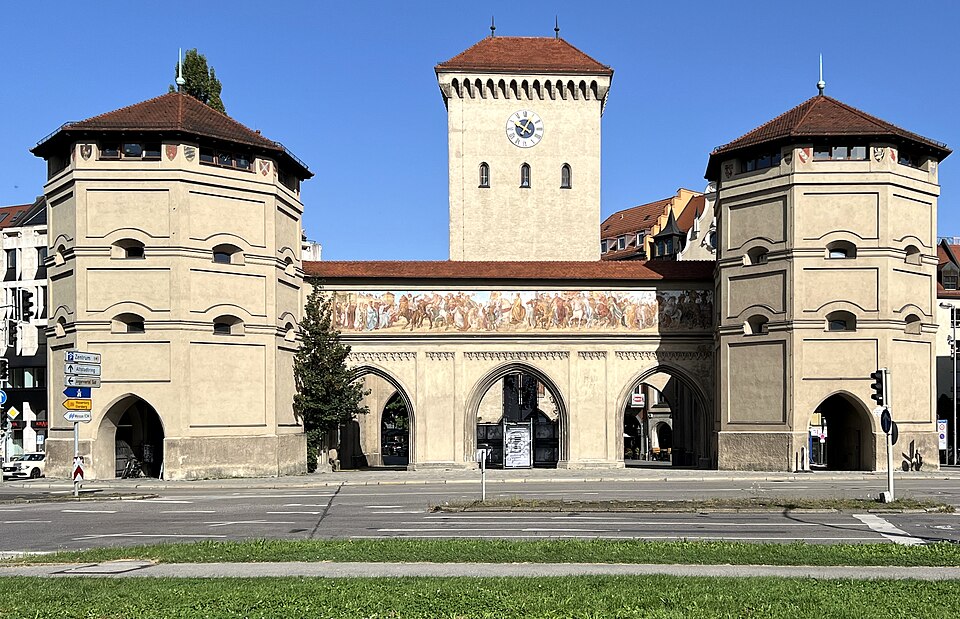
Isartor is one of four remaining medieval city gates of Munich, originally constructed as part of the second city fortifications during the late 14th century. The gate stands at the eastern edge of the historic Altstadt-Lehel district, marking the former boundary of Munich's walled medieval core. Its distinctive tall tower with pointed roof and decorative clock face makes it a prominent landmark. The structure survived extensive wartime damage and subsequent urban development that removed most other fortifications. Today it functions as both a preserved monument and an integrated component of the modern urban fabric, with commercial spaces occupying portions of the historic fabric.
Checked 2026-08-26
The gate structure contains multiple levels including the tower interior and connected building volumes. Historical architectural features visible from exterior examination include the pointed arch passage, clock mechanism housing, and decorative stonework. The upper portions and interior rooms are not regularly presented as dedicated museum spaces in publicly documented materials. Commercial tenants occupy significant portions of the ground level and adjacent structures. The specific contents of non-public interior spaces, including any preserved historical installations or exhibition materials, are not recorded in the available source documentation. Visitors should anticipate primarily external architectural appreciation rather than structured interior programming.
Checked 2026-08-26
A visit to Isartor typically requires brief duration appropriate to external monument observation, generally estimated between fifteen minutes to half an hour for standard appreciation of the architectural features and photographic documentation. Extended engagement may occur for visitors incorporating the gate into broader walking circuits of Munich's historic district, where it serves as waypoint or orientation marker. No queue management or timed entry systems are documented. The surrounding plaza permits casual lingering. Visitors planning comprehensive engagement with all four surviving city gates should allocate correspondingly expanded timeframes across multiple locations.
Checked 2026-08-26
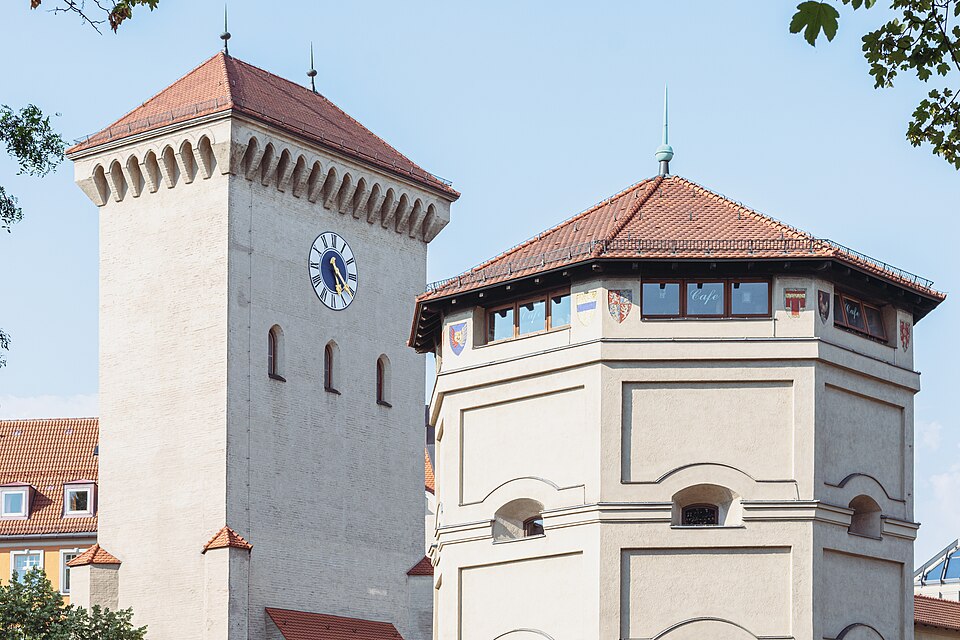
Isartor is an outdoor monument accessible at all times for exterior viewing, though operator-confirmed hours for any interior commercial spaces or potential seasonal variations in accessibility are Not recorded pending review. The structure presents differently across lighting conditions, with morning and evening illumination offering distinct photographic qualities. Weather considerations apply to comfort rather than access, as no covered visitor facilities are documented. Seasonal tourist concentrations in central Munich affect surrounding pedestrian density. Visitors prioritizing unobstructed photography or reduced crowding may prefer early morning or weekday periods, though specific comparative data is not recorded.
Checked 2026-08-26
No admission fee applies to external viewing of Isartor as a public street-level monument. Any charges for commercial establishments within the structure, or for potential future interior access programs, are Not recorded pending review. The gate's function as integrated urban infrastructure rather than ticketed attraction distinguishes it from museum destinations. Visitors should verify current status independently if interior access becomes advertised. Standard Munich public space regulations apply to the surrounding area. Budget planning for this specific destination requires minimal allocation, with expenditure limited to incidental purchases from surrounding businesses rather than gate-specific admission.
Checked 2026-08-26
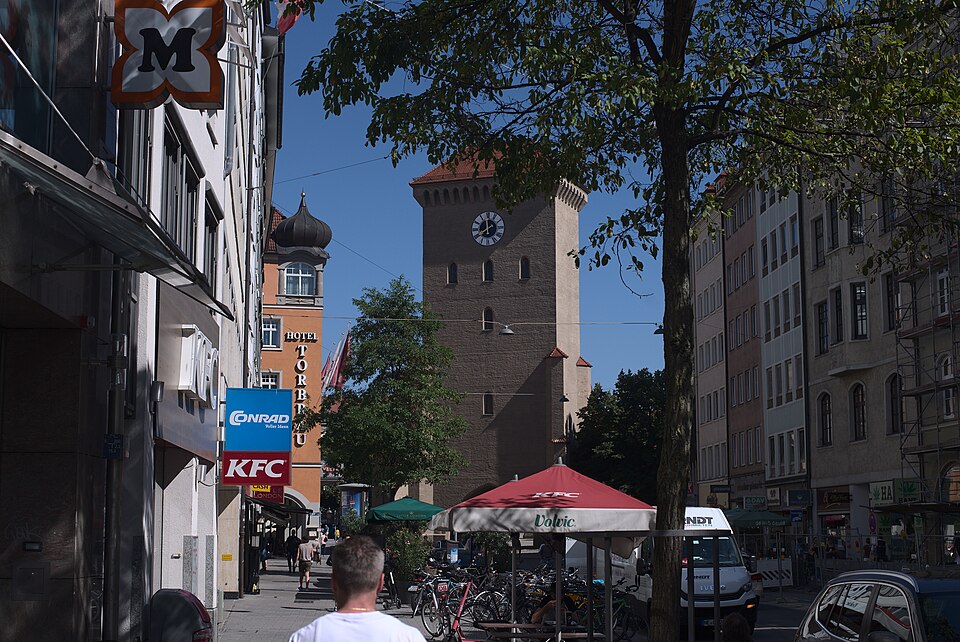
Isartor occupies a prominent position at the intersection of multiple thoroughfares in eastern central Munich, specifically where Tal street meets Zweibrückenstraße. The location is served by S-Bahn urban rail through Isartor station, which provides direct underground access adjacent to the monument. Multiple tram and bus routes operate in the immediate vicinity. Walking access from Marienplatz, the central square approximately five hundred meters west, follows Tal street through the historic commercial district. Cyclists may use designated lanes on surrounding streets. The gate's visibility from distance assists pedestrian navigation through this dense urban environment.
Checked 2026-08-26
Traffic movement through the archway passage requires pedestrian vigilance, as the structure remains functional for vehicles and cyclists alongside foot traffic. The surrounding intersection presents complex crossing patterns. Cobblestone and uneven paving in historic areas may present mobility challenges. The tower's height and narrow profile create falling object considerations during maintenance activities. Commercial activity in adjacent spaces generates standard urban security awareness requirements. Visitors should note that the structure's integration with active infrastructure means access conditions may change without advance notification. Nighttime lighting, while generally present, should not be assumed equivalent to daytime visibility conditions for detailed architectural examination.
Checked 2026-08-26
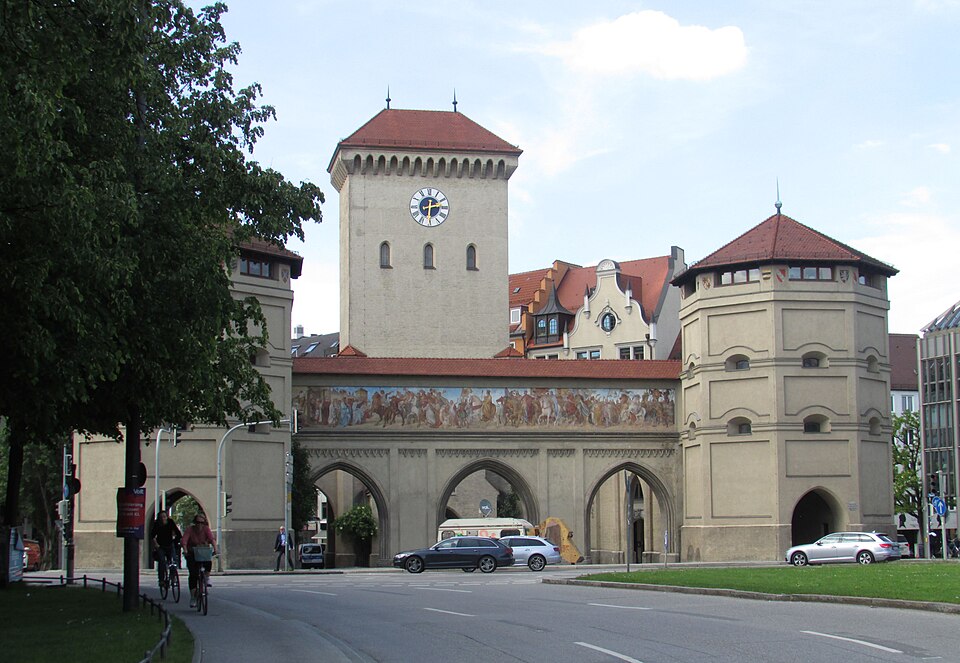
The gate presents strong frontal symmetry from Tal street approach, with the clock face and pointed roof creating vertical emphasis suitable for standard to wide-angle lenses. Morning light illuminates the west-facing main facade. The archway passage offers framed view compositions toward the historic center. Surrounding buildings constrain elevated perspectives from nearby structures. Tripod use in traffic-adjacent positions requires safety awareness. Night photography benefits from street and architectural lighting, though specific illumination schedules are not recorded. The S-Bahn station entrance and commercial signage introduce modern elements that may be excluded or incorporated compositionally. Seasonal vegetation in adjacent spaces varies framing options.
Checked 2026-08-26
Publicly documented information does not confirm regular interior tower access. The structure contains commercial tenants at ground level. Specific upper-level access programs are not recorded.
Munich retains four medieval gates: Isartor, Sendlinger Tor, Karlstor, and the remnant of Angertor. These may be visited sequentially, though no formal guided trail structure is documented in the provided source.
The clock face is a visible architectural feature. Current operational status of the mechanism is not recorded in available documentation.
Dedicated visitor facilities within the gate structure are not documented. Commercial establishments in the vicinity may provide such services. Standard urban infrastructure applies.
Isartor survived wartime damage that destroyed or led to removal of other fortifications. Specific reconstruction phases and extent of original fabric are not detailed in the provided source.
The gate marks the eastern boundary of Munich's medieval core. The adjacent Tal street follows historic routes. Detailed historical interpretation of the immediate district is not recorded in the provided source.
Loading the interactive map…
The interactive map could not be loaded.
Last updated:
Source: OpenStreetMap contributors, Wikidata ·