


2 min walk
Thorvaldsen Museum
- Must see · Heritage site
- Museum
Language · 1 published
Historic monument · Copenhagen
Christiansborg Slot
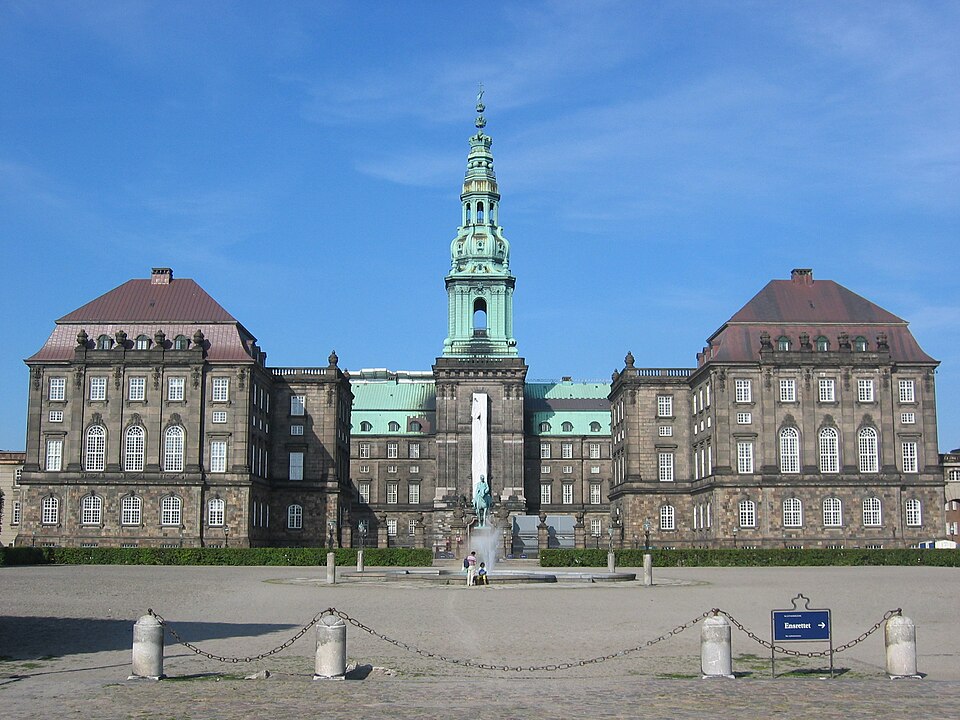
Christiansborg Palace, locally known as Christiansborg Slot, stands on Slotsholmen island in central Copenhagen. The building serves as the seat of the Danish Parliament, the Prime Minister's Office, and the Supreme Court, making it unique among European palaces as the only structure housing all three branches of government. The site has hosted castles since 1167, with the current palace completed in 1928 after previous structures were destroyed by fire. The palace also contains royal reception rooms and stables used for ceremonial purposes.
Checked 2026-08-26
Visitors can explore multiple distinct areas within the palace complex. The Royal Reception Rooms feature tapestries, chandeliers, and furnishings used for state occasions. The Ruins beneath the palace reveal archaeological remains of earlier medieval castles. The Palace Chapel, rebuilt after fire damage, serves as a venue for royal events. The Royal Stables house horses and carriages still employed for ceremonial duties. The Tower offers elevated views across Copenhagen. Each area requires separate consideration for visiting, and not all sections may be accessible simultaneously due to official government functions.
Checked 2026-08-26

The duration of a visit to Christiansborg Palace varies considerably based on which areas visitors choose to explore. Those intending to see only the Royal Reception Rooms might allocate a shorter period, while visitors wishing to include the Ruins, the Tower, and the Royal Stables should plan for substantially longer. The Tower visit involves queueing time that fluctuates with demand. Visitors combining multiple attractions within the complex should anticipate needing several hours. Individual pacing and interest in architectural and historical details will influence actual time spent. Photography and observation of ceremonial spaces may extend visits.
Checked 2026-08-26
Operator-confirmed hours are Not recorded pending review. Visitors should consult official sources before planning their trip. The palace functions as an active government building, which may restrict access during parliamentary sessions, official state functions, or royal events. Seasonal variations in Danish daylight and weather conditions may influence visitor experience, particularly for the Tower viewing platform. Weekday visits may coincide with parliamentary activity, while weekends might offer different accessibility. Checking current operational status close to the intended visit date is advisable, as government schedules can alter public access with limited advance notice.
Checked 2026-08-26

Operator-confirmed prices are Not recorded pending review. Admission structures typically vary depending on which sections visitors wish to access, with combination tickets potentially available for multiple attractions. Some areas may operate with separate ticketing systems. Visitors should verify current pricing through official channels. Group rates, family arrangements, or guided tour supplements may affect costs. Payment methods accepted should be confirmed in advance. Any free admission periods or special concessions would need verification from authoritative sources. Budgeting should account for possible separate charges for the Tower, Ruins, Reception Rooms, and Stables if not covered by unified admission.
Checked 2026-08-26

Christiansborg Palace occupies Slotsholmen, an island in Copenhagen's harbour connected to the surrounding city centre by bridges. The location sits adjacent to Strøget, the pedestrian shopping street, and near Gammel Strand. Public transportation options include nearby bus and metro connections, with Gammel Strand metro station in proximity. The central location permits walking access from numerous Copenhagen landmarks including Nyhavn and the National Museum. Cyclists will find Copenhagen's extensive bike infrastructure serves the area. Water bus services operate in the harbour, potentially offering alternative approaches. The compact city centre makes the palace reachable from many accommodation locations.
Checked 2026-08-26
Security protocols apply given the building's function as seat of government. Bag checks and screening procedures should be anticipated. Access to certain areas may be suspended without advance notice due to official business. The Tower elevator has capacity constraints creating potential waits. Weather conditions affect Tower visibility and may prompt closure. Appropriate footwear is advisable for the Ruins' uneven surfaces. Some spaces maintain formal atmospheres requiring respectful conduct. Photography restrictions may apply in specific rooms. Parliamentary chamber access is typically prohibited during sessions. Visitors should remain attentive to signage and staff instructions regarding restricted zones or behavioural expectations.
Checked 2026-08-26

Photography policies vary across different areas of Christiansborg Palace. The Royal Reception Rooms may permit photography in designated spaces, though restrictions often apply to specific rooms or objects. Flash photography might be prohibited to protect sensitive materials. The Ruins and archaeological areas typically allow photography, though lighting conditions challenge image quality. The Tower offers unrestricted external photography opportunities overlooking Copenhagen. The Palace Chapel may restrict photography during services or events. Visitors should observe posted regulations and staff guidance in each section. Tripods and professional equipment may require special permission. Respecting restrictions in active government areas demonstrates appropriate visitor conduct.
Checked 2026-08-26
The palace contains Royal Reception Rooms and the Royal Stables used for ceremonial purposes, though it primarily functions as seat of government.
Access to the parliamentary chamber is typically restricted, particularly during active sessions, and visitor policies should be verified with official sources.
Christiansborg serves as seat of government with parliamentary and judicial functions, while Amalienborg functions as the monarch's winter residence.
The Ruins beneath the palace are a visitor attraction, though accessibility for mobility-impaired visitors should be confirmed due to archaeological site characteristics.
Tower access may operate under separate arrangements from other palace sections; visitors should verify current ticketing structures through official channels.
Multiple castles occupied the site since 1167, with several destroyed by fire, most recently in 1794 and 1884, before the current 1928 structure.
Loading the interactive map…
The interactive map could not be loaded.
Last updated:
Source: OpenStreetMap contributors, Wikidata ·