
.jpg)


1 min walk
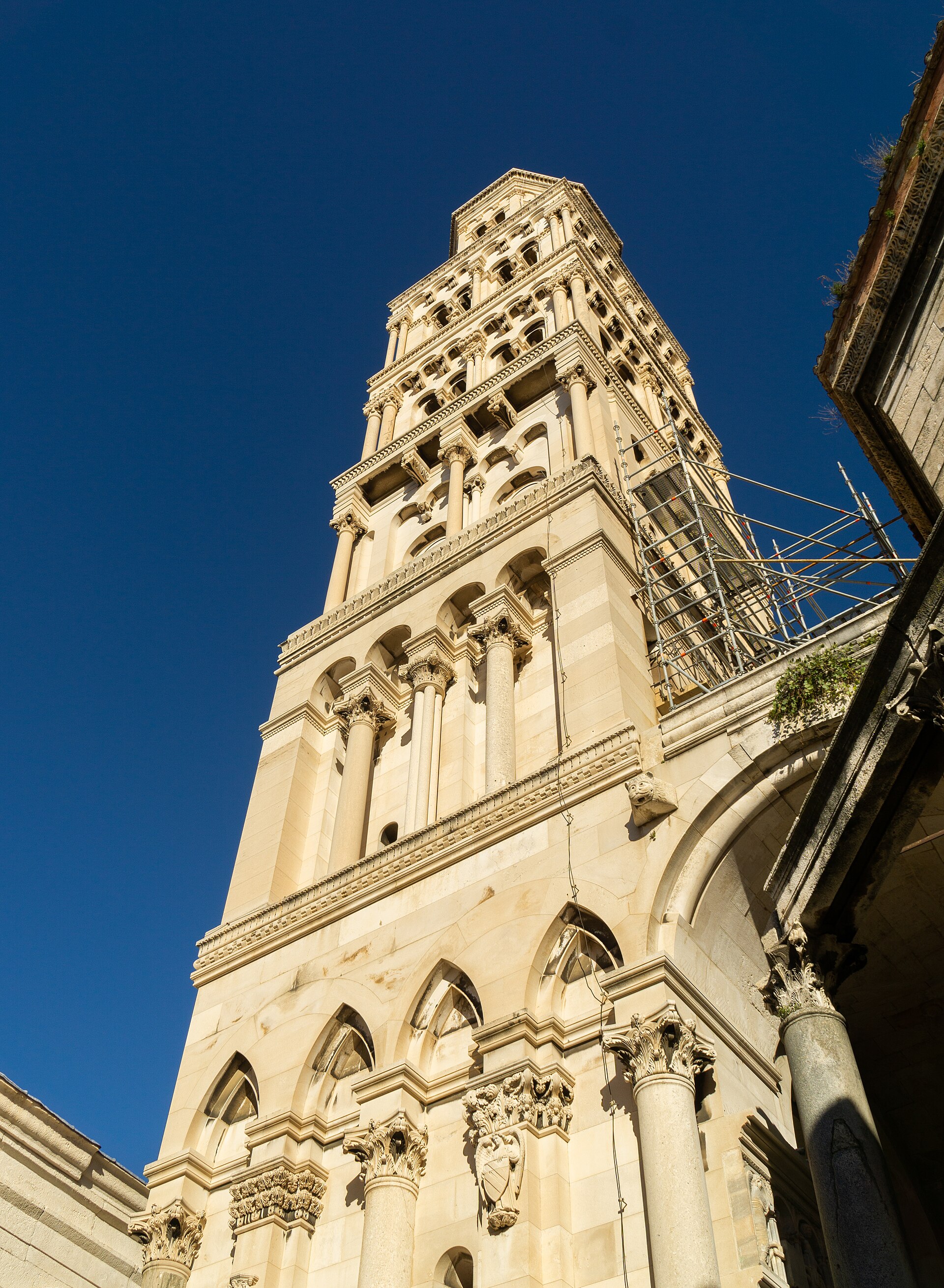
Zvonik svetog Dujma
- Must see
- Viewpoint
Language · 11 published
Museum · Split
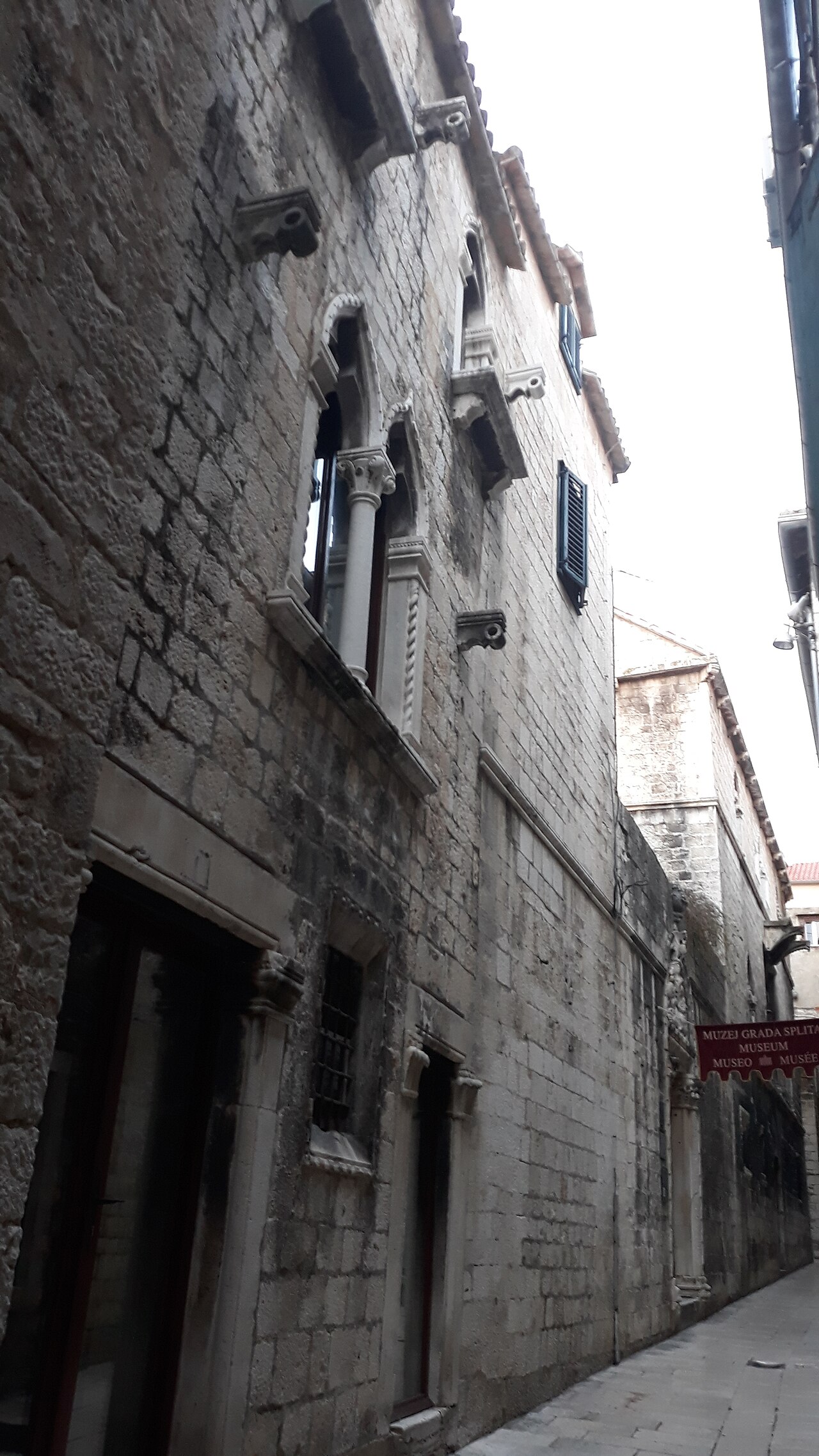
Muzej grada Splita
| Monday | 09:00 – 16:00 |
|---|---|
| Tuesday | 09:00 – 21:00 |
| Wednesday | 09:00 – 21:00 |
| Thursday | 09:00 – 21:00 |
| Friday | 09:00 – 21:00 |
| Saturday | 09:00 – 16:00 |
| Sunday | 09:00 – 16:00 |
Parsed from OpenStreetMap opening hours on 2026-08-26.
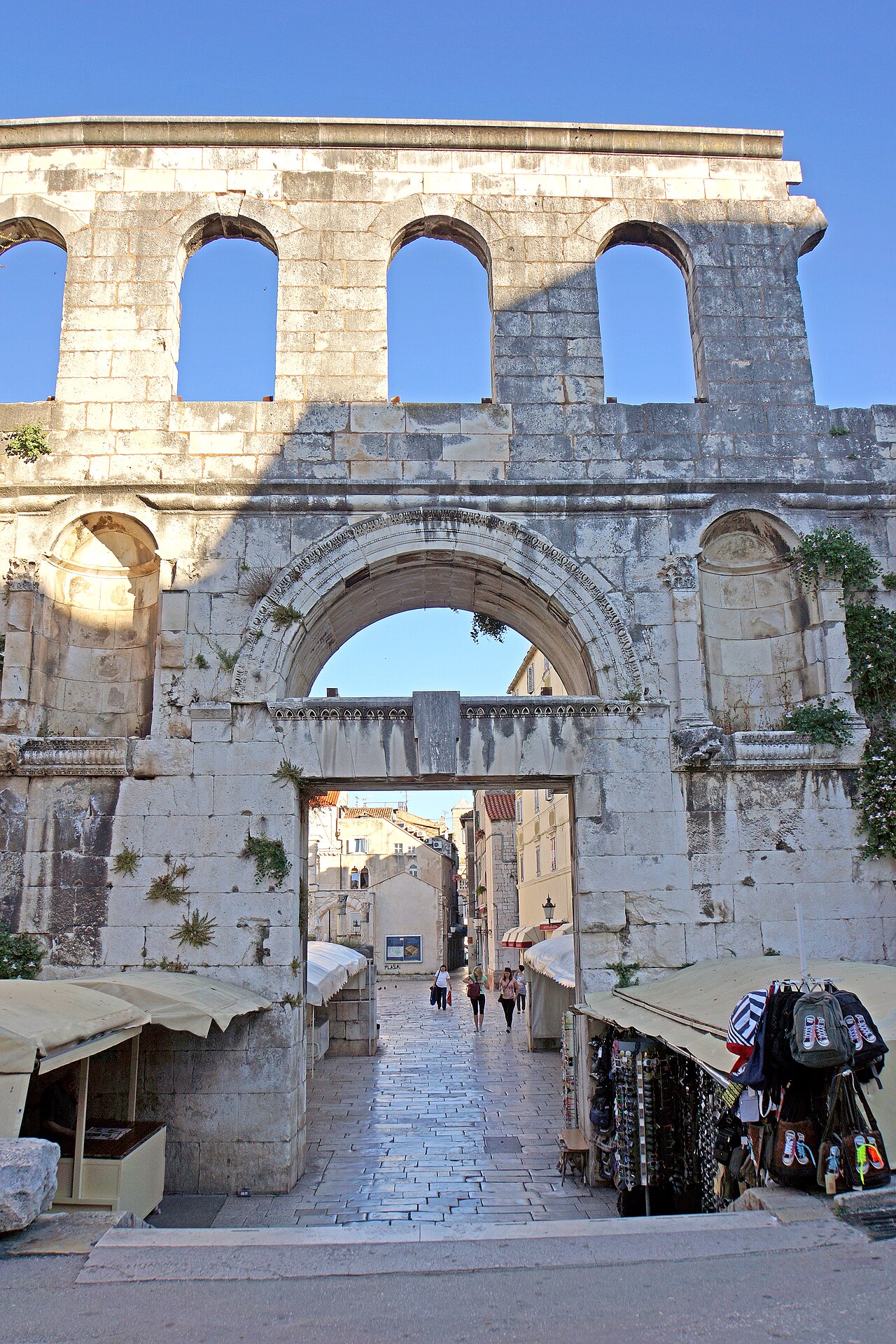
Split City Museum, locally Muzej grada Splita, is a municipal museum institution in Split, Croatia. It preserves and presents the urban history of Split from antiquity through the medieval period to modern times. The museum occupies historic premises within the Diocletian's Palace complex, a UNESCO World Heritage site. Its collections document the civic development, cultural life, and architectural heritage of one of Dalmatia's most significant Adriatic cities. The institution serves as a key repository for understanding Split's evolution from Roman origins.
Checked 2026-08-26
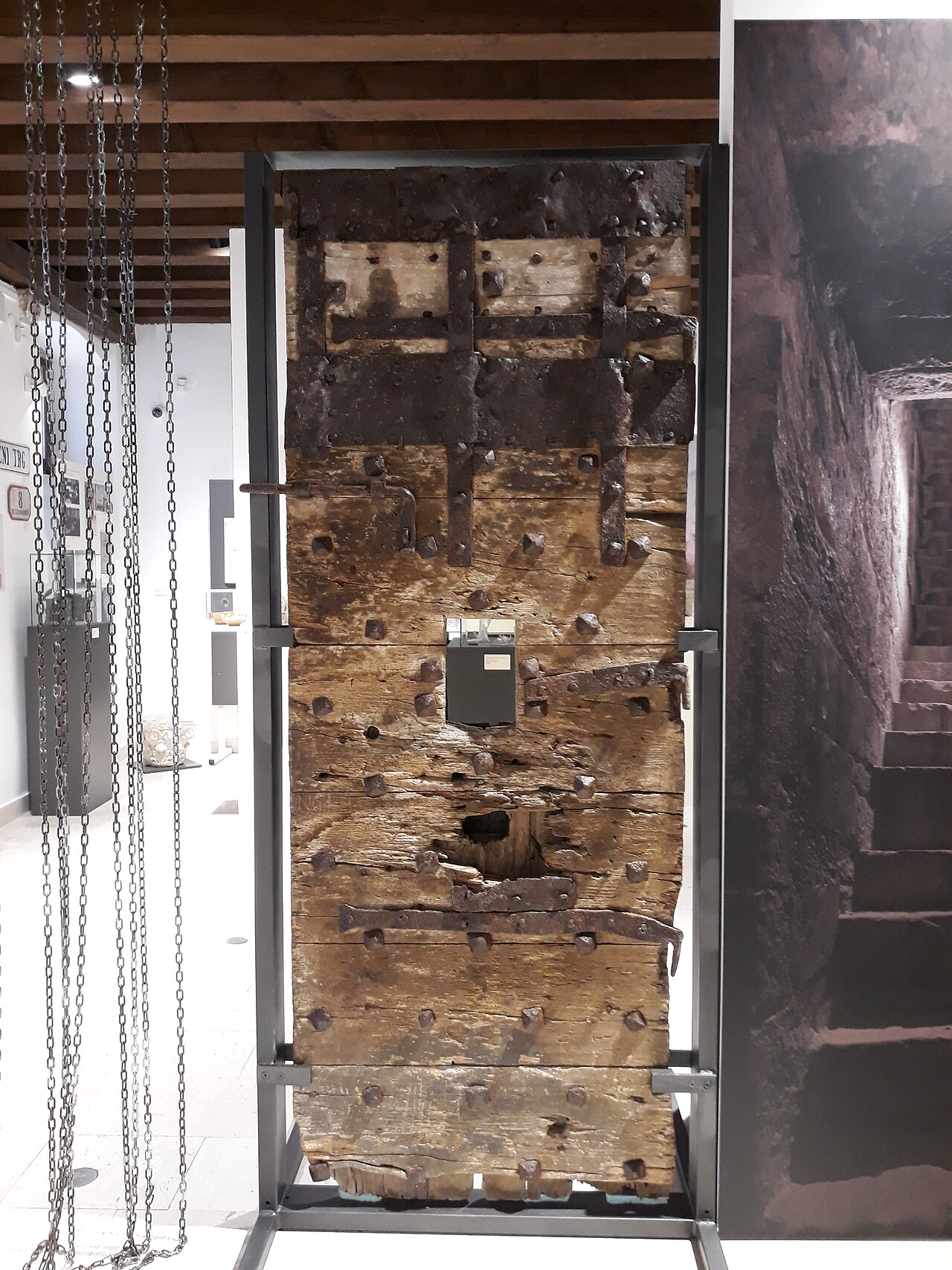
The museum holds collections spanning archaeological finds, medieval manuscripts, civic regalia, and historical documents pertaining to Split's municipal governance. Exhibits trace the city's transformation through Venetian, Austrian, and Yugoslav periods. Artifacts include inscriptions, coins, seals, and items of daily life from successive eras. The displays interpret Split's role as a major Dalmatian port and administrative center. Decorative arts and period furnishings complement the narrative of urban patrician culture. The museum's holdings reflect both elite and broader social histories of this contested Adriatic territory.
Checked 2026-08-26

Visitors typically allocate between sixty to ninety minutes for a meaningful engagement with the museum's galleries. This duration permits examination of permanent displays without exhaustive study of every object. Those with specialized interest in Dalmatian urban history or Croatian municipal archives may extend their visit accordingly. The compact scale of the museum relative to major national institutions supports efficient viewing. Combination with adjacent Diocletian's Palace attractions naturally extends the overall itinerary. Personal pace and seasonal crowding influence actual time required. Split City Museum also earns time in a split itinerary because A ranked split visitor place retained from the fact pack; no exact production city-pool match was accepted. Its value becomes clearer when the stop is compared with the surrounding streets and the other ranked places nearby.
Checked 2026-08-26
Split experiences Mediterranean climate conditions with hot, dry summers and mild, wet winters. Peak tourist season from June through August brings substantial visitor numbers to the palace quarter. Spring and autumn offer more temperate conditions for exploring indoor museum spaces without overwhelming crowds. Winter months present the quietest atmosphere though with reduced daylight hours. Operator-confirmed hours are Not recorded pending review. Prospective visitors should verify current opening schedules through official channels before planning their attendance, as seasonal variations and special circumstances may affect accessibility.
Checked 2026-08-26
Admission policies for municipal museums in Croatian heritage cities typically distinguish between domestic and international visitors, with reduced rates for students, seniors, and organized groups. Some institutions participate in combined ticketing arrangements for palace zone attractions. Operator-confirmed prices are Not recorded pending review. Payment methods and online booking availability remain unverified. Visitors should consult the museum's official communications or authorized tourism offices for current fee structures. Free admission days or cultural heritage promotions may apply on specific calendar occasions according to national or municipal programming.
Checked 2026-08-26

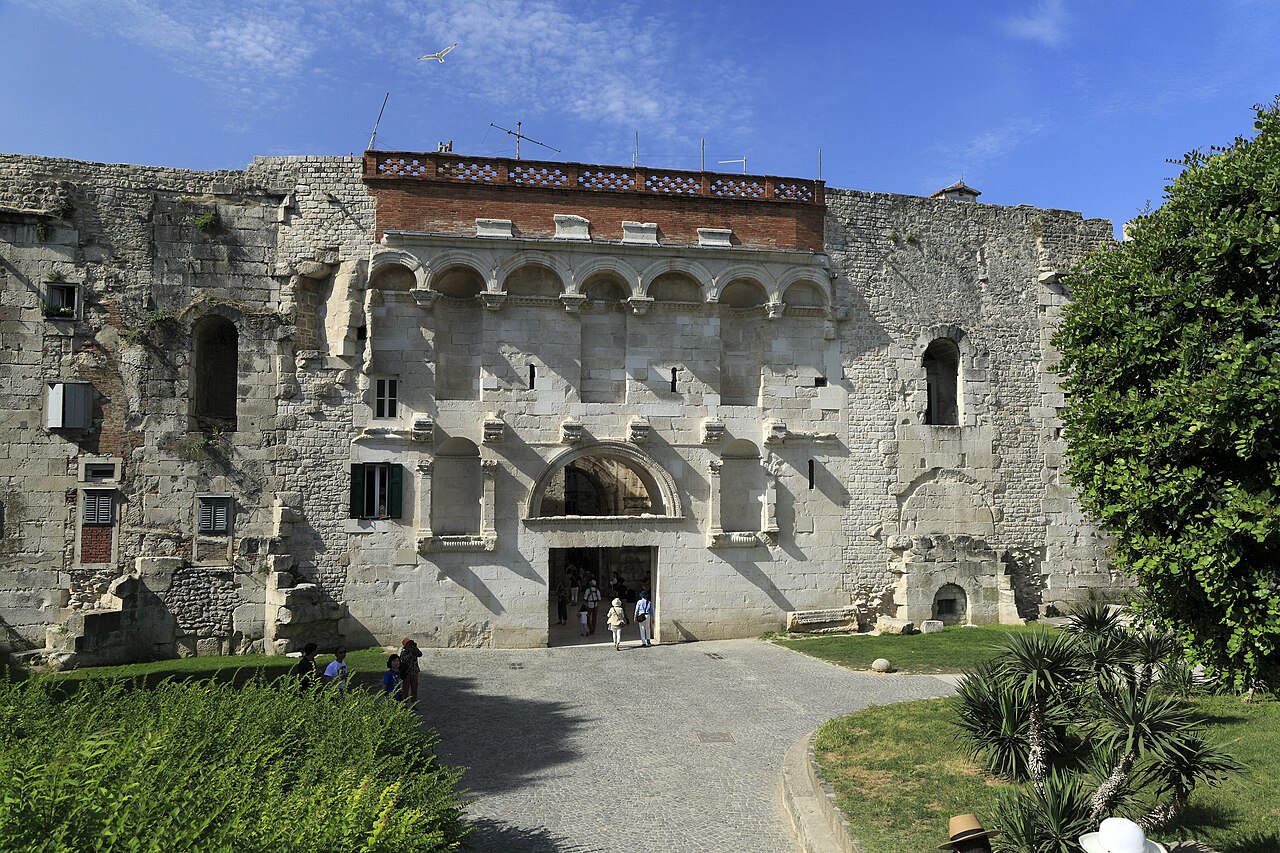
The museum resides within Diocletian's Palace in Split's historic core, accessible on foot from the Riva waterfront promenade. The palace perimeter defines the pedestrianized old town, making private vehicle access impractical. Public buses serve the broader city with stops near the palace gates. Split's main ferry port and bus terminal lie within comfortable walking distance for arriving passengers. The central train station sits similarly proximate. Wayfinding to the museum requires navigation of the palace's irregular medieval street pattern, where signage assists orientation through this dense urban fabric.
Checked 2026-08-26

The palace quarter's polished limestone surfaces become slippery when wet, requiring appropriate footwear caution. Summer heat intensifies within the stone enclosure, necessitating hydration and sun protection between indoor venues. Narrow passageways accommodate high pedestrian traffic with limited circulation space. The museum's historic building may present accessibility constraints including stairs and uneven flooring. Visitors should secure valuables against opportunistic theft in crowded tourist zones. Photography policies within exhibition spaces require observance of posted restrictions. Emergency exits and evacuation procedures merit brief familiarization upon entry.
Checked 2026-08-26

Photographic practice within Croatian municipal museums generally permits non-flash imaging for personal use while prohibiting professional equipment without prior arrangement. Specific restrictions apply to sensitive materials including manuscripts, textiles, and certain archaeological objects. Tripods and supplementary lighting typically require advance authorization. Visitors should respect signage indicating photography-prohibited zones and refrain from disruptive behavior affecting others' appreciation. Commercial or publication use demands formal permission from institutional authorities. The architectural setting itself offers extensive exterior photographic opportunities throughout the palace complex, subject to general respect for resident privacy and worship spaces.
Checked 2026-08-26
Yes, the museum occupies premises within the Diocletian's Palace complex, which forms the historic core of Split and constitutes a UNESCO World Heritage site.
The collections document Split's urban history from Roman antiquity through the medieval period and subsequent eras including Venetian, Austrian, and Yugoslav administrations.
Most visitors spend between sixty and ninety minutes; those with specialized interests in Dalmatian urban history may require additional time.
Operator-confirmed hours and prices are Not recorded pending review; prospective visitors should verify current information through official channels before planning their attendance.
The palace quarter is pedestrianized; public buses serve nearby stops, and the ferry port, bus terminal, and train station are all within walking distance.
The historic building may present constraints including stairs and uneven flooring; visitors with mobility considerations should inquire about specific access provisions in advance.
Loading the interactive map…
The interactive map could not be loaded.
Last updated:
Source: OpenStreetMap contributors, Wikidata ·