
.jpg)


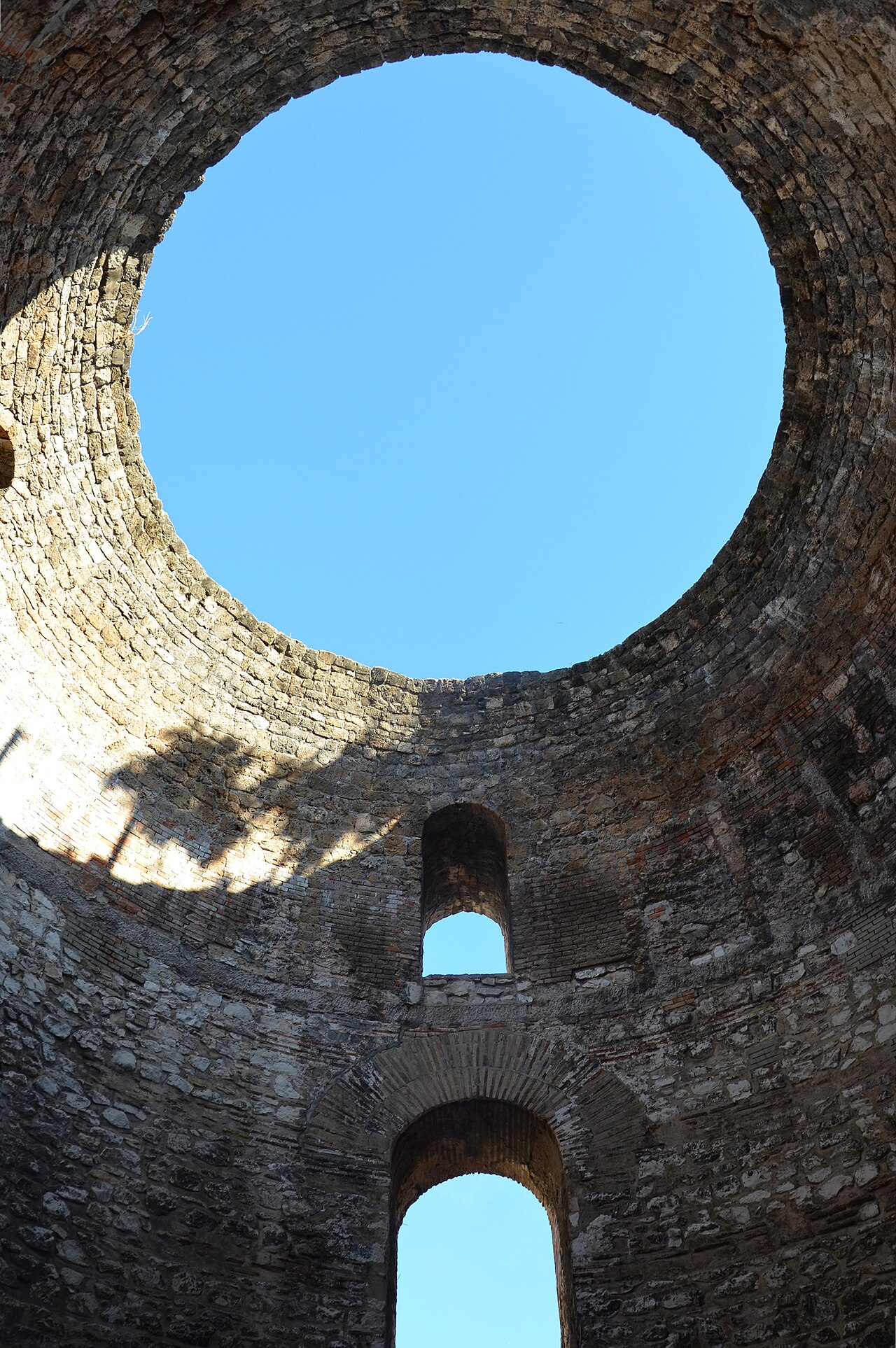
1 min walk
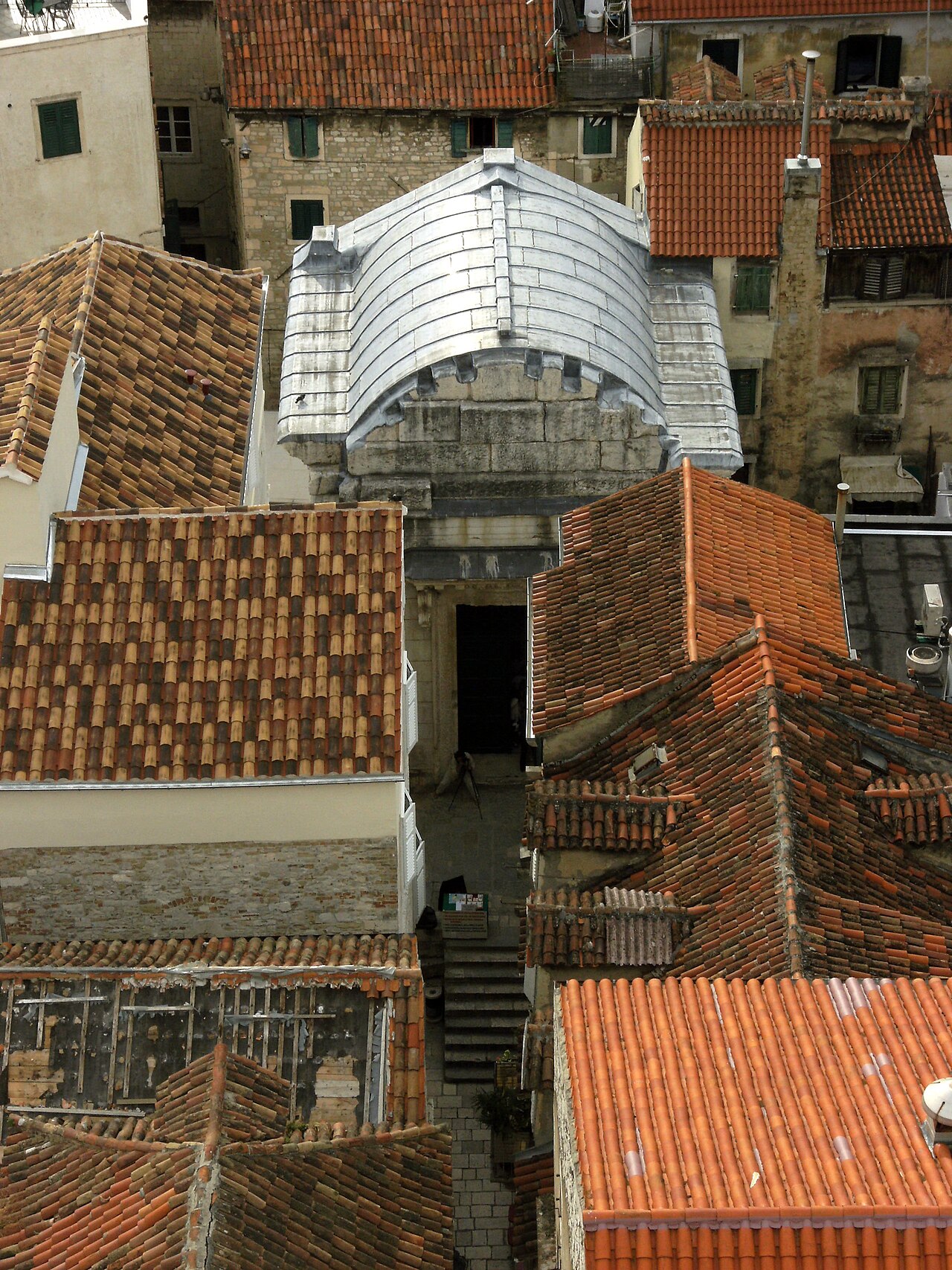
Vestibule
- Must see
- Historic monument
Language · 11 published
Historic monument · Split
Dioklecijanova palača

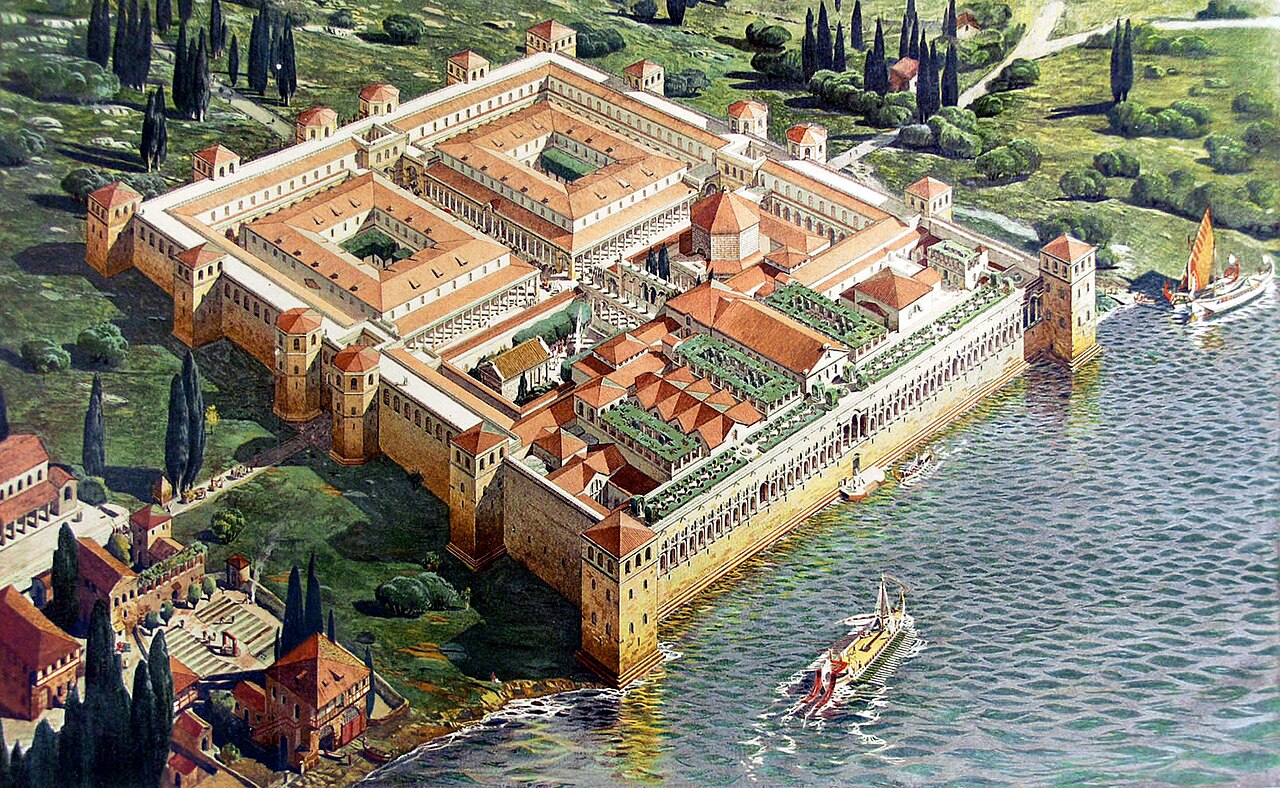
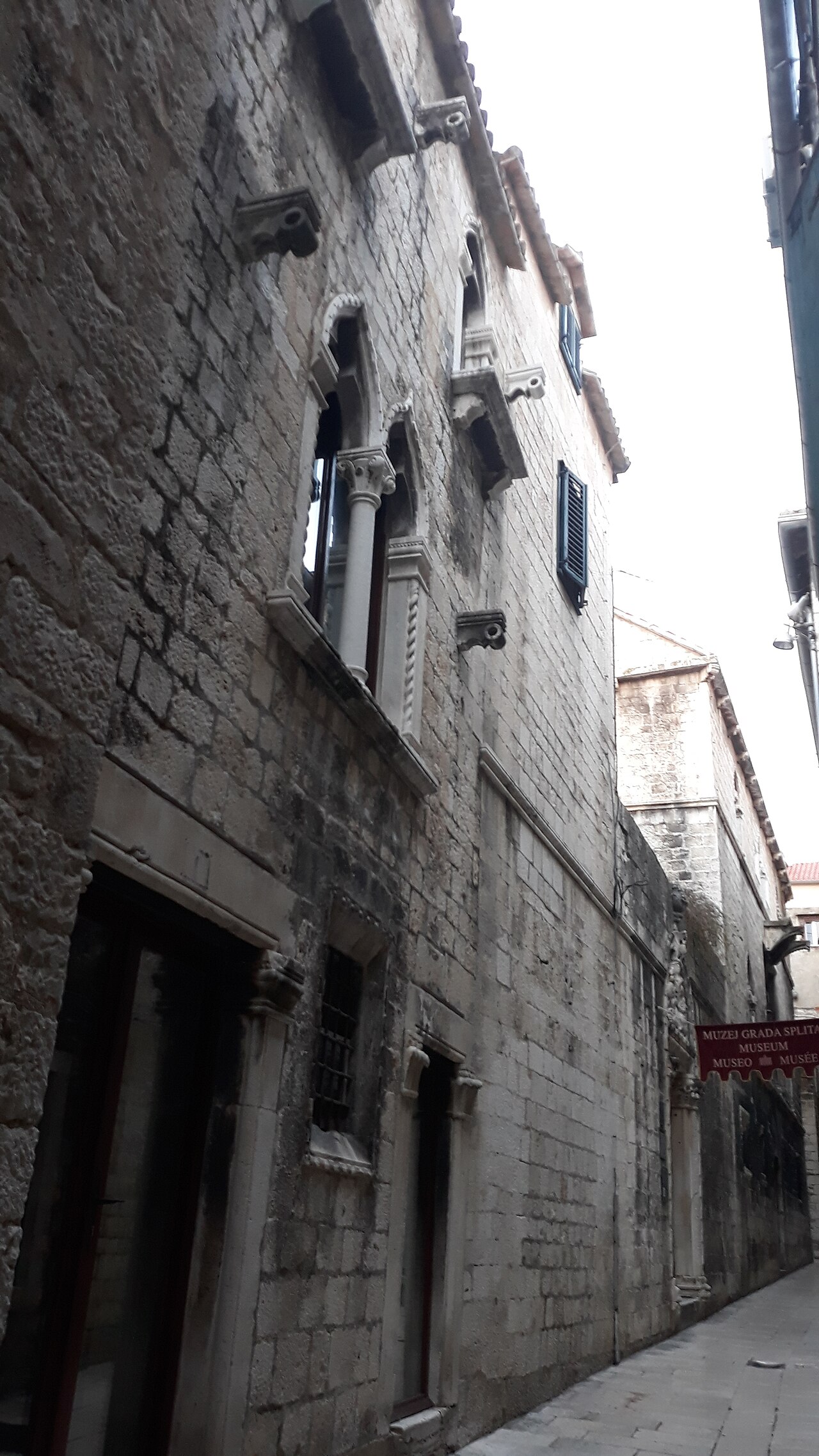
Diocletian's Palace is a Roman palace complex in Split, Croatia, built for Emperor Diocletian in the late third and early fourth centuries CE. The local name is Dioklecijanova palača. It forms the historic core of modern Split and represents one of the best-preserved examples of Roman palatial architecture in the world. The structure was originally a military fortress, imperial residence, and fortified town combined. Today it functions as a living urban centre with residences, shops, and restaurants integrated within ancient walls. The palace was designated a UNESCO World Heritage Site in 1979 as part of the Historic City of Split.
Checked 2026-08-26
The palace complex contains numerous architectural and historical features. The Peristyle, a central open courtyard with columns, serves as the main gathering space. The Cathedral of Saint Domnius occupies Diocletian's mausoleum, representing a remarkable conversion of pagan to Christian use. Underground cellars and substructures remain largely intact. Four monumental gates named after metals—Gold, Silver, Iron, and Bronze—provide access. Temple of Jupiter and various medieval buildings added over centuries are present. Narrow streets and alleys contain residential units, commercial establishments, and cultural spaces. The integration of ancient fabric with continuous habitation creates distinctive atmospheric conditions throughout the complex.
Checked 2026-08-26
Visitor duration varies considerably based on individual interests and thoroughness of exploration. A superficial walk through main areas including the Peristyle and cathedral exterior requires approximately one to two hours. Comprehensive examination of accessible substructures, detailed architectural observation, and cathedral interior visit extends duration substantially. Many visitors spend half a day within the palace boundaries, particularly when incorporating meals at establishments within the walls. The dense urban fabric encourages unhurried wandering. Photography enthusiasts and those interested in architectural history typically allocate longest periods. Evening return visits offer different atmospheric conditions worth experiencing separately from daytime exploration.
Checked 2026-08-26
Operator-confirmed hours are Not recorded pending review. Seasonal patterns affect visitor experience significantly. Summer months bring highest tourist volumes and Mediterranean heat, creating crowded conditions in narrow passageways. Spring and autumn offer moderate temperatures and reduced congestion. Winter presents quietest conditions though some commercial establishments may operate reduced schedules. Morning hours generally provide calmer conditions before cruise ship arrivals and day-tripper influx. Evening illumination of stone surfaces creates distinctive visual qualities. Religious services at the cathedral occur regularly and may affect access to specific areas. Local events and festivals occasionally concentrate visitors in particular zones unexpectedly.
Checked 2026-08-26

Operator-confirmed prices are Not recorded pending review. The palace complex functions as an open urban area without perimeter admission control for general street-level access. Individual attractions within the complex may operate separate fee structures. The cathedral and its tower, substructure areas, and certain museums or exhibitions likely require paid entry. Combination arrangements may exist for multiple paid components. Verification of current pricing requires consultation with official sources or on-site information. Budget-conscious visitors should identify which elements carry charges versus freely accessible areas. Cash and card acceptance varies by specific venue within the complex. Group arrangements and concessions may be available for qualifying visitors.
Checked 2026-08-26
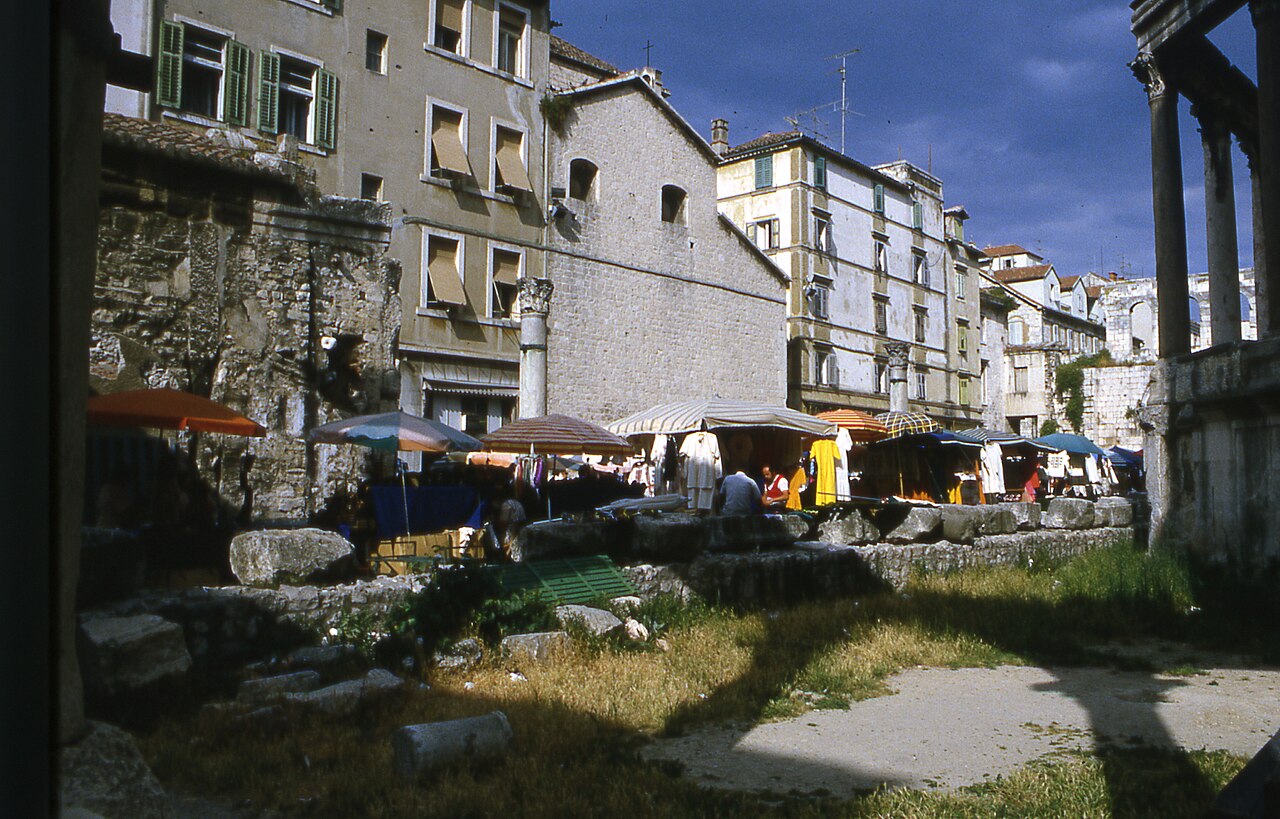
The palace occupies central Split adjacent to the Riva waterfront promenade. Pedestrian access predominates given the historic urban fabric. The main bus station and ferry port lie in immediate proximity, facilitating arrival by public transport from regional destinations. Split Airport connects to international destinations with ground transfer options to the city centre. Within the palace, navigation follows narrow pedestrian lanes unsuitable for vehicles. The four gates provide orientation reference points. Gold Gate approaches from the north, Silver from the east, Iron from the west, and Bronze from the south toward the sea. Street signage exists though the irregular medieval plan challenges straightforward navigation.
Checked 2026-08-26
Uneven stone surfaces throughout present trip hazards, particularly in substructures and worn thoroughfares. Appropriate footwear essential. Crowding in narrow lanes during peak season creates congestion and pickpocketing opportunities; secure valuables accordingly. Some areas lack barrier protection at height. Residential areas intermingle with tourist zones; respect private property and noise considerations. Cathedral access may be restricted during services. Unofficial guides may approach visitors; verify credentials if engaging services. Summer heat in stone enclosures intensifies; carry water and sun protection. Staircases in towers and substructures may be steep and without modern specifications. Evening lighting in some passages is limited. Commercial pressures in restaurants and shops require standard visitor vigilance.
Checked 2026-08-26
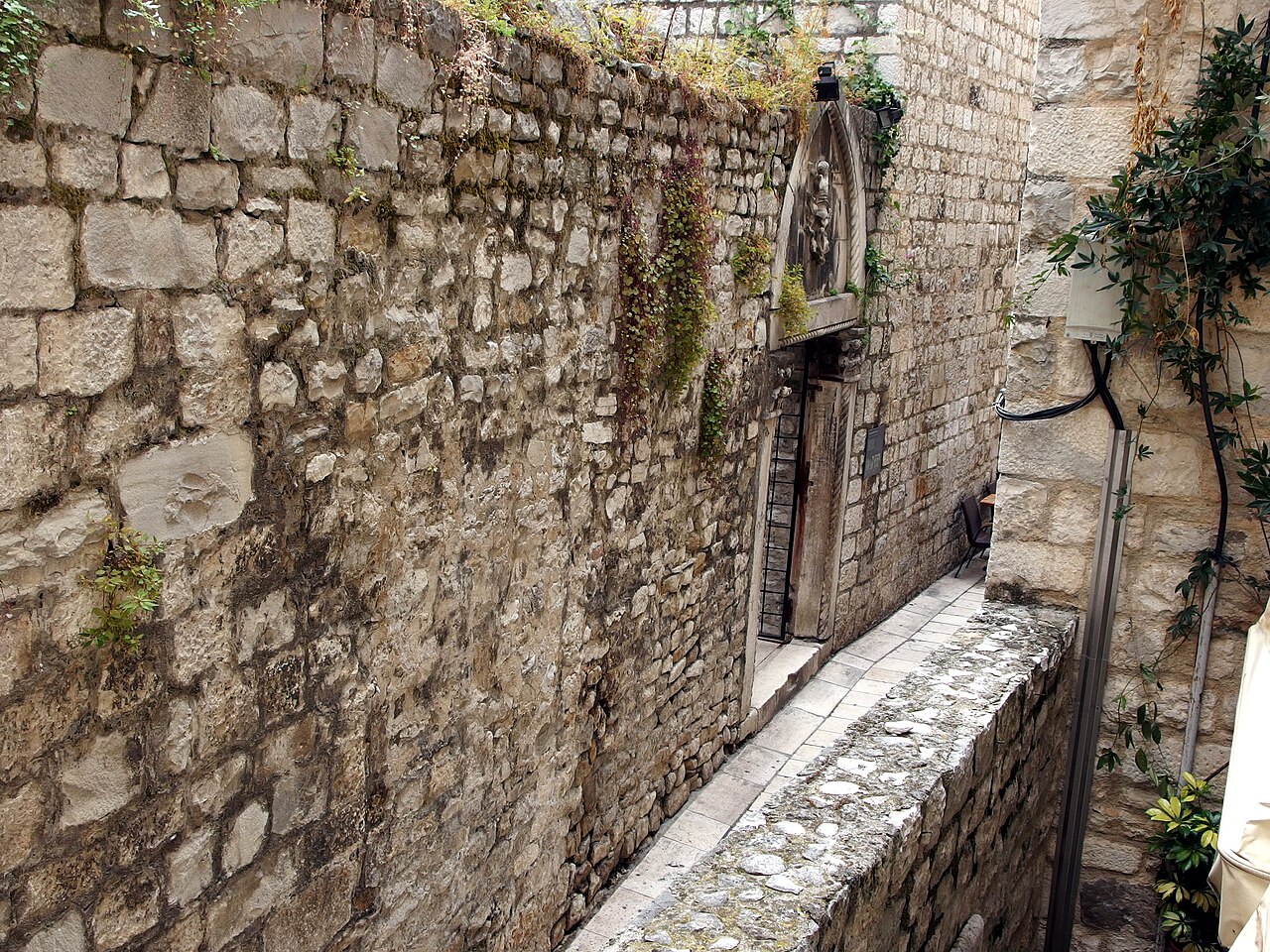
The palace offers extensive photographic subjects encompassing Roman architecture, medieval accretions, and contemporary life integration. The Peristyle provides classical composition opportunities with columns and open sky. Early morning and late afternoon deliver optimal natural lighting on stone surfaces. The cathedral tower offers elevated perspectives subject to access conditions. Substructures present atmospheric low-light challenges requiring appropriate equipment. Interior religious spaces may restrict photography; observe posted guidance and service times. Night photography benefits from artificial illumination schemes. Human activity within living spaces adds documentary interest though sensitivity to resident privacy warranted. The juxtaposition of ancient stonework with modern commercial signage creates layered visual narratives throughout the complex.
Checked 2026-08-26
It functions as both. The palace contains museums and historical attractions, but also remains a living urban area with permanent residents, shops, and restaurants integrated within the ancient structure.
General street-level access within the palace does not require tickets. Individual attractions inside, such as the cathedral, tower, and substructures, may have separate entry fees.
Construction occurred in the late third and early fourth centuries CE, making the structure approximately seventeen centuries old.
Tower access exists but is subject to separate entry requirements and may have operational restrictions not specified in available sources.
The substructures represent exceptionally preserved Roman engineering and are considered significant attractions, though individual assessment of interest varies.
The historic fabric presents challenges including uneven surfaces, stairs, and narrow passages. Modern accessibility standards are not uniformly implemented throughout the complex.
Loading the interactive map…
The interactive map could not be loaded.
Last updated:
Source: OpenStreetMap contributors, Wikidata ·