


1 min walk
Split Synagogue
- Must see · Heritage site
- Place of worship
Language · 11 published
Historic monument · Split
Željezna vrata
Read from the OpenStreetMap access tags; anything not listed has no tag recorded.
Set the group type to family in the planner and the day window contracts to about three quarters of a solo day.
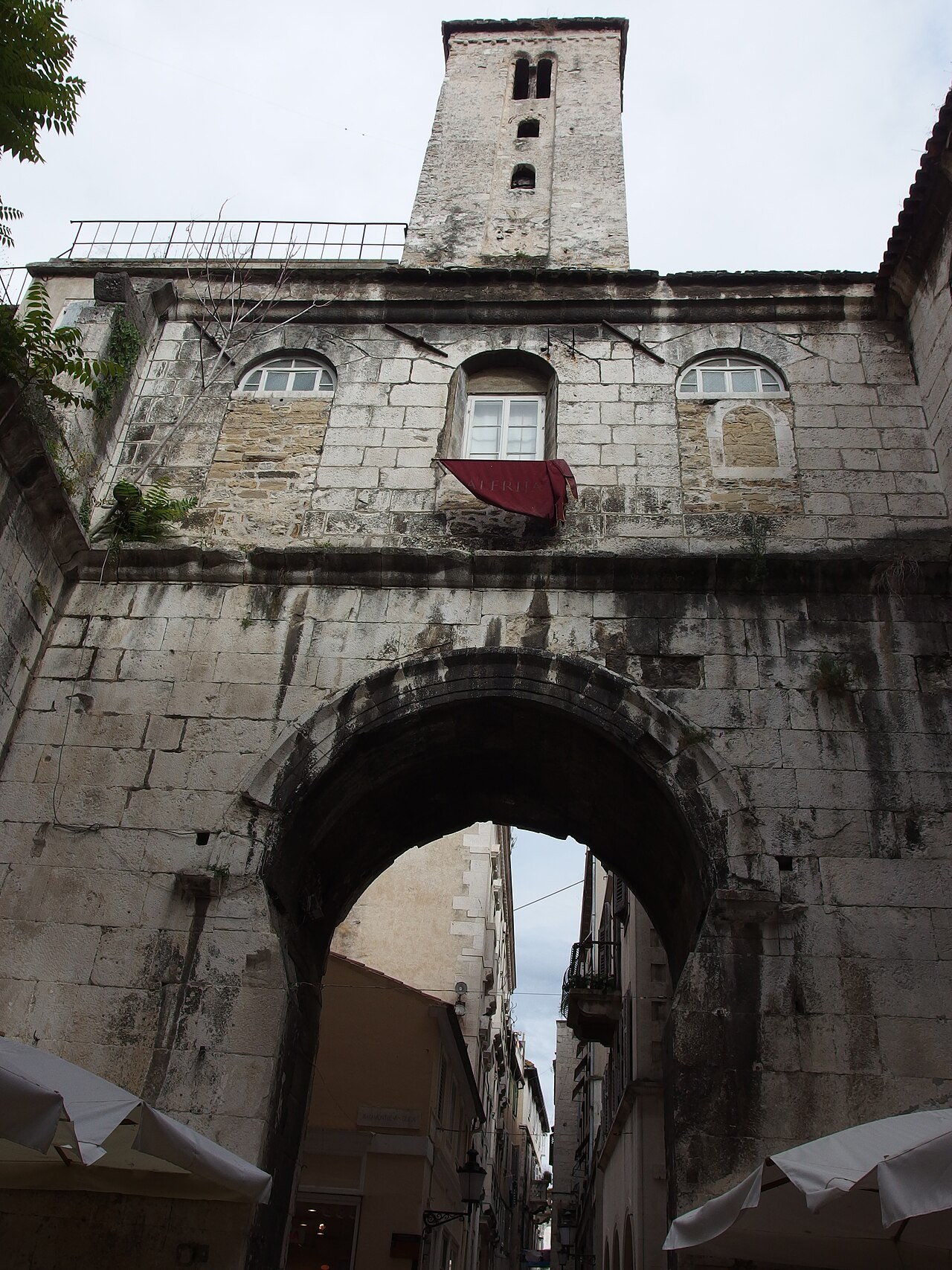
Iron Gate, locally Željezna vrata, stands among Split's retained visitor places within the historic core. This ancient passage forms part of the palace structure attributed to Roman emperor Diocletian, whose retirement complex fundamentally shaped the city's development. The gate represents one of multiple original entrances that controlled movement between the palace interior and surrounding areas. Its survival through centuries of urban evolution makes it significant for understanding how Roman military and residential architecture adapted over time. Visitors encounter genuine antiquity rather than reconstruction, with stone fabric bearing witness to prolonged use and intermittent modification by successive generations of inhabitants.
Checked 2026-08-26
The gate structure itself comprises a vaulted passageway through substantial masonry walls. Architectural features typical of Roman fortification are discernible in the construction, though specific decorative elements have undergone alteration across historical periods. The passage connects different sectors of the old city, functioning simultaneously as thoroughfare and monument. Adjacent spaces contain mixed historical fabric from medieval through early modern periods. No separate exhibition or interpretive installation is recorded within the gate proper. The surrounding streets hold commercial and residential premises that have accumulated organically around this ancient framework, creating layered urban texture that rewards attentive observation by visitors.
Checked 2026-08-26
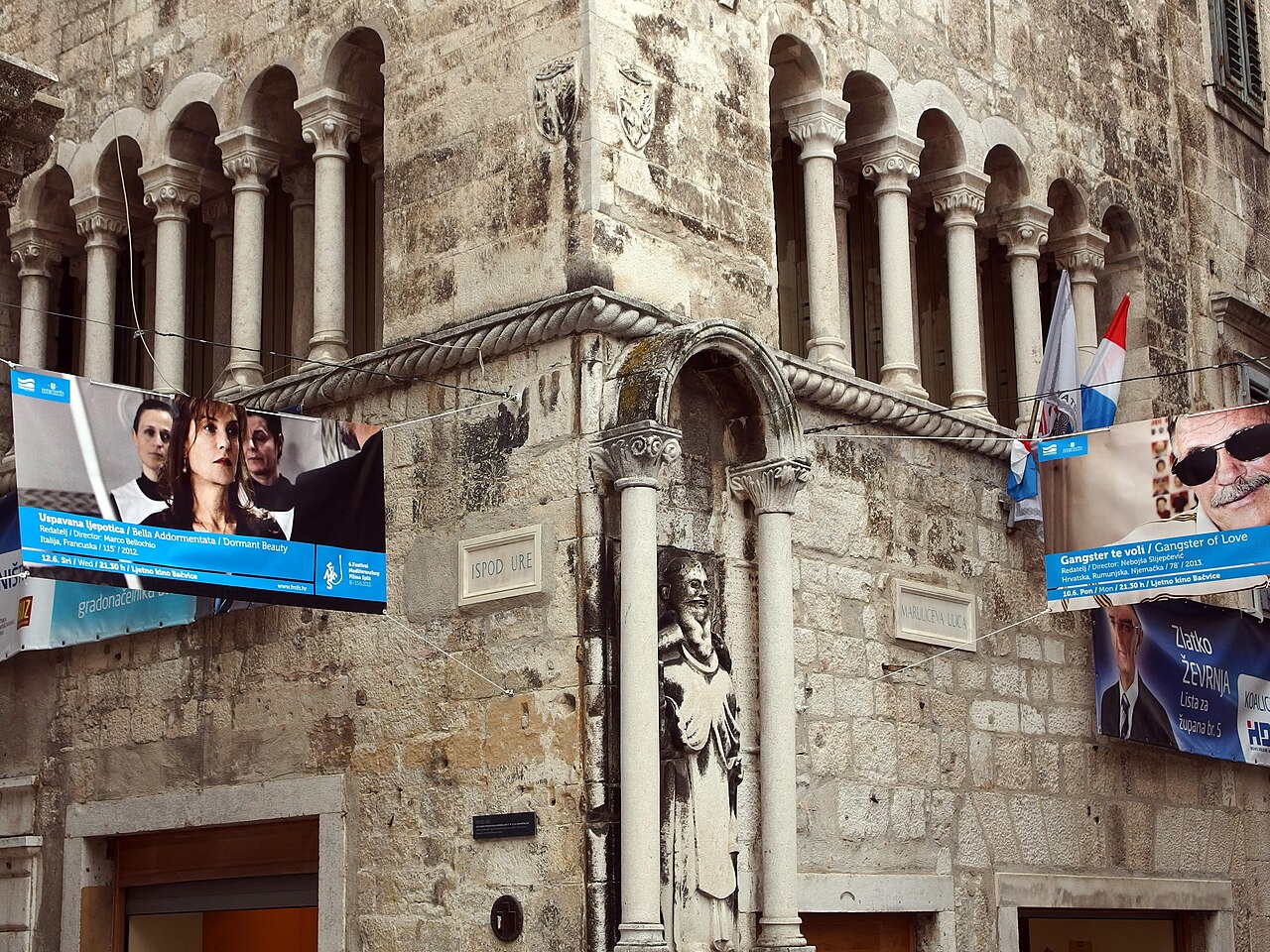
Individual passage through the gate requires minimal time, typically under five minutes for straightforward transit. Visitors inclined toward architectural study or photographic documentation should allocate fifteen to thirty minutes for satisfactory engagement. The experience extends naturally through exploration of connected streets within Diocletian's Palace complex, where numerous additional historical features demand attention. Comprehensive examination of the broader palace area occupies multiple hours across separate visits. Evening return visits offer different atmospheric conditions as artificial lighting transforms stone surfaces. No guided service specifically attached to this gate is recorded, though general palace tours may include reference to this entrance within their itineraries.
Checked 2026-08-26
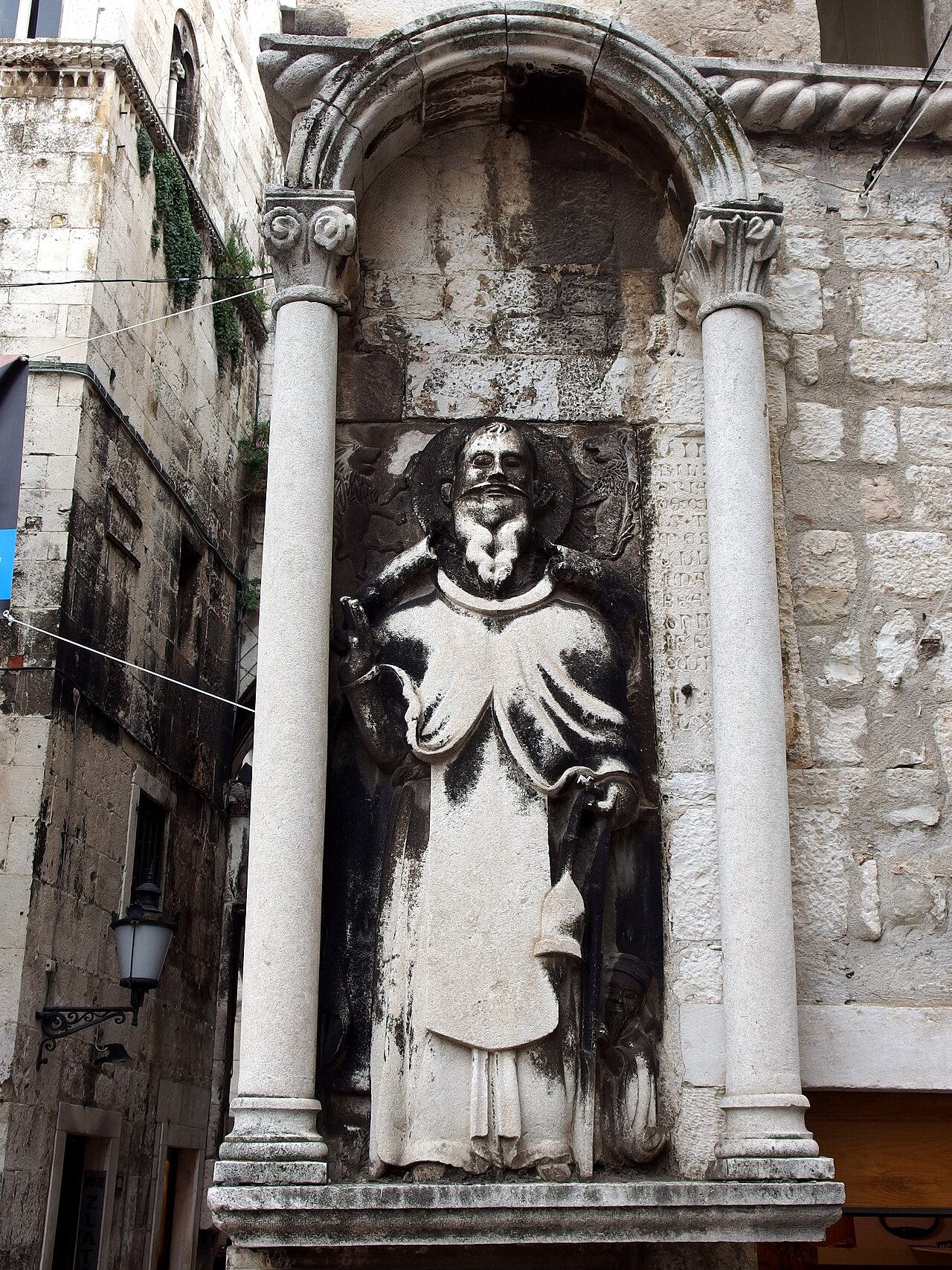
The gate functions as public thoroughfare accessible at all hours without restriction. Seasonal patterns of tourist concentration affect visitor experience significantly, with summer months bringing highest foot traffic through this narrow passage. Early morning and late evening periods offer reduced crowding for those prioritising contemplative engagement. Weather conditions matter little given the covered nature of the passage, though adjacent open areas expose visitors to sun and precipitation. Local events and religious processions occasionally route through this area, creating temporary access variations that visitors should anticipate with flexible planning. Check the operator's own site for the travel date before relying on a schedule or fare.
Checked 2026-08-26
No admission charge applies for passage through this public right-of-way. The gate serves functional circulation purposes for residents and visitors alike, precluding ticketed entry mechanisms. Associated costs arise only if visitors choose guided interpretation or adjacent commercial services. Photography without supplementary equipment appears unrestricted based on observable practice. Visitors should verify current conditions through official municipal or conservation authority channels before travel, particularly regarding any recent policy modifications affecting access protocols or commercial filming permissions that may have been introduced since this compilation.
Checked 2026-08-26
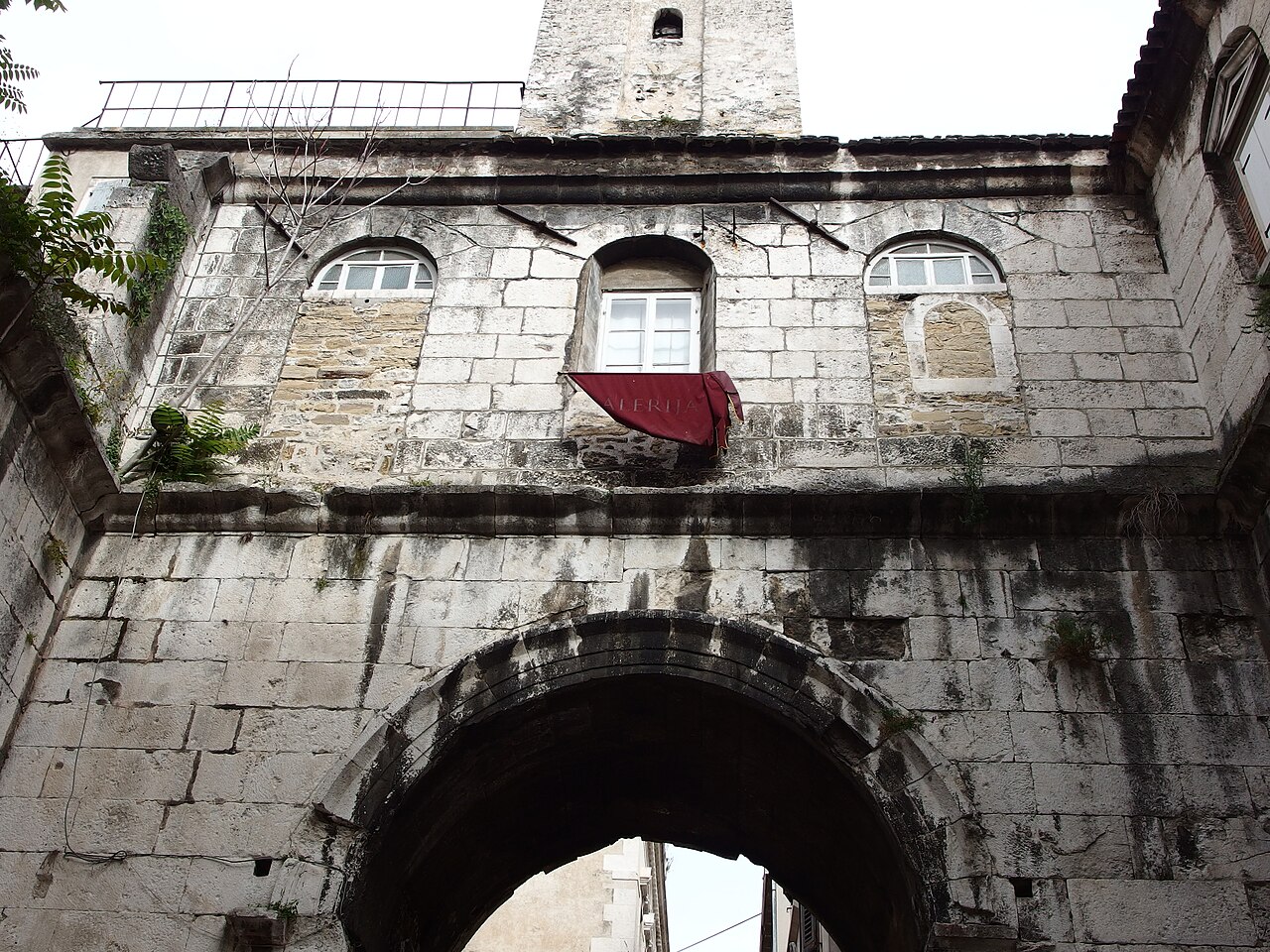
The gate sits within Split's pedestrianised historic centre, inaccessible to private vehicles. Walking from the Riva waterfront promenade or main square areas requires approximately five to ten minutes through established tourist routes. Public bus services terminate at perimeter locations, necessitating final approach on foot. The ferry port and main bus station lie within reasonable walking distance for travellers arriving by sea or intercity coach. Street signage in the palace area can prove confusing due to irregular medieval layout; visitors benefit from map consultation or GPS assistance. Cobblestone surfaces and occasional steps present mobility challenges requiring appropriate footwear and caution.
Checked 2026-08-26
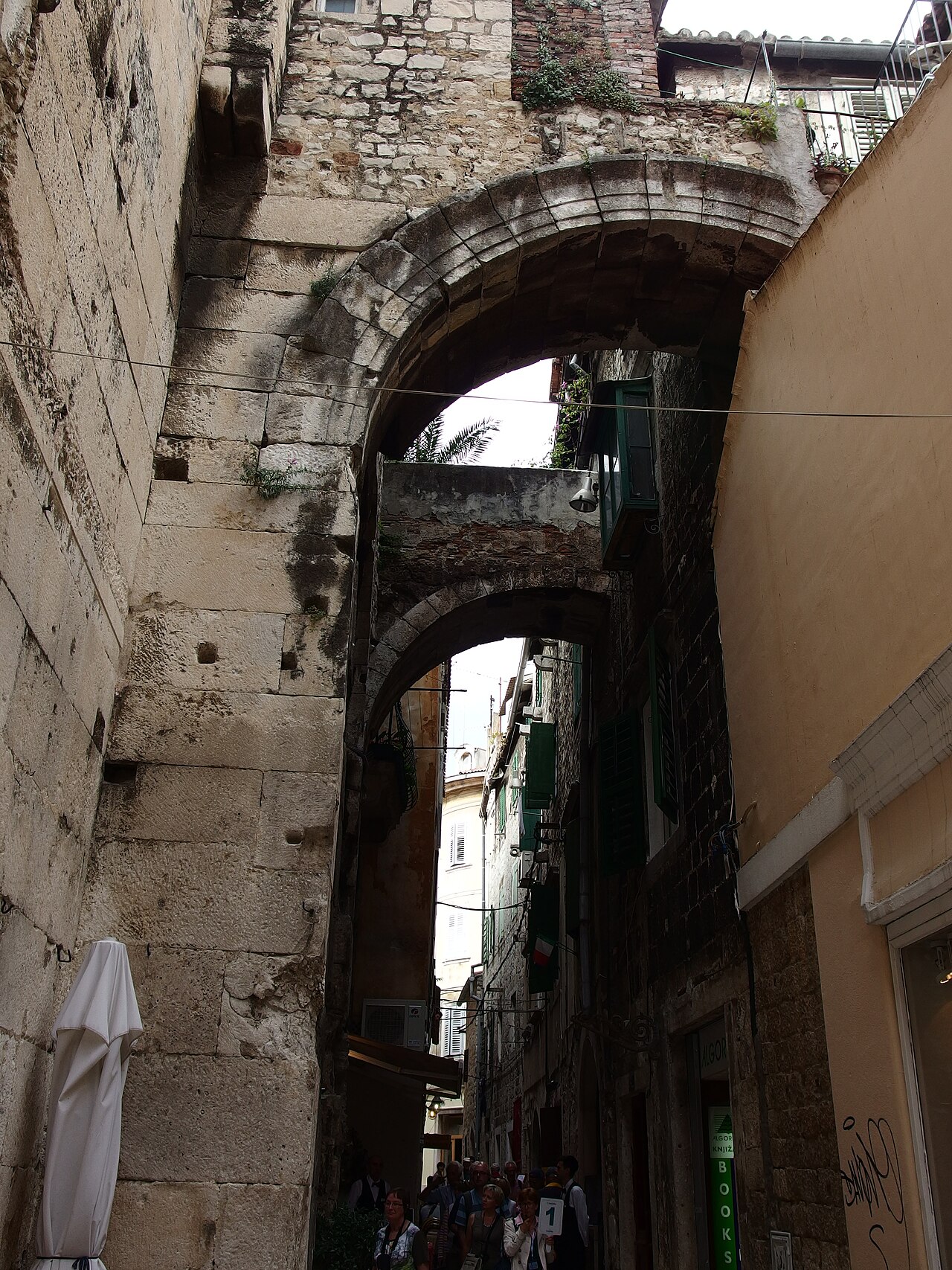
Narrow passage dimensions create congestion points where pedestrian flow bottlenecks during peak visitation. Cyclists occasionally traverse the gate despite apparent pedestrian priority, requiring alertness. Stone surfaces become slippery under wet conditions, demanding careful foot placement. Pickpocketing risk elevates in crowded confined spaces; secure storage of valuables merits attention. The surrounding area contains aggressive commercial solicitation from certain tour operators and restaurants. Structural features present head-height hazards for taller visitors in vaulted sections. Nighttime passage through poorly lit adjacent streets warrants standard urban precautions. No specific safety infrastructure or personnel presence is recorded for this particular location.
Checked 2026-08-26
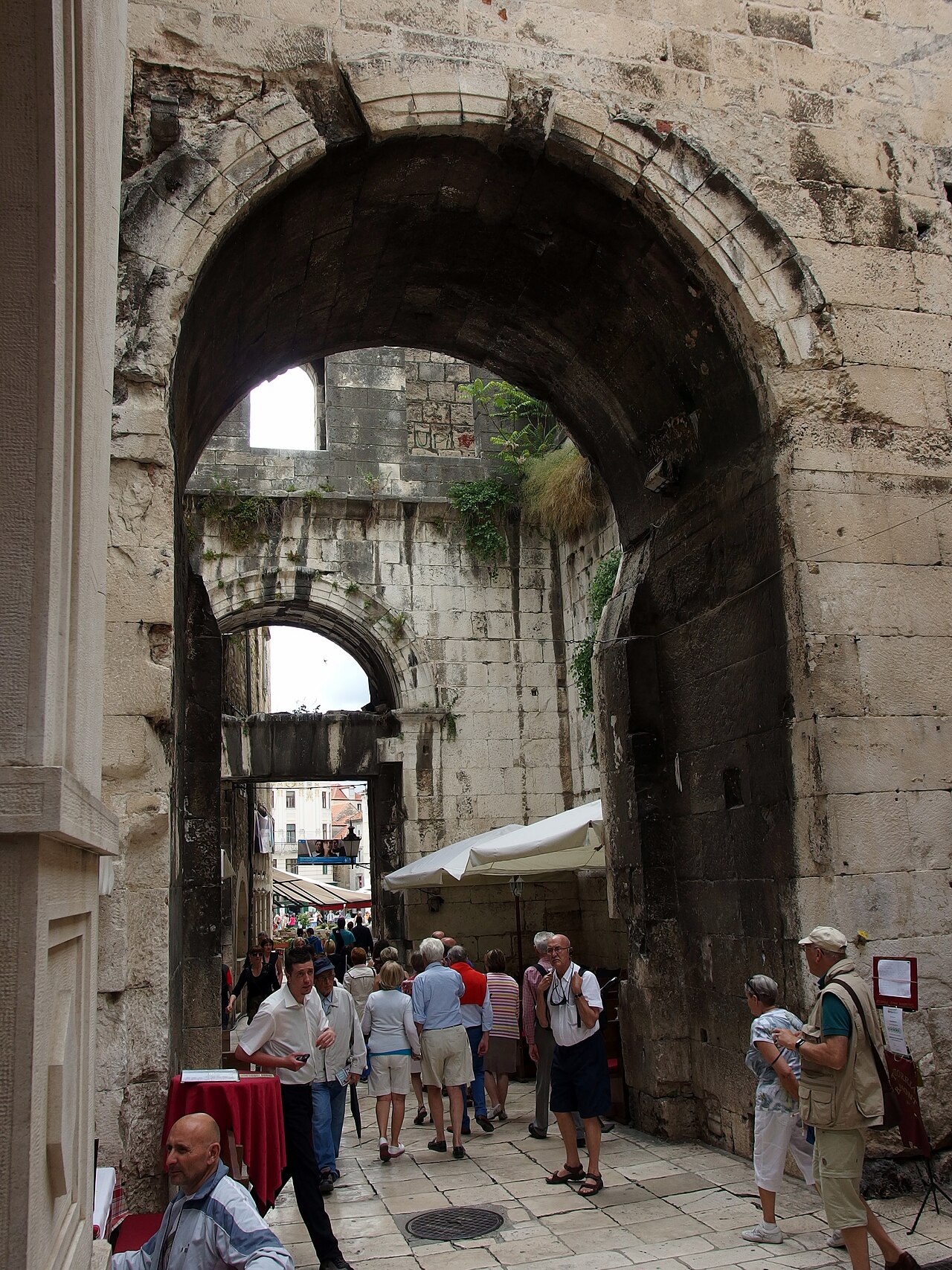
The gate's constrained proportions challenge photographic composition, particularly for wide-angle capture of architectural entirety. Available light varies dramatically between day and night conditions, each offering distinct aesthetic possibilities. Morning illumination penetrates certain angles of the passage with notable effect. Tripod deployment appears practically difficult given continuous pedestrian movement and limited standing room. Flash photography seems technically unnecessary given moderate enclosure dimensions. Respect for passing pedestrians should govern any prolonged stationary positioning. No photography restrictions are explicitly recorded, though commercial or professional filming may require permit arrangements through appropriate authorities. Patience yields superior results during transient low-traffic moments.
Checked 2026-08-26
No. These are distinct original entrances to Diocletian's Palace with different locations and characteristics within the complex.
No. The historic centre including this gate is pedestrianised; access is exclusively on foot.
No. The structure functions as passage without internal exhibition facilities.
No. The gate is freely accessible public thoroughfare without booking requirement.
Cautious judgement suggests potential difficulty due to historic cobblestones and possible steps; specific accessibility verification is advised.
The structure originates from Roman period construction of Diocletian's Palace, approximately late third to early fourth century, though exact dating is Not recorded.
Loading the interactive map…
The interactive map could not be loaded.

Last updated:
Source: OpenStreetMap contributors, Wikidata ·