
1 min walk
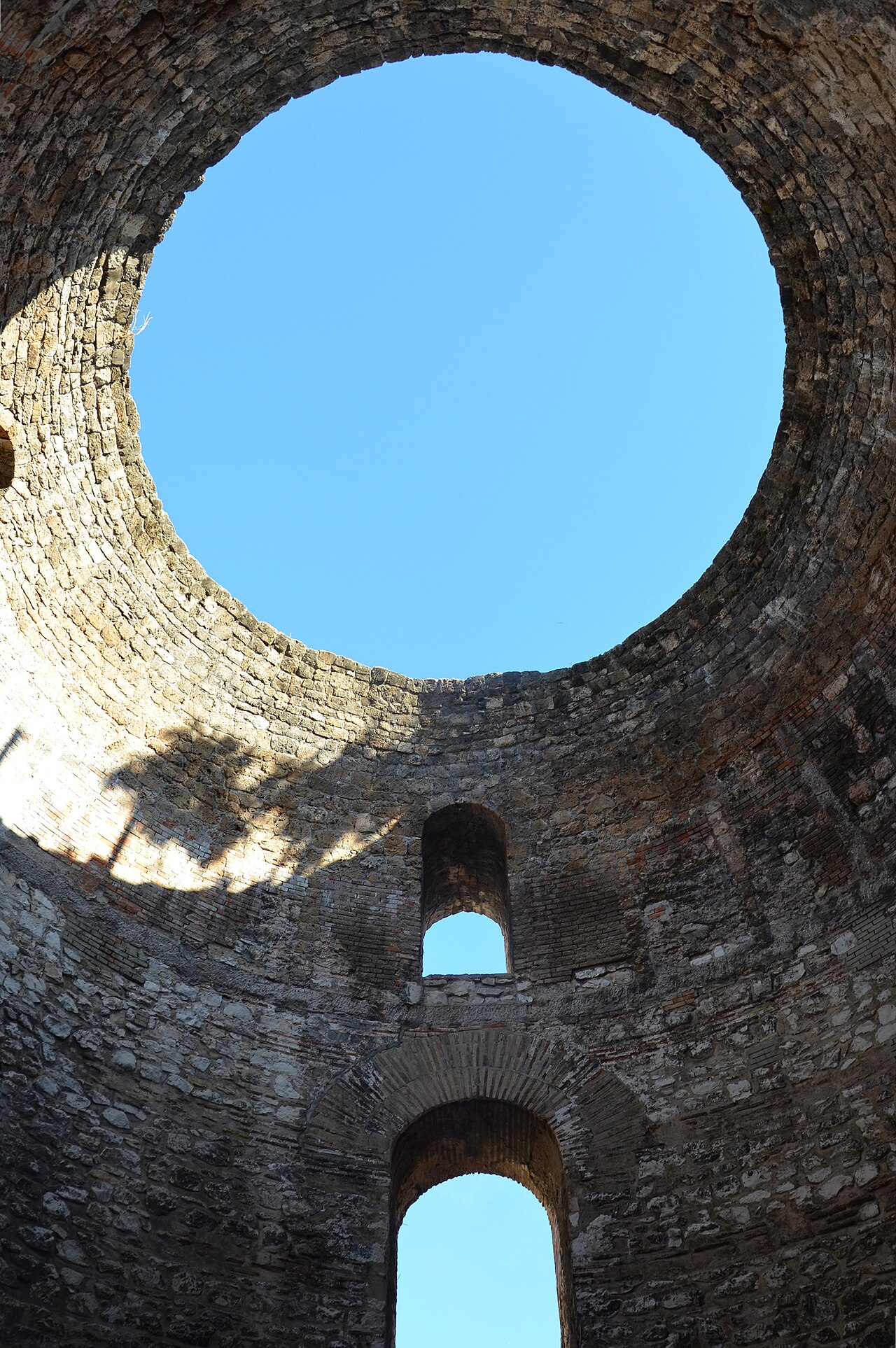
Vestibule
- Must see
- Historic monument
Language · 11 published
Historic monument · Split
Podrumi Dioklecijanove palače
| Monday | 08:30 – 20:00 |
|---|---|
| Tuesday | 08:30 – 20:00 |
| Wednesday | 08:30 – 20:00 |
| Thursday | 08:30 – 20:00 |
| Friday | 08:30 – 20:00 |
| Saturday | 08:30 – 20:00 |
| Sunday | 08:30 – 20:00 |
Checked 2026-08-31 · Source
Read from the OpenStreetMap access tags; anything not listed has no tag recorded.
Set the group type to family in the planner and the day window contracts to about three quarters of a solo day.
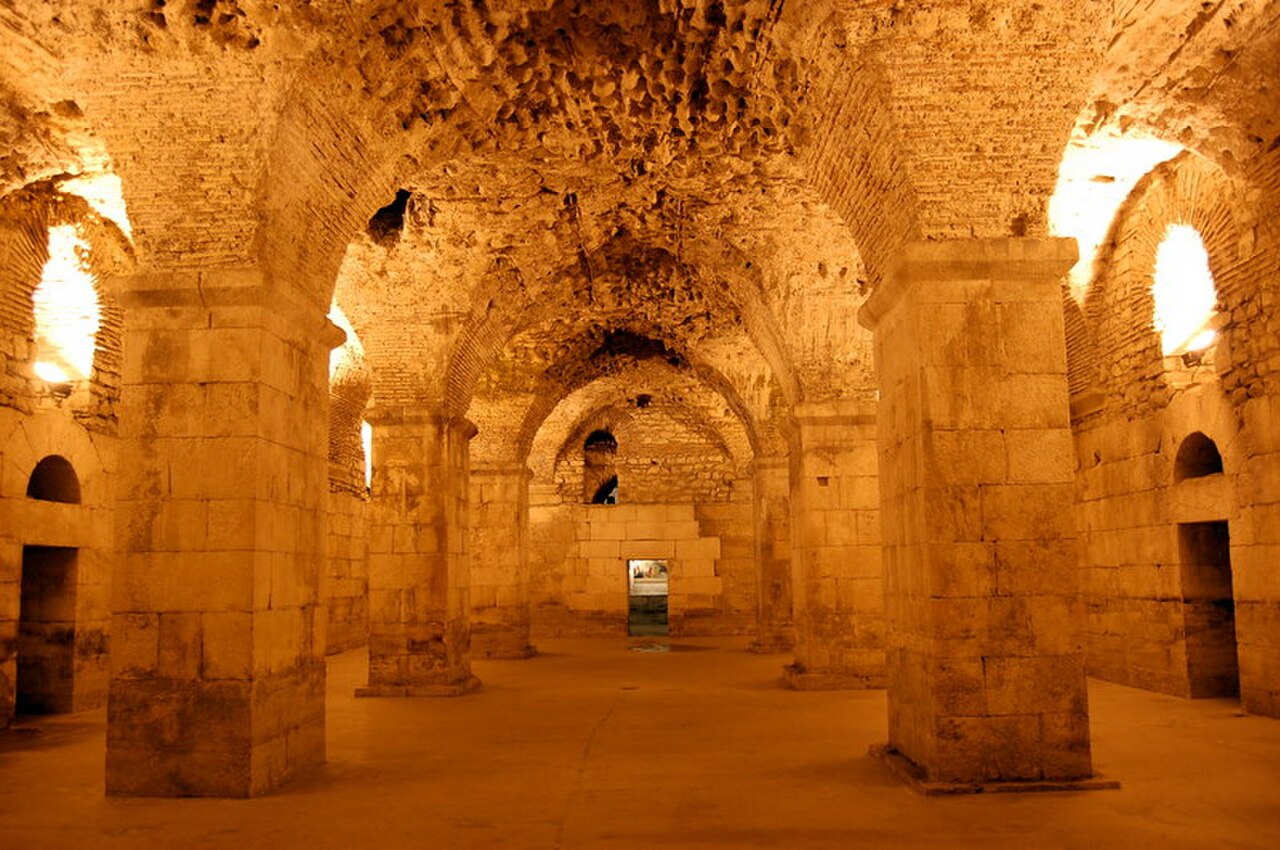
The Basements of Diocletian's Palace, known locally as Podrumi Dioklecijanove palače, constitute the subterranean level of the ancient Roman palace built for Emperor Diocletian in the fourth century CE. These preserved underground chambers form part of the UNESCO World Heritage Site in Split's historic core. The basements mirror the layout of the original imperial residence above, offering visitors insight into Roman engineering and the palace's structural foundation. They now serve as exhibition and market spaces within the living city.
Checked 2026-08-26
The basement complex contains a series of vaulted stone halls and corridors that originally supported the emperor's residential quarters. Today, these spaces host artisan stalls selling local crafts, jewelry, and souvenirs. The architecture demonstrates Roman construction techniques with its granite columns, brickwork, and barrel vaulting. The basements connect to other palace areas including the Peristyle and the Bronze Gate entrance. Interpretive displays about palace history appear in some sections. The atmosphere remains consistently cool due to the underground setting.
Checked 2026-08-26
Visitors typically spend between thirty minutes and one hour exploring the basement halls, though duration varies with interest in shopping and photography. The linear corridor layout permits efficient passage for those seeking transit between palace zones. Extended visits occur during market hours when browsing stalls. The space connects multiple surface areas, so some visitors traverse portions repeatedly. No guided tour duration is recorded. Self-paced exploration suits the open configuration. Combine with above-ground palace sites for a comprehensive visit. Basements of Diocletian's Palace also earns time in a split itinerary because A ranked split visitor place retained from the fact pack; no exact production city-pool match was accepted. Its value becomes clearer when the stop is compared with the surrounding streets and the other ranked places nearby.
Checked 2026-08-26
The basements function as a thoroughfare with varying access depending on market operations and seasonal tourism patterns. Split experiences peak visitor concentration during July and August. Morning hours generally offer reduced crowding in the historic core. Winter months provide quieter exploration though some commercial activity may diminish. The underground environment maintains stable temperature regardless of season. Visitors should verify current accessibility before planning, as the space serves multiple functions that may affect entry times. Check the operator's own site for the travel date before relying on a schedule or fare.
Checked 2026-08-26
Access policies vary by zone and function within the basement complex. Some areas operate as public passageways without charge. Sections hosting commercial exhibitions or special displays may implement separate fee structures. The basements connect to ticketed palace museums and sites, though independent pricing for basement-specific entry remains unverified. Visitors should expect to encounter both free-access corridors and potentially controlled areas. Cash and card acceptance at any entry points is not documented. Current fee verification is advised locally. Check the operator's own site for the travel date before relying on a schedule or fare.
Checked 2026-08-26
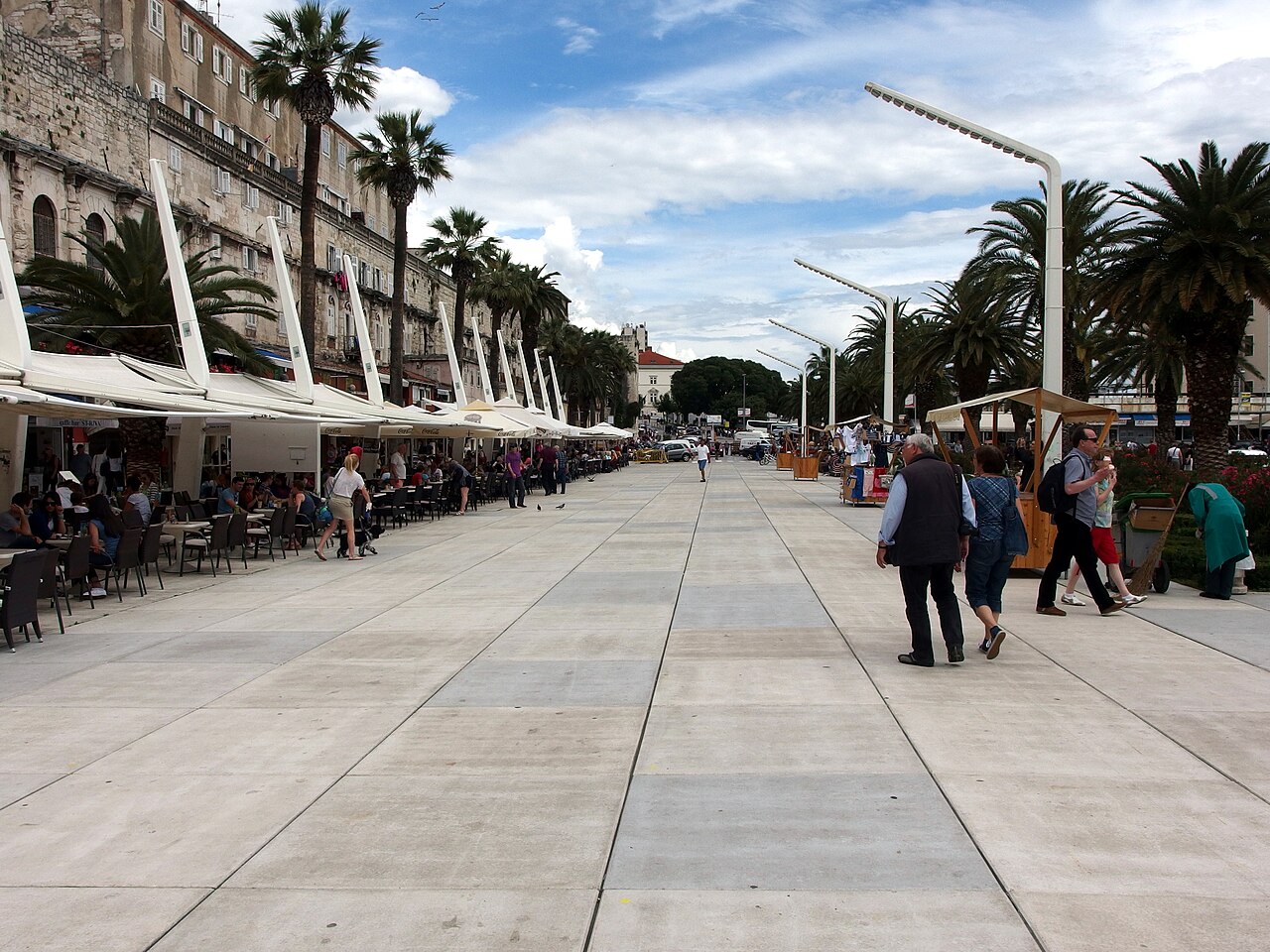
The basements lie within Split's pedestrianized historic center, accessible on foot from the Riva waterfront promenade through the Bronze Gate or from the Peristyle square. No vehicle access penetrates the palace core. Public buses serve peripheral stops with walking approaches through narrow stone streets. The ferry terminal and main bus station sit approximately ten to fifteen minutes walk west. Taxis and rideshares deposit passengers at zone periphery. Signage within the palace complex directs visitors to basement entrances. Navigation requires comfort with uneven ancient paving and steps.
Checked 2026-08-26
The stone floors throughout remain uneven, worn smooth, and potentially slippery, requiring sturdy footwear with grip. Ceiling height varies in vaulted sections. Low lighting in some corridors demands attention to footing. The space floods partially during exceptional high water events, though drainage systems exist. Crowding concentrates at market times and during cruise ship arrivals. Pickpocketing risk elevates in dense visitor conditions. No emergency exits are prominently marked in all sections. The cool damp environment may affect respiratory conditions. Children require close supervision near unbarriered architectural edges.
Checked 2026-08-26
Photography is generally permitted in the basement corridors and halls, though flash use may disturb other visitors in confined spaces. Tripod deployment likely obstructs pedestrian traffic in narrow passages and is discouraged. Commercial photography or filming may require advance arrangement with site management, though specific policies are unrecorded. Market vendors may object to direct photography of merchandise or stalls without permission. The challenging lighting conditions—low natural illumination with mixed artificial sources—demand camera adjustment. The symmetrical vaulting and ancient stonework offer compositional opportunities for patient photographers.
Checked 2026-08-26
Yes, the Podrumi form the subterranean level of Diocletian's Palace, lying entirely beneath the current street and building level, though they connect to multiple surface entry points.
The basements connect to various palace zones and public thoroughfares; independent access routes exist though specific entry policies for non-connected visitors are not recorded.
Permanent seating installations within the basement corridors are not recorded; the space primarily functions as a passage and market area with standing conditions.
Accessibility provisions are not recorded; the ancient structure features uneven stone surfaces, steps, and narrow passages that present significant barriers to standard wheelchair navigation.
Exceptional flooding has occurred during severe weather events; drainage infrastructure exists though visitors should exercise caution and verify conditions during adverse weather periods.
Dedicated basement tour availability is not recorded; the space is typically experienced through self-guided exploration or as part of broader Split walking tours covering the palace complex.
Loading the interactive map…
The interactive map could not be loaded.

Last updated:
Source: OpenStreetMap contributors, Wikidata ·