


22 min walk
Yongxingfang
- Must see
- Historic monument
Language · 11 published
Nature site · Xi'an
兴庆宫公园
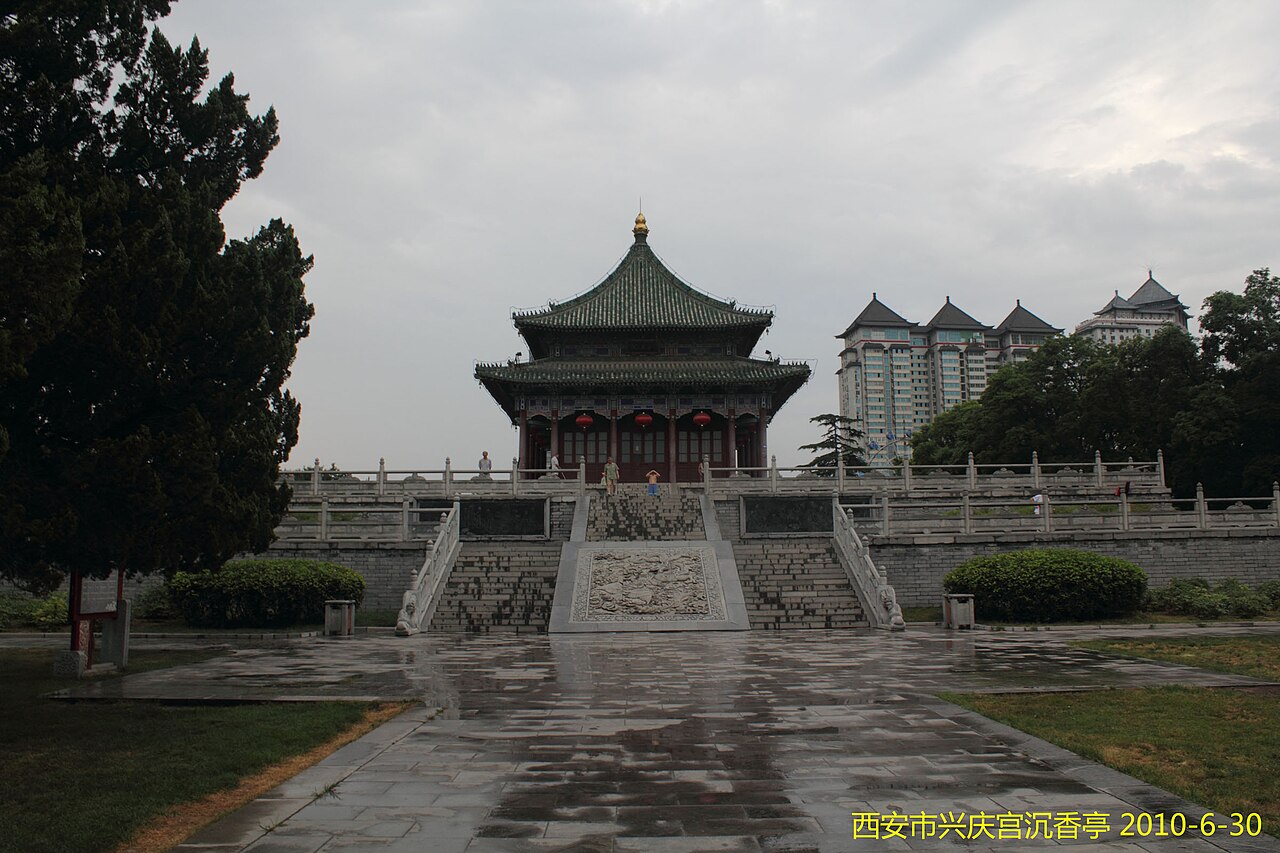
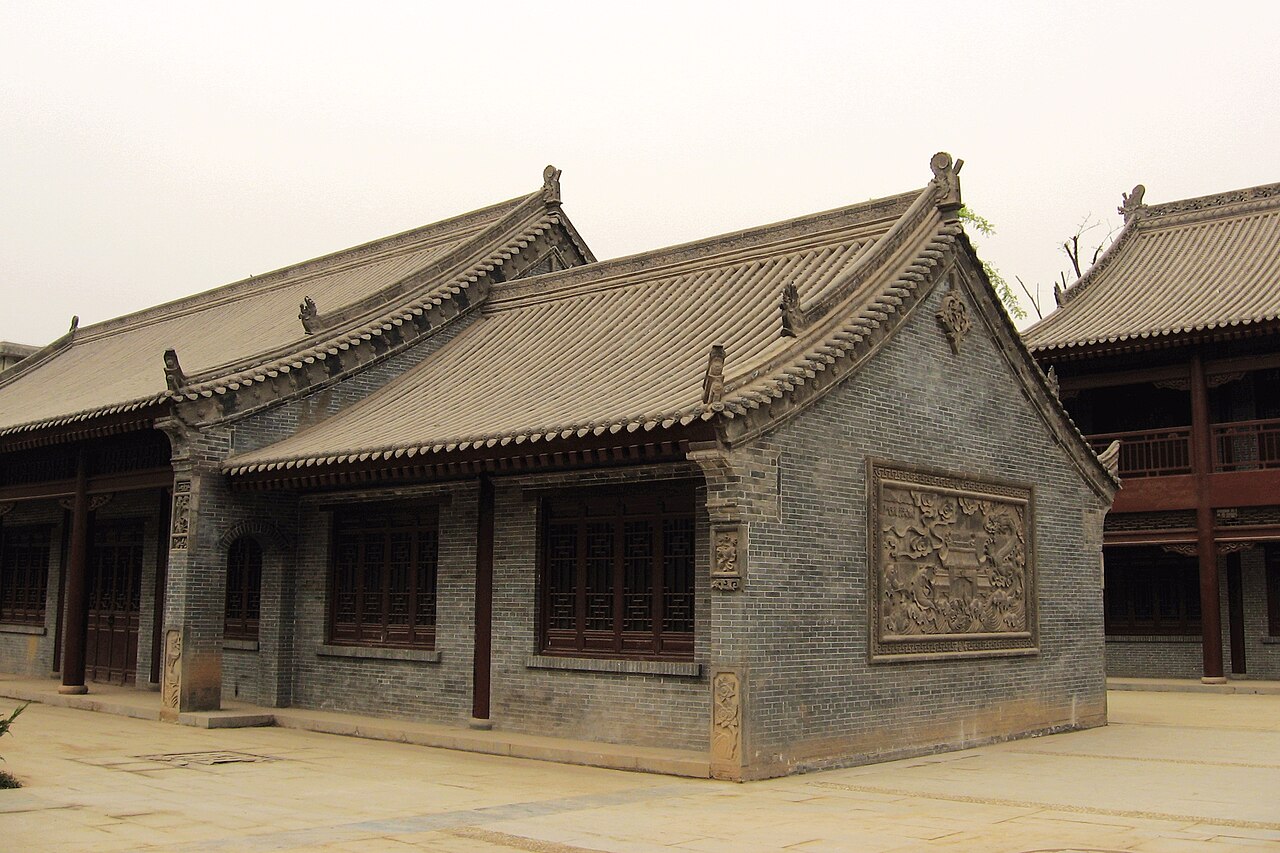
Xingqing Palace Park is a public park in eastern Xi'an on the site of historic Xingqing Palace, once a political and residential center during the Tang dynasty. The modern park combines reconstructed heritage architecture, landscaped grounds, and everyday local recreation. It suits travelers who want Tang-era atmosphere in a relaxed setting where historical interest and ordinary city life share the same space. Xingqing Palace Park is a public park in Xi'an, China, developed on the site of the historic Xingqing Palace. The original palace served as a political and residential center during the Tang dynasty. The modern park preserves this heritage through reconstructed architecture and landscaped grounds. It functions as both a recreational space for residents and a cultural destination for visitors interested in Tang dynasty history. The park occupies a significant area in the eastern part of Xi'an. A flexible visit lets travellers connect Xingqing Palace Park with the rest of the day without treating one room, viewpoint or photograph as the whole experience. The useful pace depends on personal interest and conditions on arrival. The original Xingqing Palace served as an important political and residential center during the Tang dynasty, one of China's most culturally significant imperial periods.
Checked 2026-08-26 · Source
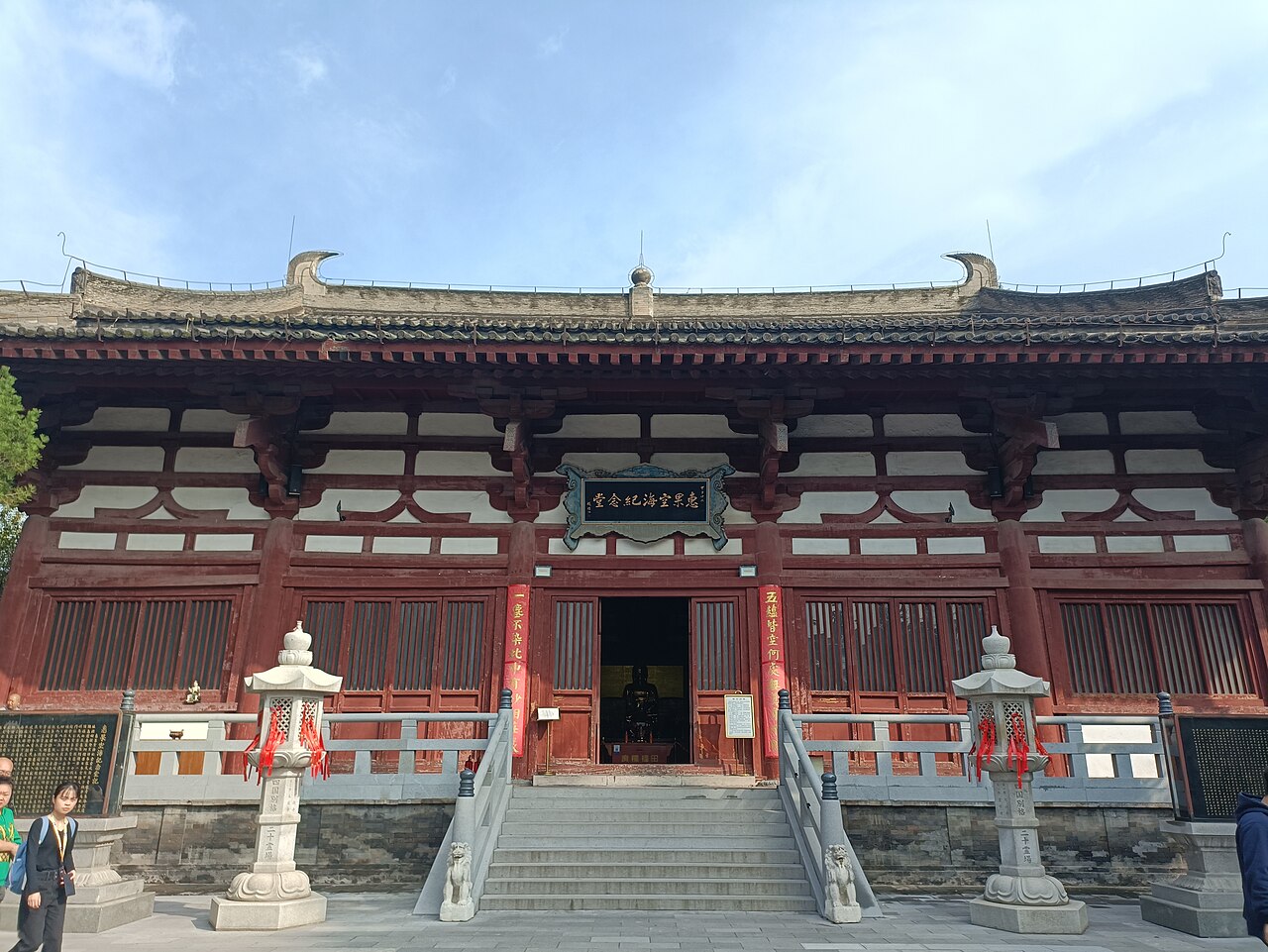
Explore reconstructed palace buildings, pavilions, gardens, monuments, mature trees, and a central lake. Paths connect the architectural features and allow an easy-paced walk through water, vegetation, and Tang-inspired design. The park works as both a heritage landscape and a neighborhood green space, so expect a mixture of visitors studying the site, residents relaxing, and people enjoying the open grounds. The park contains reconstructed palace buildings, pavilions, and landscaped gardens that evoke Tang dynasty aesthetics. A central lake features prominently in the design, reflecting traditional Chinese garden principles. Historical monuments and steles commemorate the site's imperial past. Mature trees and seasonal plantings provide shade and visual interest throughout the grounds. Pathways connect various architectural features, allowing visitors to explore at leisure. The combination of water, architecture, and vegetation creates a classical Chinese garden atmosphere.
Checked 2026-08-26 · Source
Allow two to three hours for a broad exploration of the park. Around ninety minutes works for a straightforward walk through the main areas, while photographers and travelers who enjoy sitting beside the lake may want longer. The open layout makes it easy to adjust the pace: focus on reconstructed architecture for a cultural visit or slow down for gardens, water, shade, and local activity. Visitors typically allocate two to three hours for a comprehensive exploration of Xingqing Palace Park. A casual stroll through the main areas requires approximately ninety minutes.
Checked 2026-08-26 · Source
Spring brings flowering trees, summer offers lush greenery but stronger heat, autumn combines comfortable temperatures with changing foliage, and winter gives the park a quieter, more open architectural character. Early morning is good for a calmer walk and local activity, while late afternoon provides attractive light. Weekdays generally offer more breathing room than weekends around the lake and popular viewpoints.
Checked 2026-08-26 · Source
Plan Xingqing Palace Park as an accessible urban heritage outing and allow time for the entrance process. Carry identification and a practical payment method for local travel. If special exhibitions or events form part of your plan, keep the schedule flexible around the main park walk. The reconstructed buildings, lake, and gardens provide the core experience even when you are visiting casually.
Checked 2026-08-26 · Source
The park is in eastern Xi'an and is reachable through the city's public transport network. Metro, bus, taxi, ride-hailing, and cycling can all form part of the journey, with the final route depending on your starting point. From the central area, allow roughly twenty to forty minutes for travel. Keep the Chinese name 兴庆宫公园 available in mapping tools and when arranging a car.
Checked 2026-08-26 · Source
Watch your belongings in busy areas and take care near the lake, where paths can become slippery. Summer heat and winter cold require suitable clothing and water. Crowds increase on weekends and around popular photo spots. The park is shared by residents and tourists, so keep paths clear and give local activities space. Comfortable shoes will make the long landscaped walk more enjoyable.
Checked 2026-08-26 · Source
Use the central lake for reflections, reconstructed Tang buildings for structure, and mature trees and seasonal planting for framing. Early and late light softens the scene and brings detail to roofs, pavilions, and water. Spring blossoms, summer greenery, autumn foliage, and winter branches each change the visual mood. Walk to different edges of the lake before settling on a composition.
Checked 2026-08-26 · Source
The park stands on the site of Xingqing Palace, which served as a political and residential center during the Tang dynasty.
The park contains reconstructed palace buildings, pavilions, gardens, monuments, mature trees, and a central lake connected by walking paths.
Allow two to three hours for a broad visit, or about ninety minutes for a direct walk through the principal areas.
Yes. The open paths, gardens, reconstructed buildings, and lake create a flexible outing, though children need close supervision near the water and in busy areas.
Spring offers blossoms, summer lush greenery, autumn foliage and comfortable temperatures, while winter emphasizes the park's architecture and open views.
Xingqing Palace Park combines Tang heritage architecture, gardens, a lake, and local recreation, creating a gentler urban landscape experience than the archaeological spectacle of the Terracotta Warriors.
Loading the interactive map…
The interactive map could not be loaded.
Last updated:
Source: OpenStreetMap contributors ·