
.JPG)
.JPG)
.JPG)


202 min walk
Zhoukoudian site
- Must see · Heritage site
- Historic monument
Language · 1 published
Place of worship · Beijing
云居寺

Yunju Temple is a historic Buddhist temple complex located in Beijing's Fangshan District. The temple holds significant religious and cultural importance, particularly renowned for its association with the engraving of Buddhist sutras on stone tablets. This monumental project spanned centuries and represents one of the most important Buddhist textual preservation efforts in Chinese history. The temple sits in a mountainous setting, providing a serene atmosphere for visitors seeking cultural and spiritual experiences away from central Beijing's urban intensity.
Checked 2026-08-26
The temple complex contains multiple halls, pagodas, and religious structures typical of traditional Chinese Buddhist architecture. The most significant feature is the collection of stone sutra tablets, numbering in the thousands, which were carved to preserve Buddhist scriptures. These stone carvings represent an extraordinary achievement in religious devotion and craftsmanship. The temple grounds also include various Buddha statues, ceremonial spaces, and architectural elements that reflect different periods of construction and renovation throughout its long history. Yunju Temple also earns time in a beijing itinerary because A distinct beijing visitor place retained in the breadth-first top 100; production has no city POI pool for an exact match. Its value becomes clearer when the stop is compared with the surrounding streets and the other ranked places nearby.
Checked 2026-08-26

Visitors should allocate approximately two to three hours for a meaningful exploration of Yunju Temple. This duration allows sufficient time to appreciate the main architectural structures, examine the stone sutra collection, and experience the tranquil mountain environment. Those with particular interest in Buddhist art, calligraphy, or religious history may wish to extend their visit. The sprawling nature of the temple complex and its hillside location require walking between different areas, which naturally extends the time needed for a comprehensive visit.
Checked 2026-08-26
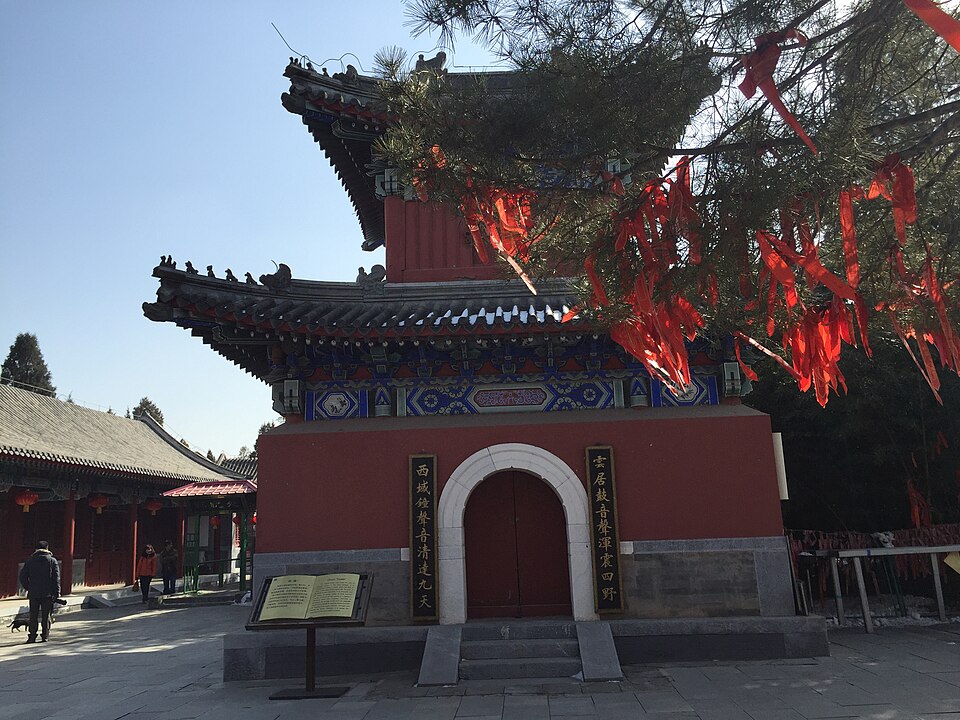
Yunju Temple can be visited throughout the year, with each season offering different atmospheric qualities. Spring and autumn generally provide comfortable temperatures for outdoor exploration in the mountainous setting. Summer visits should account for warmer conditions, while winter offers quieter experiences with possible snow-covered scenery. Operator-confirmed hours are Not recorded pending review. Visitors should verify current opening schedules through official channels before planning their trip, as religious sites may observe special hours during festivals or maintenance periods. A flexible visit lets travellers connect Yunju Temple with the rest of the day without treating one room, viewpoint or photograph as the whole experience. The useful pace depends on personal interest and conditions on arrival.
Checked 2026-08-26
Admission to Yunju Temple requires purchase of entry tickets. Specific pricing information and available concessions are Not recorded pending review. Visitors should consult official sources or contact the temple administration directly for current admission fees. Some temple complexes in China implement variable pricing during peak seasons or for special exhibitions. Group rates and combined tickets with nearby attractions may be available. Payment methods should be confirmed in advance, as rural temple locations may have limited cashless facilities compared to central Beijing attractions.
Checked 2026-08-26

Yunju Temple is located in Fangshan District, southwest of central Beijing, requiring advance transportation planning. Public transit options include combining subway travel with bus connections or regional rail services toward Fangshan, followed by local transport to the temple area. Private vehicle or taxi represents the most direct approach, though visitors should confirm precise routing with drivers unfamiliar with this destination. The mountainous location means final approaches involve winding roads. Allow substantial travel time from Beijing city center, potentially two to three hours each way depending on departure point and traffic conditions.
Checked 2026-08-26

The mountainous terrain demands appropriate footwear and physical preparation for walking inclines and uneven surfaces. Weather conditions can change rapidly in elevated areas, so layered clothing is advisable. As an active religious site, visitors must demonstrate respectful behavior including modest dress and quiet demeanor in worship spaces. Photography restrictions may apply in certain halls. The remote location means limited dining and convenience facilities nearby, so visitors should carry water and snacks. Mobile connectivity may be inconsistent in the mountain setting.
Checked 2026-08-26
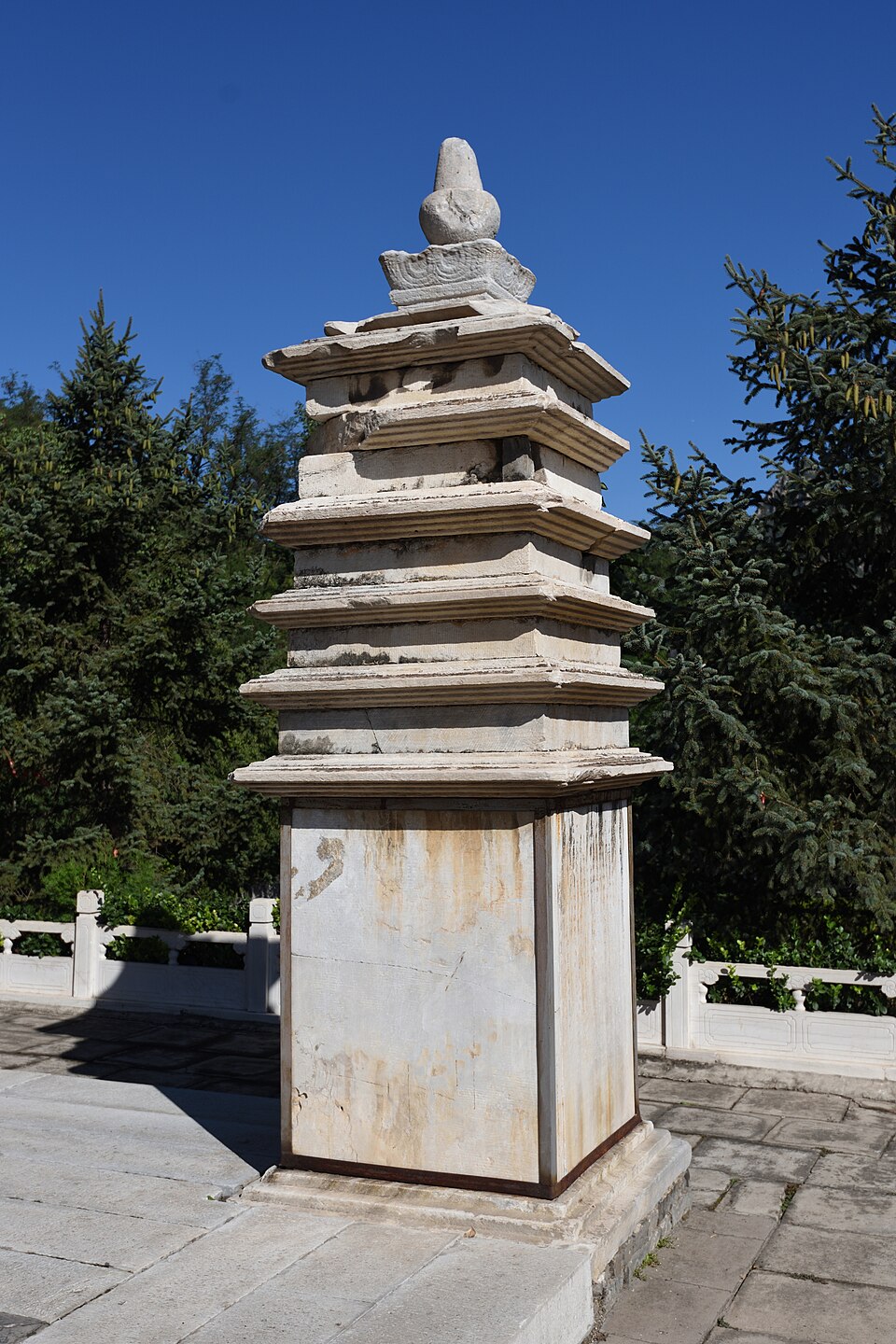
The temple complex offers numerous photographic opportunities combining traditional architecture with natural mountain scenery. The stone sutras present unique subjects for documentation, though visitors must observe any restrictions on flash photography or tripod use that could damage ancient surfaces or disturb worshippers. Early morning and late afternoon light enhance the atmospheric quality of structures against the hillside backdrop. Interior photography in halls containing statues or ceremonial objects may be prohibited or require special permission. Drone usage should be assumed restricted without explicit authorization.
Checked 2026-08-26
Yes, Yunju Temple remains an active Buddhist religious site. Visitors should expect ongoing religious activities and behave with appropriate respect throughout the complex.
Yunju Temple distinguishes itself through the exceptional stone sutra collection rather than architectural grandeur alone. It offers a more remote, contemplative experience compared to centrally located alternatives.
English signage and explanatory materials at remote Chinese temples are often limited. Visitors may benefit from advance research or arranging Chinese-speaking accompaniment for deeper understanding.
Specific access policies are Not recorded pending review. Ancient carved artifacts typically require protective measures; visitors should observe barriers and staff guidance without assumption of close contact.
The mountainous terrain and walking requirements present challenges for mobility-limited individuals. Families should assess physical capabilities against the site's natural topography before visiting.
Nearby lodging options in this rural Fangshan area are limited compared to central Beijing. Most visitors plan day trips from the city rather than overnight stays in the immediate vicinity.
Loading the interactive map…
The interactive map could not be loaded.

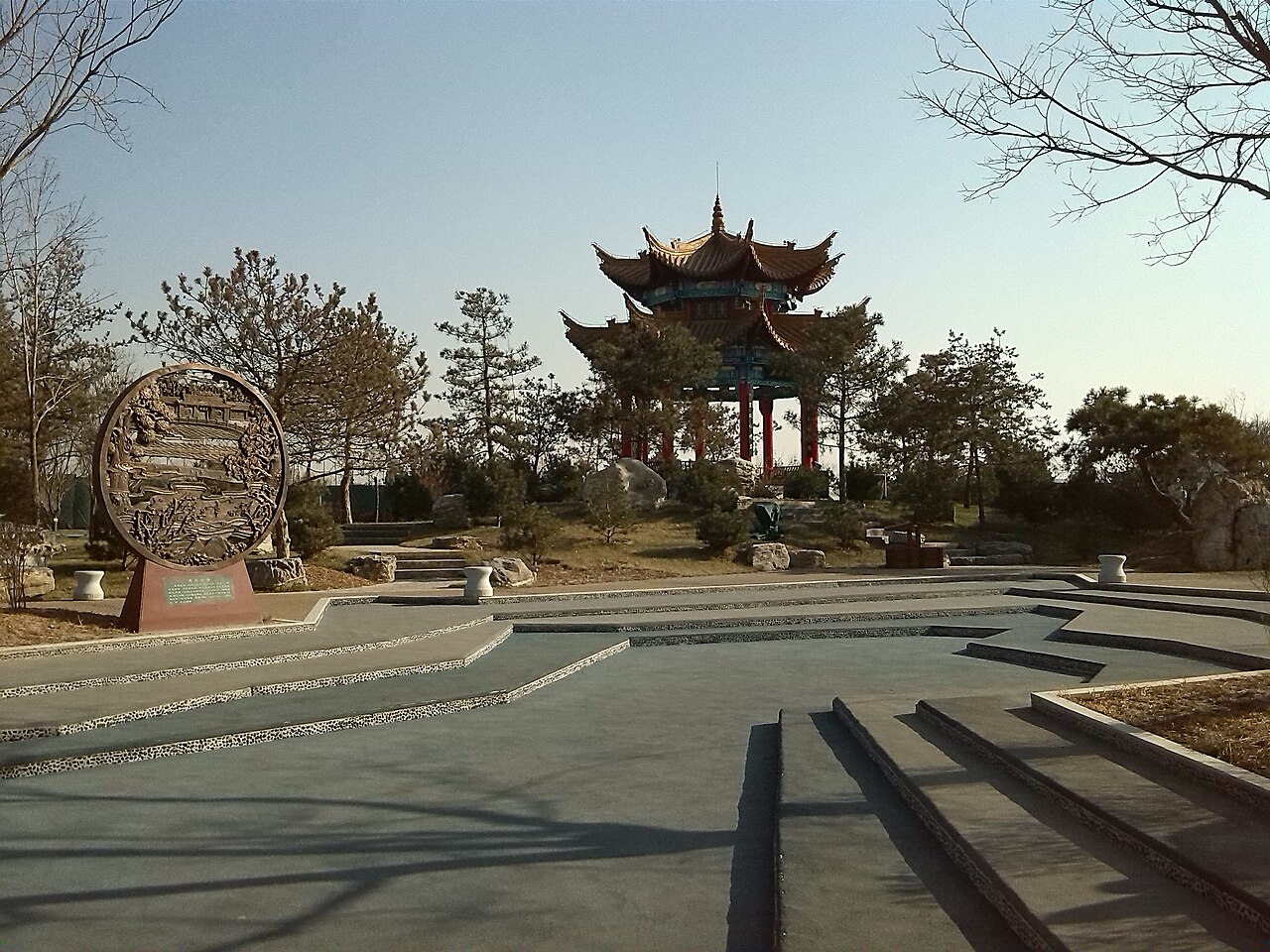
Last updated:
Source: OpenStreetMap contributors, Wikidata ·