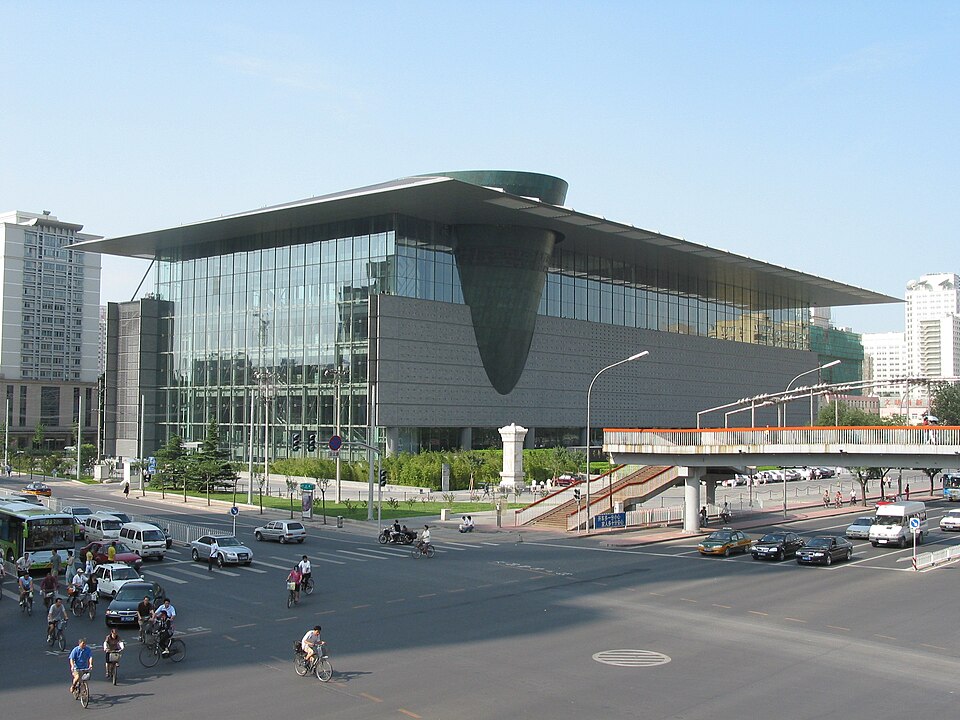
8 min walk
Capital Museum
- Must see
- Museum
Language · 1 published
Place of worship · Beijing
White Cloud Temple, known locally as Baiyun Guan, is a prominent Taoist temple in Beijing. It stands as one of the most significant centers of Taoism in China and serves as the headquarters of the Chinese Taoist Association. The temple complex occupies a notable position in Beijing's religious and cultural landscape, drawing visitors interested in Chinese spiritual traditions, architecture, and the living practice of Taoism in contemporary China. White Cloud Temple also earns time in a beijing itinerary because A distinct beijing visitor place retained in the breadth-first top 100; production has no city POI pool for an exact match. Its value becomes clearer when the stop is compared with the surrounding streets and the other ranked places nearby.
Checked 2026-08-26
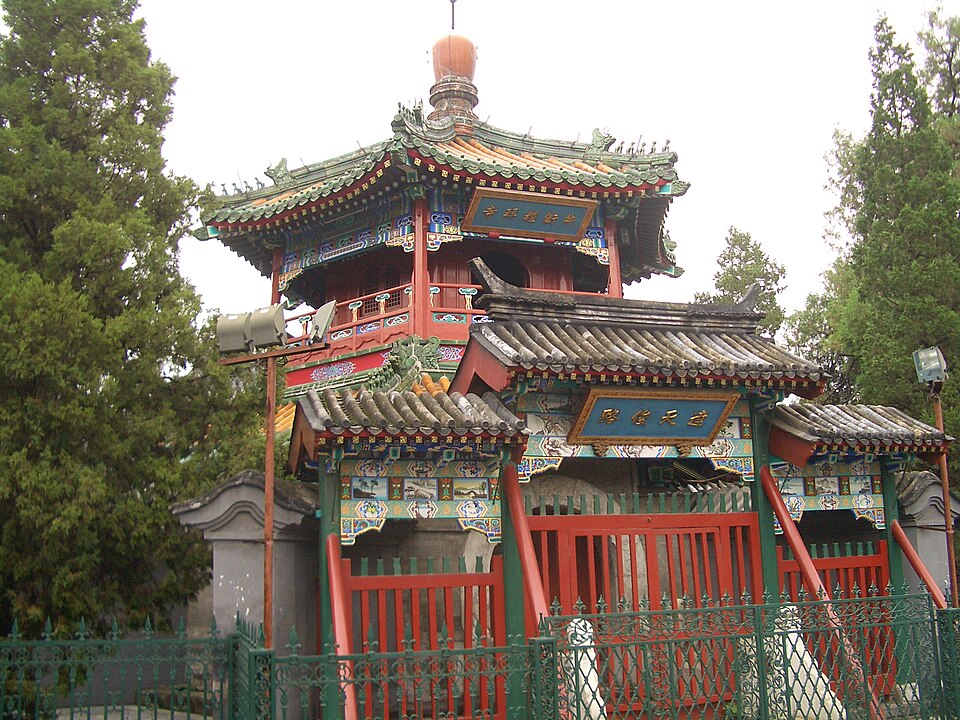
The temple complex contains multiple halls, courtyards, and traditional structures arranged in classical Chinese architectural style. Visitors encounter incense burners, stone steles, and religious statuary throughout the grounds. The layout follows traditional temple design principles with sequential courtyards leading deeper into the sacred space. Various halls serve different ceremonial functions within Taoist practice. Gardens and trees intersperse the built environment, creating contemplative spaces. The ongoing religious activities maintain the temple's function as an active place of worship rather than a purely historical monument.
Checked 2026-08-26
Visitors typically allocate between one and two hours for exploring White Cloud Temple. This duration allows for a measured walk through the principal courtyards and halls without rushing. Those with particular interest in Taoist architecture, religious practice, or seeking a contemplative experience may wish to extend their stay. The compact nature of the temple complex means that even a shorter visit yields meaningful exposure to its atmosphere. Photography enthusiasts and those engaging with temple activities should plan additional time accordingly. A flexible visit lets travellers connect White Cloud Temple with the rest of the day without treating one room, viewpoint or photograph as the whole experience. The useful pace depends on personal interest and conditions on arrival.
Checked 2026-08-26
Operator-confirmed hours are Not recorded pending review. Visitors should independently verify current opening times before planning their visit. Seasonal considerations for Beijing apply broadly: spring and autumn offer moderate temperatures and generally clearer atmospheric conditions. Summer brings heat and humidity, while winter can be cold with possible snow. Major Chinese holidays may affect both accessibility and crowd levels. Religious festivals at the temple itself could create either enhanced visitor interest or restricted access depending on specific circumstances and temple management decisions.
Checked 2026-08-26
Operator-confirmed prices are Not recorded pending review. Visitors must seek current admission information from authoritative sources before arrival. Budget-conscious travelers should note that many Beijing temples operate with modest entry fees, though this cannot be assumed for White Cloud Temple specifically. Some religious sites in China offer reduced rates for students, elderly visitors, or other categories, but such policies require direct confirmation. Cash payment remains common at traditional sites, though mobile payment prevalence in Beijing suggests multiple options may exist.
Checked 2026-08-26
White Cloud Temple sits in Beijing's Xicheng District, west of the central city core. Public transportation serves the general area through Beijing's extensive metro and bus networks. Visitors should consult current transit maps for optimal routing from their specific location, as Beijing's transportation system undergoes continuous development. Taxis and ride-hailing services operate throughout the city. Walking from nearby transit stops may be necessary. The temple's specific street address and nearby landmark references assist with final approach navigation. Bicycle and shared mobility options exist in Beijing.
Checked 2026-08-26
Active religious practice occurs throughout the temple; visitors must demonstrate appropriate respect for worshippers and ceremonies. Photography restrictions may apply in certain halls or during rituals. Incense smoke permeates the environment and may affect sensitive individuals. Crowding fluctuates unpredictably. Footing on ancient stone surfaces requires attention, particularly in wet conditions. Visitors should dress modestly as befits a religious site. Commercial activities near temple entrances warrant cautious engagement. Language barriers may complicate understanding of specific rules or ongoing activities. Personal belongings require standard urban vigilance.
Checked 2026-08-26
Photography opportunities abound in the temple's atmospheric courtyards and architectural details. Morning and late afternoon light enhance the visual qualities of traditional roofs, weathered stonework, and incense haze. Interior photography may face restrictions, particularly in halls with active worship or sensitive religious objects. Tripod use likely requires permission or may be prohibited. Respect for worshippers supersedes photographic objectives. The contrast between vermilion pillars, grey tiles, and greenery offers strong compositional elements. Overcast conditions common in Beijing reduce harsh shadows and can benefit certain architectural subjects.
Checked 2026-08-26
It functions as an active Taoist temple and serves as headquarters of the Chinese Taoist Association. Religious activities continue alongside visitor access.
The temple represents Taoism, one of China's major indigenous spiritual and philosophical traditions.
Not recorded. Visitors should not assume English-language support and may benefit from prior research or translation applications.
Observation of ongoing practices occurs, but specific participation protocols are not recorded. Visitors should follow posted guidance and observe worshipper behavior.
Not recorded. Traditional Chinese temple architecture typically involves steps, uneven surfaces, and thresholds that may present challenges.
Not recorded. Visitors should not assume on-site catering and may wish to carry water, particularly during warmer periods.
Loading the interactive map…
The interactive map could not be loaded.

Last updated:
Source: OpenStreetMap contributors ·