.JPG)
.jpg)
.jpg)
.jpg)


111 min walk
Beijing Garden Expo Park
- High
- Nature site
Language · 1 published
Historic monument · Beijing
戒台寺

Jietai Temple, known locally as 戒台寺, is a historical Buddhist temple situated in the western outskirts of Beijing. The temple holds significant religious and cultural importance within China's Buddhist heritage. Its name references the ordination platform, a central feature used in Buddhist ceremonies for monks taking vows. The site represents centuries of architectural and spiritual tradition, attracting visitors interested in religious history and traditional Chinese temple design. As a curated destination ranked nineteenth among fifty-nine selected Beijing visitor places, it offers a distinct experience separate from the city's more heavily trafficked tourist corridors.
Checked 2026-08-26
The temple complex contains traditional Chinese Buddhist architectural elements including halls, courtyards, and religious structures arranged according to classical temple layout principles. The ordination platform itself constitutes the site's defining feature, historically employed for monastic initiation ceremonies. Additional structures typically found in such temple compounds may include main worship halls, bell and drum towers, and subsidiary shrines. The surrounding grounds incorporate natural landscape features characteristic of temple siting in mountainous western Beijing. Specific interior contents, decorative programs, and current religious artifacts are Not recorded pending review. Visitors should expect a working religious site rather than a museum environment.
Checked 2026-08-26
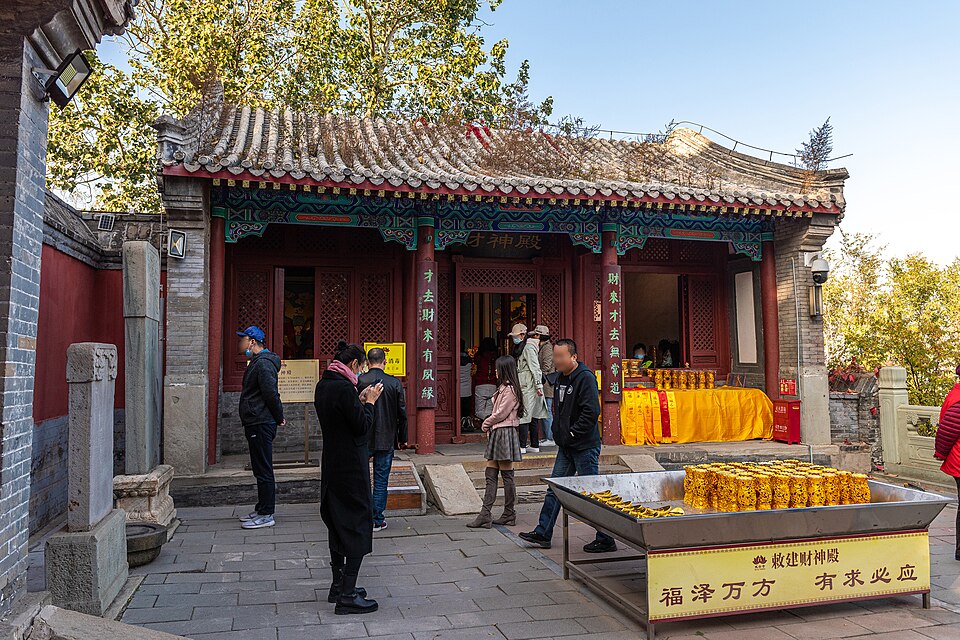
A thorough visit to Jietai Temple typically requires approximately two to three hours, though individual pacing varies considerably based on interest level and physical capability. The temple's hillside location necessitates walking between structures on uneven terrain and ascending stone steps, which extends visit duration compared to flat urban sites. Devotees engaging in prayer or meditation may spend additional time in contemplative practice. Photography enthusiasts and architectural detail observers should allocate extra time. The compact nature of the temple complex prevents the full-day commitment required by larger Beijing attractions, making it suitable for half-day excursions combined with nearby destinations in the western mountain area.
Checked 2026-08-26
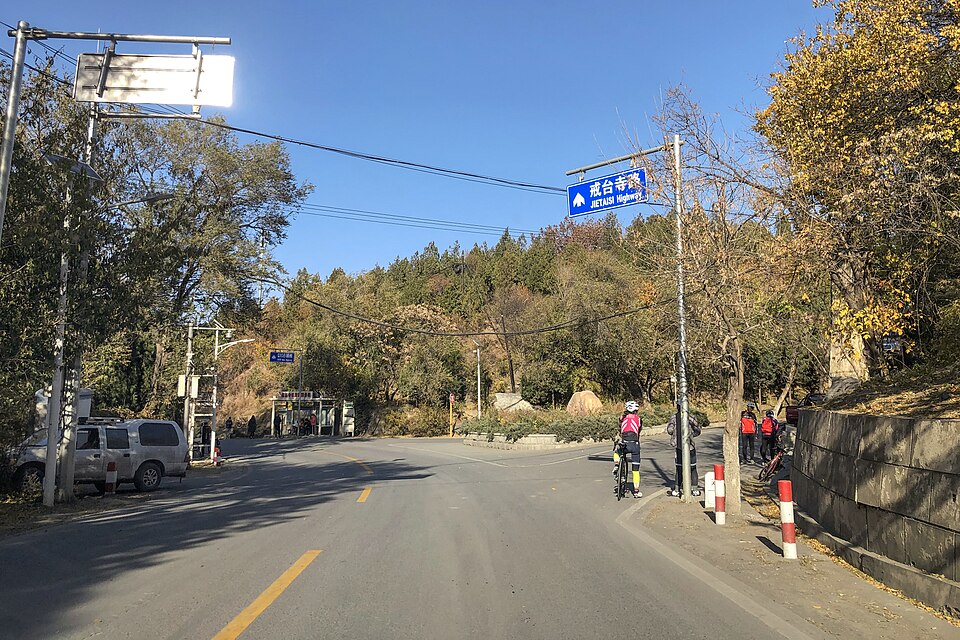
Operator-confirmed hours are Not recorded pending review. Visitors should verify current opening schedules through official channels before planning their trip. Seasonal considerations for Beijing's continental climate suggest spring and autumn offer the most comfortable temperatures for exploring hillside temple grounds. Summer brings heat and humidity that may prove strenuous given the elevation changes and exposed walkways. Winter visits encounter cold conditions with potential snow or ice on stone surfaces, requiring appropriate footwear and caution. Early morning arrivals typically provide quieter conditions for contemplative appreciation. Weekend and holiday periods likely experience increased visitor numbers from local pilgrims and domestic tourists.
Checked 2026-08-26
Operator-confirmed prices are Not recorded pending review. Visitors should consult official sources for current admission fees and any applicable concessions for students, seniors, or other eligible categories. Traditional Chinese temples often maintain modest entry charges compared to major state museums or reconstructed historical sites. Additional costs may apply for parking, guided services, or special exhibitions if offered. Cash payment remains common at such religious sites, though mobile payment platforms increasingly dominate Chinese transactions. Annual passes or combined tickets with nearby attractions in the Mentougou or western mountain region are possibilities worth investigating for those planning extended exploration of the area's temple heritage.
Checked 2026-08-26
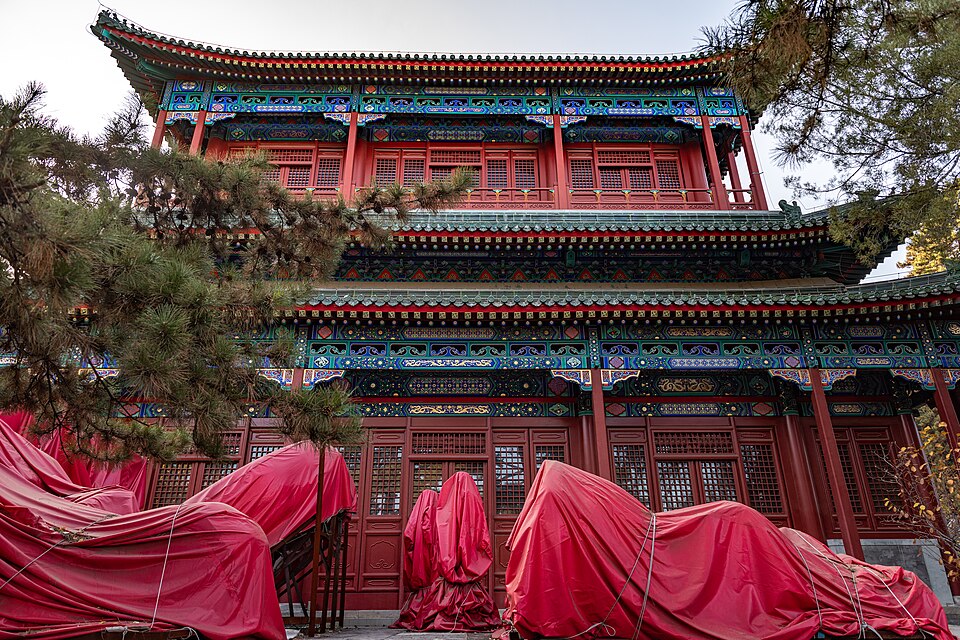
Jietai Temple occupies a location in Beijing's western mountainous district, distant from central city subway networks. Public bus routes serve the general area with stops requiring additional walking or transfer to reach the temple entrance. Private vehicle or taxi represents the most direct access method, though mountain road conditions and traffic congestion during peak periods may extend travel time substantially. Cycling enthusiasts may attempt the route with awareness of significant elevation gain. Tour operators occasionally include the temple within broader western Beijing itineraries. Visitors should confirm current transportation options as regional infrastructure developments may alter accessibility. Departure timing requires attention to limited return service frequencies in evening hours.
Checked 2026-08-26

The temple's mountainous setting presents physical challenges including steep stone staircases, uneven walking surfaces, and variable weather conditions that change rapidly. Appropriate footwear with grip soles is essential for safe navigation. Religious etiquette demands respectful behavior: moderate voices, appropriate dress covering shoulders and knees, and refraining from intrusive photography during active worship. Incense smoke in enclosed spaces may affect respiratory-sensitive individuals. Free-roaming wildlife including insects and birds inhabit the natural surroundings. Facilities for visitors with mobility limitations appear limited given the historical construction on sloped terrain. Water and sustenance options near the temple may be restricted; visitors should carry supplies. Emergency service access is constrained by remote location.
Checked 2026-08-26
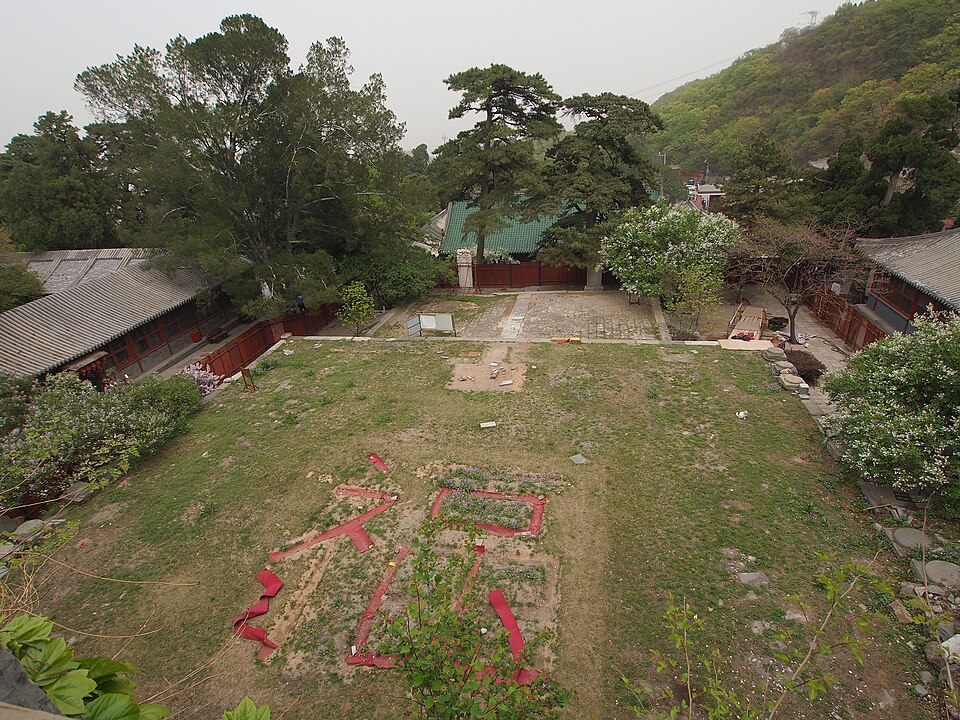
The temple's traditional architecture set against mountain scenery offers compelling photographic subjects including rooflines, courtyards, and landscape vistas. Natural lighting conditions vary dramatically throughout the day, with morning and late afternoon generally providing the most flattering illumination for exterior shots. Interior photography requires sensitivity to active religious practice; visitors should observe whether restrictions apply within worship halls. Tripod use may attract attention or intervention in crowded or sacred spaces. The weathered textures of ancient stonework and woodcarving reward close architectural detail work. Seasonal vegetation changes alter the visual context significantly. Drone operation would require verification of regulatory permissions given proximity to protected cultural sites and potential airspace considerations in capital region locations.
Checked 2026-08-26
Jietai Temple functions as an active Buddhist religious site rather than a secular museum, requiring appropriate visitor conduct and dress.
Both represent significant western Beijing Buddhist heritage; Jietai Temple specifically emphasizes its historic ordination platform function, though detailed comparative information is Not recorded.
Availability of English-language interpretation is Not recorded pending review; visitors should not assume comprehensive foreign-language support.
Opportunities for visitor participation in religious ceremonies are Not recorded; observation of ongoing practice requires respectful distance and discretion.
The hillside location with stone steps and uneven surfaces presents significant accessibility challenges; dedicated accommodations are Not recorded.
Specific nearby services are Not recorded pending review; visitors should plan self-sufficiency for basic needs given the remote mountain setting.
Loading the interactive map…
The interactive map could not be loaded.
Last updated:
Source: OpenStreetMap contributors, Wikidata ·