


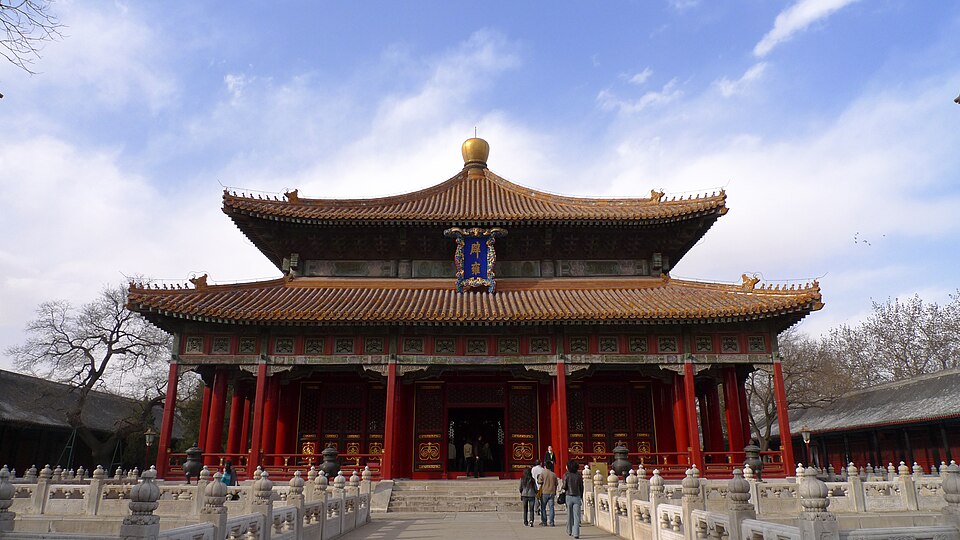
5 min walk
Guozijian
- Must see · Heritage site
- Historic monument
Language · 1 published
Place of worship · Beijing
雍和宫

| Monday | 09:00 – 16:00 |
|---|---|
| Tuesday | 09:00 – 16:00 |
| Wednesday | 09:00 – 16:00 |
| Thursday | 09:00 – 16:00 |
| Friday | 09:00 – 16:00 |
| Saturday | 09:00 – 16:00 |
| Sunday | 09:00 – 16:00 |
Parsed from OpenStreetMap opening hours on 2026-08-26.
The Lama Temple, known locally as Yonghegong, stands as one of Beijing's most significant Tibetan Buddhist monasteries. Originally constructed in 1694 as an imperial residence, it was converted to a lamasery in 1744. The complex serves as an active place of worship and a preserved cultural heritage site. Its architecture blends Han Chinese and Tibetan-Mongolian styles, reflecting its historical role in religious and political unification. The site remains a functioning monastery with resident monks. This draft keeps that exact production place as the sole subject.
Checked 2026-08-26
The temple complex comprises multiple halls arranged along a north-south axis. Key structures include the Hall of the Heavenly Kings, the Hall of Harmony and Peace, and the Pavilion of Ten Thousand Happinesses. The latter houses a towering Maitreya Buddha statue carved from a single sandalwood trunk. Prayer halls contain numerous Buddhist statues, thangka paintings, and religious artifacts. Incense burners and prayer wheels are positioned throughout the grounds. The architecture features elaborate roof decorations and painted corridors typical of imperial religious buildings. Treat secondary spaces as optional until their current access is confirmed.
Checked 2026-08-26
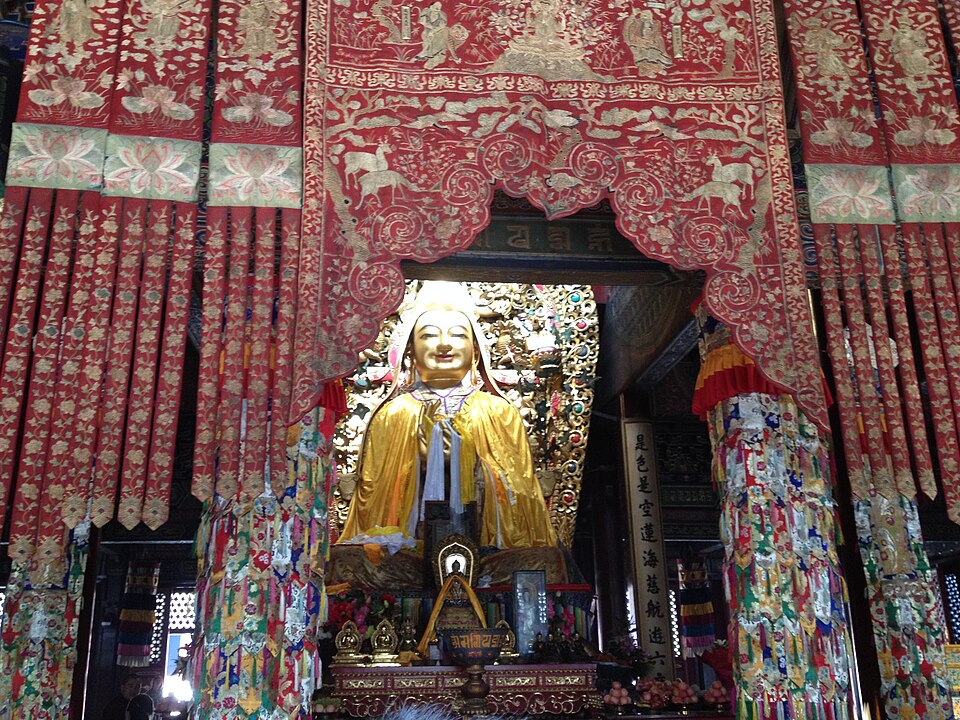
Visitors typically allocate between one and two hours for a comprehensive exploration of the Lama Temple grounds. The linear layout facilitates efficient movement through successive halls without backtracking. Those with particular interest in Buddhist art, architectural details, or religious practice may extend their visit. Peak periods, particularly during mornings when worship activity concentrates, may slow progression through narrower passages. Photography enthusiasts and visitors seeking contemplative observation should plan additional time. The compact site rewards unhurried examination of decorative elements and hall interiors. Keep additional Beijing stops outside this allowance unless time remains.
Checked 2026-08-26
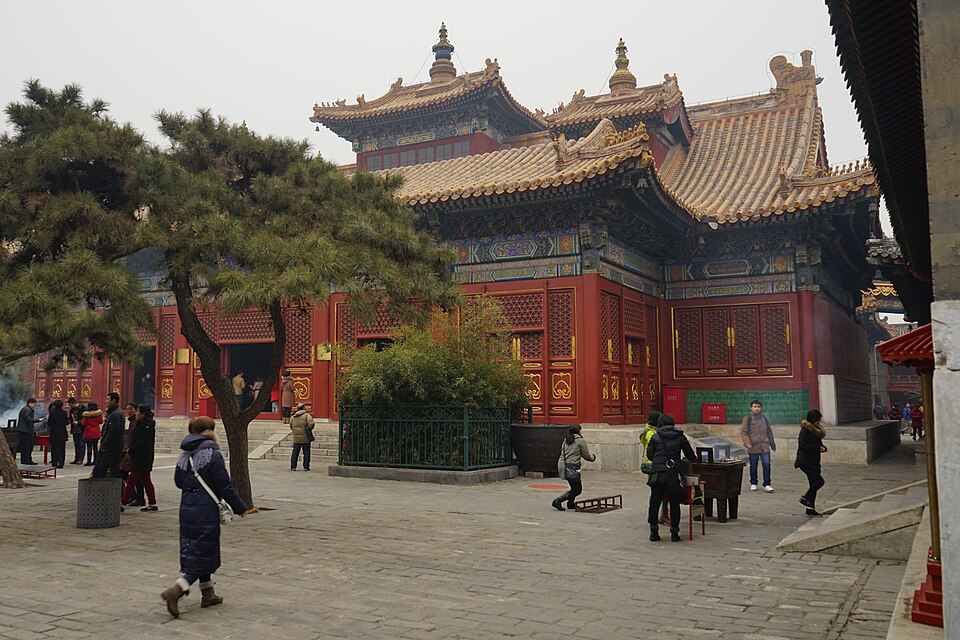
Operator-confirmed hours are Not recorded pending review. Visitors should consult official sources before planning arrival. Early mornings generally coincide with active worship and ceremonial activity, offering atmospheric experience but fuller crowds. Major Buddhist festivals and Chinese public holidays attract substantial visitor numbers and intensified religious observance. Winter months typically reduce tourist volume though Beijing's cold temperatures require appropriate preparation. Spring and autumn provide moderate climatic conditions. Personal tolerance for crowds and interest in observing monastic rituals should inform timing decisions. Advance verification of accessibility remains essential. Build flexibility into the day because current access can change.
Checked 2026-08-26
Operator-confirmed prices are Not recorded pending review. The Lama Temple operates as a ticketed attraction with separate admission from Beijing's museum complexes. Visitors should anticipate standard pricing tiers common to major Chinese heritage sites, potentially including reduced rates for designated groups. Payment methods may include mobile platforms prevalent in Chinese tourism. Combination tickets with proximate attractions are not standard. Budget-conscious travelers should verify current rates through official channels. Some religious sites in China maintain free entry periods; whether this applies here requires confirmation. Carry identification as required by Chinese visitor regulations. Do not rely on an old screenshot, reseller, or recalled price.
Checked 2026-08-26

The Lama Temple occupies a central Beijing location accessible via multiple transport modes. The Yonghegong Lama Temple station on subway lines 2 and 5 provides direct access. Multiple bus routes serve the surrounding Dongcheng district. The site lies within reasonable walking distance of other historic attractions including the Confucius Temple and Guozijian. Taxi and ride-hail services recognize the destination readily. Cycling infrastructure exists though navigating central Beijing traffic demands caution. International visitors should prepare destination names in Chinese characters for communication with drivers. Airport and railway connections require transfer through Beijing's broader transit network. Allow extra time to locate the correct public entrance on arrival.
Checked 2026-08-26

Active worship spaces demand respectful conduct. Photography restrictions may apply within specific halls; observe posted guidance and monastic direction. Incense smoke concentration affects respiratory-sensitive individuals. Crowded conditions increase pickpocketing risk in common with major attractions. Footing on worn stone surfaces and steps requires attention, particularly in low interior lighting. Religious artifacts and prayer materials should not be touched without explicit permission. Queue discipline varies; patience serves visitors well. Summer heat within enclosed halls without climate control can prove taxing. Visitors should dress modestly covering shoulders and knees as appropriate for religious sites. When guidance is unclear, pause and follow the instructions displayed on site.
Checked 2026-08-26

Exterior architectural photography is generally permitted throughout the Lama Temple complex. Interior hall restrictions may prohibit or limit image capture, particularly around sacred statues and during active worship. Tripod and professional equipment use likely requires advance arrangement or may be prohibited. Lighting conditions vary dramatically between bright courtyards and dimly lit prayer halls, challenging exposure adjustment. Morning and late afternoon exterior illumination enhances photographic quality. Respectful distance from worshippers and monks remains essential; intrusive documentation of private devotion is inappropriate. Drone operation within Beijing's controlled airspace surrounding historic sites is strictly prohibited without specific authorization. Keep equipment compact and avoid obstructing entrances, paths, or viewpoints.
Checked 2026-08-26
Yes, the Lama Temple functions as an active Tibetan Buddhist monastery with resident monks conducting regular worship and religious ceremonies alongside its operation as a visitor attraction.
The Lama Temple follows Tibetan Buddhist tradition, specifically the Gelug school, reflecting its historical establishment as an imperial lamasery bridging Han Chinese and Tibetan-Mongolian religious cultures.
Visitors may observe ongoing religious practices respectfully. Direct participation in ceremonies is not standard for tourists; incense offering at designated areas is commonly available for those wishing to make personal devotional gestures.
Both sites occupy Beijing's historic Dongcheng district and reflect complementary aspects of Chinese imperial religious patronage. They are separate institutions with distinct admission and may be visited in sequence given geographic proximity.
Whether advance reservation is mandatory or advisable depends on current operational policies not confirmed in available sources. Visitors should verify requirements through official channels, particularly during high-demand periods.
Whether official guided tours, audio guides, or third-party tour services operate is not recorded in available sources. Visitors seeking interpretive assistance should inquire on arrival or through official Beijing tourism channels.
Loading the interactive map…
The interactive map could not be loaded.


Last updated:
Source: OpenStreetMap contributors, Wikidata ·