
.jpg)
.jpg)
.jpg)
.jpg)
.jpg)

5 min walk
Yonghe Temple
- Must see · Heritage site
- Place of worship
Language · 1 published
Historic monument · Beijing
国子监
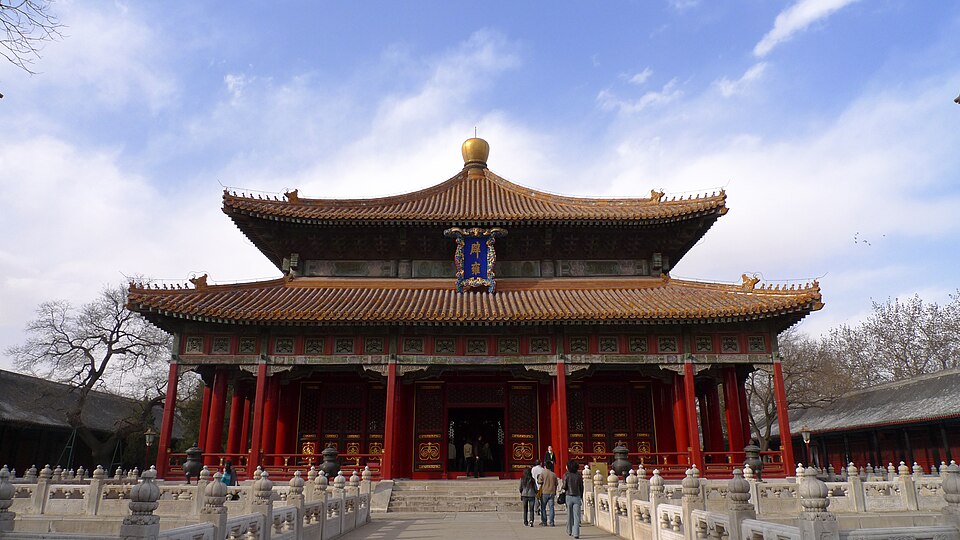
The Imperial College, known locally as Guozijian, was the highest educational institution and administrative centre of education in imperial China during the Yuan, Ming, and Qing dynasties. Located in Beijing's Dongcheng district near the Confucius Temple, this historic complex served as the national academy where students prepared for civil service examinations. The site represents over seven centuries of Chinese educational tradition and state ideology, combining ceremonial, administrative, and residential functions within its walled compound. Imperial College also earns time in a beijing itinerary because A distinct beijing visitor place retained in the breadth-first top 100; production has no city POI pool for an exact match. Its value becomes clearer when the stop is compared with the surrounding streets and the other ranked places nearby.
Checked 2026-08-26
The complex contains traditional courtyard architecture with halls, stele pavilions, and ceremonial spaces arranged along a central axis. Key structures include the Biyong Hall, a square building within a circular moat symbolising heaven and earth, used for lectures by emperors. Stele corridors display stone tablets documenting institutional history. The site adjoins the Beijing Temple of Confucius, with which it shares historical and functional connections. Original architectural elements and later restorations combine to present the imperial educational environment.
Checked 2026-08-26
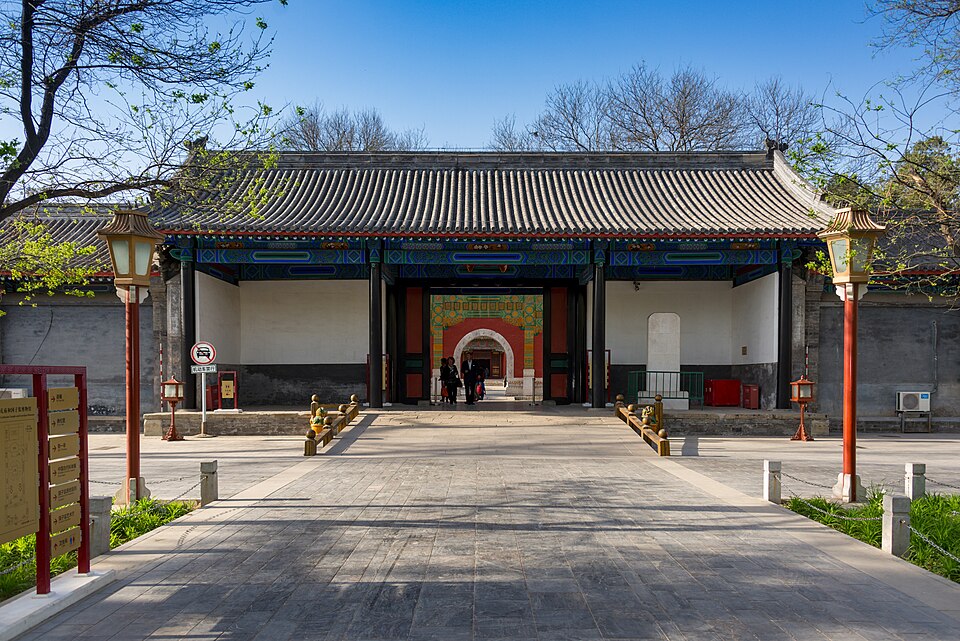
Visitors typically allocate one to two hours for the Imperial College and may combine this with adjacent Confucius Temple exploration. The compact site permits efficient circulation through main halls and courtyards. Those with strong interest in educational history, epigraphy, or Qing dynasty institutions may extend their visit. The manageable scale suits inclusion within broader Dongcheng district itineraries. Reading stele inscriptions and examining architectural details rewards unhurried examination. No guided tour duration is specified in available sources.
Checked 2026-08-26
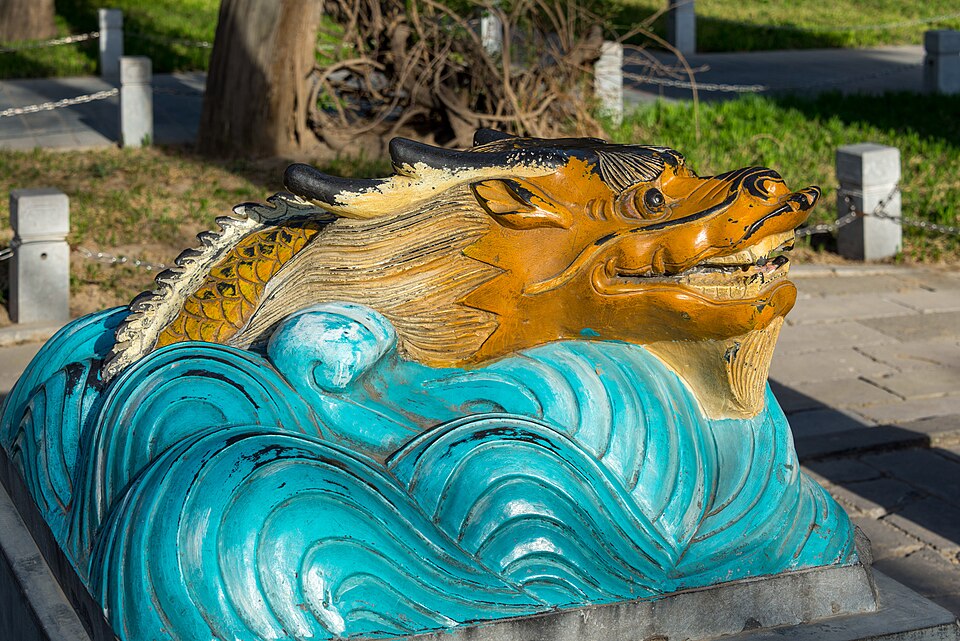
Operator-confirmed hours are Not recorded pending review. Seasonal weather patterns in Beijing suggest spring and autumn offer moderate temperatures favourable for outdoor courtyard exploration. Summer brings heat and humidity; winter delivers cold conditions potentially affecting comfort in unheated historic structures. Morning visits may reduce crowding at popular nearby attractions. Visitors should verify current opening schedules through official channels before planning, as historic sites may adjust hours seasonally or for maintenance without advance public notification in English-language sources.
Checked 2026-08-26
Operator-confirmed prices are Not recorded pending review. The Imperial College may operate under combined ticketing with the adjacent Confucius Temple or separate admission. Concession categories for students, seniors, or other eligible groups are not specified in available sources. Some historic sites in Beijing offer free admission on designated days or to specific demographics, though this policy's applicability here is unconfirmed. Visitors should carry identification and prepare cash or mobile payment options. Verify current rates at entry or through official Beijing tourism channels.
Checked 2026-08-26

The site occupies Guozijian Street in Beijing's Dongcheng district, near Yonghegong Lama Temple. Subway Line 2 or Line 5 serves Yonghegong Lama Temple station, requiring short walking distance. Multiple bus routes operate in the vicinity. The area's hutong street network may complicate direct vehicle access; pedestrian navigation from main roads proves most reliable. Signage in Chinese predominates; visitors should prepare location names in characters. Central location permits combination with nearby cultural attractions in walking distance. A flexible visit lets travellers connect Imperial College with the rest of the day without treating one room, viewpoint or photograph as the whole experience. The useful pace depends on personal interest and conditions on arrival.
Checked 2026-08-26
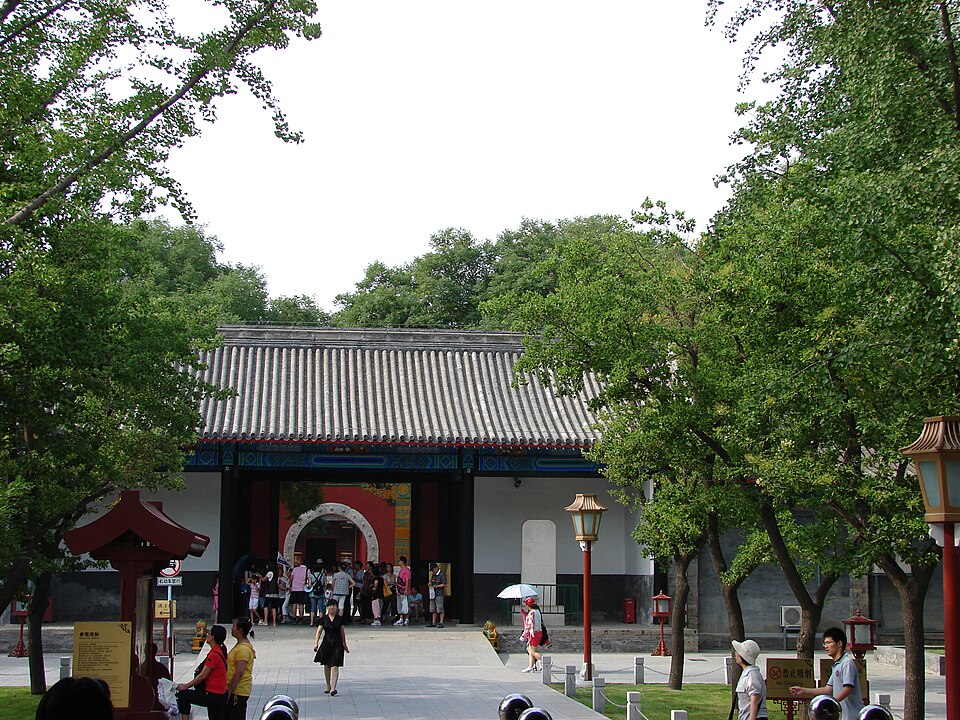
Historic stone surfaces and uneven paving present slip and trip hazards, particularly in wet conditions. Stele pavilions and narrow corridors create congestion points during peak visitation. Limited English signage may restrict independent interpretation; preparation or translation assistance recommended. Photography restrictions may apply in specific halls. Respectful conduct appropriate for educational and ceremonial site expected. Adjacent residential hutong areas require navigation sensitivity. Verify operational status before travel, as unannounced closures for preservation or events affect historic Beijing sites periodically.
Checked 2026-08-26

The courtyard architecture, hall exteriors, and stele corridors offer substantial photographic subjects. Symmetrical compositions along the central axis exploit traditional Chinese spatial design. Natural lighting conditions vary by season and time; overcast skies reduce harsh shadows in open courtyards. Interior photography may face equipment or permission restrictions not specified in sources. Tripod use typically requires advance arrangement at Chinese heritage sites. Early arrival may secure unobstructed views of key structures before tour group arrivals concentrate at popular adjacent attractions.
Checked 2026-08-26
They are adjacent but distinct sites with shared history. The Imperial College was the national academy; the Confucius Temple venerated the scholar. They may share ticketing.
Emperors occasionally delivered lectures at the Biyong Hall for ceremonial purposes, though routine instruction fell to appointed scholars.
The site originated in Yuan dynasty with later Ming and Qing reconstructions. Specific construction phases are Not recorded.
English tour availability is Not recorded. Visitors should inquire on arrival or arrange independent translation support.
Interior access policies are Not recorded. Exterior viewing of this central ceremonial structure is confirmed.
Accessibility provisions are Not recorded. Historic courtyard sites with thresholds and uneven surfaces typically present mobility challenges.
Loading the interactive map…
The interactive map could not be loaded.

Last updated:
Source: OpenStreetMap contributors, Wikidata ·