
.jpg)
.jpg)
.jpg)
.jpg)
.jpg)

9 min walk
Jingshan Park
- Must see · Heritage site
- Nature site
Language · 11 published
Nature site · Beijing
北海公园
| Monday | 06:30 – 21:00 |
|---|---|
| Tuesday | 06:30 – 21:00 |
| Wednesday | 06:30 – 21:00 |
| Thursday | 06:30 – 21:00 |
| Friday | 06:30 – 21:00 |
| Saturday | 06:30 – 21:00 |
| Sunday | 06:30 – 21:00 |
Also recorded: 06:30 – 20:00
Parsed from OpenStreetMap opening hours on 2026-08-26.
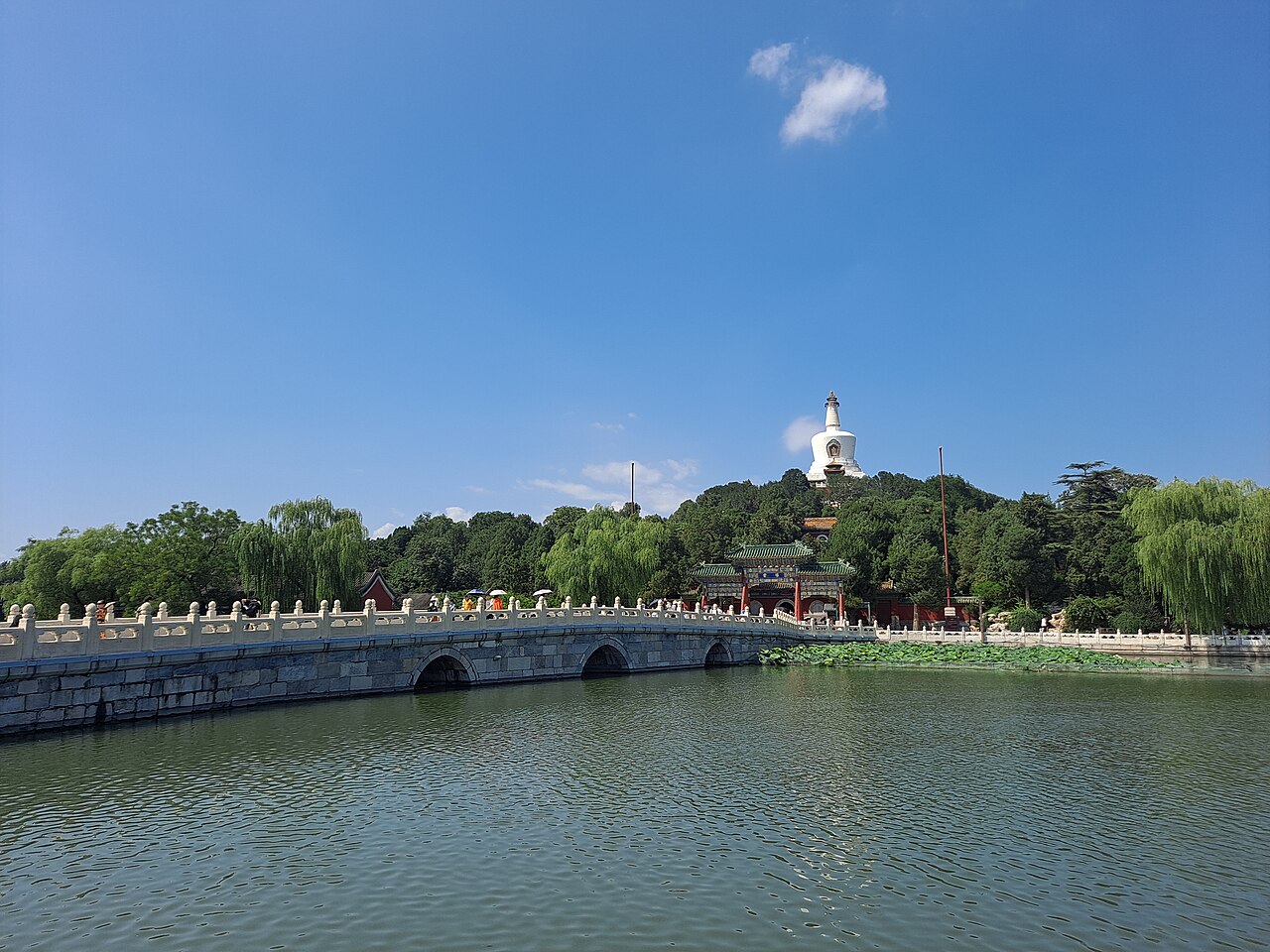
Beihai Park is an imperial garden located in central Beijing. It is one of the oldest, largest, and best-preserved ancient imperial gardens in China. The park was originally constructed during the Liao Dynasty and has been expanded and renovated through subsequent dynasties. It features a large lake with an island at its center, connected by bridges. The White Dagoba on Jade Flower Island serves as a prominent landmark. The park represents classical Chinese garden design principles, combining natural scenery with architectural elements. It sits immediately northwest of the Forbidden City.
Checked 2026-08-26
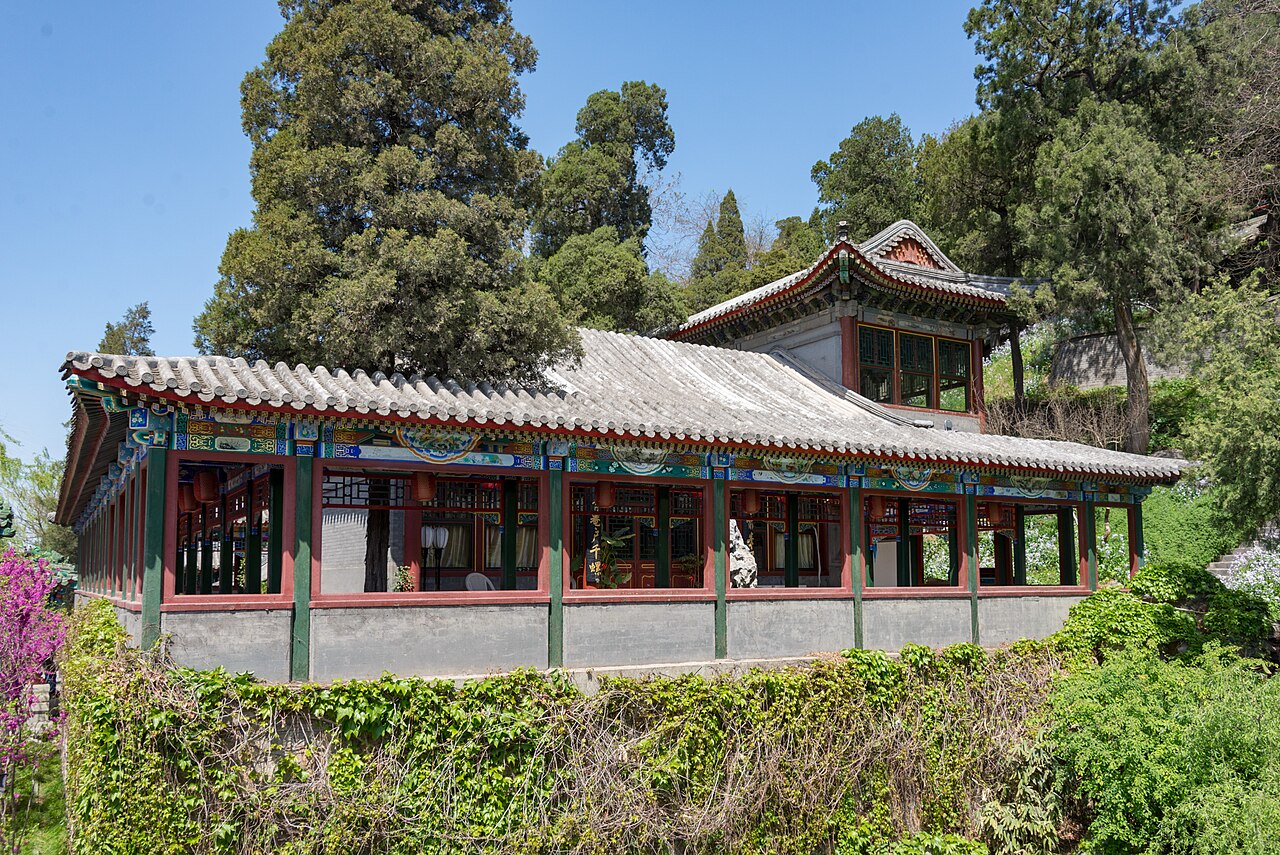
The park contains numerous historical structures and landscaped areas. Key features include the White Dagoba, a Tibetan-style stupa standing on Jade Flower Island. The Nine-Dragon Screen, made of glazed tiles, depicts dragons in various poses. The Five-Dragon Pavilions extend into the lake on the northern shore. The Circular City contains ancient trees and the Chengguang Hall. Various halls, pavilions, and corridors are distributed throughout the grounds. Boats are available for lake excursions. The garden incorporates artificial hills, rockeries, and planted areas. Religious and ceremonial buildings reflect Buddhist and imperial traditions.
Checked 2026-08-26
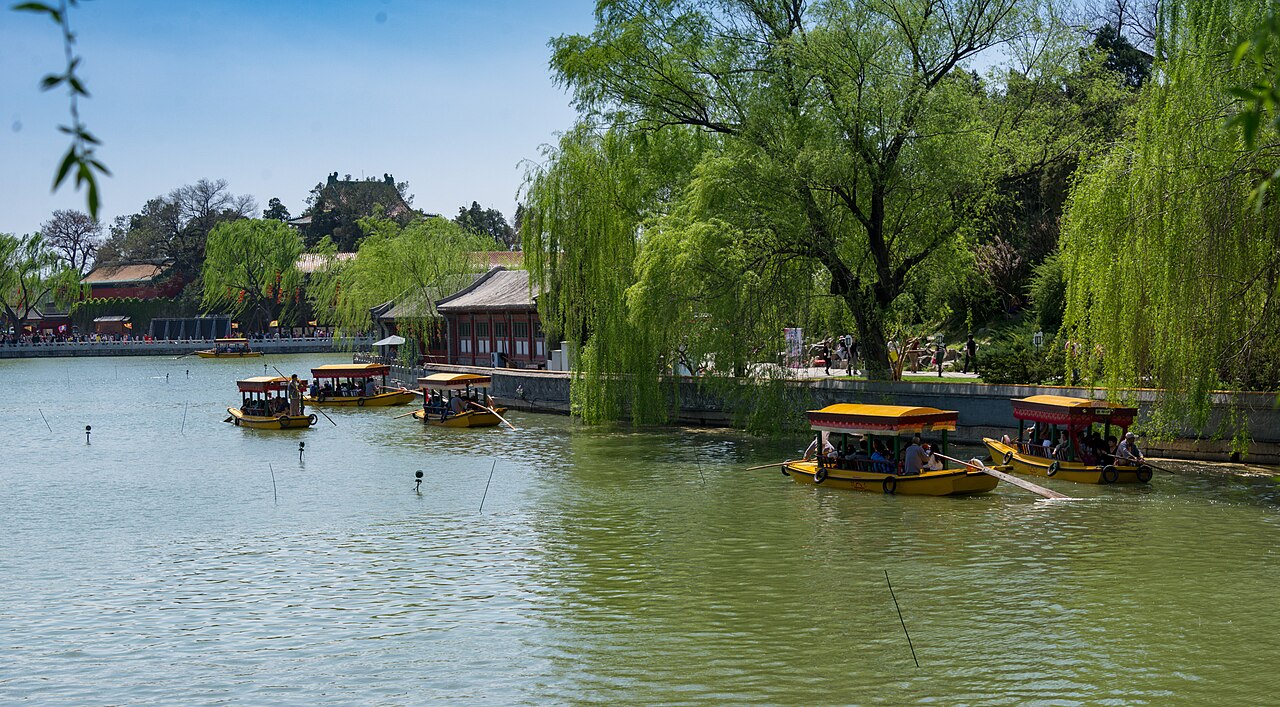
Visitors typically spend two to four hours exploring Beihai Park. A comprehensive visit covering major structures, walking the lakeside paths, and crossing to Jade Flower Island requires half a day. Casual visitors may complete a shorter circuit in approximately ninety minutes. Those interested in photography, detailed architectural examination, or leisurely pacing should allocate additional time. The park's extensive grounds reward unhurried exploration. Combining Beihai Park with adjacent attractions in the central Beijing area may extend the overall visit duration. Personal pace and seasonal conditions influence actual time spent.
Checked 2026-08-26
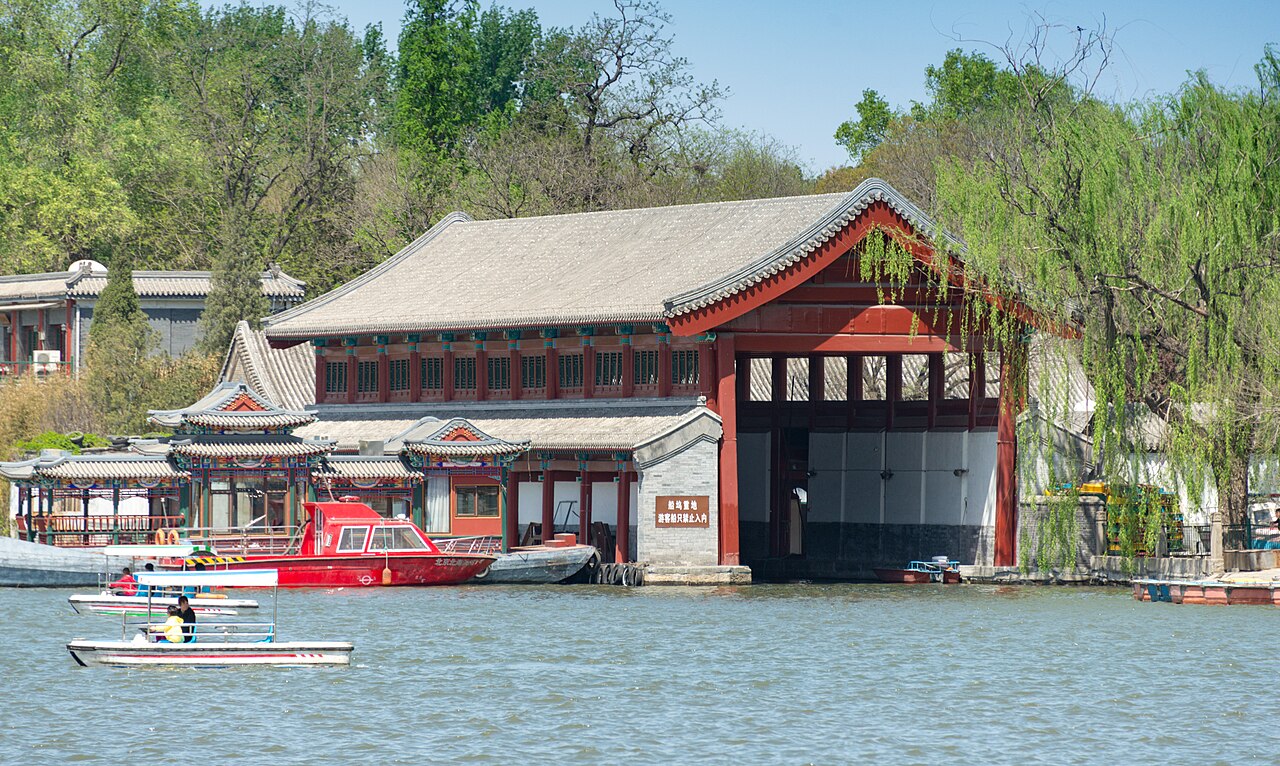
Beihai Park offers different atmospheric qualities across seasons. Spring brings flowering trees and mild temperatures. Summer provides lush greenery and lotus blooms on the lake, though heat and humidity may affect comfort. Autumn delivers clear skies and colored foliage. Winter presents frozen lake surfaces and snow-covered architecture, with reduced crowds. Early morning and late afternoon light enhance photographic opportunities. Operator-confirmed hours are Not recorded pending review. Visitors should verify current opening schedules before planning. Weather conditions in Beijing vary significantly; appropriate clothing for seasonal temperatures is advisable.
Checked 2026-08-26
Beihai Park charges admission fees for entry. Separate fees may apply for specific attractions within the park boundaries. Concession pricing for eligible categories may be available. Operator-confirmed prices are Not recorded pending review. Visitors should consult official sources or on-site signage for current rates. Payment methods accepted at the entrance are not specified in available sources. Combination tickets or annual passes, if offered, require direct inquiry. Budget-conscious travelers should prepare for variable pricing structures. Group rates and advance booking policies remain unverified. Currency is Chinese yuan.
Checked 2026-08-26
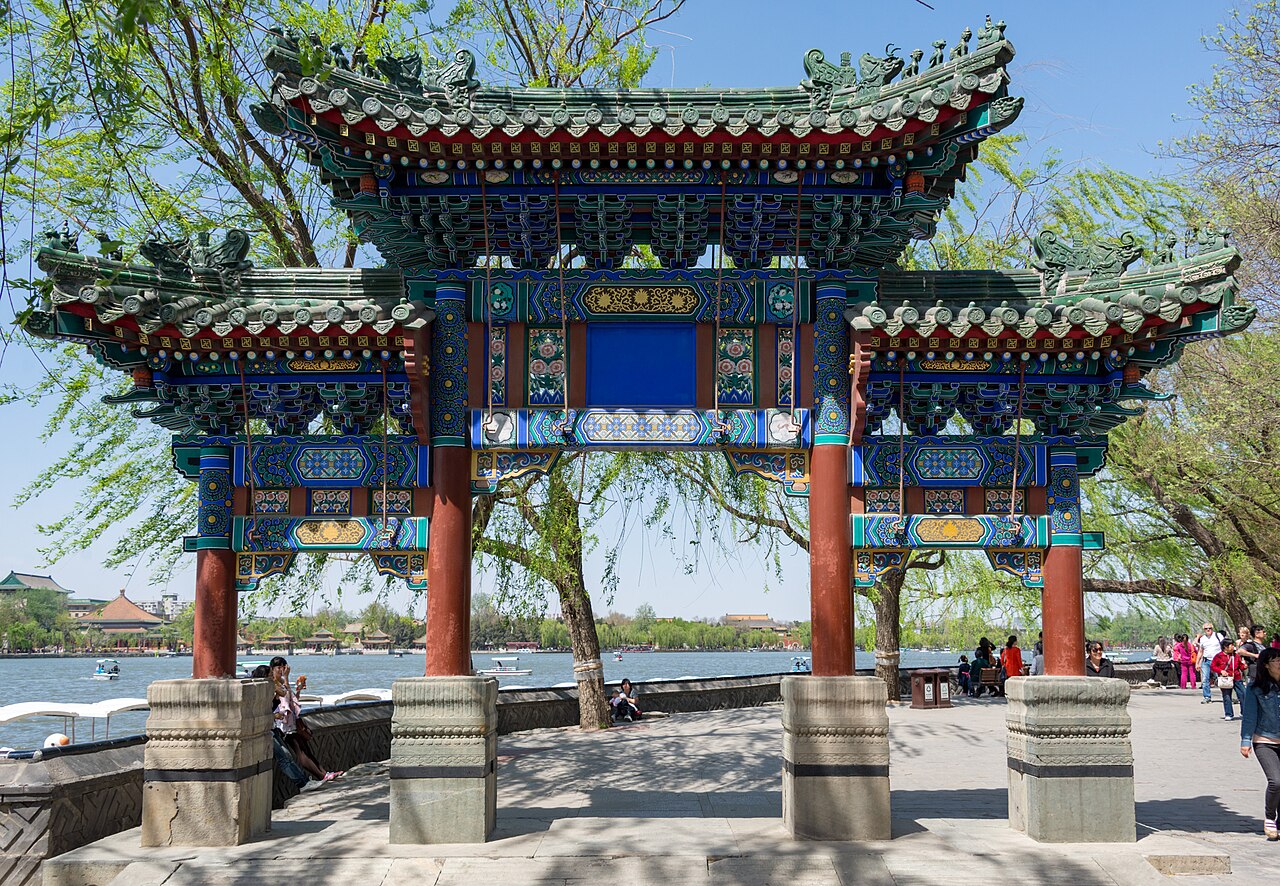
Beihai Park occupies a central location in Beijing's Xicheng District. Multiple public transportation options serve the area. Subway lines connect to stations in reasonable walking distance. Bus routes pass nearby with stops at various perimeter points. The park has multiple entrances, affecting which transit stop is most convenient. Taxis and ride-hailing services can access surrounding roads. Bicycle and pedestrian approaches are feasible given central location. Traffic conditions in Beijing vary considerably by time of day. Visitors should allow adequate transfer time. Signage in Chinese and some English assists navigation.
Checked 2026-08-26
The park contains water features without protective barriers in all areas; supervision of children is essential. Pathways may be uneven, wet, or crowded. Winter ice conditions on the lake require caution regardless of apparent stability. Historical structures have steps, thresholds, and restricted access areas. Sun exposure is limited by tree cover in portions but significant in open areas. Hydration is important during warm months. Personal belongings require attention in any popular tourist destination. Emergency services locations are not documented. Medical facilities nearby are not specified. Visitors with mobility limitations should assess route feasibility.
Checked 2026-08-26

The White Dagoba offers iconic composition opportunities against sky or water backgrounds. The Nine-Dragon Screen rewards detailed close examination and texture capture. Lake reflections at calm moments create symmetrical images. Bridge structures provide framing elements and leading lines. Traditional architecture details include painted ceilings, carved stonework, and roof ornamentation. Golden hour and blue hour lighting transform the dagoba and pavilions. Tripod policies are not recorded; visitors should observe posted restrictions or staff guidance. Interior photography may be limited by lighting conditions or prohibitions. Drone operation requires compliance with Chinese aviation regulations.
Checked 2026-08-26
No. Beihai Park is a separate imperial garden located immediately northwest of the Forbidden City. It has its own entrance, admission, and distinct historical development.
Not recorded. Ice conditions vary annually. Visitors should observe all posted warnings and staff instructions regarding lake access during frozen periods.
Not recorded. Visitors should inquire at entrance points or consult official park communications for current service availability.
Not recorded. Visitors may wish to carry water and snacks, or explore dining options in surrounding neighborhoods.
Not recorded. The park contains bridges, hills, and historical structures with steps. Visitors with mobility considerations should assess routes on arrival.
Not recorded. Operator-confirmed hours are Not recorded pending review. Evening access depends on official scheduling.
Loading the interactive map…
The interactive map could not be loaded.
Last updated:
Source: OpenStreetMap contributors, Wikidata ·