


35 min walk
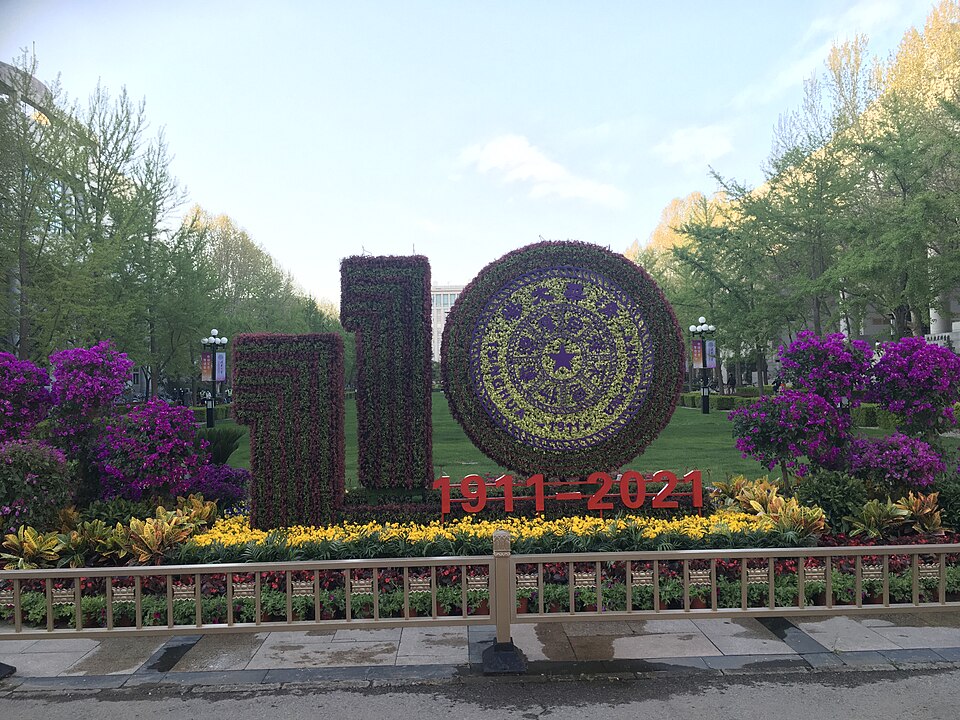
清华大学
- Must see
- Art and culture venue
Language · 11 published
Nature site · Beijing
圆明园遗址公园

| Monday | 07:00 – 19:30 |
|---|---|
| Tuesday | 07:00 – 19:30 |
| Wednesday | 07:00 – 19:30 |
| Thursday | 07:00 – 19:30 |
| Friday | 07:00 – 19:30 |
| Saturday | 07:00 – 19:30 |
| Sunday | 07:00 – 19:30 |
Parsed from OpenStreetMap opening hours on 2026-08-26.
The Old Summer Palace, known in Chinese as 圆明园 (Yuanmingyuan), was an extensive complex of imperial gardens and palaces in Beijing. Constructed during the Qing dynasty, it served as a primary residence and administrative center for emperors. The site suffered extensive destruction in 1860 during the Second Opium War. Today it stands as a significant historical ruin and memorial park, offering visitors insight into China's imperial past and the cultural devastation of colonial conflicts. The grounds encompass lakes, gardens, and scattered architectural remnants across a substantial area in northwestern Beijing.
Checked 2026-08-26
The park contains the famous ruins of European-style palaces, most notably the Dashuifa waterworks with its ornate stone carvings. Numerous lakes and waterways traverse the grounds, connected by bridges and lined with willow trees. The Jiuzhou Qingyan area represents original Chinese garden design. Scattered throughout are informational plaques and displays explaining the historical significance of various locations. A model exhibition depicts the original splendor of the complex. The vast landscape incorporates reconstructed sections alongside authentic ruins, creating a contemplative atmosphere for visitors reflecting on historical preservation and loss.
Checked 2026-08-26

Visitors typically allocate two to four hours for a meaningful exploration of the Old Summer Palace grounds. The extensive site rewards unhurried walking through its varied landscapes. Those with strong interest in historical ruins and garden design may prefer longer stays to examine details thoroughly. The large water features and dispersed monuments encourage leisurely pacing rather than rushed observation. Photography enthusiasts and visitors seeking contemplative experiences often extend their time significantly. The scale of the park makes comprehensive coverage in a single visit challenging, suggesting selective prioritization of major features for time-constrained travelers.
Checked 2026-08-26

Operator-confirmed hours are Not recorded pending review. Seasonal variations in Beijing's climate substantially affect visitor experience. Spring brings flowering vegetation and moderate temperatures conducive to extended outdoor exploration. Summer features lush greenery though heat and humidity may prove taxing during peak afternoon periods. Autumn offers generally clear skies and comfortable conditions widely considered favorable for garden visitation. Winter presents stark atmospheric conditions with frozen waterways, offering distinctive visual character though cold temperatures limit comfort. Early morning and late afternoon light particularly enhance photographic opportunities and atmospheric contemplation of the ruins regardless of season.
Checked 2026-08-26
Operator-confirmed prices are Not recorded pending review. The site historically employed differentiated ticketing with separate admission for certain exhibition areas within the broader grounds. Visitors should verify current fee structures through official channels before arrival. Standard practice at Chinese heritage sites typically includes reduced rates for designated groups such as students, elderly visitors, and children, though specific eligibility criteria require confirmation. Combination arrangements with adjacent or related attractions may exist. Cash and mobile payment platforms are commonly accepted at major Beijing tourist destinations, though preparation for multiple payment methods remains prudent given evolving transaction systems.
Checked 2026-08-26

The Old Summer Palace occupies northwestern Beijing, accessible through the city's public transportation network. Subway Line 4 serves the area with stations in reasonable proximity to park entrances. Multiple bus routes connect the site with broader Beijing districts. Taxi and ride-hailing services provide direct access though traffic conditions vary considerably by time and day. Bicycle represents a viable option for visitors staying in relatively nearby accommodations. Signage in Chinese predominates though major tourist destinations typically include some English indicators. Allowing generous time for transit is advisable given Beijing's extensive urban scale and potential congestion.
Checked 2026-08-26

The expansive grounds involve considerable walking with variable surface conditions including uneven paths near ruin areas. Appropriate footwear supports safe navigation. Summer visits require sun protection and hydration given limited shade in open ruin sections. Water features, while visually significant, present safety considerations particularly for children. The site's historical gravity as a memorial to cultural destruction demands respectful visitor conduct. Crowding concentrates at iconic photographic locations, potentially affecting movement and experience quality. Informational materials may have limited English availability; preparation through prior research enhances meaningful engagement. Weather conditions can change rapidly; carrying adaptable clothing supports comfort throughout visits.
Checked 2026-08-26

The ruined European palaces constitute the most photographed elements, with the Dashuifa waterworks offering particularly striking compositions against sky and water. Early and late daylight produces dramatic illumination of stone textures and architectural fragments. The extensive lake system provides reflective possibilities and contextual landscape shots. Spring flowering and autumn foliage introduce seasonal color variations. Tripod use may face restrictions in certain areas requiring awareness of site regulations. The contrast between reconstructed and authentic elements presents documentary opportunities. Respect for the memorial character of the location should inform photographic behavior, avoiding inappropriate poses or treatments of sensitive historical material.
Checked 2026-08-26
No. These are distinct sites. The Old Summer Palace (Yuanmingyuan) lies to the east of the Summer Palace (Yiheyuan). Both were imperial garden complexes but have separate histories, layouts, and current conditions. The Old Summer Palace suffered more complete destruction and exists primarily as ruins.
The 1860 destruction was extensive. Most structures were wooden and burned completely. Visitors see stone ruins, foundations, and some reconstructed elements. A model exhibition shows the original appearance. Authentic building fabric is limited to surviving stone and marble components.
The large open spaces permit movement, but the historical memorial character and extensive walking requirements may limit engagement for younger children. Water features require supervision. Educational value depends on age-appropriate preparation about the historical context.
Not recorded pending review. Major Beijing heritage sites typically offer some guided services, though English-language availability varies. Self-guided exploration with preparatory research remains reliably possible given the park's open layout and informational signage.
The Old Summer Palace uniquely combines Chinese garden design with European palace architecture in its original form, and now presents predominantly ruined rather than intact heritage. Its memorial character emphasizing historical trauma distinguishes it from preserved operational sites like the Forbidden City.
The modern park boundaries and accessible areas may not correspond precisely to historical extents. Some portions may have been repurposed for other uses over time. Visitors explore the designated park zone, which is itself extensive and contains the principal surviving features.
Loading the interactive map…
The interactive map could not be loaded.


Last updated:
Source: OpenStreetMap contributors, Wikidata ·