


35 min walk
Old Summer Palace
- Must see · Heritage site
- Nature site
Language · 1 published
Art and culture venue · Beijing
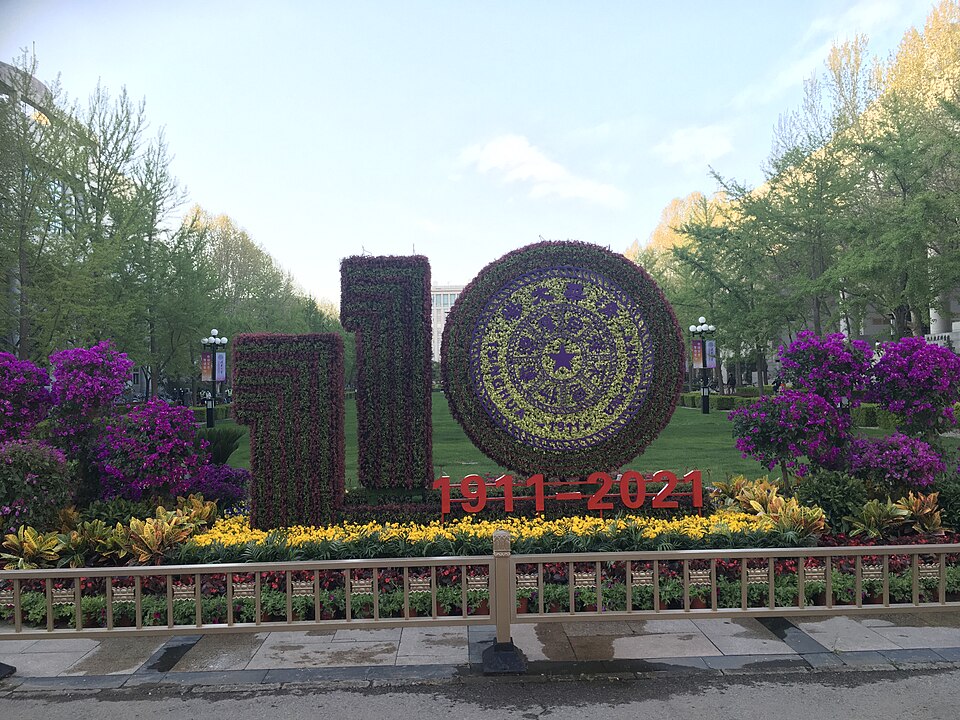
Tsinghua University Campus is a major higher education institution in Beijing, China. Founded in 1911 with Boxer Indemnity funds, it evolved from a preparatory school for students sent to study in the United States into one of China's most prestigious universities. The campus occupies extensive grounds in the Haidian District, northwest of central Beijing. Its development reflects both Chinese and Western architectural influences, with many historical buildings preserved alongside modern facilities. The university is renowned for science, engineering, and technology programs.
Checked 2026-08-26
The campus contains numerous academic buildings, libraries, laboratories, and student residences. Notable architectural features include the Main Building with its distinctive clock tower, the Auditorium, and various structures dating to the early twentieth century. The campus landscape incorporates gardens, lakes, and tree-lined avenues. The university also maintains museums, sports facilities, and cultural venues. The Old Library and Gongzi Pavilion represent significant heritage structures. Green spaces and water features contribute to the campus environment, which functions as both educational setting and visitor destination.
Checked 2026-08-26
Visitors typically allocate two to four hours for exploring the Tsinghua University Campus. This duration allows for walking through the central areas, viewing significant buildings from exterior vantage points, and experiencing the landscaped grounds. Those with particular interest in educational history or architecture may prefer extended visits. The campus size necessitates considerable walking; comfortable footwear is advisable. Route planning helps optimize time, as certain areas may have access restrictions due to academic activities. Casual visitors often combine this destination with nearby Peking University.
Checked 2026-08-26
Operator-confirmed hours are Not recorded pending review. The campus experiences seasonal variation in visitor appeal. Spring brings flowering trees, particularly cherry blossoms, drawing increased visitation. Summer months can be hot and humid. Autumn offers mild temperatures and foliage color changes. Winter presents colder conditions with reduced vegetation. Academic calendars influence campus atmosphere, with semester periods showing active student presence and examination periods potentially affecting access. Holiday periods may alter both accessibility and crowd levels. Visitors should verify current access policies before planning trips.
Checked 2026-08-26
Operator-confirmed prices are Not recorded pending review. Access policies for Tsinghua University Campus have varied historically, with changes between open and restricted entry. Identification requirements and registration procedures may apply. Some periods may permit free pedestrian access while others require advance arrangements. Group visits sometimes need institutional sponsorship. Visitors should consult official university channels for current protocols. Any applicable fees, documentation requirements, or reservation systems remain subject to institutional policy changes. Unverified third-party claims regarding access should be treated cautiously. Tsinghua University Campus also earns time in a beijing itinerary because A distinct beijing visitor place retained in the breadth-first top 100; production has no city POI pool for an exact match. Its value becomes clearer when the stop is compared with the surrounding streets and the other ranked places nearby.
Checked 2026-08-26
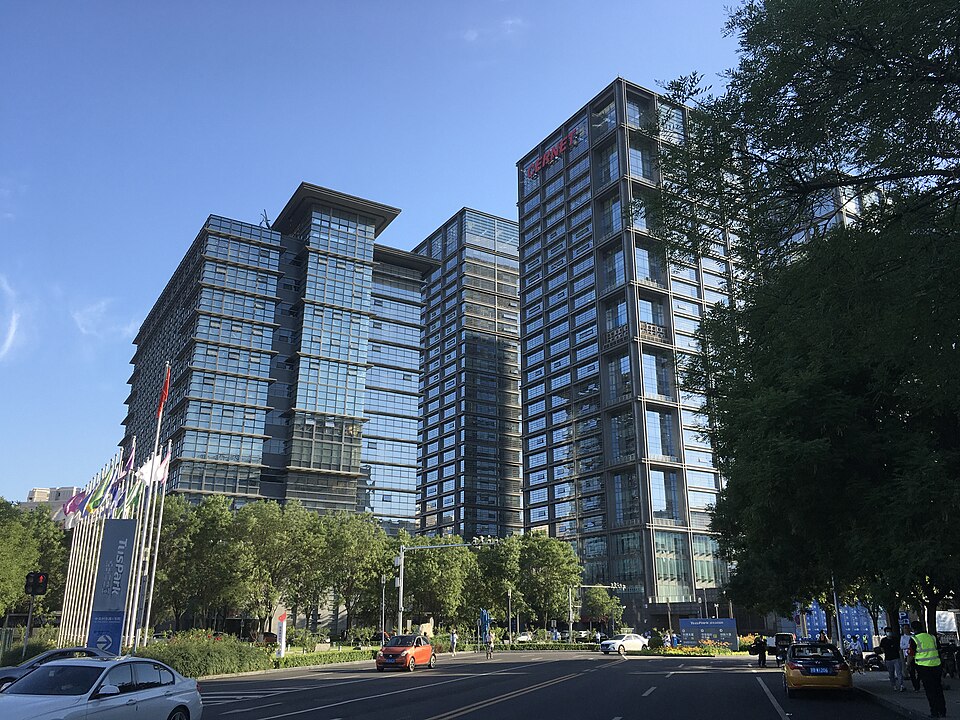
The campus is located in Beijing's Haidian District, accessible via public transportation. The nearest subway stations serve the area, with walking or connecting bus routes completing the journey. Multiple bus lines pass near campus boundaries. Taxi and ride-hailing services operate in the area, though Beijing traffic conditions affect travel times. Bicycle sharing systems function in surrounding neighborhoods. The location is northwest of central Beijing landmarks. Visitors should allow adequate transit time, particularly during peak hours. Signage in Chinese predominates; preparation with location names in characters assists navigation.
Checked 2026-08-26
Visitors should respect the primary educational function of the campus. Academic buildings, laboratories, and residence areas may have restricted access. Photography of certain facilities may be limited. Cyclists and service vehicles share pathways with pedestrians. Campus security personnel enforce regulations. Weather protection is advisable during summer and winter extremes. Food and retail services primarily serve the university community; visitor-oriented amenities are limited. Language barriers may arise as Mandarin Chinese dominates official communications. Crowding increases during graduation ceremonies and examination periods. Personal belongings require standard urban vigilance.
Checked 2026-08-26
The campus offers architectural and landscape photography subjects. The Main Building, historical structures, and garden settings provide visual interest. Morning and late afternoon light benefit exterior shots. Tripod use may attract security attention in sensitive areas. Interior photography requires discretion regarding academic privacy. Seasonal variations dramatically alter scenic qualities, with spring blossoms and autumn foliage particularly notable. Reflection opportunities exist at water features. The juxtaposition of heritage and contemporary architecture creates compositional possibilities. Respect for individuals' privacy and institutional regulations should guide photographic practice throughout the visit.
Checked 2026-08-26
Access policies have varied over time. Visitors should consult official university channels for current requirements, which may include identification, registration, or advance arrangements depending on institutional decisions.
Subway stations serve the Haidian District area near campus. Walking or connecting buses complete the journey. Specific line and station information should be verified through current Beijing transit resources.
Not recorded. Institutional or commercial tour offerings, if any, should be confirmed through official university communications or verified tourism services rather than assumed.
Academic buildings, laboratories, and residences typically maintain restricted access for educational purposes. Exterior viewing from public campus areas is generally the available option for visitors.
Comfortable walking footwear is essential given campus scale. Weather-appropriate clothing for Beijing's seasonal conditions, including sun protection or cold-weather layers, is advisable.
Food services primarily serve the university community. Visitor-oriented dining options are limited. Nearby Haidian District neighborhoods may offer alternative eating establishments.
Loading the interactive map…
The interactive map could not be loaded.


Last updated:
Source: OpenStreetMap contributors ·