


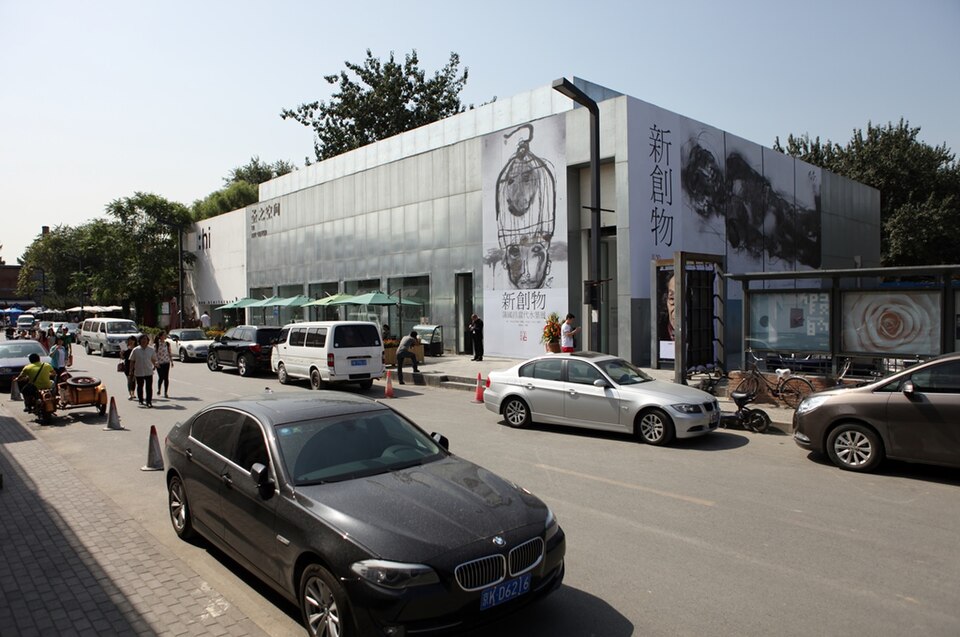
36 min walk
Today Art Museum
- Must see
- Art and culture venue
Language · 11 published
Historic monument · Beijing
潘家园旧货市场

Panjiayuan Antique Market is a sprawling bazaar in Beijing known for its vast assortment of secondhand goods, curios, and cultural artifacts. Locally called 潘家园旧货市场, it functions as a major trading hub where vendors gather to sell items ranging from vintage household objects to purported antiques. The market has evolved into a notable destination for both serious collectors and casual visitors seeking distinctive Beijing merchandise. Its reputation draws domestic and international tourists interested in Chinese material culture. A flexible visit lets travellers connect Panjiayuan Antique Market with the rest of the day without treating one room, viewpoint or photograph as the whole experience. The useful pace depends on personal interest and conditions on arrival.
Checked 2026-08-26
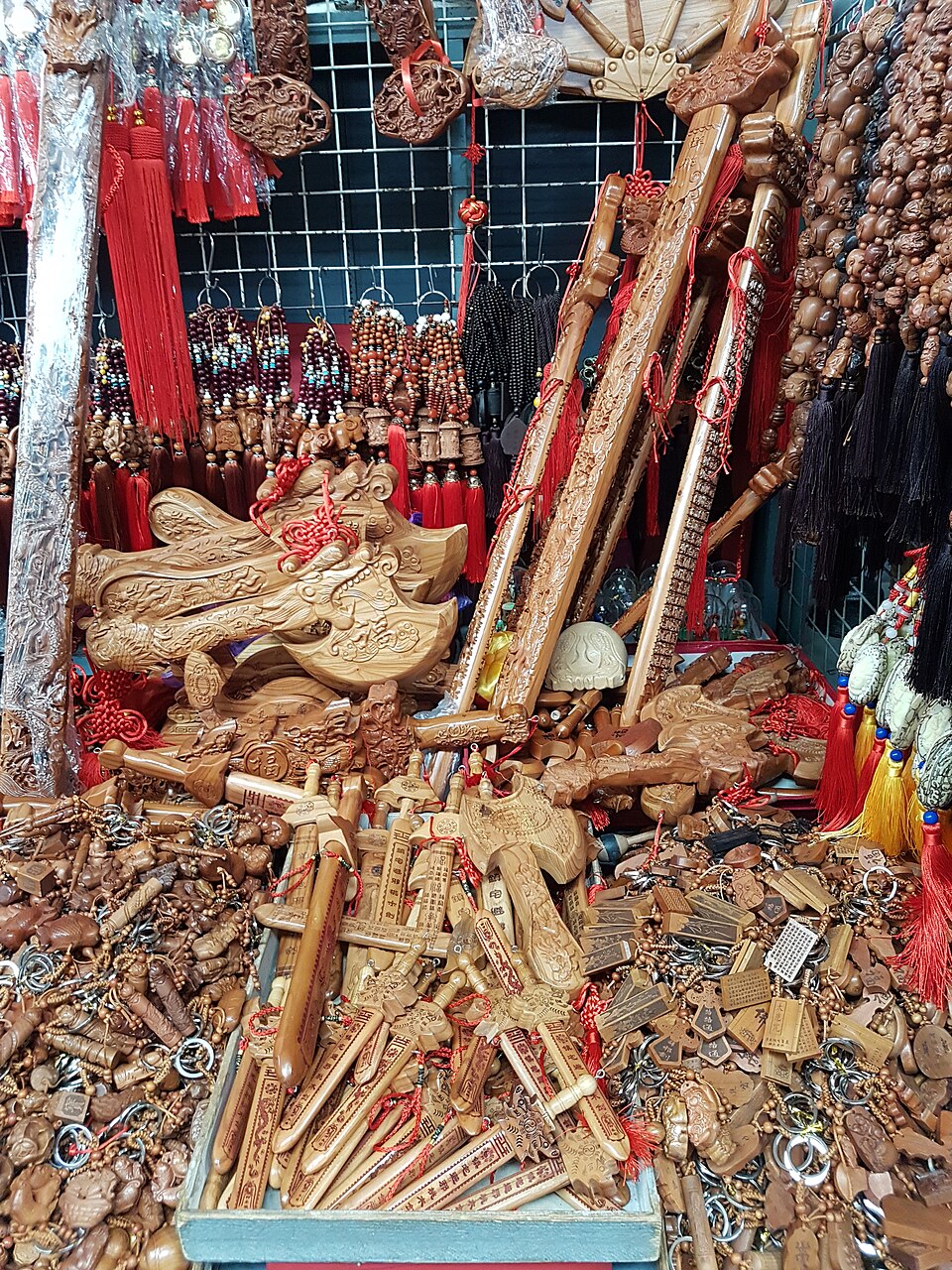
The market contains numerous stalls and covered pavilions organized by merchandise category. Visitors encounter ceramics, calligraphy supplies, Buddhist statuary, Cultural Revolution memorabilia, jade carvings, furniture, books, coins, and militaria. Some vendors specialize in genuine antiquities while others offer reproductions or decorative items. The atmosphere blends commercial activity with elements of treasure hunting. Negotiation is standard practice. The diversity of goods reflects both Beijing's historical layers and broader Chinese craft traditions spanning multiple dynastic and modern periods. The strongest visit keeps attention on what is distinctive here while leaving room for the next stop. That approach makes Panjiayuan Antique Market useful in both a focused first visit and a slower return to the city.
Checked 2026-08-26

Most visitors spend between two and four hours exploring the market's extensive grounds. The duration depends on individual interests, bargaining engagement, and crowd density. Serious collectors may dedicate half a day examining specific categories or establishing vendor relationships. Casual browsers often concentrate on particular sections matching their curiosity. The market's scale rewards repeated visits for those seeking comprehensive coverage. First-time visitors should allow sufficient time for orientation amid the maze-like arrangement of stalls and pavilions. Panjiayuan Antique Market also earns time in a beijing itinerary because A distinct beijing visitor place retained in the breadth-first top 100; production has no city POI pool for an exact match. Its value becomes clearer when the stop is compared with the surrounding streets and the other ranked places nearby.
Checked 2026-08-26
Operator-confirmed hours are Not recorded pending review. The market traditionally operates on specific days with weekend mornings generally considered peak activity periods. Early arrival may offer advantages in vendor selection and crowd avoidance. Seasonal weather affects the open-air portions significantly. Beijing's winter cold and summer humidity influence visitor comfort. Major Chinese holidays potentially alter normal operations. Visitors should verify current schedules through authoritative channels before planning dedicated trips to avoid disappointment from unannounced closures or modified timings.
Checked 2026-08-26
Operator-confirmed prices are Not recorded pending review. The market historically operates without formal admission charges, functioning as a commercial venue where visitors pay only for purchased goods. Individual item prices vary enormously based on perceived authenticity, age, craftsmanship, and negotiation outcomes. Budget-conscious visitors should establish spending limits beforehand. Cash transactions remain common though digital payment methods increasingly prevail. No reliable information confirms current fee structures for any special exhibitions, parking, or premium access areas that may exist.
Checked 2026-08-26

Panjiayuan occupies a location in Beijing's southeastern Chaoyang District accessible through multiple transportation modes. The Beijing Subway serves nearby stations requiring subsequent walking. Bus routes connect to stops in the vicinity. Taxi and ride-hailing services recognize the market name. Driving presents parking challenges typical of popular Beijing destinations. Visitors unfamiliar with local navigation should prepare Chinese-language destination information. Morning arrival coincides with vendor setup and initial trading. The surrounding urban fabric includes residential neighborhoods and commercial strips.
Checked 2026-08-26
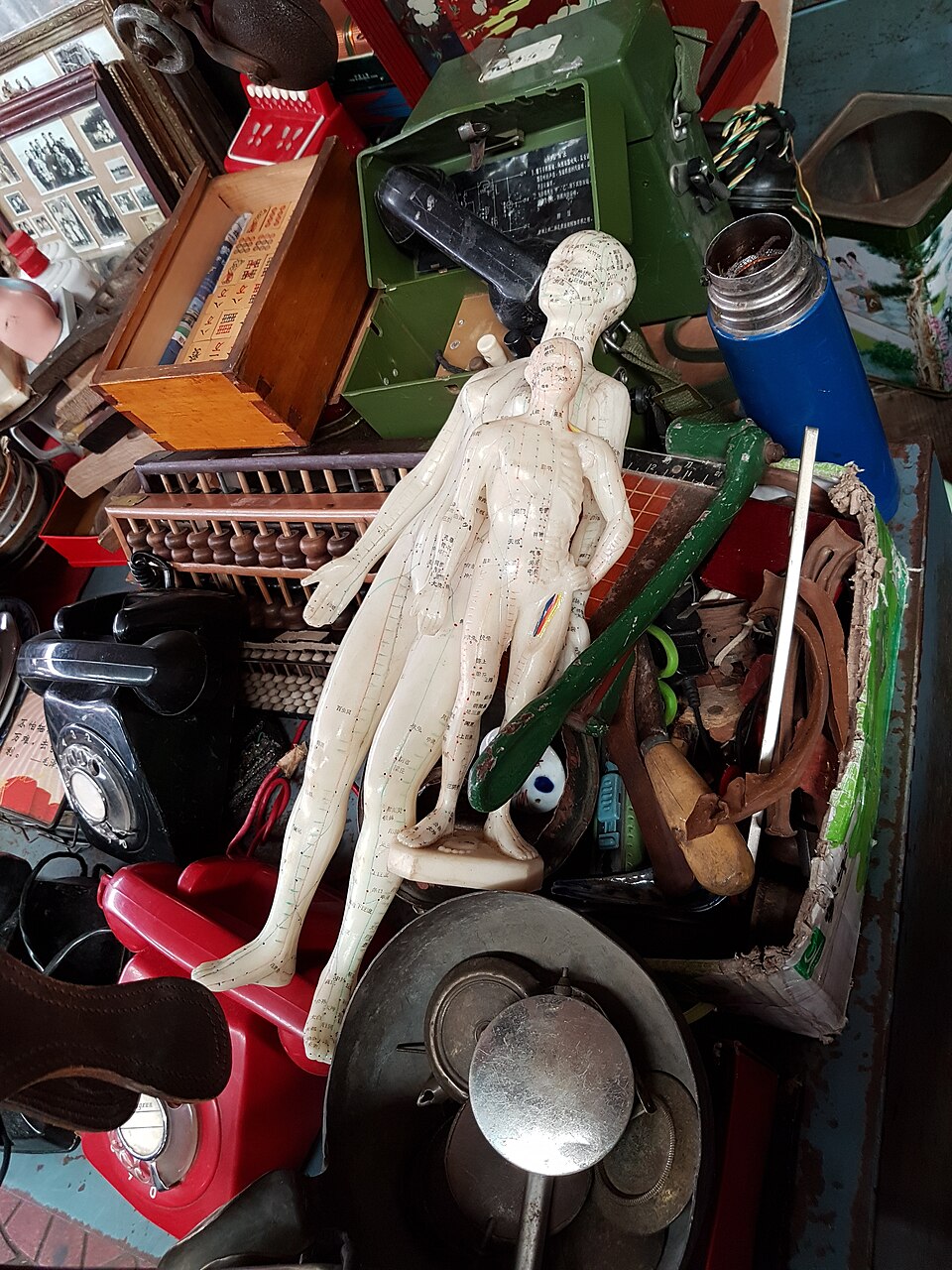
Authentication represents the paramount concern. Reproductions and artificially aged items circulate extensively alongside legitimate vintage goods. Visitors lacking specialist knowledge should exercise extreme caution before significant expenditures. Bargaining is expected; initial quotes typically exceed final transaction prices substantially. Crowd conditions require vigilance against petty theft. Physical infrastructure includes uneven surfaces and narrow passages. Some vendors apply persistent sales tactics. Documentation for genuine antiquities export requires understanding complex Chinese cultural heritage regulations. Impulse purchases risk subsequent regret.
Checked 2026-08-26
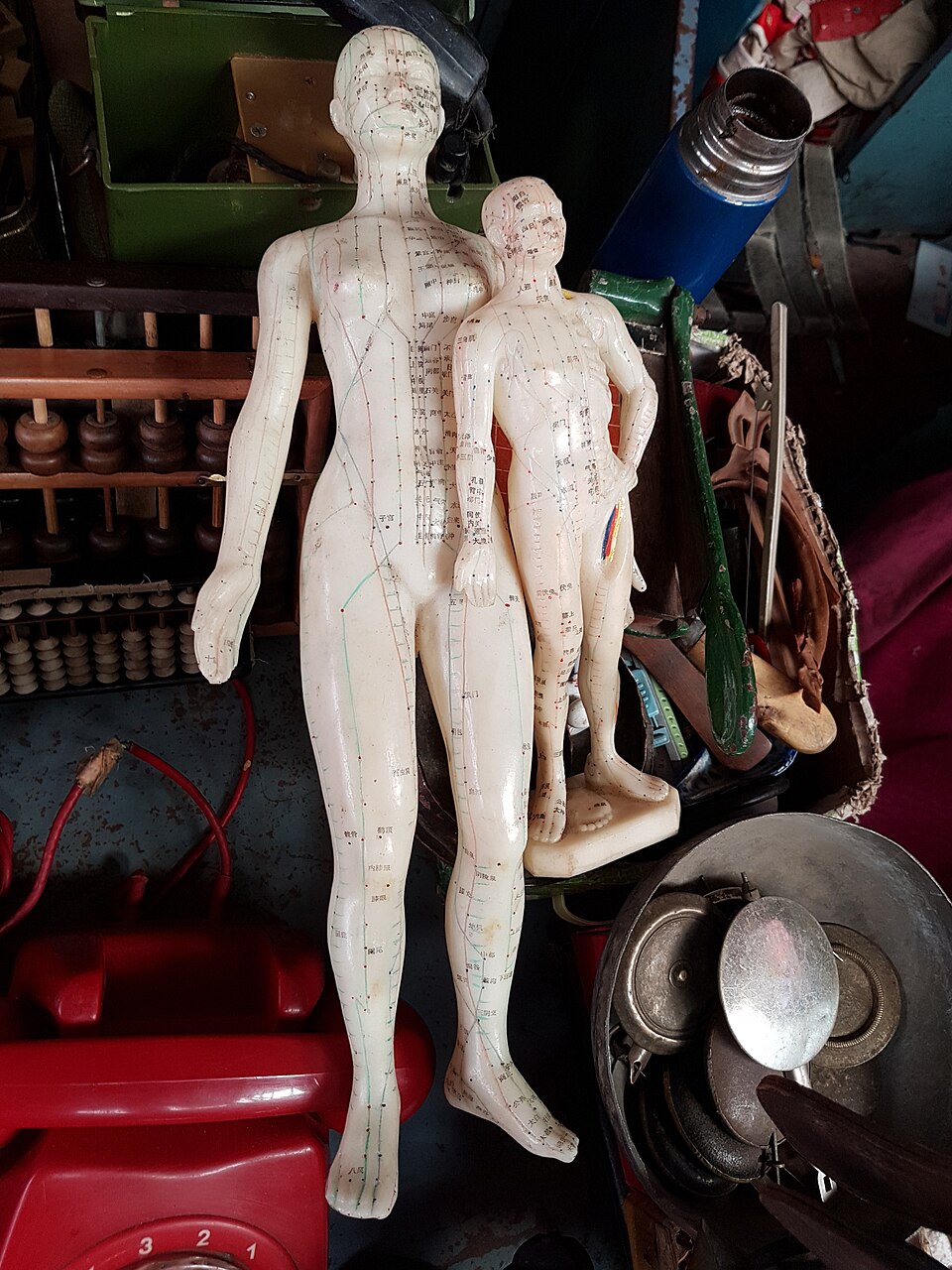
Photographic opportunities abound amid the visually dense merchandise displays and human activity. Many vendors permit casual photography of their stalls, though courtesy suggests requesting permission. Some sellers may decline or expect purchase consideration. The market's architectural elements and crowd scenes offer documentary potential. Lighting conditions vary between covered pavilions and open areas. Respectful practice avoids intrusive close-ups of individuals without consent. Commercial photography or organized shoots likely require explicit arrangements. Equipment security demands awareness in congested spaces.
Checked 2026-08-26
Specific operating schedules are Not recorded pending review. The market has traditionally functioned on particular days rather than continuous daily operation. Weekend mornings commonly feature maximum vendor presence. Visitors should verify current days and hours through authoritative sources before traveling.
The market offers items across the authenticity spectrum including genuine antiquities, vintage goods, and modern reproductions. Determining authenticity requires specialized expertise that most visitors lack. Significant purchases demand extreme caution, independent verification, and awareness that documented provenance is rarely available. Export restrictions apply to genuine antiquities.
Chinese language ability facilitates negotiation and vendor interaction but is not strictly necessary for browsing. Calculator displays, written numbers, and gesture communication suffice for basic transactions. Serious collectors benefit from translation assistance. Prepared Chinese text for destination names aids transportation navigation.
Negotiation is standard practice throughout the market. Posted prices are uncommon; vendors quote amounts expecting counter-offers. Initial quotations typically exceed acceptable selling prices substantially. Visitors should research comparable values, maintain polite firmness, and be prepared to walk away from unsatisfactory negotiations.
Payment practices vary by vendor. Cash remains widely used, particularly for smaller transactions. Mobile digital payments through Chinese platforms increasingly dominate. International credit cards face limited acceptance. Foreign visitors should prepare appropriate payment capabilities before visiting, as ATM access within the market itself is uncertain.
Reliable authentication requires specialist knowledge in materials, manufacturing techniques, aging patterns, and historical context. Surface wear, patina, and construction details offer imperfect indicators. Modern reproduction techniques grow increasingly sophisticated. Visitors without expertise should assume items are decorative or recent unless independently verified by qualified professionals.
Loading the interactive map…
The interactive map could not be loaded.

Last updated:
Source: OpenStreetMap contributors, Wikidata ·