

.jpg)
.jpg)
.jpg)
.jpg)
12 min walk
Phnom Bakheng
- Must see
- Historic monument
Language · 11 published
Historic monument · Siem Reap
ប្រាសាទតាព្រហ្មកិល
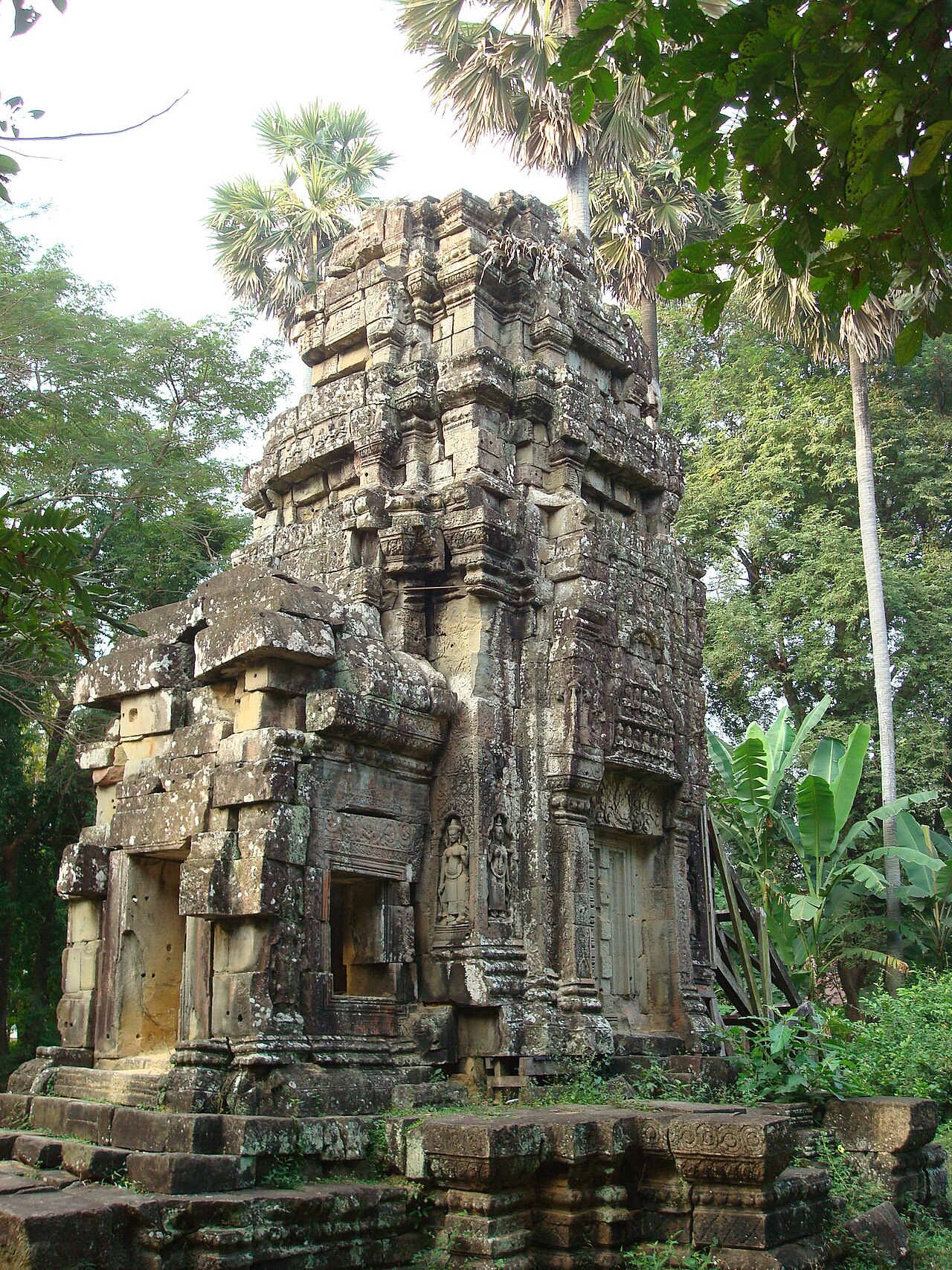
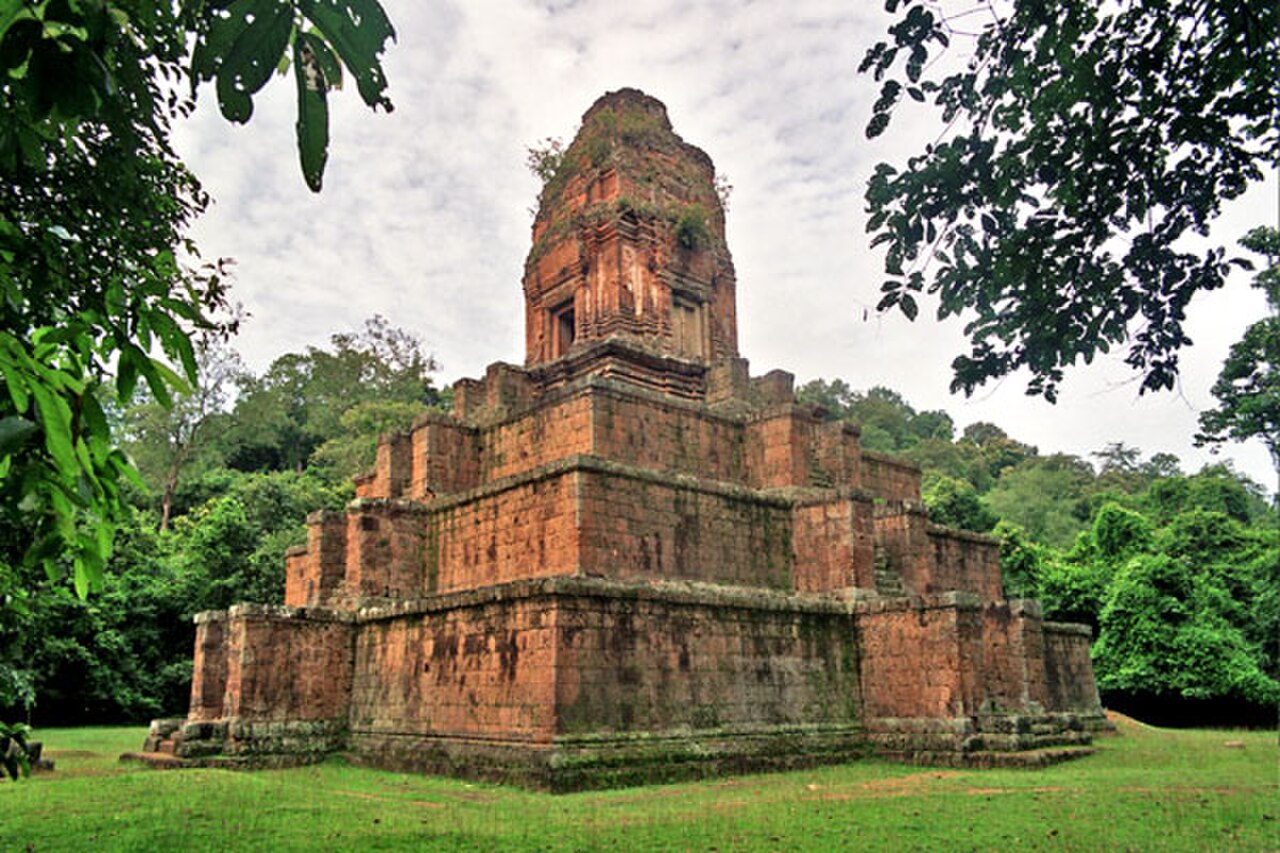
Ta Prohm Kel is a small Angkor-period temple ruin located within the Angkor Archaeological Park near Siem Reap, Cambodia. The site is administered by the APSARA National Authority, the Cambodian government agency responsible for protecting and managing the Angkor World Heritage area. The temple represents one of numerous lesser-known monuments scattered throughout the vast archaeological zone. Its modest scale distinguishes it from the major temple complexes that dominate visitor itineraries. The structure bears the name association with the larger and more famous Ta Prohm temple, though it constitutes a separate and distinct archaeological entity with its own historical significance within the Khmer empire's religious landscape.
Checked 2026-08-26
The temple structure consists of stone architectural remains typical of the Angkor period construction tradition. Visitors will encounter carved stonework and structural foundations that have undergone partial deterioration over centuries of exposure. The monument features elements of Khmer temple design, though specific interior decorative programs and sculptural details are not extensively documented in available sources. Vegetation integration with the masonry, a characteristic phenomenon at several Angkor sites, may be observable depending on current conservation status. The APSARA Authority oversees ongoing preservation efforts. No visitor facilities such as interpretive signage, rest areas, or commercial amenities are indicated in available documentation for this particular location.
Checked 2026-08-26
A visit to Ta Prohm Kel requires relatively limited time compared to major Angkor monuments. Most visitors would allocate between fifteen and thirty minutes for circumambulation and examination of the visible structural remains. The compact footprint of the site permits efficient viewing without extended walking distances. Those with specialized archaeological or architectural interests may wish to spend additional time examining construction techniques and stonework details. The temple naturally functions as a brief stop within a broader circuit of Angkor Archaeological Park destinations rather than a standalone half-day or full-day destination. Combination with nearby temples would constitute typical visitor practice.
Checked 2026-08-26

Cambodia experiences distinct wet and dry seasons that affect outdoor archaeological site visitation throughout the Angkor region. The dry season from November to March generally offers more predictable conditions with reduced rainfall and moderate temperatures, though this represents peak tourism demand throughout Siem Reap. The wet season brings higher humidity and intermittent heavy rainfall that may impact ground conditions and accessibility at unpaved temple locations. Morning hours typically provide cooler temperatures and softer light for observation. Visitors should consult current APSARA Authority announcements or official park information channels for any access restrictions or seasonal management protocols. Check the operator's own site for the travel date before relying on a schedule or fare.
Checked 2026-08-26
Access to Ta Prohm Kel requires possession of a valid Angkor Archaeological Park admission pass, as the temple lies within the protected zone boundaries. The APSARA Authority manages ticket sales through official park entrance checkpoints. Pass options historically have included single-day, three-day, and seven-day durations, though specific current pricing tiers and validity conditions are subject to periodic administrative adjustment. Visitors must purchase passes from authorized vendors only. The temple itself does not levy separate admission charges beyond the general park entry requirement. Proper ticket retention and presentation upon request by park officials remains essential throughout any visit. Check the operator's own site for the travel date before relying on a schedule or fare.
Checked 2026-08-26

Ta Prohm Kel occupies a position within the Angkor Archaeological Park road network accessible from Siem Reap town. The standard visitor approach utilizes hired transportation including tuk-tuk, motorcycle taxi, bicycle, or private vehicle with driver. Many visitors reach the temple as part of organized tour circuits or self-directed exploration of the broader monument zone. Road conditions vary across the park, with some routes surfaced and others presenting more challenging terrain particularly during wet season periods. The specific turning point and final approach to this lesser-visited temple may require local knowledge or navigational assistance. No dedicated public transportation service directly serves this individual monument location.
Checked 2026-08-26

Visitors should exercise standard precautions appropriate to tropical archaeological environments. Uneven ground surfaces, scattered stone debris, and partially collapsed structural elements present trip and fall hazards requiring careful foot placement. Weathered stone may prove slippery when damp. Sun exposure demands hydration, protective clothing, and sunblock application. The remote character of this lesser-visited site means reduced passerby presence and potentially delayed assistance in case of difficulty. Wildlife including insects and snakes inhabits the park ecosystem. Respect for archaeological fabric prohibits climbing on fragile structures or removing any material. Visitors should remain on discernible pathways and comply with any posted guidance or instructions from park personnel encountered.
Checked 2026-08-26

Ta Prohm Kel offers photographic subjects encompassing ancient stonework, architectural details, and environmental context within the Angkor landscape. The modest scale and reduced visitor density compared to major temples may facilitate unhurried composition without crowd management concerns. Lighting conditions follow typical outdoor patterns with morning and late afternoon generally providing favorable directional illumination. The weathered surfaces and vegetation interactions present textural interest for close examination. No specific photography restrictions are documented for this site, though standard Angkor Park regulations prohibiting commercial filming without permit presumably apply. Drone operation would require explicit authorization. Equipment protection from dust and humidity remains advisable throughout any archaeological site visit in this tropical climate.
Checked 2026-08-26
No. Ta Prohm Kel is a separate and smaller temple ruin distinct from the major Ta Prohm temple complex known for its extensive tree-root formations. They share a naming element but constitute different archaeological sites within the Angkor Archaeological Park.
No separate ticket is required. The temple lies within the Angkor Archaeological Park zone, so access requires only the general park admission pass purchased at official checkpoints.
Most visitors spend fifteen to thirty minutes at this compact site. It functions best as a brief stop within a broader Angkor circuit rather than a primary destination.
Archaeological sites throughout Angkor present uneven surfaces, scattered debris, and absent accessibility infrastructure. Cautious visitor judgement suggests this site likely poses challenges for those with significant mobility restrictions.
Available documentation does not indicate dedicated interpretive signage, printed materials, or regular guide presence at this specific temple. Visitors seeking historical context should consult external resources beforehand.
The APSARA National Authority administers the site. Specific current conservation interventions or recent restoration activities are not detailed in the available source material.
Loading the interactive map…
The interactive map could not be loaded.
Last updated:
Source: OpenStreetMap contributors, Wikidata ·