
80 min walk
Phnom Kulen
- Notable
- Viewpoint
Language · 11 published
Historic monument · Siem Reap
ក្បាលស្ពាន
| Monday | 07:00 – 18:30 |
|---|---|
| Tuesday | 07:00 – 18:30 |
| Wednesday | 07:00 – 18:30 |
| Thursday | 07:00 – 18:30 |
| Friday | 07:00 – 18:30 |
| Saturday | 07:00 – 18:30 |
| Sunday | 07:00 – 18:30 |
Checked 2026-08-31 · Source
Read from the OpenStreetMap access tags; anything not listed has no tag recorded.
Set the group type to family in the planner and the day window contracts to about three quarters of a solo day.
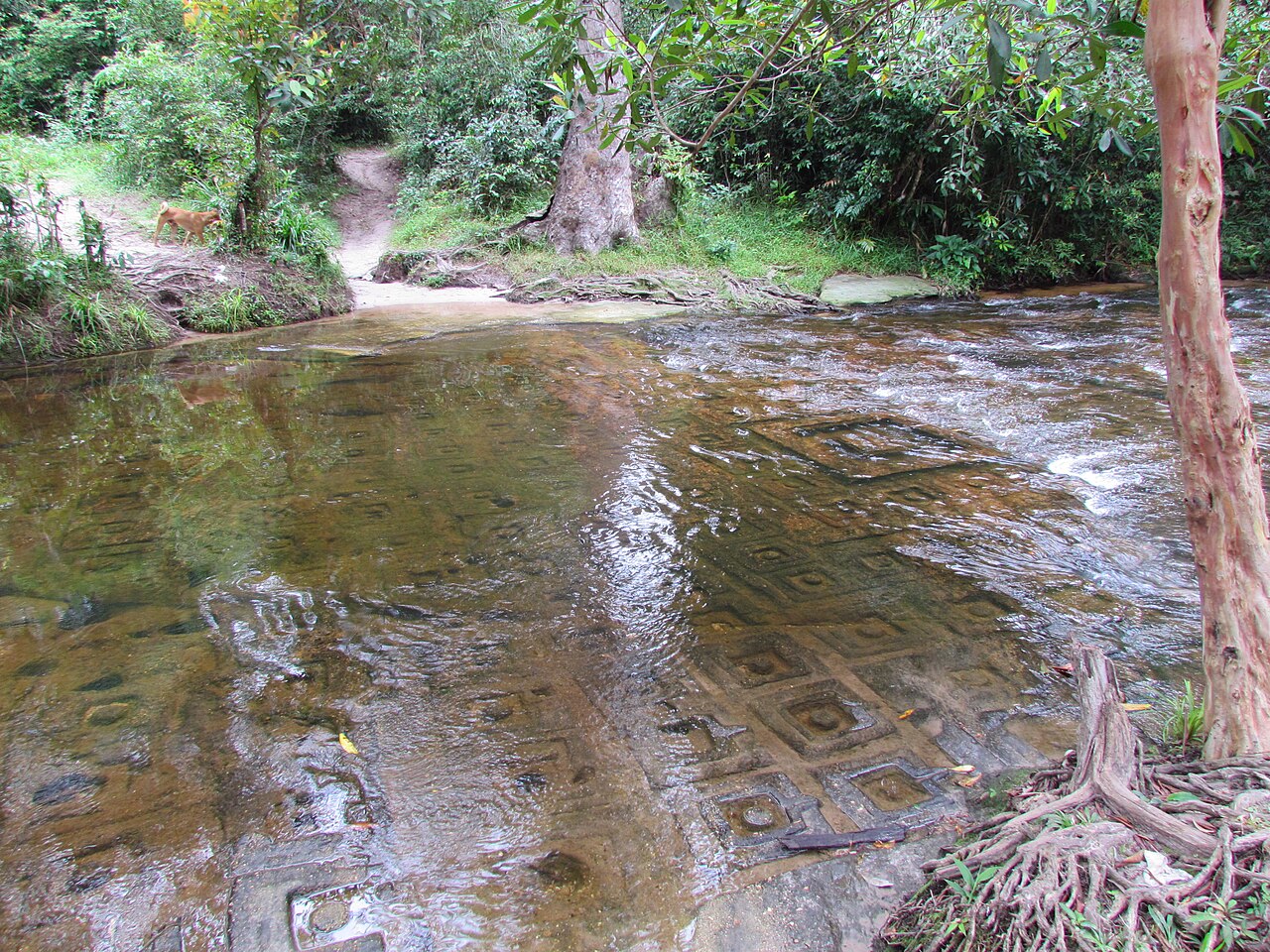
Kbal Spean is an archaeological site in the Kulen Hills northeast of Siem Reap, Cambodia. Known as the River of a Thousand Lingas, it features Hindu and Buddhist stone carvings on the riverbed and surrounding rocks. The site forms part of the broader Angkor cultural landscape, recognized by UNESCO. Created during the Khmer Empire period, the carvings include lingas, yonis, and depictions of deities. The sacred site demonstrates the integration of natural features with religious symbolism. Water flowing over the carvings was believed to become blessed before continuing to Angkor's temples.
Checked 2026-08-26
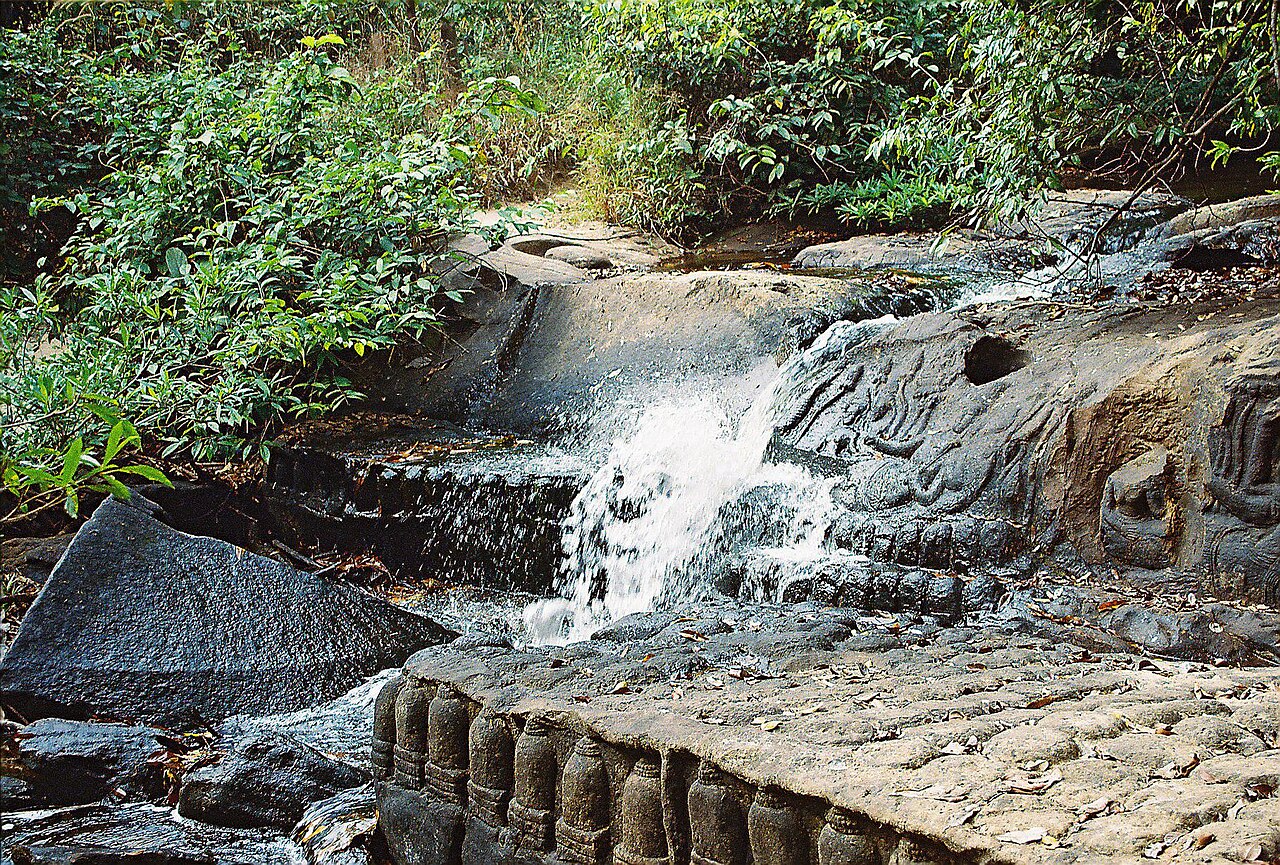
The site contains sandstone carvings of lingas, yonis, and images of Vishnu, Shiva, Brahma, Lakshmi, and other figures. A prominent carving shows Vishnu reclining on the serpent Ananta. The riverbed itself was sculpted with geometric patterns and symbols. Small waterfalls and pools punctuate the stream. The surrounding forest provides habitat for diverse wildlife. A short hiking trail leads visitors through the jungle to reach the carved sections. The natural setting combines with human craftsmanship to create a distinctive spiritual atmosphere unlike the grand temple complexes elsewhere in the region.
Checked 2026-08-26
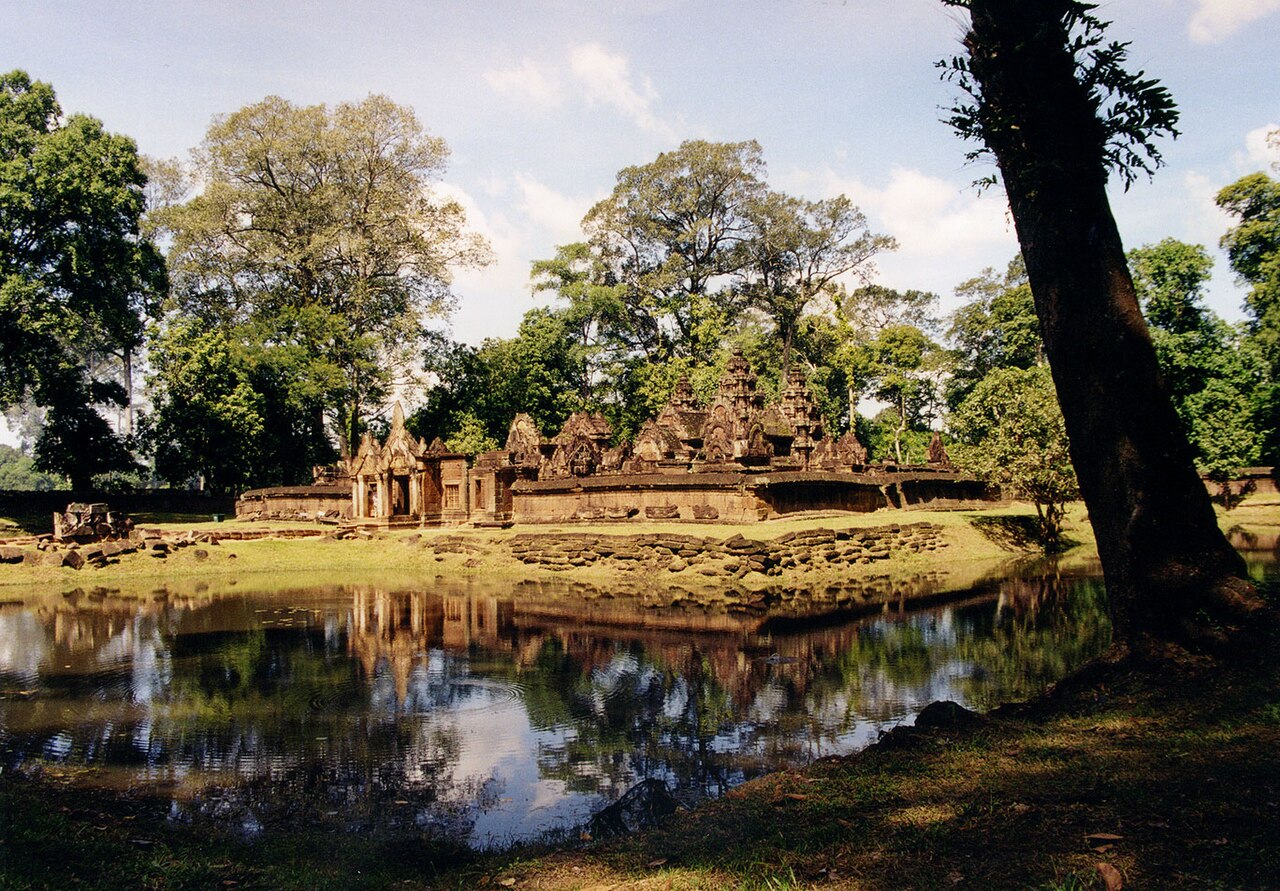
Visitors typically spend two to three hours at Kbal Spean, including the forest hike to reach the carvings. The walking trail from the parking area takes approximately forty minutes each way through moderate terrain. Those wishing to examine carvings in detail or rest at the stream may extend their stay. The site suits a half-day excursion from Siem Reap rather than a full day. Combining with nearby Banteay Srei temple creates a reasonable itinerary. Physical fitness matters due to the uphill walk and potentially slippery rocks near water.
Checked 2026-08-26
The dry season from November to April offers more accessible conditions for the hike and clearer water for viewing carvings. Monsoon months bring lush vegetation but also muddy trails and stronger currents that may obscure visibility. Early morning visits provide cooler temperatures for the walk. Visitors should verify current access conditions locally, as seasonal flooding occasionally affects trail safety. The site receives fewer visitors than major Angkor temples, offering relative tranquility throughout the year when accessible. Check the operator's own site for the travel date before relying on a schedule or fare.
Checked 2026-08-26
Kbal Spean requires the Angkor Pass for entry, the same ticket system covering major temples in the region. Pass options include one-day, three-day, and seven-day durations. Specific pricing for these passes is Not recorded pending review. No separate admission fee applies specifically to Kbal Spean itself. Visitors should purchase passes at official Angkor ticket centers rather than through unofficial sources. Passes are non-transferable and include photography. Guides may be hired separately at the site or arranged through accommodations in Siem Reap, though this remains optional for independent visitors.
Checked 2026-08-26
Kbal Spean lies approximately fifty kilometers northeast of Siem Reap city. Transportation options include hired car, motorbike taxi, or tuk-tuk for the journey, which takes roughly one hour each way. The final portion requires walking as vehicles cannot reach the carvings directly. Road conditions vary seasonally, with some surfaces becoming challenging during wet periods. Organized tours frequently combine Kbal Spean with Banteay Srei temple due to proximity. Self-navigation demands attention as signage remains limited in rural areas. Departing early allows completion before afternoon heat intensifies.
Checked 2026-08-26
The hiking trail presents uneven terrain, tree roots, and rocks requiring sturdy footwear. Slippery conditions near the stream create fall risks, especially on wet stones. Leeches appear during rainy months. Sun protection and water carry essential importance given the exposed walk. Swimming near carvings disrespects sacred elements and risks injury from hidden rocks. Wildlife encounters including snakes remain possible though uncommon. Mobile phone coverage is unreliable in the forested hills. Visitors should inform accommodations of intended return time. Solo hiking after dark is inadvisable due to navigation challenges.
Checked 2026-08-26
The dappled forest light creates challenging exposure conditions for capturing carvings. Polarizing filters help reduce glare on wet stone surfaces. Tripods prove impractical on uneven rocks near water. The best carving visibility occurs when sunlight strikes the riverbed directly, typically mid-morning depending on season. Wide-angle lenses accommodate the confined stream setting. Water-resistant camera protection matters given spray and humidity. Respectful photography avoids positioning directly atop sacred carvings. The surrounding jungle offers additional subjects including butterflies and forest textures. Patience rewards visitors seeking unoccupied views during occasional quiet moments.
Checked 2026-08-26
Kbal Spean is not part of Angkor Wat temple itself, but lies within the broader Angkor archaeological region and requires the same Angkor Pass for entry.
Swimming is not advisable as the carvings hold religious significance, and submerged rocks create injury hazards in the stream.
The trail involves moderate difficulty with uphill walking, uneven terrain, and approximately forty minutes each way through forest.
A guide is optional; independent visitors can follow the trail, though guides provide historical context about the carvings.
Sturdy hiking shoes, modest clothing covering shoulders and knees, sun protection, and insect repellent are recommended.
Access varies seasonally; heavy rain may create hazardous trail conditions and obscure carvings, so verification before visiting is prudent.
Loading the interactive map…
The interactive map could not be loaded.
Last updated:
Source: OpenStreetMap contributors, Wikidata ·