


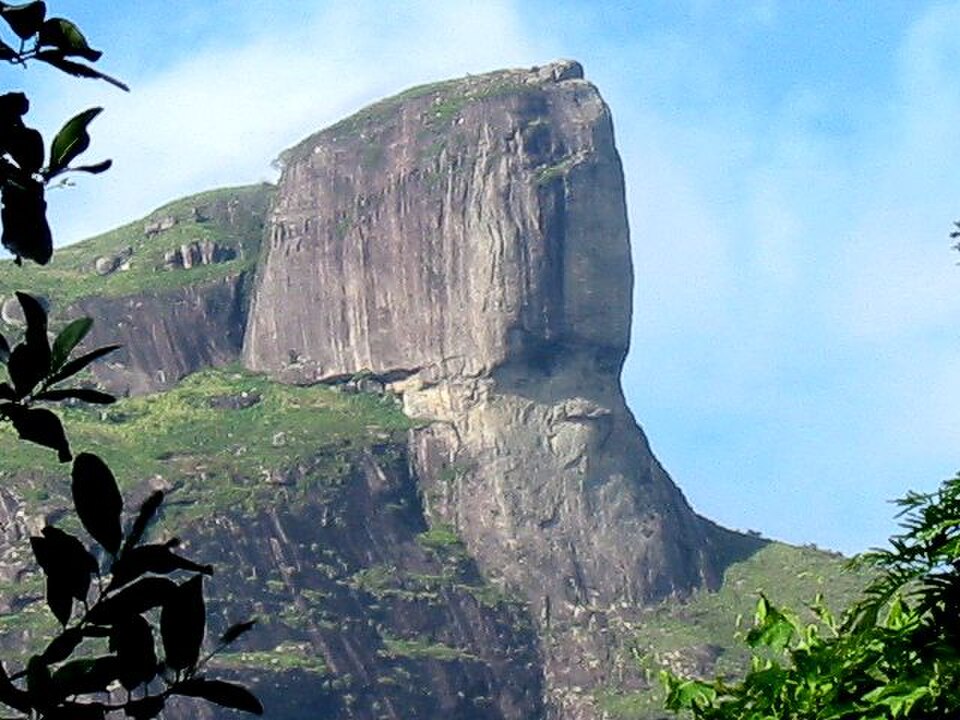
24 min walk
Pedra da Gávea
- Must see · Heritage site
- Viewpoint
Language · 11 published
Nature site · Rio de Janeiro
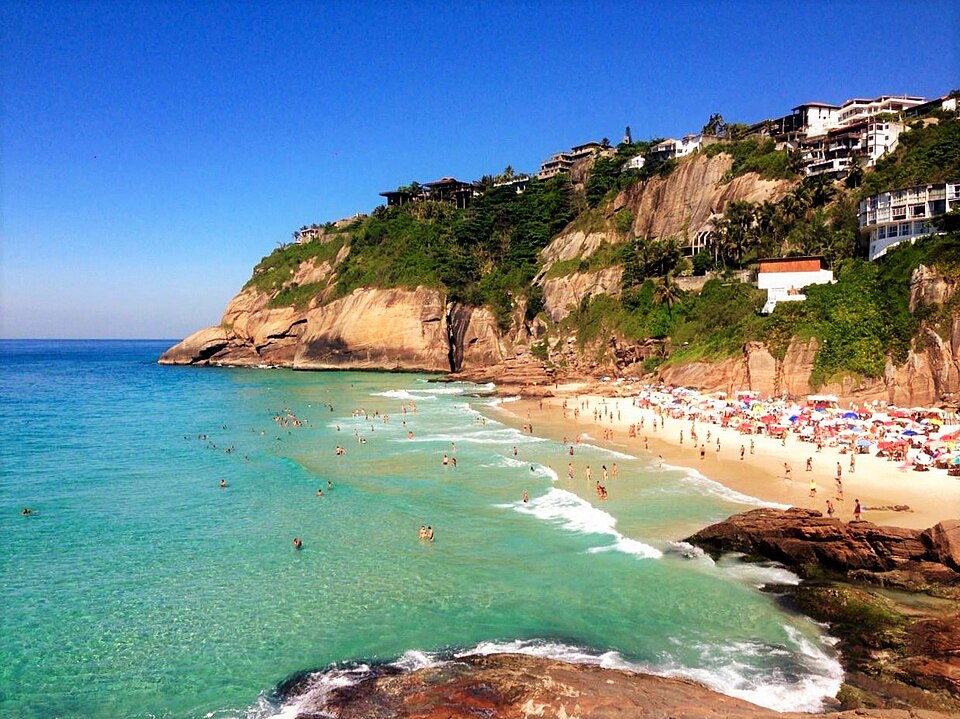
Praia da Joatinga is a small beach located in Rio de Janeiro's western zone, nestled between São Conrado and Barra da Tijuca. Backed by cliffs, this secluded strand offers a more intimate coastal experience compared to the city's major urban beaches. The beach is known for its scenic setting and relative isolation from the dense development found along much of Rio's shoreline. Access requires effort, which naturally limits crowds. The local name reflects its position within the Joá neighborhood, a residential area perched on the coastal hillsides between two of Rio's more famous beach districts.
Checked 2026-08-26
The beach itself consists of sand backed by rocky cliffs, with natural surroundings rather than commercial infrastructure. Visitors should not expect the extensive services found at Copacabana or Ipanema. There are no recorded permanent facilities, vendors, or equipment rentals based on available sources. The cliff environment means shade is limited to specific times of day depending on sun position. The tidal conditions significantly affect usable beach area. Visitors report that high tide can substantially reduce the available sand, making the experience quite different depending on arrival time and sea conditions.
Checked 2026-08-26
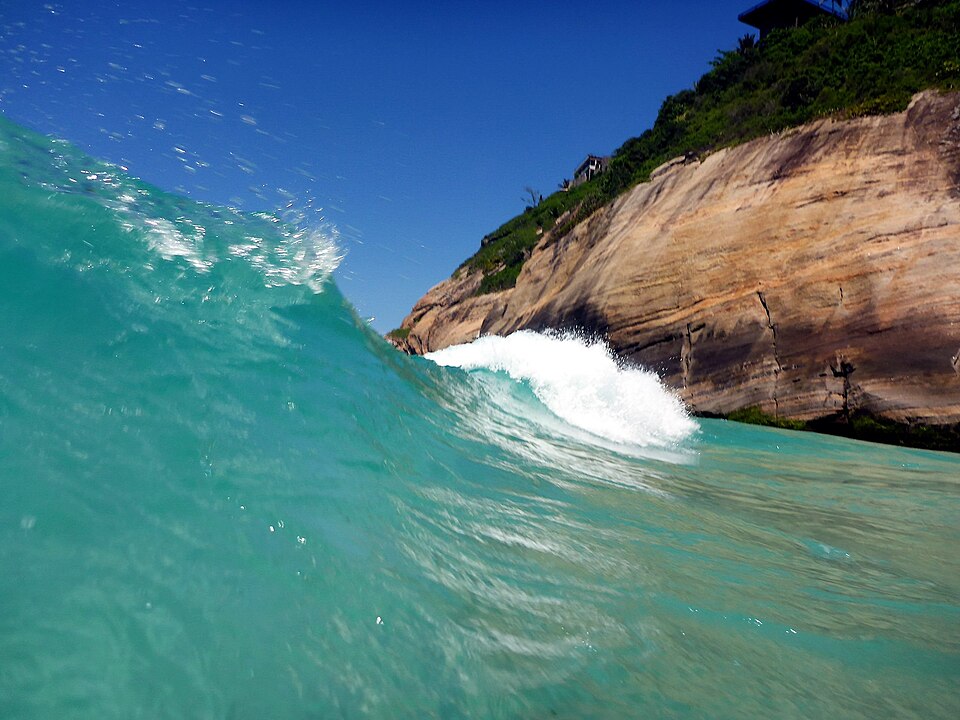
A visit duration depends heavily on individual purpose and tide conditions. Those seeking swimming or sunbathing may stay several hours during favorable low tide periods. Photographers and sightseers might complete a shorter visit of under an hour. The access effort—descending from the cliff-top neighborhood—suggests most visitors plan at least a half-day excursion rather than a brief stop. The isolated nature means there is little nearby to combine into a walking itinerary, so visitors typically come specifically for this beach experience and depart when tides or preferences dictate.
Checked 2026-08-26
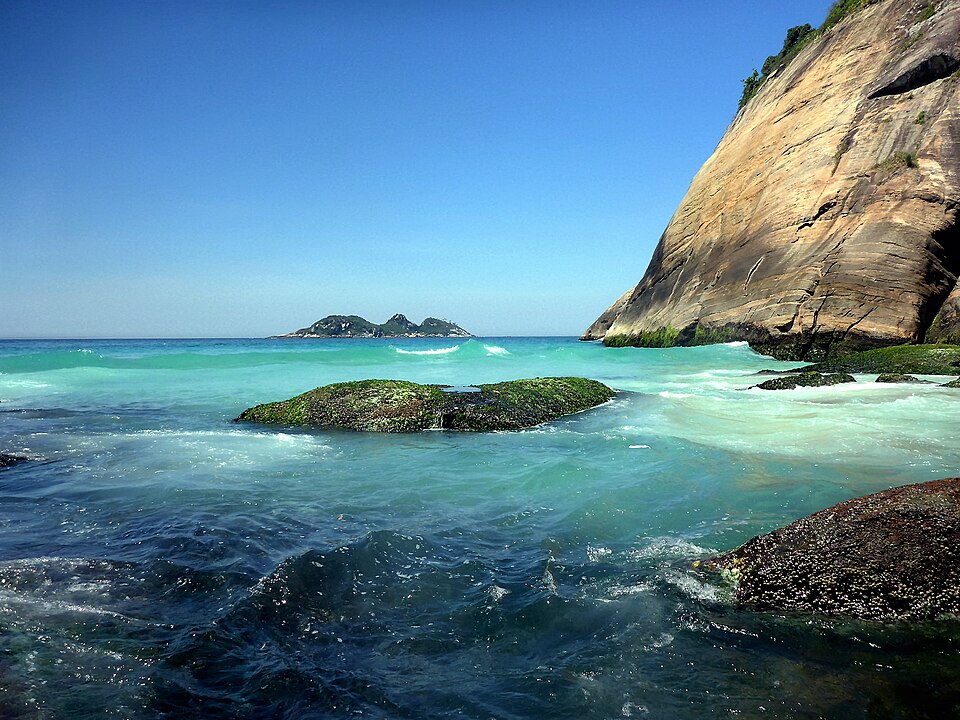
Operator-confirmed hours are Not recorded pending review. The beach's tide-dependent nature makes timing crucial regardless of season. Low tide periods expose more sand and improve access to the water. Morning visits may offer calmer conditions before afternoon winds common to this coastal stretch. Weekdays naturally attract fewer visitors than weekends when local residents have leisure time. Rio's summer months (December–March) bring warmer water temperatures but also more intense sun exposure on this cliff-backed beach with limited natural shade. The rainy season can affect water clarity and trail conditions for access.
Checked 2026-08-26
Operator-confirmed prices are Not recorded pending review. Access to the beach itself appears to be free of charge based on standard practice for Brazilian public beaches. There are no recorded entry fees or controlled access gates in available sources. Visitors should budget for transportation costs to reach the Joá neighborhood, whether by private vehicle, rideshare, or taxi. Parking in the residential area above the beach may involve informal arrangements with local attendants. Visitors should bring all needed supplies as commercial services at the beach itself are minimal or absent based on its undeveloped character.
Checked 2026-08-26
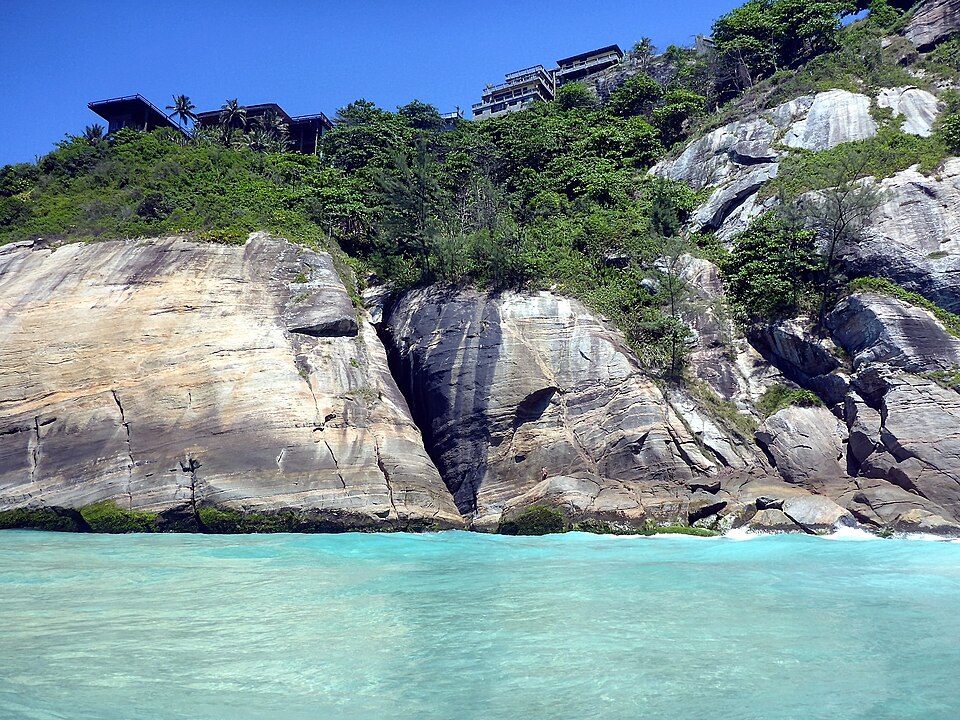
Praia da Joatinga requires deliberate effort to reach, contributing to its seclusion. The beach sits below the Joá neighborhood with no direct public transit to the sand. Visitors typically reach the cliff-top area by car, taxi, or rideshare from São Conrado or Barra da Tijuca. From the neighborhood, a descent path leads down the cliff face to beach level. The exact trail condition and difficulty are not recorded in available sources. Visitors should wear appropriate footwear for uneven terrain. The lack of formal infrastructure means self-sufficient navigation and caution are advisable for this access route.
Checked 2026-08-26

Tide conditions present the most significant variable—high tide can eliminate usable beach area and create dangerous conditions near cliff bases. The access path down the cliff requires attention to footing and may be unsuitable for those with mobility limitations. Limited or absent lifeguard services mean swimmers must exercise independent judgment about water safety. The isolated setting means help may not be readily available in emergencies. Sun exposure is intensified by the reflective sand and water with limited shade options. Visitors should carry adequate water, sun protection, and emergency supplies given the minimal services available at this undeveloped location.
Checked 2026-08-26
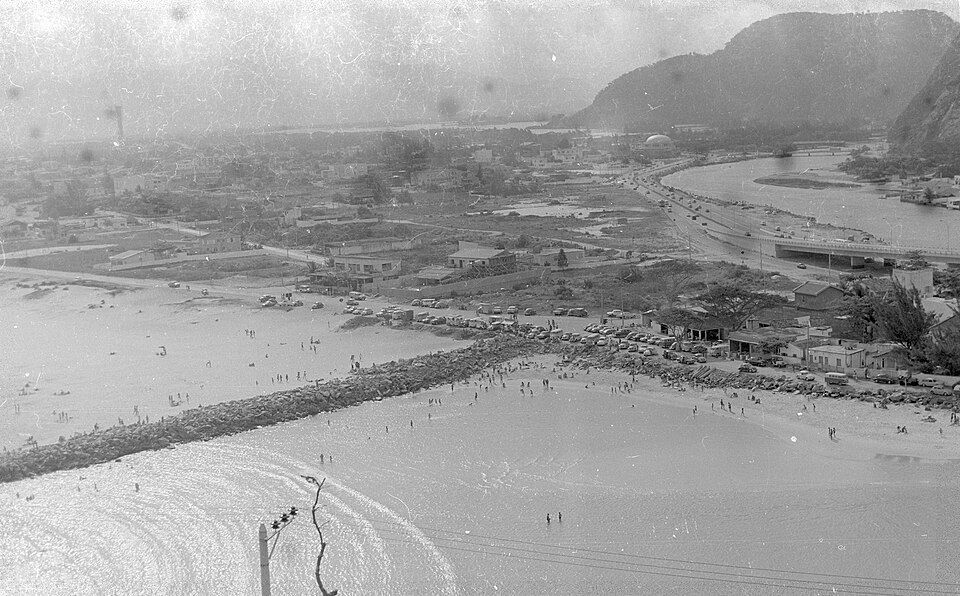
The cliff-backed setting provides distinctive scenic compositions separating this beach from Rio's more photographed strands. The elevated approach from the Joá neighborhood offers potential overview shots before descent. Morning and late afternoon light angles interact dramatically with the cliff formations. The relative lack of crowds improves chances of capturing unpopulated beach scenes, though this depends heavily on arrival timing. Tide conditions affect available foreground elements and overall beach appearance. Drone operation should follow Brazilian aviation regulations and respect residential privacy in the cliff-top neighborhood. The natural palette of rock, vegetation, sand, and water offers varied photographic subjects beyond typical beach imagery.
Checked 2026-08-26
The steep cliff access and tide-dependent conditions suggest caution for families with young children. The descent path difficulty and lack of facilities are factors to consider.
Not recorded. The beach's undeveloped character and small size indicate visitors should not expect food services and should bring their own provisions.
Public transit reaches the general São Conrado or Barra da Tijuca areas, but the final access to Joá neighborhood and the cliff descent typically requires additional private transportation or significant walking.
Specific water quality data is not recorded. The isolated setting with limited lifeguard presence means swimmers should exercise caution and assess conditions independently.
Praia da Joatinga offers a much smaller, secluded experience without the extensive services, infrastructure, or crowds of Rio's famous urban beaches. The trade-off is natural scenery versus convenience.
Yes, tide conditions significantly affect usable beach area and the overall experience. Visitors should consult tide information to plan arrival timing, as high tide can substantially reduce available sand.
Loading the interactive map…
The interactive map could not be loaded.
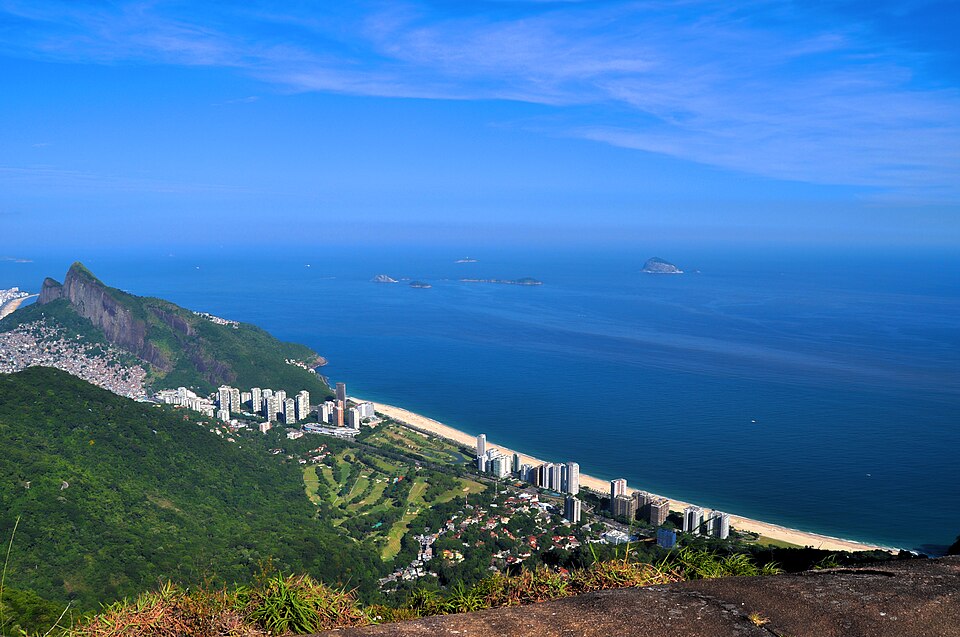

Last updated:
Source: OpenStreetMap contributors, Wikidata ·