
2 min walk
Paço Imperial
- Must see · Heritage site
- Museum
Language · 11 published
Nature site · Rio de Janeiro
Praça Quinze de Novembro
Reviewed by Elena Voss · SSMTour Travel Editor

Fifteenth of November Square, or Praça XV de Novembro, is a historic public square in Rio de Janeiro’s Centro district. It stands beside Guanabara Bay and has long connected civic life, maritime movement and the city’s historic core. The name commemorates Brazil’s proclamation of the Republic on 15 November 1889. For travelers, the square is valuable as an open urban meeting point where colonial, imperial and republican layers of Rio can be read through buildings, monuments and waterfront activity. Praça XV de Novembro, known in English as Fifteenth of November Square, is a historic public square in Rio de Janeiro's Centro district. It occupies a significant waterfront position on Guanabara Bay and has served as a ceremonial and political center since colonial times. The square commemorates the proclamation of the Republic of Brazil on November 15, 1889. Its location has made it a continuous hub of maritime, administrative, and civic activity for centuries, reflecting layered phases of Brazilian history from the colonial era through the Empire and into the Republican period.
Checked 2026-08-26 · Source
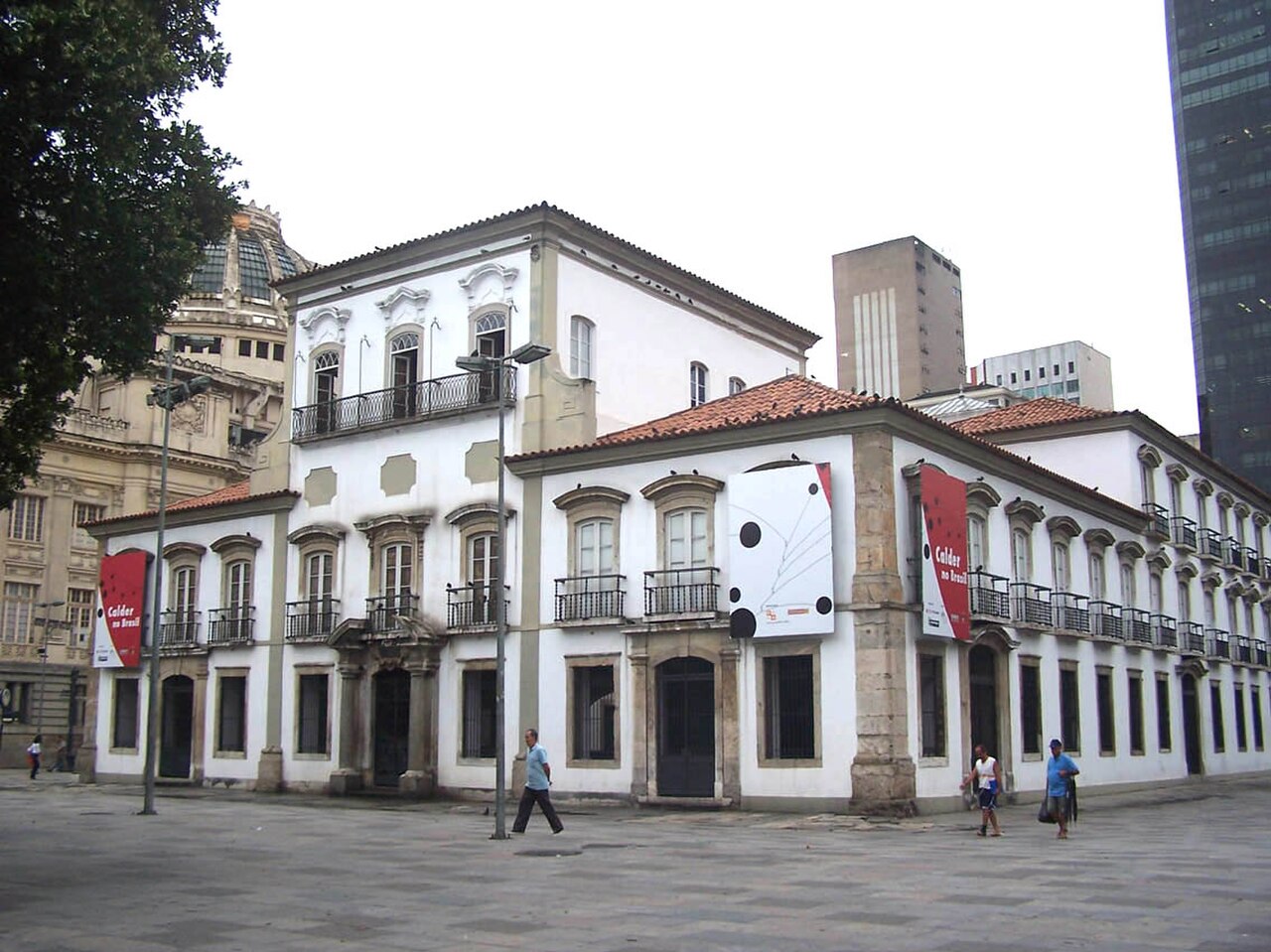
The square is surrounded by a concentrated historic ensemble. The Paço Imperial was an imperial palace and now functions as a cultural centre with exhibition spaces. Nearby are the Church of Our Lady of Carmo and the Ordem Terceira do Carmo. The waterfront edge contains the ferry terminal serving crossings toward Niterói and Paquetá Island. Statuary and commemorative features occupy the public space, while the surrounding façades provide a compact introduction to Rio’s colonial and imperial architecture.
Checked 2026-08-26 · Source
Allow thirty minutes to two hours for the square itself, depending on whether you are passing through or taking time to examine the surrounding architecture and waterfront. A quick visit covers the open space, historic façades and bay edge. Stay longer if you plan to include an exhibition at the Paço Imperial or wait for a ferry. Because Praça XV also works as a transit hub, it fits naturally into a broader Centro walking route rather than requiring an entire day alone.
Checked 2026-08-26 · Source
Visit during daylight when the architectural details and relationship with Guanabara Bay are easiest to appreciate. Weekday business hours bring a stronger commuter and commercial rhythm, while ferry departures can create concentrated crowds at the waterfront. The square remains an open public place, but the Paço Imperial and nearby churches follow their own schedules. Since the space offers limited shelter, carry protection from strong sun or rain. Morning and late afternoon are especially rewarding for observing changing light across the façades.
Checked 2026-08-26 · Source
The public square itself is freely accessible. A separate ticket may be needed for ferry travel from the terminal, and any exhibition or interior visit in a surrounding building follows that venue’s own arrangements. You can therefore explore the square, monuments and exterior architecture as part of a self-guided Centro walk without a general admission procedure. Treat ferry travel and cultural programming as separate activities when planning time and spending for the day.
Checked 2026-08-26 · Source
Praça XV sits in central Rio and is linked to the city’s metro, bus and VLT light-rail networks. The VLT serves the immediate central area, while buses run through nearby avenues. The waterfront ferry terminal adds a maritime connection to Niterói and Paquetá Island. The square is also practical on foot from neighbouring central areas such as Lapa and Cinelândia. Build in extra time when crossing the district during busy periods, since the surrounding streets carry both commuter and visitor traffic.
Checked 2026-08-26 · Source
Keep belongings close and stay aware of your surroundings in this busy central district. Ferry boarding periods can increase crowding near the waterfront, where pedestrians and vehicles share active spaces. Historic paving may be uneven, so comfortable shoes help and mobility should be planned at an unhurried pace. The open square offers little shade or rain cover, making sun and weather protection useful. Evening conditions feel quieter as commercial activity decreases, so choose your timing with the rest of your Centro route in mind.
Checked 2026-08-26 · Source
The square brings together colonial façades, the Paço Imperial, monuments, ferry movement and views toward Guanabara Bay. Use the open space to frame architecture against the waterfront, then look for details in doorways, church fronts and commemorative elements. Morning and late-afternoon light can add texture and depth to the façades. Ferry activity provides movement in wider compositions. Interior photography depends on each building’s rules, while the public square itself offers plenty of exterior subjects without special equipment.
Checked 2026-08-26 · Source
The Portuguese name is Praça XV de Novembro. “XV” represents 15, the date associated with Brazil’s proclamation of the Republic in 1889.
The Paço Imperial stands beside the square. It was an imperial palace and now functions as a cultural centre with exhibition spaces.
Yes. The public square is freely accessible. Ferry travel and visits to interior exhibitions are separate activities with their own arrangements.
The ferry terminal at the waterfront provides maritime connections toward Niterói and Paquetá Island.
Allow thirty minutes to two hours, depending on whether you are viewing the architecture briefly or adding an exhibition or ferry departure.
The square is connected with Rio’s metro, bus and VLT light-rail networks, and its waterfront terminal adds ferry connections.
Loading the interactive map…
The interactive map could not be loaded.


Last updated:
Source: OpenStreetMap contributors, Wikidata ·