


.jpg)

14 min walk
Pedra Bonita
- Must see
- Viewpoint
Language · 1 published
Viewpoint · Rio de Janeiro
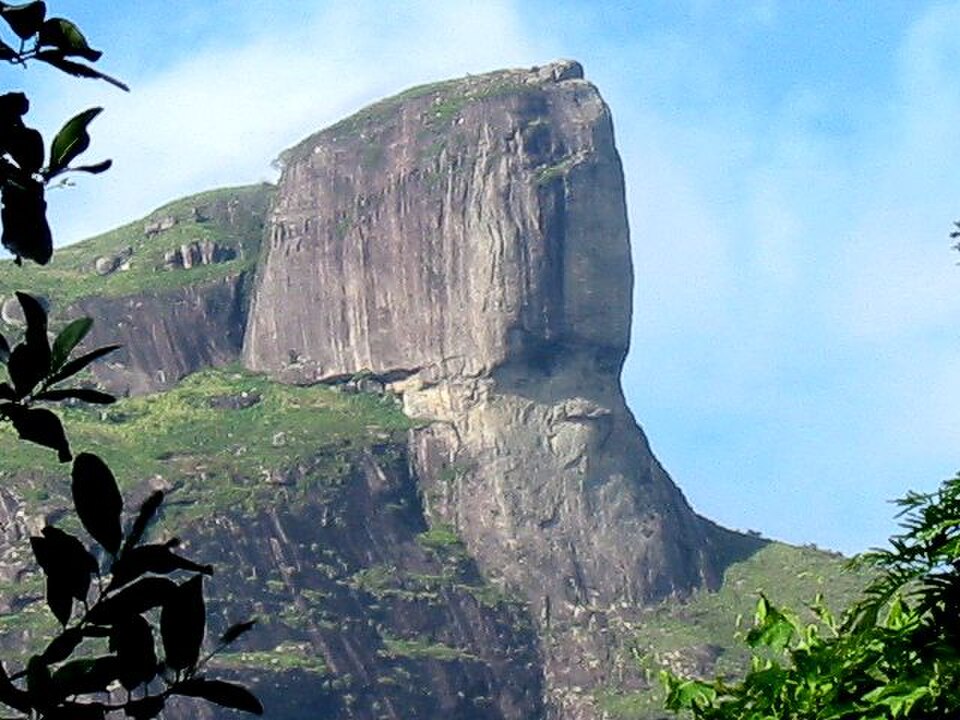
Pedra da Gávea is a massive coastal monolith rising dramatically from the Atlantic rainforest on Rio de Janeiro's western edge. The granite dome stands as one of the city's most recognizable natural landmarks, visible from numerous points across the southern zone. Its distinctive profile, resembling a gable or gavea in Portuguese, gives the formation its name. The summit provides commanding views of the ocean, Barra da Tijuca, and the mountainous hinterland when conditions permit. The site lies within protected Atlantic Forest habitat.
Checked 2026-08-26
The monolith itself contains no constructed interior spaces. The attraction consists entirely of natural granite surfaces, rainforest vegetation zones, and the exposed summit platform. Hikers traverse steep dirt and rock trails through dense Atlantic Forest before reaching the final scrambling section. The upper portion features a steep rock face requiring use of hands and feet. A controversial carved inscription of debated origin exists on one face, though its authenticity remains disputed among scholars. No visitor facilities exist at the summit. Gavea Rock also earns time in a rio de janeiro itinerary because Rio's imposing coastal monolith offers one of the city's most demanding landmark hikes. Its value becomes clearer when the stop is compared with the surrounding streets and the other ranked places nearby.
Checked 2026-08-26

The complete hike demands substantial physical fitness and careful time management. Most experienced hikers require several hours for the round trip, though individual pace varies considerably. The approach through forest, the technical final ascent, and time spent at the summit all contribute to total duration. Descent requires equal attention due to steep and potentially slippery surfaces. Visitors should plan for a full morning or afternoon at minimum, with buffer time for changing weather conditions that frequently affect the upper mountain.
Checked 2026-08-26
Operator-confirmed hours are Not recorded pending review. The trail lacks formal gatekeeping or official opening times in available sources. Experienced visitors recommend early morning starts to avoid afternoon cloud buildup that routinely obscures summit views. The dry season from approximately May through September generally offers more stable conditions, though weather in Rio's mountains remains unpredictable year-round. Fog and sudden rain can transform conditions rapidly. Summer humidity intensifies the physical challenge substantially. Checking same-day weather forecasts before departure is prudent visitor judgment.
Checked 2026-08-26

Operator-confirmed prices are Not recorded pending review. No formal ticketing system or entrance fee structure is documented in available sources for this natural site. Access appears to depend on navigating to trailheads through surrounding neighborhoods. Some informal local guides may offer services, though standardized pricing is not established in referenced materials. Visitors should carry sufficient water, food, and emergency supplies regardless of cost expectations. Any payment arrangements would need verification on location. The hike's difficulty makes proper equipment investment essential regardless of access costs.
Checked 2026-08-26

The trailhead lies in the São Conrado area, accessible by road from Rio's southern zone. Public bus routes serve the general district, though precise trailhead access requires additional navigation through residential streets. Private vehicle or rideshare drops near starting points, with parking availability varying. The approach involves finding unmarked or minimally marked path entrances through neighborhood margins. Local knowledge significantly aids first-time visitors. Return transportation should be planned in advance, as the remote trailhead lacks formal taxi stands or regular transit pickup points. Mobile mapping assists but cannot replace trail awareness.
Checked 2026-08-26
This hike presents genuine hazards demanding respect. Steep exposed rock on the upper section causes serious injuries and fatalities periodically. Wet granite becomes extremely slippery. The route lacks guardrails, signage, or rescue infrastructure. Solo hiking is inadvisable. Previous climbing experience benefits the final scramble significantly. Dehydration and heat exhaustion threaten in humid conditions. The descent fatigues legs and demands concentration. Wildlife encounters include snakes and aggressive insects. Weather deterioration traps unprepared visitors. Informing others of planned return time is essential safety practice. Turning back when conditions worsen demonstrates sound judgment rather than failure.
Checked 2026-08-26

The summit offers exceptional photographic potential when atmospheric conditions cooperate, with sweeping coastal vistas and dramatic cloud formations. The steep upper face provides challenging angles of the monolith's scale. Forest canopy shots emerge during the approach. However, photographers must prioritize safety over composition on exposed sections. Morning light generally proves clearest before thermal buildup generates haze. Wide-angle lenses capture the summit's expansive views. Protecting equipment from sudden rain and humidity preserves functionality. The technical scramble limits tripod use. Patience for clearing clouds rewards those with scheduling flexibility at the top.
Checked 2026-08-26
No. The trail demands strong physical fitness, sure-footedness on steep terrain, and comfort with exposed scrambling where falls would cause serious injury. Beginners should gain experience on less demanding trails first.
While some hikers proceed independently, local guides offer valuable navigation assistance and safety support. The unmarked trailhead and technical upper section make guided trips sensible for those unfamiliar with the route.
Carry substantially more water than anticipated, high-energy food, sun protection, rain protection, and sturdy footwear with grip. A charged phone and informed contact about your plans are essential safety measures.
The origin and authenticity of the inscription remain disputed among researchers. No scholarly consensus exists, and visitors should view claims about it with appropriate skepticism.
Rain significantly increases danger on exposed granite surfaces. Postponing the hike demonstrates better judgment than persisting through wet conditions that have contributed to past accidents.
No facilities exist on the trail or summit. Visitors must carry all required water and manage needs before departure, as the natural environment offers no infrastructure support.
Loading the interactive map…
The interactive map could not be loaded.
Last updated:
Source: OpenStreetMap contributors, Wikidata ·