.jpg)


.jpg)
31 min walk
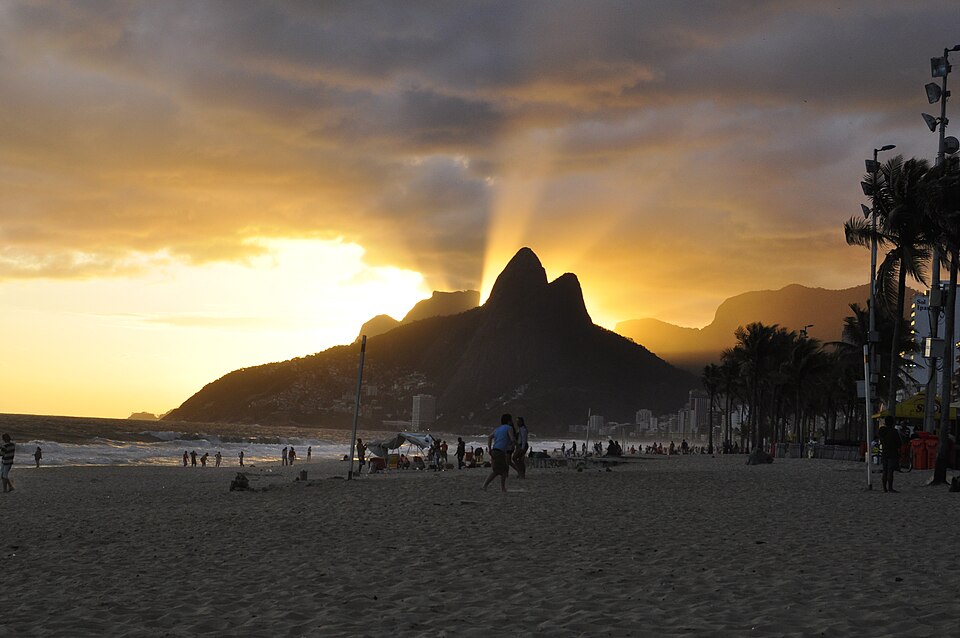
Morro Dois Irmãos
- Must see · Heritage site
- Nature site
Language · 11 published
Viewpoint · Rio de Janeiro

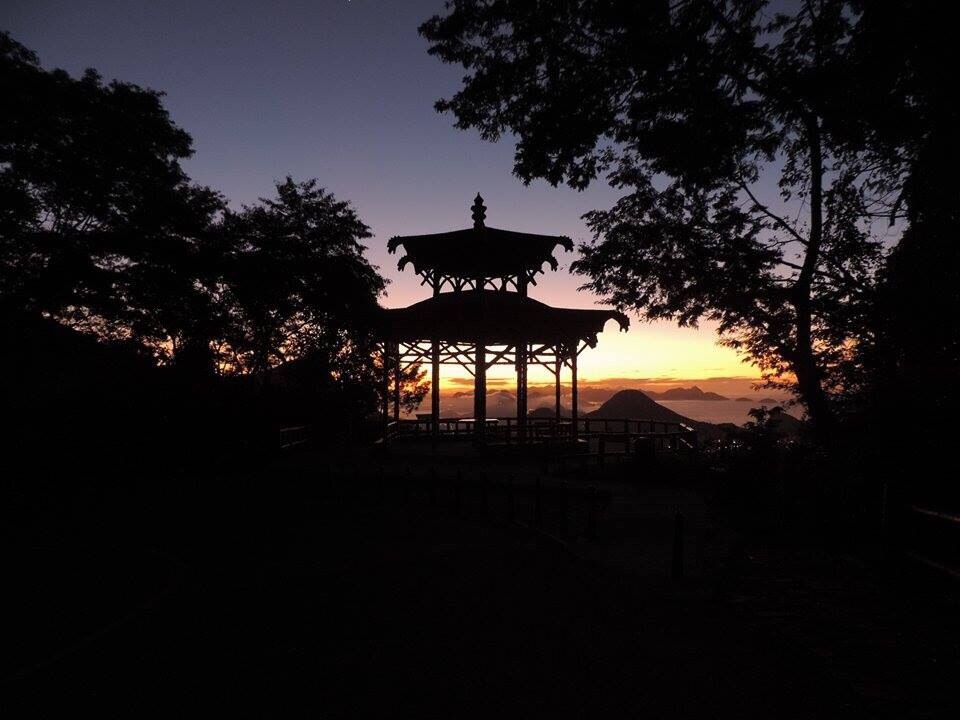
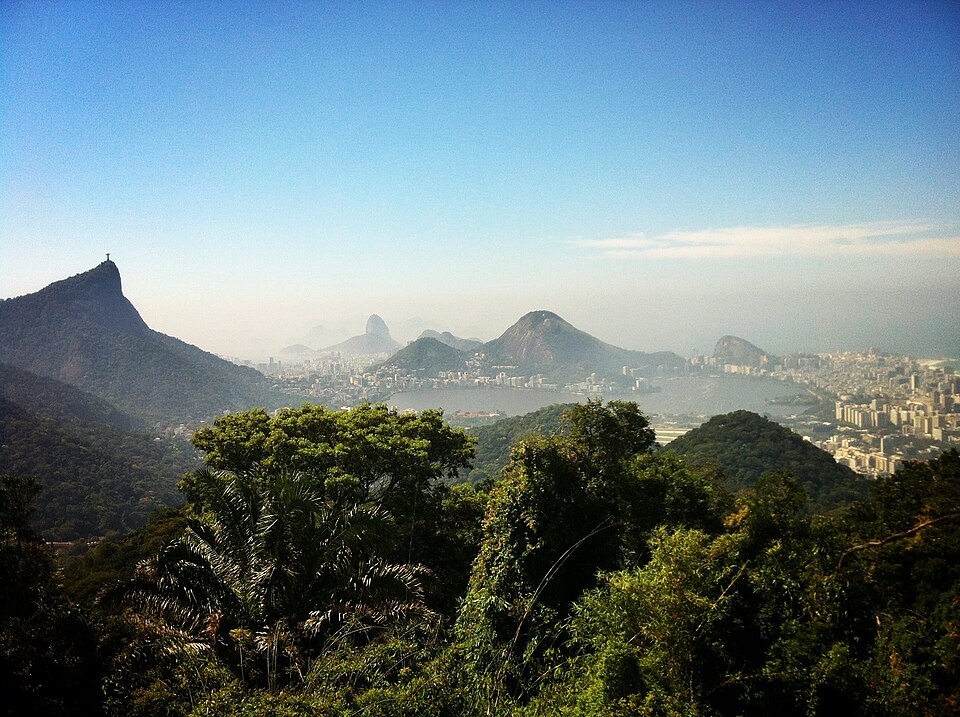
Vista Chinesa, known in English as Chinese View, is a pagoda-style observation pavilion located in Rio de Janeiro's Tijuca Forest. The structure was erected as a tribute to Chinese immigrants who introduced tea cultivation to Brazil in the early nineteenth century. Positioned at an elevated vantage point, the pavilion serves as a scenic overlook offering visitors framed panoramic views of the surrounding Tijuca National Forest and the city's South Zone. The architectural design reflects East Asian influences, distinguishing it from other viewpoints in Rio de Janeiro. It stands as one of several notable landmarks within the urban forest, which itself represents one of the world's largest urban rainforests.
Checked 2026-08-26
The main feature at Vista Chinesa is the pagoda-style pavilion itself, constructed with characteristic tiered roofing and ornamental elements. The interior space is relatively compact, designed primarily as a sheltered viewing platform rather than an extensive facility. Visitors will find open sides that facilitate unobstructed photography and observation. There are no extensive exhibits, museums, or commercial installations within the immediate structure. The surrounding area consists of natural forest vegetation typical of the Atlantic Forest biome. Basic infrastructure such as paved access and limited seating may be present, though specific amenity details are not recorded. Visitors should anticipate a minimalist experience centered on the viewpoint and its natural setting.
Checked 2026-08-26

A visit to Vista Chinesa typically requires between thirty minutes and one hour for most visitors, depending on individual pacing and interest in photography or contemplation. The duration may extend for those combining the stop with hiking trails in the broader Tijuca Forest area. Travel time to reach the pavilion from central Rio de Janeiro neighborhoods must be factored into overall trip planning, as the forest location necessitates road transit or extended walking. Visitors often integrate Vista Chinesa into larger itineraries encompassing nearby attractions such as Mesa do Imperador or Christ the Redeemer. Early morning or late afternoon visits may involve additional waiting for optimal lighting conditions.
Checked 2026-08-26

Vista Chinesa can be affected by weather conditions that influence visibility, as fog and cloud cover frequently obscure the panoramic views from elevated forest locations. Clear days following rain often provide the best atmospheric conditions for distant sightlines. Operator-confirmed hours are Not recorded pending review; visitors should verify accessibility before traveling. The dry season months in Rio de Janeiro generally offer more predictable conditions, though specific seasonal recommendations cannot be confirmed. Sunrise and sunset periods attract photographers seeking dramatic lighting. Weekday visits may reduce crowding compared to weekends. Local traffic patterns around forest access roads should be considered when planning arrival timing.
Checked 2026-08-26
Operator-confirmed prices are Not recorded pending review. Vista Chinesa is situated within Tijuca National Forest, and access policies may be subject to federal environmental management regulations. Some areas of the national forest require entrance fees while others remain freely accessible; the specific fee status of Vista Chinesa is not established in available sources. Visitors should consult official Brazilian environmental agency channels or local tourism offices for current cost information. Payment methods, if applicable, are not recorded. Group rates, student discounts, or other concession categories are not confirmed. Budget-conscious travelers should prepare for either free access or potential nominal charges depending on administrative determinations.
Checked 2026-08-26
Vista Chinesa is accessible via roads traversing Tijuca Forest from Rio de Janeiro's South Zone and other neighborhoods. Private vehicle or organized tour transport represent the most common access methods, given the elevated forest location. Public bus services may operate on limited routes into the forest, though specific line numbers and schedules are not recorded. Cycling is practiced by some visitors on designated forest roads, though steep gradients and vehicle traffic present notable challenges. Walking access from nearby neighborhoods involves substantial elevation gain and extended duration. Road conditions within the forest can deteriorate during heavy rainfall. Navigation applications may provide routing, though connectivity limitations affect reliability in forested areas.
Checked 2026-08-26
Security conditions in Tijuca Forest areas require visitor awareness, as isolated locations have experienced incidents affecting tourists. Traveling in groups and avoiding display of valuables is prudent. Road safety demands caution due to narrow winding routes shared by vehicles, cyclists, and pedestrians. Wildlife encounters with forest species are possible though generally not dangerous with appropriate distance maintained. Structural condition of the pavilion itself should be assessed visually before entering, as maintenance schedules are not recorded. Limited emergency services accessibility in remote forest areas necessitates self-sufficiency in basic first aid and communication preparedness. Weather can change rapidly at elevation, bringing unexpected precipitation or temperature reduction.
Checked 2026-08-26

The pagoda frame creates distinctive compositional opportunities for landscape photography, with the structure itself serving as both subject and framing device for city and forest vistas. Wide-angle lenses accommodate the expansive sightlines, while telephoto options compress layered distance between foreground pavilion and background landmarks. Morning and evening golden hours enhance dimensional quality, though fog may intervene unpredictably. Tripod use is advantageous for low-light conditions, though space constraints within the pavilion may limit setup options. The east-facing orientation captures sunrise illumination on the South Zone and ocean. Night photography of city lights is possible but involves logistical and safety considerations for after-dark forest departure. Drone operation would require verification of permitted zones.
Checked 2026-08-26
Yes, Vista Chinesa is the local Portuguese name, while Chinese View is the English equivalent.
The pagoda-style pavilion frames panoramic views of Tijuca Forest and Rio de Janeiro's South Zone.
Operator-confirmed prices are Not recorded pending review; visitors should verify current access policies before traveling.
Specific public bus line numbers and schedules are not recorded; private vehicle or organized tours represent the most documented access methods.
Security conditions in isolated forest areas warrant caution; traveling in groups and avoiding display of valuables is prudent visitor judgment.
Wide-angle and telephoto lenses, tripod, and weather-appropriate protection are advisable given variable conditions and compositional opportunities.
Loading the interactive map…
The interactive map could not be loaded.
Last updated:
Source: OpenStreetMap contributors, Wikidata ·