


.jpg)
.jpg)

2 min walk
Argentine National Congress
- Must see
- Historic monument
Language · 11 published
Historic monument · Buenos Aires
Confitería El Molino
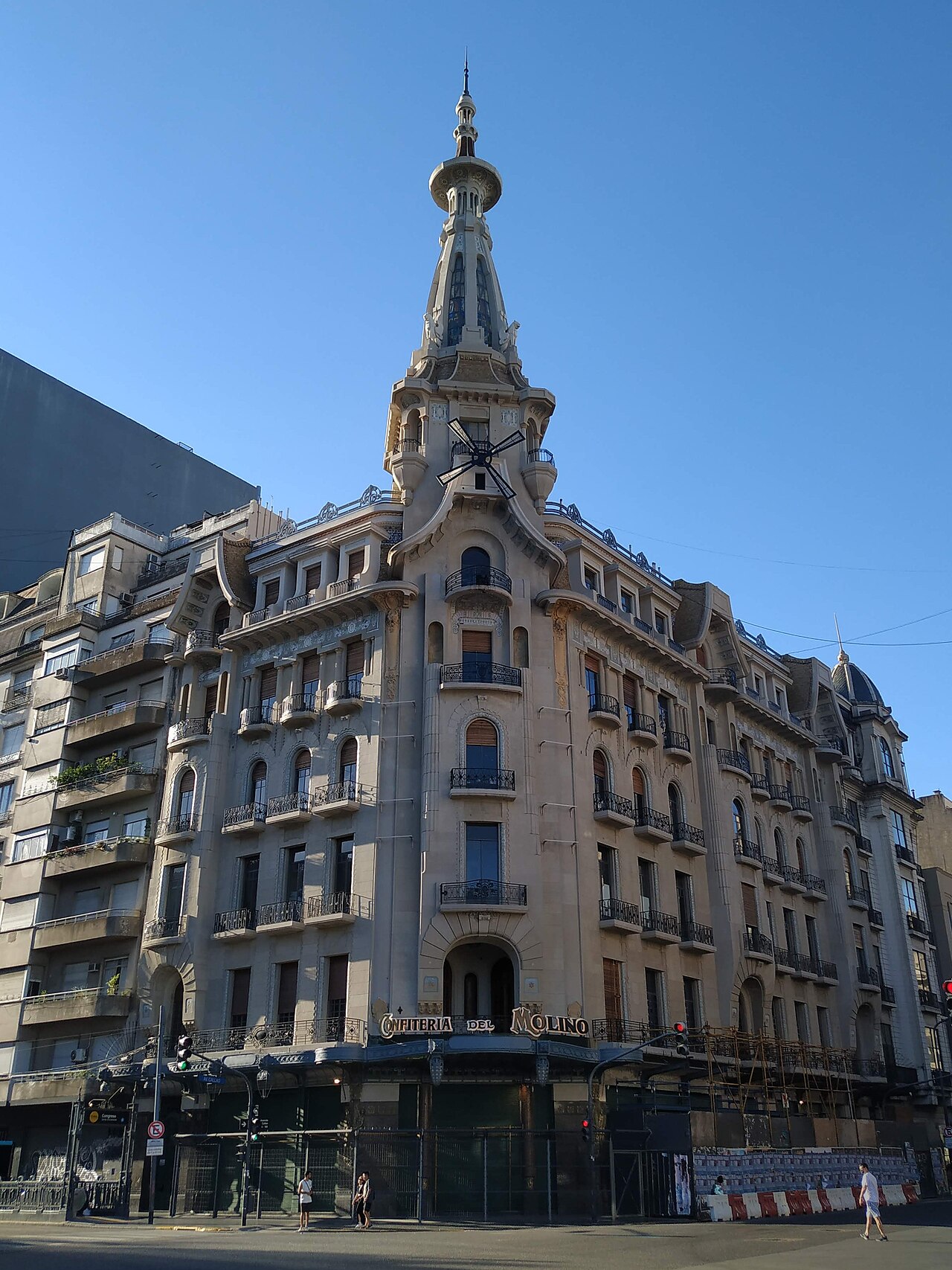
Confitería del Molino is a restored Art Nouveau café and confectionery opposite Argentina’s National Congress in Buenos Aires. Designed by architect Francisco Gianotti, it opened in 1917 and became a celebrated meeting place for politicians, intellectuals, and artists. Its corner tower and windmill-inspired cupola made the building a recognizable city landmark. Today, travelers visit for its architecture, historic atmosphere, and connection with Buenos Aires’s civic and cultural life around Plaza del Congreso. Confitería del Molino is a historic Art Nouveau café and confectionery located directly opposite the Argentine National Congress building in Buenos Aires. The building, designed by architect Francisco Gianotti, opened in 1917 and operated as a celebrated gathering place for politicians, intellectuals, and artists until its closure. Following extensive restoration, it reopened to the public. The structure is widely recognised as one of the most significant examples of Art Nouveau architecture in Argentina and among the city's most important historic commercial interiors. The restored building has reopened following extensive restoration, though visitors should verify current operational status through https://delmolino.gob.ar/ before planning a visit.
Checked 2026-08-26 · Source
The public interior rewards close attention to Art Nouveau craftsmanship. Look for ornate woodwork, stained glass, decorative metalwork, and the preserved spatial character of the principal salon. The restoration sought to recover historic materials and finishes, allowing visitors to read the building as an early twentieth-century commercial interior rather than a modern anonymous café. Outside, the distinctive corner tower provides the clearest visual explanation for the Molino name. The Congress building across the street adds an important civic setting to the visit. The interior preserves elaborate Art Nouveau decorative elements characteristic of Gianotti's design.
Checked 2026-08-26 · Source
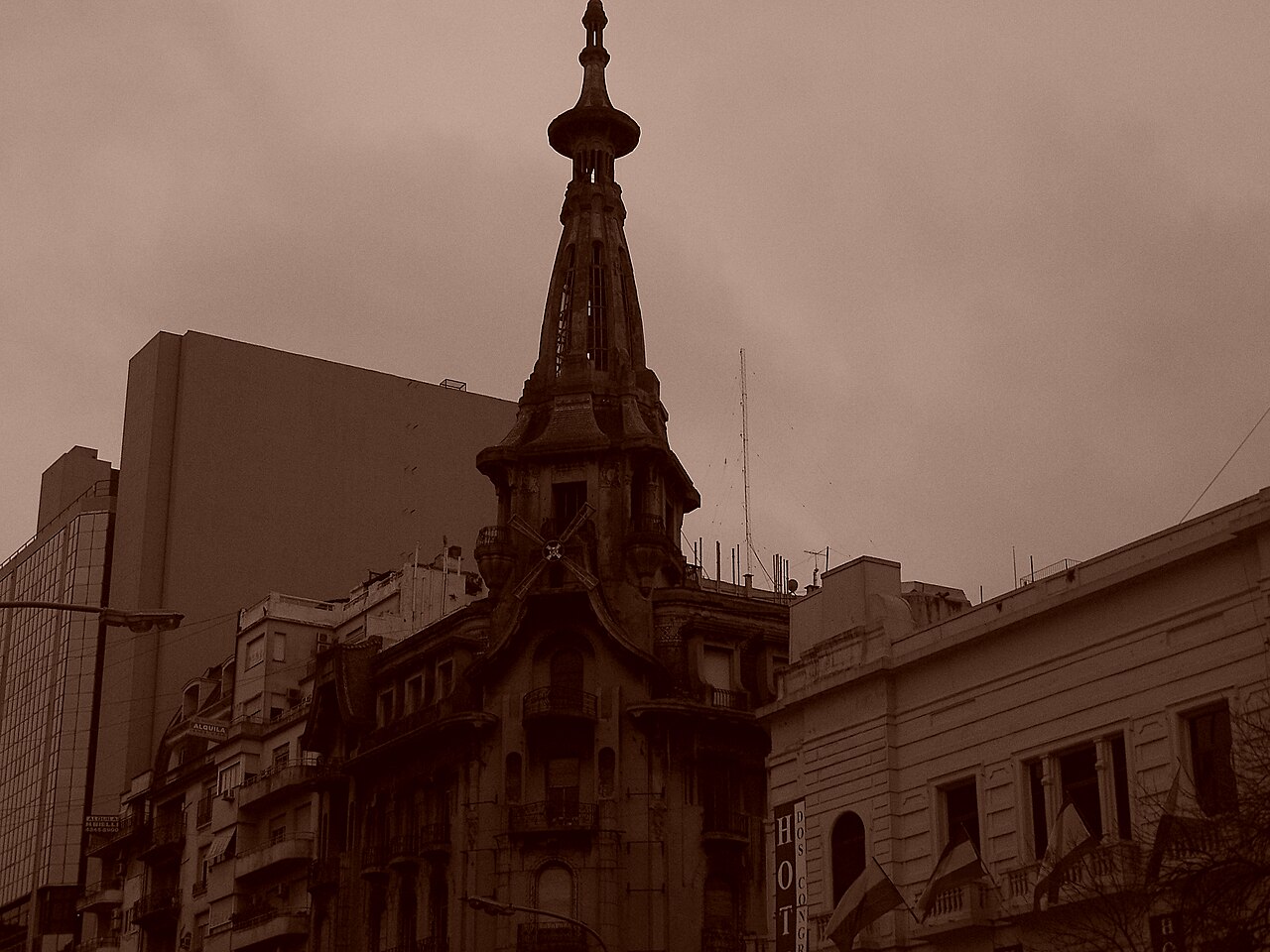
Set aside enough time to see both the exterior and the principal interior details. A focused architectural visit can be fairly brief, while travelers who study the stained glass, woodwork, metal fittings, and historic context will want longer. The building’s compact footprint makes the visit easy to add to a Plaza del Congreso walk. Allow extra time if you plan to pause for photographs or include the National Congress and nearby Avenida de Mayo landmarks in the same outing.
Checked 2026-08-26 · Source

Visit as part of a central Buenos Aires architecture and civic-history route. The building faces Plaza del Congreso, where the atmosphere changes with government activity, pedestrian movement, and public events. Weekends can offer a more relaxed setting around the square, while weekdays reveal the area’s connection with Argentina’s political center. Light on the façade and tower changes through the day, so choose the timing that best suits your interest in exterior photography, interior detail, or neighborhood walking.
Checked 2026-08-26 · Source
Confitería del Molino began as a commercial café and confectionery, so distinguish the building visit from any food or drink purchase. Treat the venue as an architectural landmark in your itinerary and allow room for the possibility that access and commercial service are organized separately. The main value of the stop is the restored Art Nouveau setting and its place opposite Congress.
Checked 2026-08-26 · Source

The building stands at the corner of Avenida Rivadavia and Avenida Callao, directly opposite the National Congress. Numerous bus routes serve the surrounding avenues, and Congreso station on Subte Line D is nearby. Line A also runs along Avenida de Mayo within walking distance. The area is easy to combine with a walk through Plaza del Congreso toward Avenida de Mayo and the city center. Expect heavy urban traffic around the corner, especially when crossing the major avenues.
Checked 2026-08-26 · Source
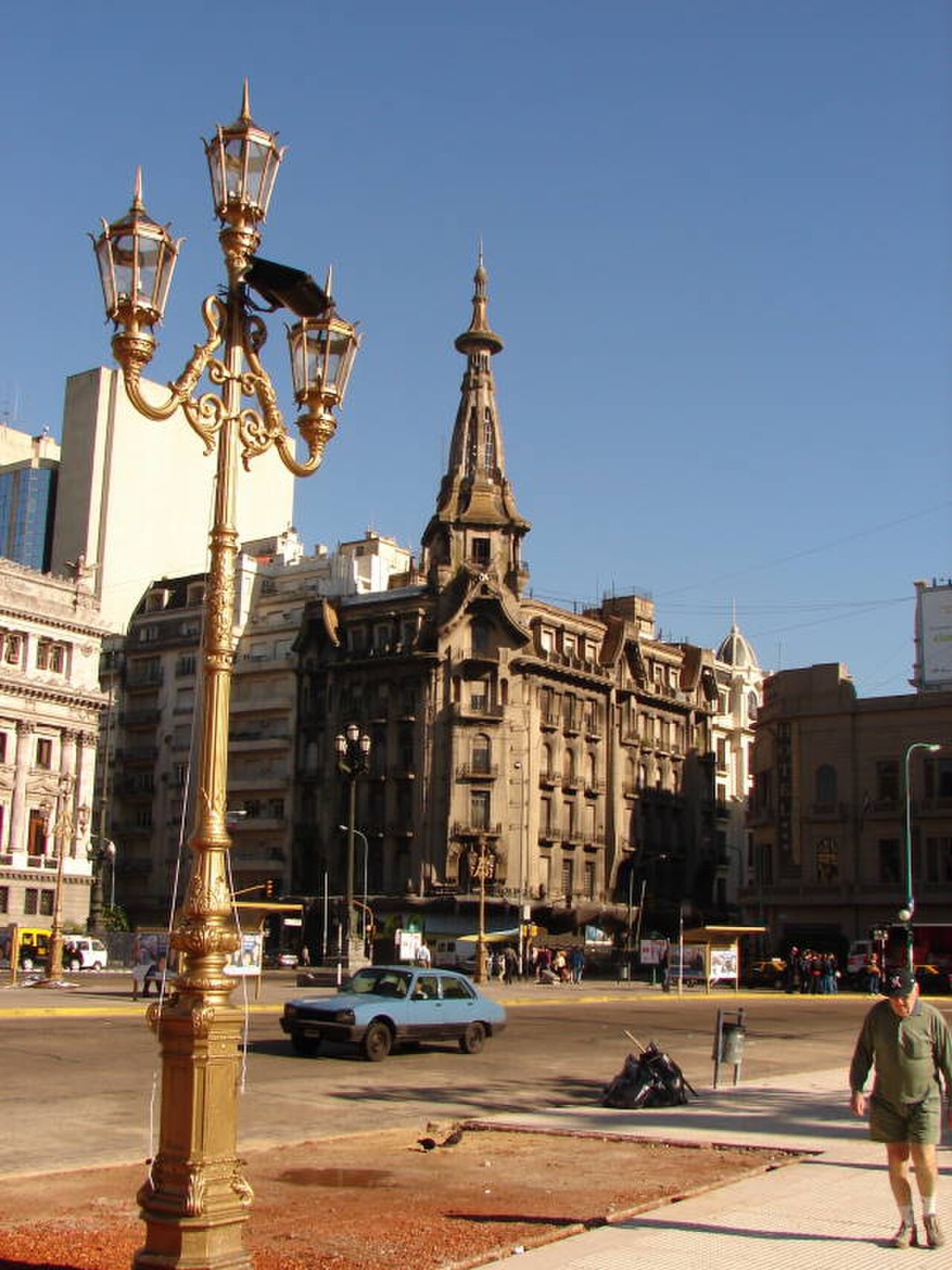
Plaza del Congreso is a busy civic space with traffic, vendors, demonstrations, and changing pedestrian conditions. Keep belongings secure and take care when photographing from the corners of the intersection. Inside, move carefully around other visitors and any active café service. The historic building was restored, but the experience may differ between public areas and restricted parts of the structure. Plan the stop as a close architectural encounter, with patience for narrow circulation and the practical realities of a working central-city venue.
Checked 2026-08-26 · Source
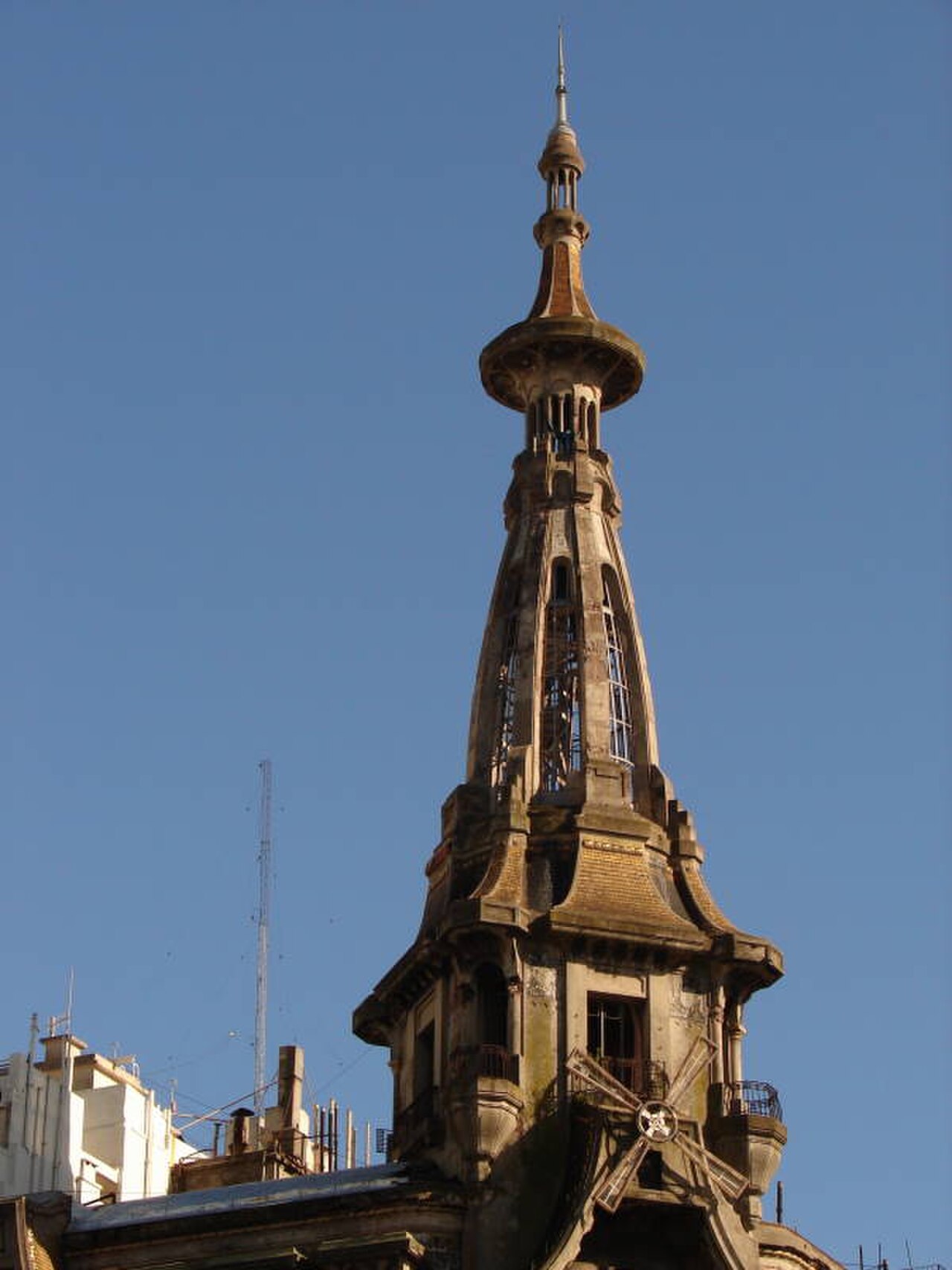
The corner tower, windmill-inspired cupola, ornate façade, stained glass, woodwork, and metal details provide the strongest subjects. Include the National Congress in exterior compositions to show the building’s civic setting, or frame the tower from Plaza del Congreso for a classic Buenos Aires view. Interior spaces may be compact, so keep equipment unobtrusive and leave room for circulation. Follow venue directions about flash, tripods, and commercial photography. Soft daylight can help reveal exterior ornament without flattening the details.
Checked 2026-08-26 · Source
It is a major Argentine example of Art Nouveau architecture, designed by Francisco Gianotti.
The building opened in 1917.
It is opposite the National Congress at Avenida Rivadavia and Avenida Callao.
Look for stained glass, ornate woodwork, decorative metalwork, and the historic principal salon.
Congreso station on Subte Line D is nearby, while Line A runs along Avenida de Mayo within walking distance.
The name refers to the distinctive tower topped by a windmill-inspired cupola.
Loading the interactive map…
The interactive map could not be loaded.


Last updated:
Source: OpenStreetMap contributors, Wikidata ·