City guide
What to Eat in Rome
Editorial responsibility: Elena Voss · SSMTour Travel Editor

.jpg)
Plan what to eat in Rome, from carbonara and cacio e pepe to artichokes, offal, pizza by the slice and seasonal dishes, with practical ordering advice.
This guide is part of our Rome destination coverage. Rome
Build a Roman meal around pasta, vegetables and the fifth quarter


Start with a small set of genuinely Roman choices rather than treating every familiar Italian dish as a local speciality. Turismo Roma identifies carbonara, amatriciana and gricia among the city’s celebrated pasta dishes, alongside fettuccine alla romana, fettuccine alla papalina, ravioli with ricotta and penne all’arrabbiata. Cacio e pepe is another practical name to recognise on Roman menus: the useful distinction is that these pastas are separate preparations, not interchangeable labels for one cheese-and-pork sauce. Carbonara is built around egg, guanciale and cheese; the city’s official recipe explicitly warns against adding cream.
Roman cooking also gives vegetables a central role. Look for carciofi alla romana, artichokes stuffed with herbs, and carciofi alla giudia, the deep-fried Roman Jewish preparation. Puntarelle are shoots of Catalogna chicory, traditionally dressed as a crisp, bitter side; Turismo Roma records them as a Lazio traditional food product. Vignarola is tied to spring produce—artichokes, broad beans, peas, romaine lettuce and spring onion—and may contain bacon or guanciale, so the vegetable base does not automatically make every version vegetarian.
For a deeper traditional meal, the city’s official cuisine guide explains the quinto quarto, or “fifth quarter”: offal and less prized cuts historically associated with working-class cooking. Trippa alla romana is finished with pecorino romano and wild mint. Coda alla vaccinara is a slow-cooked tail dish that can be served as a main or used as a sauce for rigatoni. Rigatoni con la pajata, coratella and saltimbocca are other distinct choices. Order one because its ingredients appeal to you, not because a checklist says every visitor must eat offal.
Street food can form a separate, lighter meal. Turismo Roma names pizza al taglio, white pizza with mortadella, supplì, fried salt cod and courgette flowers, and summer grattachecca. A supplì is a fried rice-and-mozzarella croquette; it is not a miniature plate of pasta. Pizza sold by the slice and a sit-down Roman pasta serve different moments in the day, so plan them as alternatives rather than stacking them into one oversized meal.
Checked 2026-09-08 · Official site · www.turismoroma.it
Checked 2026-09-08 · Official site · www.turismoroma.it
Checked 2026-09-08 · Official site · www.turismoroma.it
Match the food stop to the district already on your route

Choose the meal by district and format before choosing an address. Turismo Roma points to Trastevere and Testaccio as central areas where working-class culinary traditions remain visible, and also names Garbatella, San Lorenzo and Ostiense for trattorias and historic inns. This is useful route guidance, not a promise that every restaurant in those districts serves careful traditional cooking. Read the current menu and the operator’s own information before making a special journey.
Testaccio is the clearest match for a visitor interested in quinto quarto. The city’s food history connects the district with the former slaughterhouse and with workers who received butchery scraps that were turned into dishes such as tripe and oxtail. Pairing a Testaccio meal with sights already south of the historic centre limits backtracking. Trastevere offers another broad trattoria area, but its popularity does not make every menu traditional or every table available without planning.
For pasta, artichokes or a full second course, a sit-down trattoria is the practical format. For supplì, pizza al taglio or white pizza with mortadella, use a bakery, pizzeria by the slice or rotisserie as a short stop. Grattachecca belongs to a different category again: Turismo Roma describes it as shaved ice with syrup or fruit juice and fresh fruit, sold by historic kiosks that are generally seasonal. Do not plan it as a guaranteed year-round dessert.
Neighbourhood sequence matters more than collecting famous names. A lunch near an existing morning route and a street-food stop near an afternoon route usually preserve more sightseeing time than crossing Rome twice for restaurants. Before leaving the day’s route, confirm the exact branch, address, service period, reservation policy and current menu on the operator’s own site. If those details are absent, treat the venue as unverified rather than borrowing information from a similarly named restaurant or an aggregator.
Checked 2026-09-08 · Official site · www.turismoroma.it
Checked 2026-09-08 · Official site · www.turismoroma.it
Checked 2026-09-08 · Official site · www.turismoroma.it
Four verified Rome venues for different food decisions


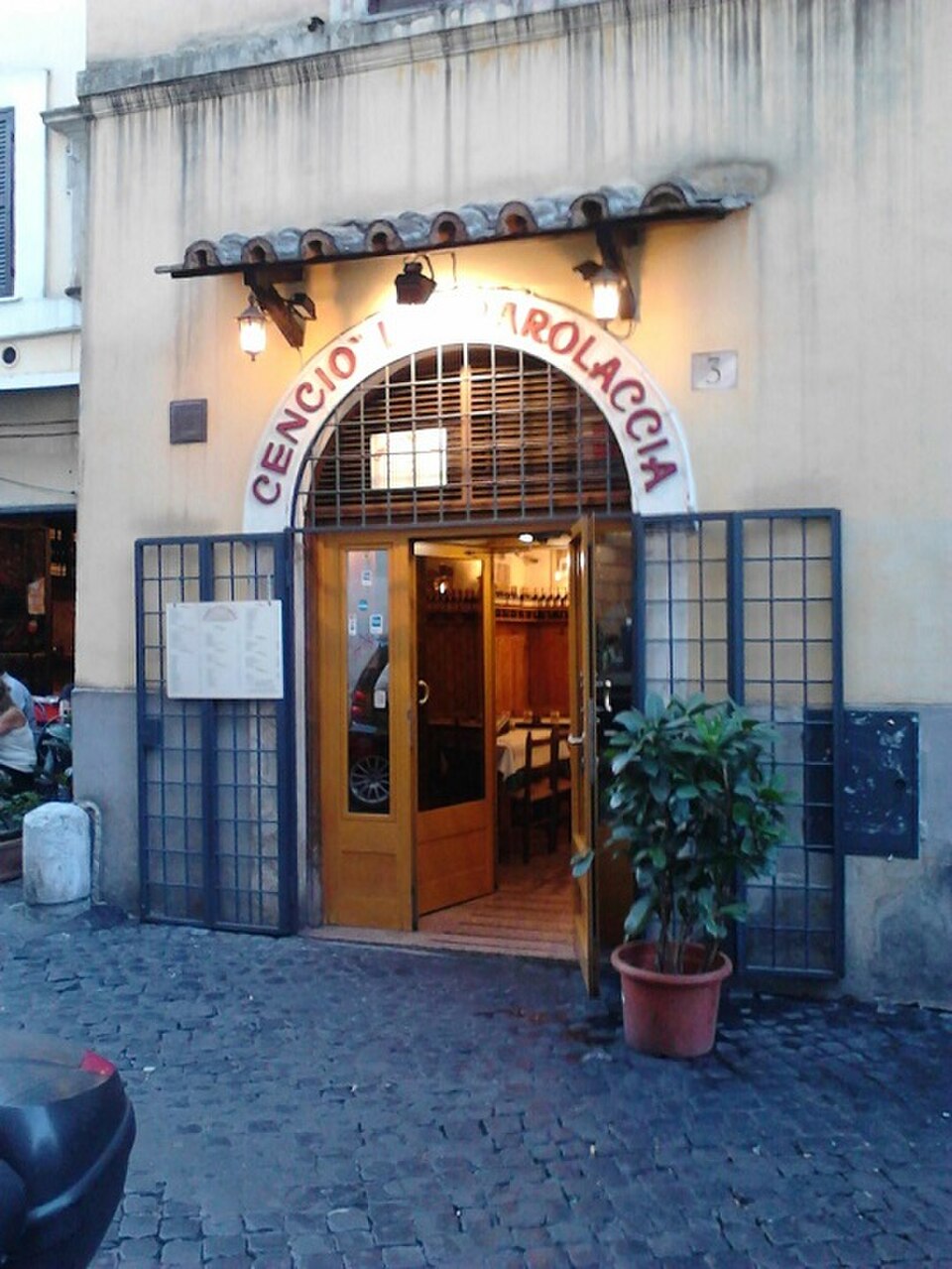
Cencio la Parolaccia is the Trastevere choice for travellers who actively want Roman osteria food with irreverent folkloric entertainment. Its operator dates the venue to 1941 and makes the coarse, participatory performance central to the experience. Explain that format to the whole group before booking; it is a poor fit for quiet conversation or anyone uncomfortable with teasing.
Tre Scalini is the Piazza Navona 30–35 choice. The operator traces an osteria at this address to 1815, publishes daily 11:00–00:00 service, and describes Roman cooking alongside seasonal meat, seafood and desserts. Its changing menu makes it useful either for a full central lunch or a shorter Tre Scalini tartufo stop. The exterior photograph shows the restaurant name and street number 30, helping distinguish it from similarly named venues.
Alfredo alla Scrofa is the central pasta destination at Via della Scrofa 104/a. The operator describes fresh egg fettuccine mixed at the table with butter and 24-month Parmigiano Reggiano, plus Roman classics on the wider menu. It publishes one-hour and two-hour reservation formats, so choose the shorter fettuccine experience or a full meal deliberately. Keep this exact address attached to its menu and operator-attributed history rather than transferring those details to another Alfredo-branded restaurant.
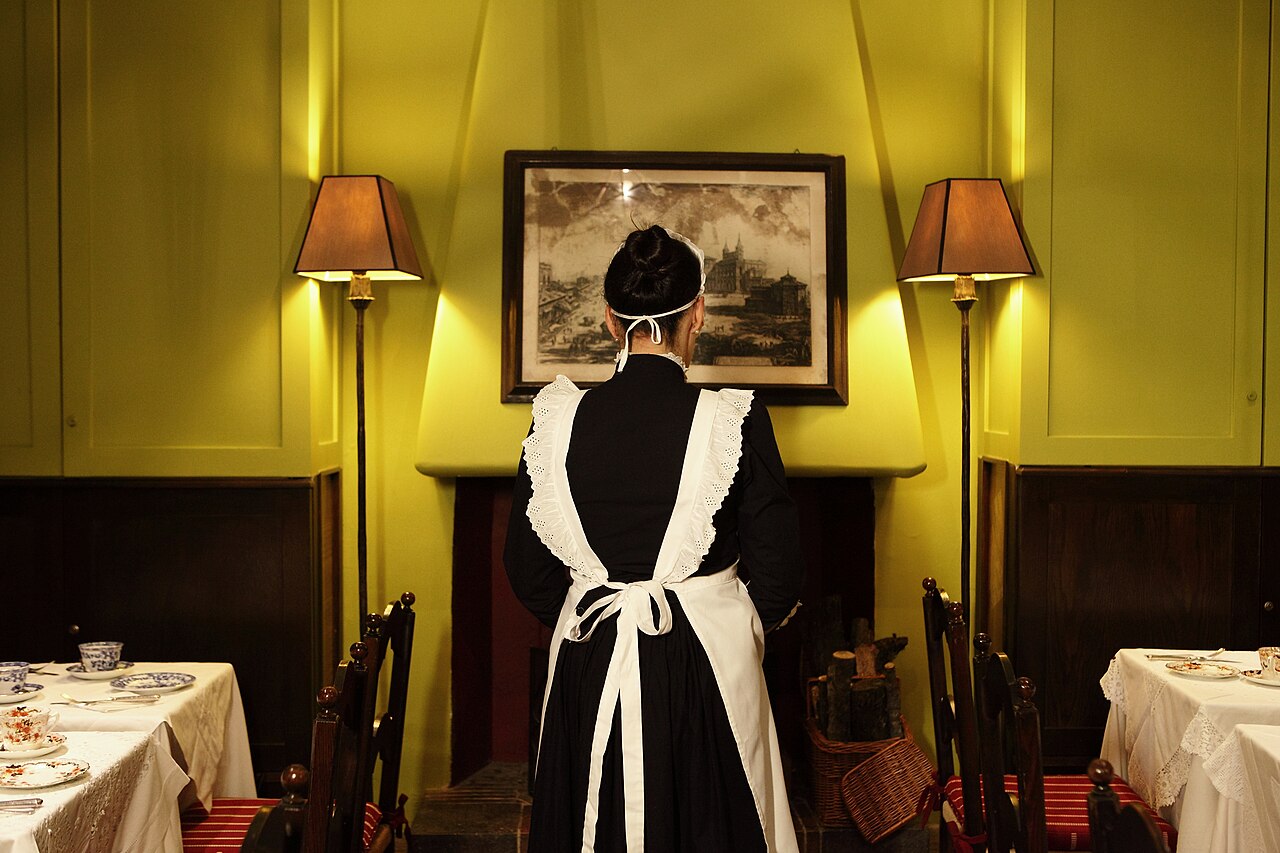
Babington's is a historic English tea room beside the Spanish Steps, included as a café contrast rather than a source for Roman pasta. The operator dates it to 1893 and serves tea, scones, sandwiches, pastries, breakfast and an all-day kitchen. Use it when a tea or breakfast break fits the Piazza di Spagna route better than another trattoria meal. Its exact address is Piazza di Spagna 23–25; distinguish the dining room from the online shop.
These four links serve different decisions: participatory Roman entertainment, a Piazza Navona meal or dessert, a fettuccine-focused central restaurant, and a historic tea-room break. Open each current operator page before travelling for live availability, prices and reservation terms.
Checked 2026-09-08 · Official site · cenciolaparolaccia.it
Checked 2026-09-08 · Official site · www.ristorante-3scalini.com
Checked 2026-09-08 · Official site · alfredoallascrofa.com
Checked 2026-09-08 · Official site · babingtons.com
Read dish names literally and confirm what the menu includes
Order by preparation, not by a vague request for “Roman pasta.” Carbonara, amatriciana, gricia and cacio e pepe have different ingredient profiles. Carbonara uses egg, guanciale and cheese, and Turismo Roma’s traditional recipe says no cream. Amatriciana and gricia should not be treated as vegetarian alternatives simply because their English names do not mention meat. If an ingredient matters, ask the venue to explain its own recipe rather than relying on a translated dish title.
The same care applies to vegetables. Carciofi alla romana are herb-stuffed artichokes, while carciofi alla giudia are deep-fried according to the Roman Jewish preparation described by the city’s tourism site. Vignarola centres on spring vegetables but may be made with bacon or guanciale and may be finished with pecorino. Puntarelle are commonly served as a side and traditionally involve a savoury dressing; ask about anchovy when avoiding fish. A vegetable in the title is not proof of a vegan dish.
Decide whether you want an antipasto, a primo such as pasta, a secondo, a side dish or a quick street-food stop. You do not need to order every course. Ask what is available that day, whether a side is included and whether a menu item is seasonal. The tourism office explicitly connects vignarola with spring ingredients and grattachecca kiosks with summer, so neither should be presented as permanently available.
When a menu gives a price, keep it attached to the exact venue, branch, dish and date. Tre Scalini's changing menu, Alfredo's distinct reservation formats, Babington's tea experiences and Cencio's performance dinner cannot be reduced to one Rome meal cost. Check each operator before travelling. Decide first whether the stop is a snack, dessert, tea or full dinner; that choice controls both time and spending.
Checked 2026-09-08 · Official site · www.turismoroma.it
Checked 2026-09-08 · Official site · www.turismoroma.it
Checked 2026-09-08 · Official site · www.turismoroma.it
Checked 2026-09-08 · Official site · www.turismoroma.it
Ask about guanciale, cheese, anchovy and shared preparation

Traditional Roman food needs ingredient-level checking for dietary requirements. Carbonara contains egg and cheese and traditionally uses guanciale. Gricia and amatriciana also commonly involve cured pork. Trippa alla romana and coda alla vaccinara are meat dishes; pajata and coratella are offal. Saltimbocca combines veal and cured ham. These are not suitable choices to recommend through a broad “Italian food” label to a vegetarian, vegan, halal or kosher visitor.
Vegetable-led dishes still require questions. Turismo Roma notes that vignarola may be vegetarian or may contain bacon or guanciale, and that pecorino can be added. Puntarelle are a chicory preparation whose traditional dressing can include anchovy. Courgette flowers in the city’s street-food guide are filled with mozzarella and anchovies. Supplì contain rice and mozzarella, but the name alone does not establish the stock, sauce, frying oil, cross-contact controls or whether a particular version includes meat.
EU food-information rules require allergen information for non-prepacked food, including food served in restaurants and cafés. That legal duty is useful, but it does not mean every online menu will answer every safety question or that a kitchen can prevent cross-contact. Tell staff the specific allergen, ask how the information is provided, and confirm preparation directly. If the answer is unclear, choose a venue that can give a definite response rather than trying to deduce safety from a dish name.
Gluten-free visitors should not assume that a sauce is safe because its traditional recipe contains no flour; pasta, breading, shared water, work surfaces and fryers remain separate questions. Dairy-free visitors should ask about pecorino, mozzarella and butter. People avoiding alcohol should ask about wine in slow-cooked meat or pan sauces. For a mixed group, compare current operator menus before arrival and choose a place with several clearly described options instead of expecting an improvised substitution from a specialist trattoria.
Checked 2026-09-08 · Official site · www.turismoroma.it
Checked 2026-09-08 · Official site · www.turismoroma.it
Checked 2026-09-08 · Official site · www.turismoroma.it
Checked 2026-09-08 · Official site · food.ec.europa.eu
Skip universal rankings, invented origins and unsupported availability
Skip any list that turns “traditional” into a guarantee about a restaurant. A Roman address does not prove that a kitchen follows a particular recipe, and a famous dish does not prove that it is available today. Check the exact operator and branch. Cencio's Roman entertainment meal, Tre Scalini's changing Piazza Navona menu, Alfredo's fettuccine formats and Babington's British-rooted tea service answer different needs.
Do not flatten distinct dishes into tourist shorthand. Carciofi alla romana and carciofi alla giudia are different preparations. Supplì are rice croquettes, not arancini under a Roman nickname. Grattachecca is shaved ice prepared from a block with syrup or fruit juice and fruit; it is not simply any blended iced drink. Carbonara should not be described as a cream sauce when the official Roman recipe explicitly says no cream.
Skip forced seasonality claims. Vignarola is tied to spring vegetables, and Turismo Roma describes historic grattachecca kiosks as generally summer operations. Artichoke and puntarelle availability also follows produce and each kitchen's menu. The four verified venues do not guarantee every citywide dish: choose Cencio for its performance, Tre Scalini for a central meal or tartufo, Alfredo for its named fettuccine experience, and Babington's for tea or breakfast.
Avoid a similarly named venue or a photograph that does not show the exact establishment. Match the linked page, operator address and credited image before travelling. If none of these four formats fits, use the dish and district guidance without forcing a restaurant into the route.
Checked 2026-09-08 · Official site · www.turismoroma.it
Checked 2026-09-08 · Official site · www.turismoroma.it
Checked 2026-09-08 · Official site · www.turismoroma.it
Checked 2026-09-08 · Official site · www.turismoroma.it
Common questions
What traditional food should I try in Rome?
Choose by appetite: carbonara, amatriciana, gricia or cacio e pepe for pasta; carciofi alla romana or alla giudia for artichokes; trippa alla romana or coda alla vaccinara for quinto quarto; and supplì or pizza al taglio for a quick stop.
Which Rome districts are useful for traditional food?
Turismo Roma highlights Trastevere and Testaccio, and also names Garbatella, San Lorenzo and Ostiense for trattorias and historic inns. Treat the district as route guidance, then verify the exact restaurant and current menu with its operator.
Does traditional Roman carbonara contain cream?
No. Turismo Roma’s traditional carbonara page describes egg, guanciale and cheese and explicitly says that cream does not belong in the traditional preparation. Individual restaurants can vary, so ask about the kitchen’s recipe when ingredients matter.
Are Roman artichokes always prepared the same way?
No. Carciofi alla romana are stuffed with aromatic herbs, while carciofi alla giudia are deep-fried according to a Roman Jewish preparation. Check the menu name rather than ordering only by the word “artichoke.”
Is traditional Roman food easy for vegetarians?
Some vegetable dishes may fit, but confirm ingredients. Vignarola can include bacon or guanciale and pecorino; puntarelle dressing can include anchovy; and courgette flowers may contain mozzarella and anchovies. Ask the venue about its exact preparation.
Are grattachecca and vignarola available all year?
Do not assume so. Turismo Roma ties vignarola to spring vegetables and describes historic grattachecca kiosks as generally open in summer. Confirm current availability with the operator instead of treating either dish as guaranteed.
Turn this list into a plan
Set your days, your pace and the hours you actually want to be out. The planner works around closing days and travel time, and leaves room to eat.