City guide
Rome Itinerary: One Day to One Week
Editorial responsibility: Elena Voss · SSMTour Travel Editor
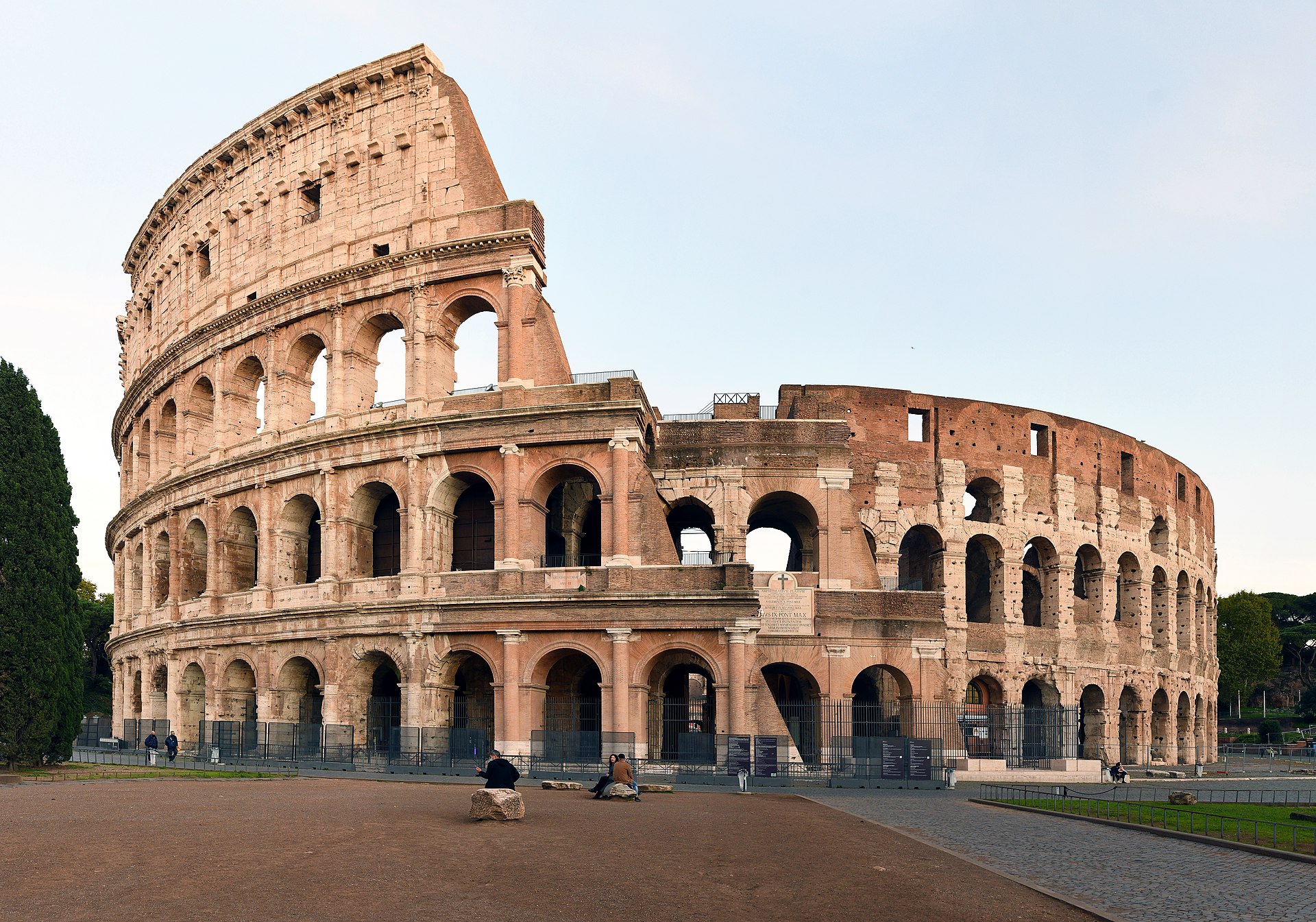

Build a Rome itinerary from one day to a week by grouping the ancient city, Vatican, Pantheon, Piazza Navona, Trevi Fountain and Spanish Steps.
This guide is part of our Rome destination coverage. Rome
One day in Rome: route from the Colosseum to Navona
Make the booked Colosseum entry the fixed point of a one-day route, then let the Roman Forum determine how much of the historic centre remains realistic. The official park requires a timed reservation for Colosseo, while the Forum-Palatine part of the standard combined visit can sit before or after that slot within the ticket's stated validity. Check the exact product: arena, underground and other restricted areas are not interchangeable with the ordinary route. Arrive through Colosseo on Metro B or Colosseo-Fori Imperiali on Metro C, and follow the entrance printed on the booking.
If the Colosseum slot is early, continue into Forum Romanum before leaving the archaeological district. If it is later, reverse the admissions and protect the reservation. The Forum is the day's largest outdoor block; heat, rain, uneven surfaces or interest may decide the pace. Drop the central pair before reducing the Forum to a hurried crossing.
Place the meal after the archaeological block, not between its ticketed parts. Monti, immediately north of the area, is the practical food district: Rome's tourism service describes Roman trattorias, bakeries, restaurants and wine bars there. Choose the venue independently and verify its current hours. The pause creates a decision point before crossing into the historic centre.
If the day still has capacity, continue to Pantheon and then west to Piazza Navona. Rome's official itinerary treats the Pantheon, Piazza Navona and Campo de' Fiori as one walking area. Keep the Pantheon interior only if current admission and liturgical activity permit it; the state museum says ticket sales pause before worship. Piazza Navona remains a coherent outdoor endpoint if the interior is released. Use ATAC's live journey planner for the transfer from the archaeological district instead of relying on a bus number frozen into an article.
This is a full day with two stopping decisions: after the Forum, decide whether to cross into the centre; at the Pantheon, choose the interior or the square-to-square finish. Trevi Fountain, the Spanish Steps and Vatican City belong to later days. Adding them would turn a geographical route into a sweep across unrelated districts.
Checked 2026-09-08 · Official site · colosseo.it
Checked 2026-09-08 · Official site · colosseo.it
Checked 2026-09-08 · Official site · www.turismoroma.it
Checked 2026-09-08 · Official site · direzionemuseiroma.cultura.gov.it
Checked 2026-09-08 · Official site · www.atac.roma.it
Two days in Rome: keep the Vatican on its own bank


Cross the Tiber once on the second date and stay on its Vatican side. The first date already belongs to Colosseo and the Forum, perhaps ending at Navona. Start the new one on Metro A and decide which address governs it: Viale Vaticano for Musei Vaticani, or Saint Peter's Square for Basilica di San Pietro. The museums name Ottaviano and Cipro stations; the basilica names Ottaviano-San Pietro. Similar station names do not mean a shared doorway.
Pick Viale Vaticano for papal collections. Purchase from the portal linked by the museums, which explicitly warns against look-alike sellers. Select a handful of rooms in advance and understand the Sistine Chapel as part of that long collection sequence. When the selected rooms are complete, leave through the museum's own exit pattern and head into Prati. Adding basilica security at the far end of a collection visit is optional, never the default two-day plan.
Pick Saint Peter's Square for sacred architecture and worship. From Ottaviano-San Pietro, approach the square and find the security checkpoints in the right hemicycle while facing the basilica. Ordinary access does not require advance reservation; the basilica also offers a paid timed service with a digital guide. Either choice still involves security. Covered shoulders and the stated lower-body garments are required, and bulky luggage is a poor fit because the visits page records no luggage store.
Use Prati for the pause whichever address won. Rome's tourism office places restaurants, wine bars and Via Cola di Rienzo activity in this rione beside the Vatican. The individual business must confirm its own hours. Museum visitors can decompress there; basilica visitors can remain there if a ceremony or security delay consumed the expected margin. An unofficial ticket offer is not a substitute for the omitted institution.
The two-date version now has a southeast archaeological line and a right-bank Vatican line. Trevi, the Spanish Steps and the unselected Vatican building stay outside it. A longer stay can absorb them without converting the first forty-eight hours into repeated metro approaches and security checks.
Checked 2026-09-08 · Official site · www.museivaticani.va
Checked 2026-09-08 · Official site · www.museivaticani.va
Checked 2026-09-08 · Official site · www.basilicasanpietro.va
Checked 2026-09-08 · Official site · www.basilicasanpietro.va
Checked 2026-09-08 · Official site · www.turismoroma.it
Three days in Rome: walk the centre west to east

_-_Right_side_and_front.jpg)
Reserve the third date for an eastbound crossing of the Centro Storico. Begin near Campo de' Fiori, turn north into Piazza Navona, continue east to Pantheon, pass onward to Fontana di Trevi, and climb toward Scalinata della Trinità dei Monti. Spagna on Metro A is the final transport point. This compass direction prevents a second walk over the same lanes. An eastern start is also valid, but it should reverse the entire line.
Campo de' Fiori functions as the food and orientation point. The municipal page records a market, cafés and restaurants close to Piazza Navona. Verify the selected business directly, eat, then enter Navona from the south. Walk the square's long axis and leave on its eastern side. Piazza della Rotonda is next, where one question settles the middle of the date: enter the Pantheon or preserve the uninterrupted outdoor crossing.
For entry, use the Musei Italiani channel or the authorised on-site sellers named by the state museum. The same source says sales pause prior to liturgical activity. Read it on the intended date. If worship closes that option, the Rotonda remains part of the walk and movement continues east; do not wait for an admission condition that has not been confirmed. This is the only planned ticket on the Centro Storico line.
Trevi shifts the course toward the metro exits. Respect whatever access management is operating around the fountain, since reaching the basin edge is not required to understand the composition against Palazzo Poli. Continue uphill to the Spanish Steps only when legs and weather support the ascent. ATAC labels Barberini-Fontana di Trevi and Spagna, allowing either location to close the sequence. Consult live service information for lifts, entrances and line status.
Although admissions are light, cobbles, standing and the ascent make this the walking-intensive date. A shorter version stops at the Rotonda or Barberini. Reduced-walking plans divide the compass line into Navona-Pantheon and Trevi-Spagna halves. That is the essential difference between a three-date visit and the more spacious four- or five-date arrangement.
Checked 2026-09-08 · Official site · www.turismoroma.it
Checked 2026-09-08 · Official site · www.turismoroma.it
Checked 2026-09-08 · Official site · direzionemuseiroma.cultura.gov.it
Checked 2026-09-08 · Official site · www.turismoroma.it
Checked 2026-09-08 · Official site · www.atac.roma.it
Four or five days in Rome: split interiors from long walks


Use a fourth day to separate the Vatican institutions, and a fifth to divide the historic centre into western and eastern walks. The first three-day structure stays intact: ancient Rome, one Vatican anchor, then the central west-to-east route. Extra days should remove collisions between admission, worship, outdoor exposure and long standing periods, not create an obligation to enter every optional area.
On day four, schedule the Vatican interior omitted on day two. If Musei Vaticani came first, make Basilica di San Pietro the anchor and approach through Saint Peter's Square. If the basilica came first, reserve the museums through their official portal and arrive at Viale Vaticano via Ottaviano or Cipro. The museum day follows collections and decorated rooms; the basilica day follows worship, security and sacred-space rules. Do not place them back-to-back merely because both appear under the Vatican label.
Eat in Prati between the metro and the return journey. Confirm the restaurant directly because this helper makes no venue, price or opening claim. If a religious celebration limits basilica access, move that visit to the flexible slot. If museum availability is the problem, do not buy from a look-alike ticket domain.
On day five, split the central walk at the Pantheon. The western half starts near Campo de' Fiori, continues through Piazza Navona, and ends with Pantheon if official admission is operating. The eastern half starts at Fontana di Trevi, climbs toward Scalinata della Trinità dei Monti, and finishes at Spagna station. Assign only one half to day five if archaeology or the Vatican needed recovery time; the other can remain on day three.
A four-day stay adds the second Vatican interior; a five-day stay also makes the centre easier on feet and attention. In hot or wet conditions, move an interior-led day forward and leave the outdoor centre for another forecast. Colosseum bookings, Vatican tickets, Pantheon liturgy and basilica ceremonies still require operator checks. The stay expands by protecting choices, not by inventing another attraction outside the image-backed Rome set.
Checked 2026-09-08 · Official site · www.museivaticani.va
Checked 2026-09-08 · Official site · www.basilicasanpietro.va
Checked 2026-09-08 · Official site · www.turismoroma.it
Checked 2026-09-08 · Official site · direzionemuseiroma.cultura.gov.it
Checked 2026-09-08 · Official site · www.atac.roma.it
One week in Rome: alternate fixed and flexible days

_-_BEIC_6329173.jpg)
Lay out seven columns and mark only the appointments Rome can enforce. Put the named Colosseum slot in the first available column and the Vatican Museums booking in a different one. Write Saint Peter's liturgical calendar beside the week rather than assuming tourist access, and note the intended Pantheon date so its worship schedule can be checked. The remaining squares are movable. This arrangement keeps a ticket change from dragging every outdoor walk with it.
Use the first booked column for Colosseo and Forum Romanum. Metro B serves Colosseo and Metro C serves Colosseo-Fori Imperiali. The timed amphitheatre entry decides whether the Forum falls before or after it; Monti follows the archaeological exits and supplies the meal district. Nothing west of Piazza Venezia needs to be appended.
Give the next fixed column to Musei Vaticani. Ottaviano and Cipro on Line A approach the Viale Vaticano entrance. A separate column begins at Ottaviano-San Pietro, crosses Saint Peter's Square and passes security for Basilica di San Pietro. Keeping those columns apart leaves room for the museums' collection route and for the basilica's religious function. Prati belongs after either one, but it is especially useful after Saint Peter's because it avoids immediately crossing the Tiber.
Divide central Rome along the Pantheon. One column starts around Campo de' Fiori, enters Piazza Navona, and continues to Pantheon when the state museum's admission is operating. The other begins near Barberini, reaches Fontana di Trevi, climbs to Scalinata della Trinità dei Monti, and exits at Spagna. These lines run west-to-east inside their own halves; neither needs a duplicate crossing of the centre.
Two columns remain. Keep one for whichever Rome-specific condition changed: rain over the Forum, a Pantheon liturgy, a basilica celebration, or a transport issue shown in ATAC's live service. If all five routes happened as written, use that column for Monti, Prati or the Navona-Campo de' Fiori lanes with no second admission. Use the final column to return to one of the eight linked places. Before paying again, read the first ticket's re-entry terms; a previous purchase is not evidence of another entry.
The seven-column method produces three demanding interiors, two continuous city walks and two undecided days. It extends a Rome visit without importing an unsupported day trip, restaurant or ninth POI simply to fill space.
- Colosseum
- Roman Forum
- Vatican Museums
- St. Peter's Basilica
- Piazza Navona
- Pantheon
- Trevi Fountain
- Spanish Steps
Checked 2026-09-08 · Official site · colosseo.it
Checked 2026-09-08 · Official site · www.museivaticani.va
Checked 2026-09-08 · Official site · www.basilicasanpietro.va
Checked 2026-09-08 · Official site · direzionemuseiroma.cultura.gov.it
Checked 2026-09-08 · Official site · www.atac.roma.it
Book Rome in dependency order, then preserve release points
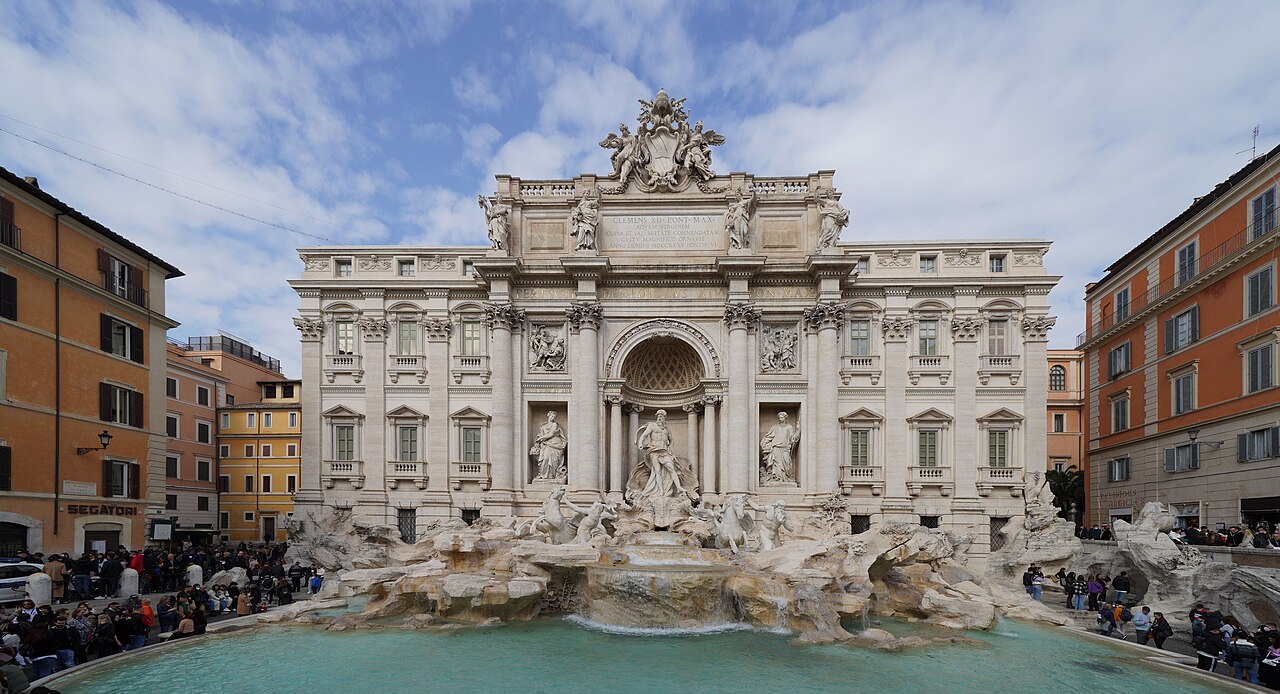

Before assigning dates, make a four-row reservation sheet. Row one is Colosseo: the archaeological park opens timed-slot sales 30 days ahead, issues named tickets and instructs visitors to carry identification. Record the holder, date, time and exact product. Arena and underground access do not follow automatically from an ordinary ticket. Row two is Musei Vaticani: use the portal linked by the museums and record Viale Vaticano as the entrance, not Saint Peter's Square.
Row three is Basilica di San Pietro. Ordinary access and the optional paid timed service are different choices, but both pass security. Note the clothing rule—covered shoulders and the specified lower-body garments—and travel without a bulky bag because the basilica records no luggage store. Add the official calendar for major celebrations. Row four is Pantheon. The state museum accepts its named online channel and authorised on-site sales; transactions pause prior to liturgical activity.
Draw three lines beneath the sheet. The archaeological line uses Colosseo on Metro B or Colosseo-Fori Imperiali on Metro C, places Forum Romanum on the permitted side of the amphitheatre slot, and exits toward Monti. The Vatican line uses Ottaviano or Cipro for the collections and Ottaviano-San Pietro for the basilica, with Prati as the final rione. The Centro Storico line begins near Campo de' Fiori, passes Piazza Navona and the Pantheon, then reaches Fontana di Trevi and Scalinata della Trinità dei Monti. Barberini-Fontana di Trevi and Spagna are the named eastern exits on ATAC's map.
Add street-level labels: Piazza del Colosseo for the amphitheatre, the Forum gates named by the park, Viale Vaticano for the collections, the right hemicycle of Saint Peter's Square for basilica security, Piazza della Rotonda for the Pantheon and Piazza di Spagna for the staircase. Mark one cut on each line: Navona when archaeology expands, the basilica when collections consume the Vatican date, Pantheon entry when worship intervenes, and the Steps when Trevi becomes the endpoint. The sheet is complete when every Roman address has an arrival point and a forward exit, without a promised universal duration.
- Colosseum
- Roman Forum
- Vatican Museums
- St. Peter's Basilica
- Pantheon
- Piazza Navona
- Trevi Fountain
- Spanish Steps
Checked 2026-09-08 · Official site · colosseo.it
Checked 2026-09-08 · Official site · www.museivaticani.va
Checked 2026-09-08 · Official site · www.basilicasanpietro.va
Checked 2026-09-08 · Official site · direzionemuseiroma.cultura.gov.it
Checked 2026-09-08 · Official site · www.atac.roma.it
Turn this list into a plan
Set your days, your pace and the hours you actually want to be out. The planner works around closing days and travel time, and leaves room to eat.