57 min walk
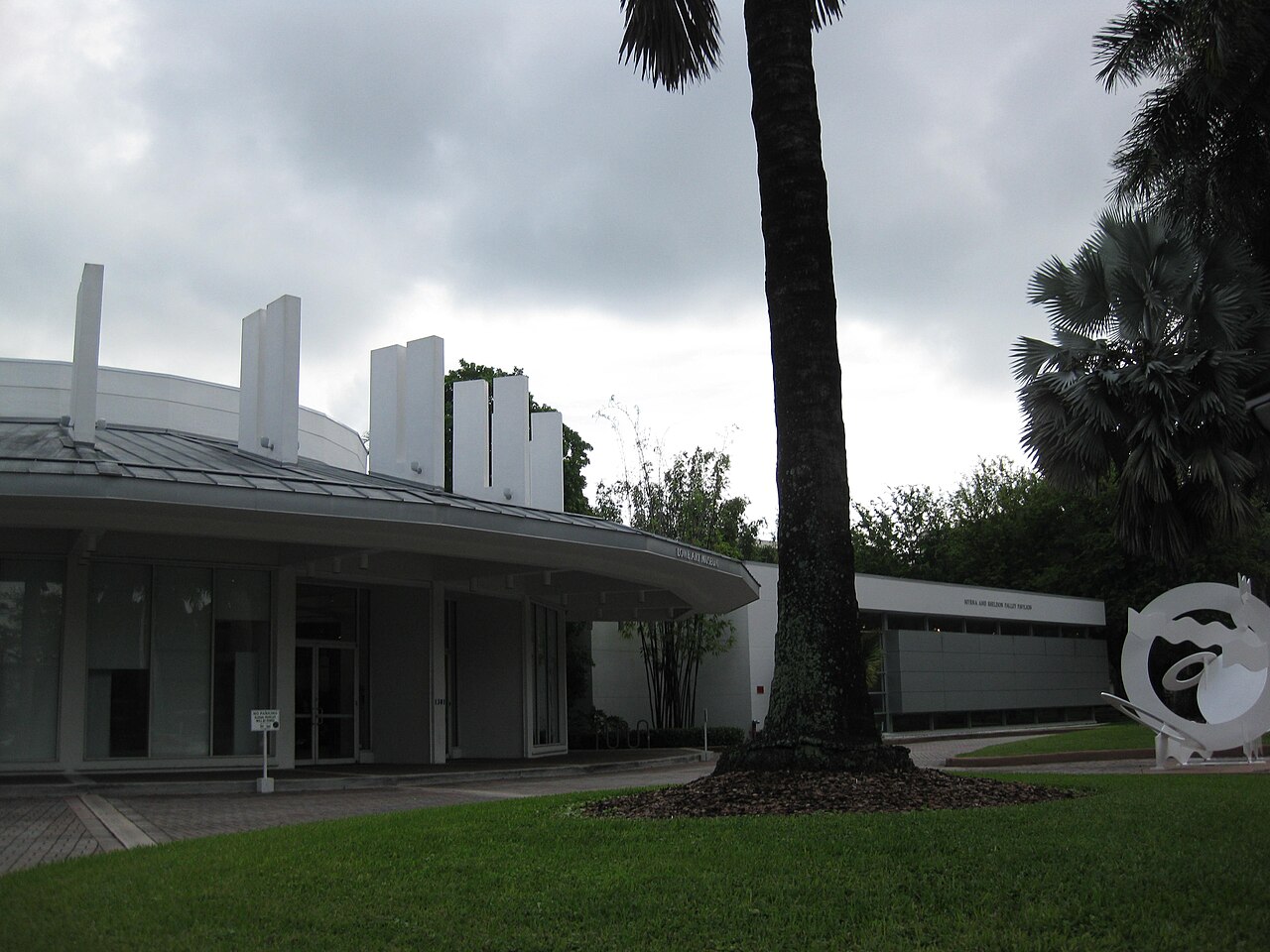
Lowe Art Museum
- High
- Museum
Language · 11 published
Nature site · Miami

| Monday | 10:00 – 17:00 |
|---|---|
| Tuesday | 10:00 – 17:00 |
| Wednesday | 10:00 – 17:00 |
| Thursday | 10:00 – 17:00 |
| Friday | 10:00 – 17:00 |
| Saturday | 10:00 – 17:00 |
| Sunday | 10:00 – 17:00 |
Checked 2026-08-31 · Source
Read from the OpenStreetMap access tags; anything not listed has no tag recorded.
Set the group type to family in the planner and the day window contracts to about three quarters of a solo day.
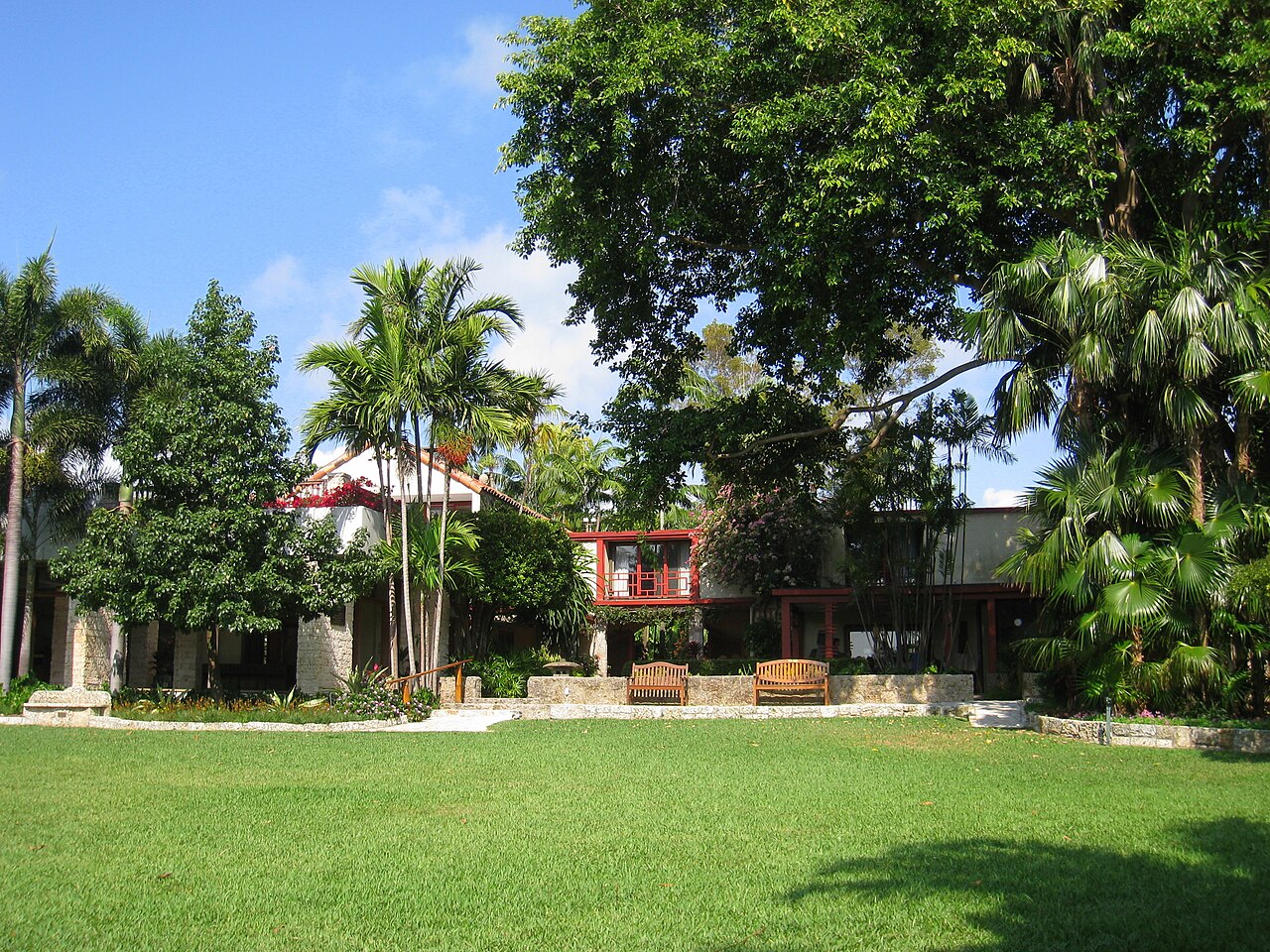
Fairchild Tropical Botanic Garden is an 83-acre botanical garden in Coral Gables, Florida, serving the Miami metropolitan area. Established in 1938 and named after plant explorer David Fairchild, the garden operates as a nonprofit institution dedicated to tropical plant conservation, education, and research. It holds extensive collections of rare tropical plants including palms, cycads, and flowering trees. The garden functions as a scientific research facility and public attraction, maintaining partnerships with botanical institutions worldwide for plant preservation and study. Yes, though the extensive grounds and tropical climate require preparation. The butterfly conservatory and open spaces engage younger visitors. Parents should bring sun protection, water, and snacks. Strollers navigate most paths, though some areas have uneven surfaces. Children must be supervised near water features.
Checked 2026-08-26 · Source
The garden contains multiple distinct collections and landscaped areas. Notable features include a rainforest exhibit, palm collection, and cycad collection. The Wings of the Tropics conservatory houses tropical butterflies. A tropical fruit pavilion showcases edible plant varieties. The garden maintains aquatic gardens, a sunken garden, and various specialty plant collections. Educational programming occurs at the Clinton Family Conservatory and other facilities. Seasonal displays and rotating exhibitions supplement permanent collections. The property includes walking paths, water features, and shaded gathering spaces throughout.
Checked 2026-08-26 · Source
Visitors typically spend two to four hours exploring the garden grounds. The 83-acre property requires substantial walking to experience major collections comprehensively. Guests prioritizing specific exhibits or traveling with young children may complete visits in ninety minutes to two hours. Photography enthusiasts, horticultural specialists, and those participating in guided tours or educational programs should allocate half a day. The garden's size and tropical climate suggest pacing visits according to personal stamina and weather conditions. Repeated visits reward those seeking seasonal changes in flowering displays.
Checked 2026-08-26 · Source
Miami's tropical climate permits year-round visitation, though seasonal considerations affect comfort. Summer months bring higher temperatures, humidity, and frequent afternoon thunderstorms. Winter and spring offer milder conditions for extended outdoor walking. Morning hours generally provide cooler temperatures and more active wildlife. Blooming seasons vary by plant collection, creating changing visual interest throughout the year. Visitors should consult the official website before planning visits, as seasonal adjustments, special events, or maintenance closures may affect accessibility. Hurricane season requires monitoring weather advisories.
Checked 2026-08-26 · Source
Admission requires purchased entry. The garden offers various ticket categories potentially including adult, senior, student, and child rates. Membership programs may provide unlimited annual access and reciprocal benefits with other botanical institutions. Special exhibitions, tram tours, or educational programs may involve additional fees. Group rates and educational discounts may apply with advance arrangement. Visitors should verify current admission costs through the official website or direct contact before visiting. Online ticket purchase may be available and recommended during peak periods or special events.
Checked 2026-08-26 · Source
The garden occupies a Coral Gables location south of downtown Miami. Private vehicle access uses local road networks; on-site parking is available. Public transit options include Miami-Dade County bus services with stops requiring additional walking distance. Rideshare and taxi services serve the area. Bicycle access may be possible via local routes. The garden's position relative to Miami International Airport and major highways facilitates regional access. Visitors should consult mapping services for precise routing, as traffic patterns and construction may affect journey times. Accessibility accommodations for visitors with mobility limitations should be confirmed directly.
Checked 2026-08-26 · Source
Tropical climate conditions necessitate sun protection, hydration, and insect precautions throughout the year. Extensive walking on varied surfaces requires appropriate footwear. Afternoon thunderstorms develop rapidly during wet seasons; shelter availability should be noted. Some plant collections may be temporarily inaccessible due to maintenance, conservation activities, or weather damage. Wildlife including birds, butterflies, and occasional reptiles inhabit the grounds naturally. Children require supervision near water features and fragile plantings. The garden's research and conservation mission means certain areas may carry access restrictions. Personal belongings should be secured as the garden provides open, dispersed spaces.
Checked 2026-08-26 · Source
The garden permits personal photography throughout most public areas. The dense tropical vegetation, water features, and architectural elements provide varied photographic subjects. Morning and late afternoon light offers optimal conditions for capturing plant colors and textures. The butterfly conservatory presents challenging low-light conditions requiring appropriate camera settings. Commercial photography, drone operation, and posed sessions may require advance permission and permits. Tripod use may be restricted in high-traffic areas. Visitors should respect plant collections by remaining on designated paths and not disturbing specimens for photographic purposes. Seasonal flowering creates changing opportunities for repeat visitors.
Checked 2026-08-26 · Source
Yes, though the extensive grounds and tropical climate require preparation. The butterfly conservatory and open spaces engage younger visitors. Parents should bring sun protection, water, and snacks. Strollers navigate most paths, though some areas have uneven surfaces. Children must be supervised near water features.
The garden has historically offered tram tours and walking tours. Visitors should consult the official website or contact the garden directly for current tour options and reservation requirements.
On-site dining options may exist seasonally. Visitors should verify current regulations before visiting.
The garden provides accessible parking and attempts to accommodate all visitors. Path surfaces vary across the 83-acre property, with some areas potentially challenging for standard wheelchairs. Direct contact recommended.
Comfortable walking shoes are essential for navigating varied path surfaces. Lightweight, breathable clothing suits the tropical climate. Sun hats, sunglasses, and sunscreen protect against intense exposure. Rain protection is advisable during wet seasons. Insect repellent may enhance comfort in garden environments.
Service animals are permitted under applicable law. Visitors should consult the official website or contact the garden directly regarding current regulations for animal access, as botanical institutions typically restrict pets to protect plant collections.
Loading the interactive map…
The interactive map could not be loaded.

Last updated:
Source: OpenStreetMap contributors ·