.jpg)

667 min walk
Coral Castle Museum
- Must see
- Museum
Language · 11 published
Nature site · Miami
| Monday | 00:00 – 23:59 |
|---|---|
| Tuesday | 00:00 – 23:59 |
| Wednesday | 00:00 – 23:59 |
| Thursday | 00:00 – 23:59 |
| Friday | 00:00 – 23:59 |
| Saturday | 00:00 – 23:59 |
| Sunday | 00:00 – 23:59 |
Checked 2026-08-31 · Source
Read from the OpenStreetMap access tags; anything not listed has no tag recorded.
Set the group type to family in the planner and the day window contracts to about three quarters of a solo day.
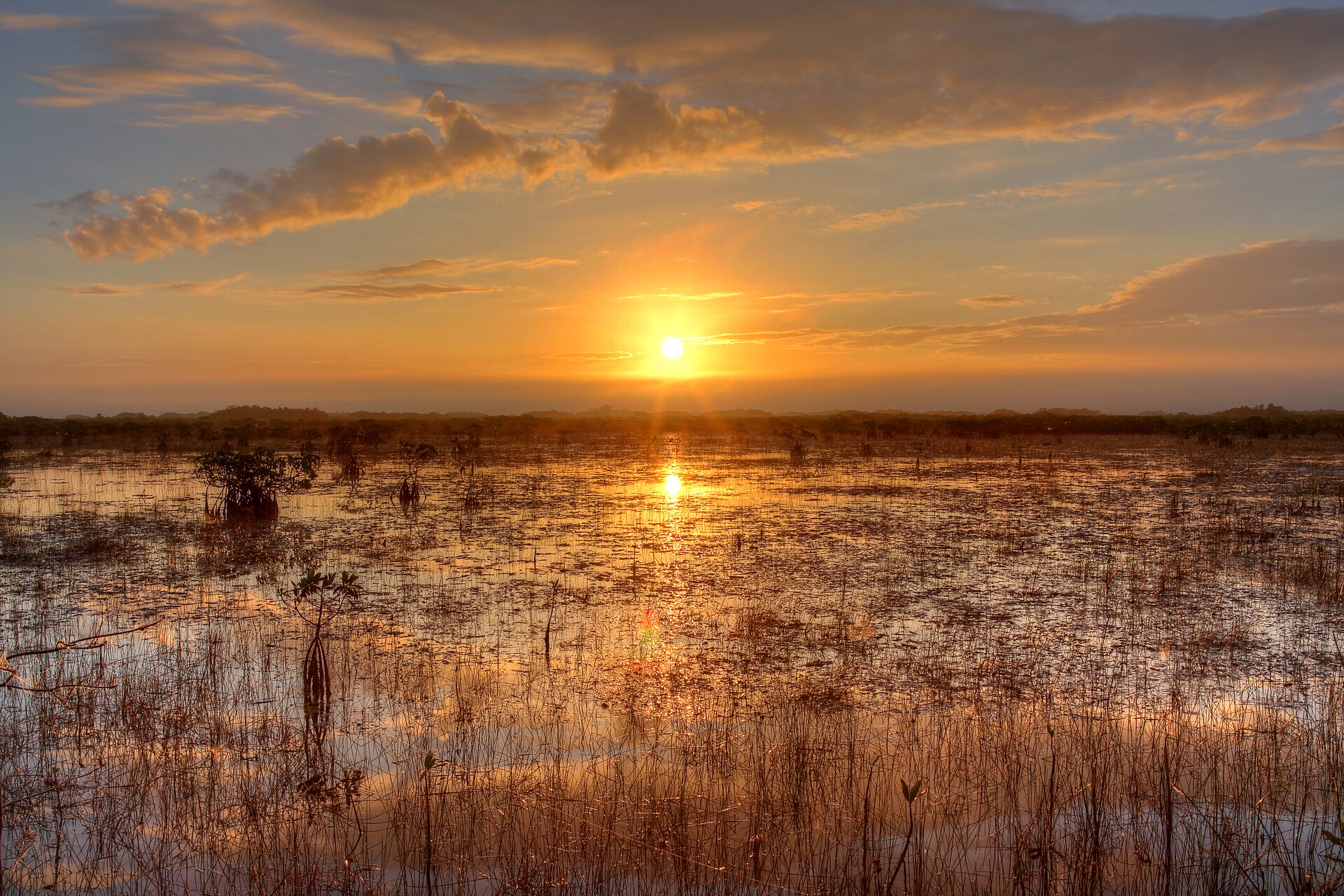
Everglades National Park is a vast subtropical wilderness at the southern end of Florida. Sawgrass marshes, mangrove forests, pine flatwoods, hardwood hammocks, and shallow waterways form a landscape shaped by seasonal water movement. The park protects a major South Florida watershed and provides habitat for endangered wildlife. Its World Heritage, biosphere, and wetland designations reflect both ecological importance and international recognition. This is a nature destination rather than a single compact attraction, so the entrance area you choose shapes the experience. Everglades National Park is a protected subtropical wilderness in South Florida, established in 1947. It spans the southern tip of the Florida peninsula, encompassing mangrove forests, sawgrass marshes, and pine flatwoods. Yes, with appropriate supervision. Boardwalk trails accommodate strollers. Close water proximity demands vigilance. Ranger programs engage younger visitors. Alligators are present throughout the year. Dry season concentrates them near remaining water sources, improving observation likelihood.
Checked 2026-08-26 · Source
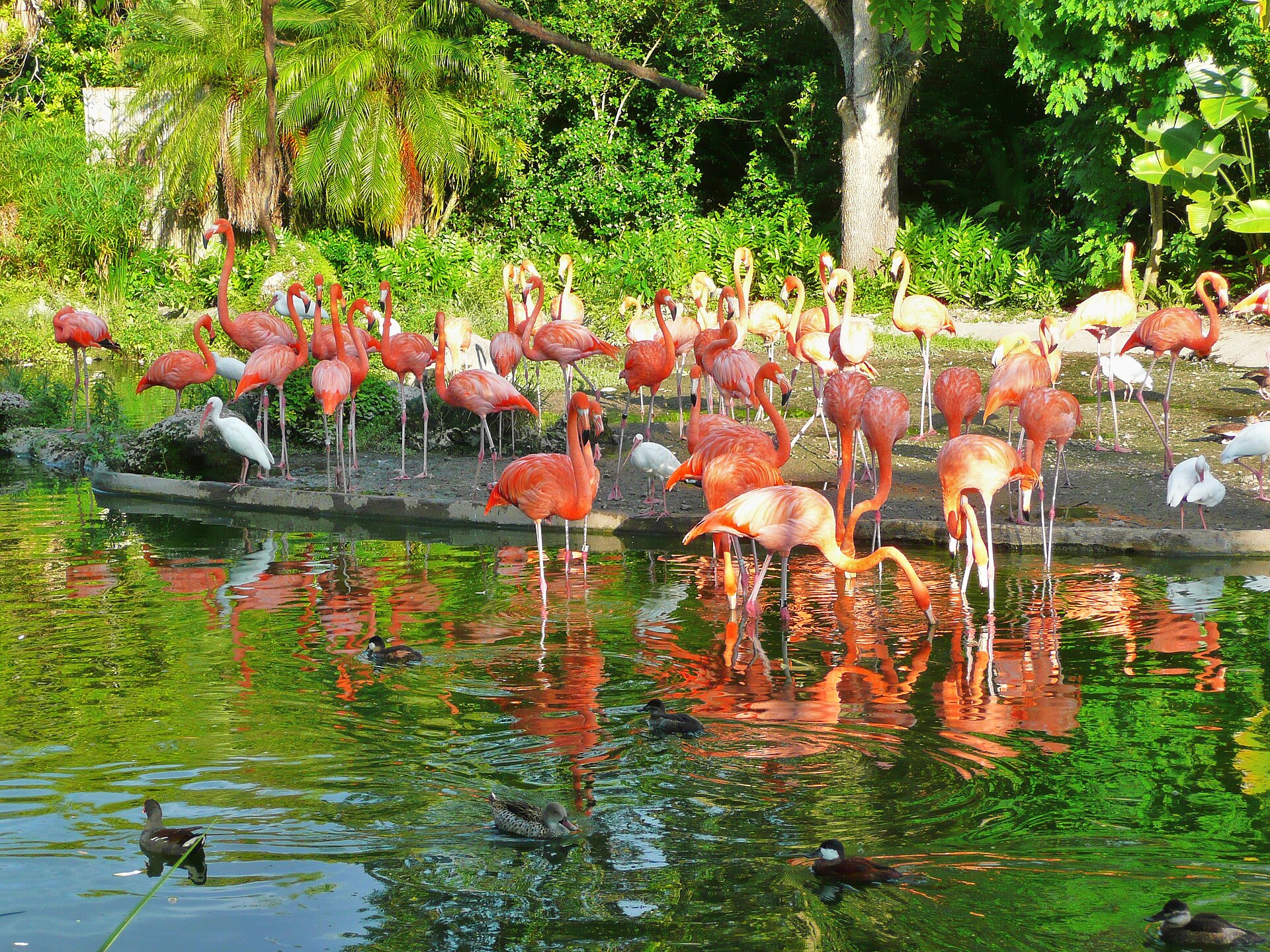
The park offers several distinct ways to encounter the Everglades. Shark Valley provides access to the sawgrass interior and its observation tower, while Anhinga Trail gives visitors a maintained boardwalk through wetland habitat. Flamingo opens onto Florida Bay, and the Gulf Coast area leads toward the Ten Thousand Islands. Visitor centers at Ernest F. Coe, Shark Valley, and Flamingo add interpretation. Wildlife can include alligators, crocodiles, manatees, Florida panthers, and more than three hundred bird species. Experienced paddlers can follow wilderness waterways through remote mangrove channels.
Checked 2026-08-26 · Source
Plan at least half a day for one focused area, such as Shark Valley or Royal Palm. A full day gives you time to combine selected trails, visitor-center interpretation, or a longer drive toward Flamingo. Moving between the park's distant sections takes substantial time, so avoid treating every entrance as part of one quick circuit. Birdwatchers and photographers benefit from longer stays, while paddling routes and wilderness trips can occupy several days. Choose one geographic zone first, then add another only if the route remains realistic.
Checked 2026-08-26 · Source
November through April brings generally milder temperatures, lower humidity, and wildlife concentrated around shrinking water sources. The wet season is hotter, wetter, and more challenging because afternoon storms and mosquitoes become more prominent. Water levels also change the character of trails and canoe routes. Hurricane-season weather can disrupt travel across South Florida. Dry-season mornings are especially rewarding for wildlife viewing and walking, while wet-season visits can reveal dramatic skies and lush vegetation. Weather and water conditions influence what each area feels like on the day.
Checked 2026-08-26 · Source
Entrance charges apply to private vehicles, motorcycles, and visitors arriving on foot or by bicycle. Annual passes and America the Beautiful interagency passes provide alternative ways to cover entry. Developed and backcountry camping involve separate charges or permits, and concession boat or tram experiences are additional products. Treat the park as a collection of access points with different activities rather than one ticketed building. If your plan includes camping, paddling, or a concession excursion, include those arrangements separately from ordinary day access.
Checked 2026-08-26 · Source
Ernest F. Coe is southwest of Homestead, Shark Valley lies along U.S. Highway 41 west of Miami, and Flamingo sits at the southern end of the main park road. The Gulf Coast entrance near Everglades City serves the Ten Thousand Islands. Roads do not link every visitor area directly, and public transport does not reach the park interior. A rental car is practical for independent travel, while an organised tour can simplify logistics. Allow more than an hour from Miami when your chosen entrance is far south or west.
Checked 2026-08-26 · Source
Keep a respectful distance from alligators and crocodiles, and supervise children beside waterways and boardwalk edges. Heat, strong sun, humidity, and limited shade make water, sun protection, and suitable clothing important. Mosquitoes and other biting insects are more active near standing water and during the wet season. Summer thunderstorms can bring lightning quickly. Remote areas may have weak or absent mobile coverage. Boardwalks can become slippery, and backcountry paddlers should tell someone their route before setting out.
Checked 2026-08-26 · Source
Sunrise and sunset create strong light across the park's unusually flat horizons. The Shark Valley tower gives photographs a wider view over sawgrass, while Anhinga Trail brings wildlife and wetland vegetation closer without requiring a backcountry journey. In Ten Thousand Islands, mangrove silhouettes and water reflections work well in low light. Use a telephoto lens so animals can be photographed without approaching them. A polarising filter can reduce glare on water. Clouds, storms, and changing water levels add different moods throughout the year.
Checked 2026-08-26 · Source
Shark Valley, Royal Palm, Flamingo, and the Gulf Coast area offer different experiences, but the distances between them are substantial. A one-day visit is more practical when you select one area and explore it thoroughly.
Alligators inhabit the park year-round. During the dry season, they often gather near the remaining water sources, which can make sightings easier along suitable trails and waterways.
Bring drinking water, sun protection, insect repellent, closed-toe shoes, and rain protection. Binoculars are useful for birdwatching, and children need close supervision near water and wildlife.
Swimming is unsuitable for this visit because waterways contain alligators and crocodiles, conditions can change, and many areas are remote. The park is better experienced through trails, boardwalks, boating, and wildlife observation.
Possible sightings include alligators, crocodiles, manatees, Florida panthers, and more than three hundred bird species. Wildlife is free to move through the habitats, so sightings are never the same from one visit to the next.
Anhinga Trail provides a maintained boardwalk through wetland habitat, while Shark Valley offers another accessible way to view the sawgrass landscape. Both are useful choices for a concentrated first experience.
Loading the interactive map…
The interactive map could not be loaded.
Last updated:
Source: OpenStreetMap contributors ·