
12 min walk
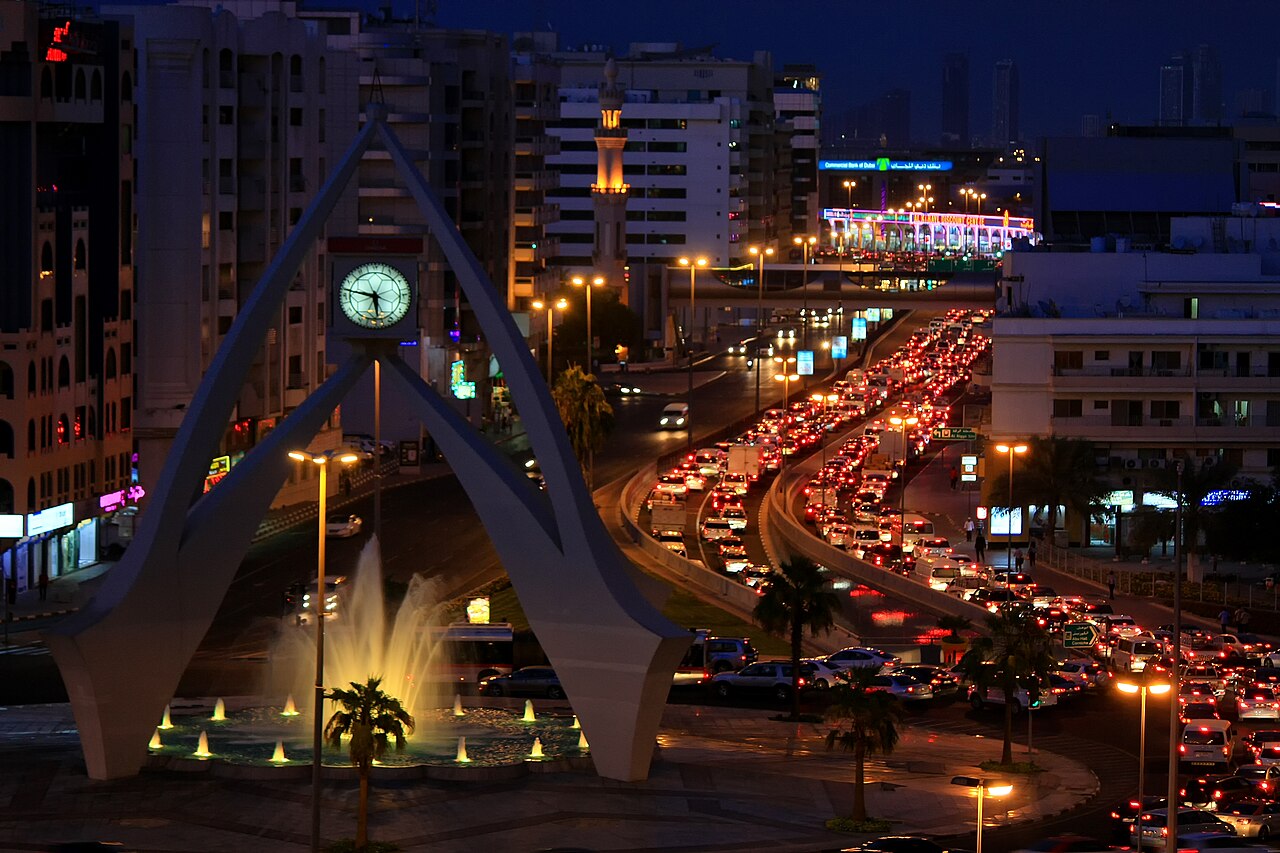
Deira Clocktower
- Must see
- Historic monument
Language · 11 published
Nature site · Dubai
Read from the OpenStreetMap access tags; anything not listed has no tag recorded.
Set the group type to family in the planner and the day window contracts to about three quarters of a solo day.
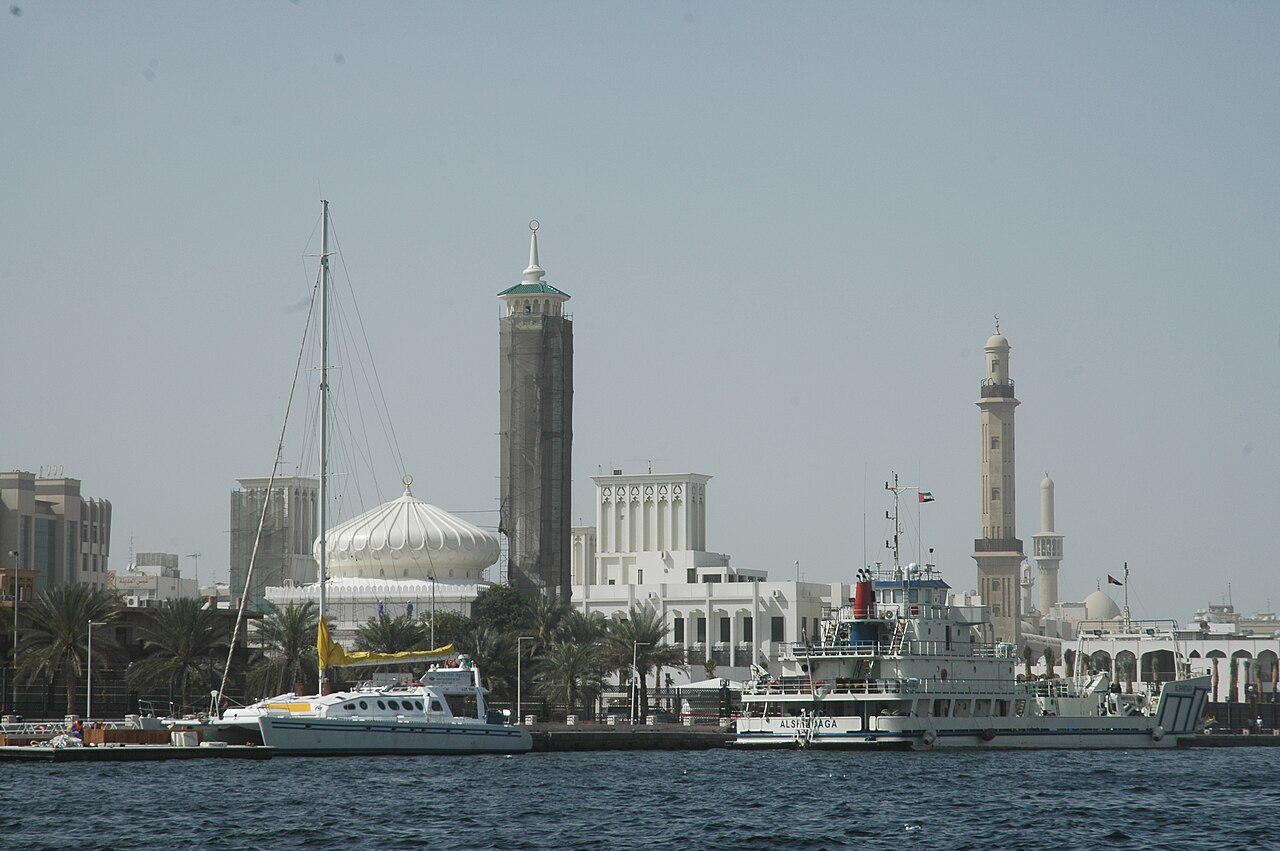
Dubai Creek is a natural saltwater inlet that historically divided the city into Deira and Bur Dubai. The waterway stretches approximately 14 kilometres inland from the Persian Gulf and has served as the commercial and cultural heart of Dubai since before the oil era. Traditional dhows and abras continue to operate along its length, maintaining maritime traditions that predate modern port infrastructure. Daily: no fixed opening hours apply to Dubai Creek itself. Dubai Creek is an open public waterway and waterfront area with no regular closure day. Museums, souks, parks and marine services along it keep separate schedules.
Checked 2026-08-31 · Source
The creek contains several distinct zones including the abra water taxi stations, dhow wharfage areas, and the Dubai Creek Golf and Yacht Club. Heritage attractions line both banks: the Al Fahidi Historical Neighbourhood, Dubai Museum in Al Fahidi Fort, and the Gold and Spice Souks in Deira. The Al Seef development offers reconstructed heritage architecture alongside contemporary retail. Waterfront walkways permit pedestrian circulation. Dubai Creek is an open public waterway and waterfront area with no regular closure day. Museums, souks, parks and marine services along it keep separate schedules.
Checked 2026-08-31 · Source
A complete exploration of both creek banks requires a full day minimum. The abra crossing itself takes several minutes each direction. Walking either bank from Al Fahidi to the Gold Souk area consumes approximately two to three hours without extended stops. Heritage site visits add substantial time: the Dubai Museum warrants sixty to ninety minutes, souk browsing varies by individual interest. Evening dhow dinner cruises typically occupy two to three hours. Free: no admission ticket is required for Dubai Creek itself. Abra crossings, cruises and waterfront attractions are separately priced.
Checked 2026-08-31 · Source
Dubai's climate determines visitor comfort more than seasonal events. October through April offers moderate temperatures suitable for extended waterfront walking. May through September presents extreme heat and humidity that significantly reduces outdoor comfort. Morning hours provide calmer conditions for abra crossings and photography. Evening hours attract local populations to promenades and dining establishments. Daily: no fixed opening hours apply to Dubai Creek itself. RTA states that all its marine transport stations are designed to be accessible to People of Determination. Dubai Metro stations have lifts, wide access gates and wheelchair spaces on trains.
Checked 2026-08-31 · Source
The abra water taxi crossing between Bur Dubai and Deira Deira stations charges a nominal fare payable per passenger. Dhow cruise operators set independent pricing for dinner and sightseeing packages. Heritage sites including Dubai Museum maintain separate admission fees. Souk areas require no entry payment. Golf and yacht club access restricts to members and guests. Free: no admission ticket is required for Dubai Creek itself. Abra crossings, cruises and waterfront attractions are separately priced. RTA states that all its marine transport stations are designed to be accessible to People of Determination.
Checked 2026-08-31 · Source
The Dubai Metro serves both creek banks: Green Line stations at Al Ras, Al Ghubaiba, and Sharaf DG provide proximity to Deira and Bur Dubai access points. Bus routes terminate at stations near abra embarkation points. Taxis and ride services access creek-side roads directly. For the historic creek, use Green Line station G24 Al Ghubaiba for the Bur Dubai and Al Shindagha bank, or G23 Al Ras for the Deira souqs. Named marine stops include Bur Dubai Abra Station, Deira Old Souq, Dubai Old Souq and Al Sabkha. Upstream, Green Line station G30 Creek connects with the Al Jaddaf end of the waterway.
Checked 2026-08-31 · Source
Abras board and disembark rapidly; passengers must secure seating promptly and supervise children closely. Water quality in the working harbour zone reflects active commercial use rather than recreational standards. Souk areas involve persistent vendor engagement; visitors should negotiate firmly or decline interaction decisively. Evening crowds concentrate around dining and cruise embarkation points. RTA states that all its marine transport stations are designed to be accessible to People of Determination. Dubai Ferry carries two wheelchairs, is stroller-friendly and has an accessible restroom. Traditional abra vessels are not identified by RTA as wheelchair-accessible, so they should not be treated as a step-free crossing option.
Checked 2026-08-31 · Source
Dhow silhouettes against sunrise and sunset skies produce distinctive compositions from both creek banks. The abra journey offers unstable platforms requiring secure equipment handling. Heritage architecture in Al Fahidi and Al Seef provides textured facades and narrow alley perspectives. The creek's working nature includes industrial elements—cargo handling, vessel maintenance—that may obstruct or enhance documentary approaches. Night photography captures illuminated waterfront developments and dhow decorative lighting. Tripod use in crowded abra stations and narrow walkways faces practical constraints. Traditional abra vessels are not identified by RTA as wheelchair-accessible, so they should not be treated as a step-free crossing option.
Checked 2026-08-31 · Source
RTA describes Dubai Creek as a 14-kilometre waterway.
Dubai Creek divides Deira from Bur Dubai.
RTA lists Bur Dubai Abra Station–Deira Old Souq and Dubai Old Souq–Al Sabkha in both directions.
RTA lists the motorized traditional abra at AED 1 per passenger per trip, paid in cash; its petrol heritage creek routes are listed separately at AED 2.
Yes. RTA lists a private motorized traditional abra charter at AED 120 per hour.
Dubai Ferry accommodates two wheelchairs and is stroller-friendly; RTA also provides accessible restrooms on board.
Loading the interactive map…
The interactive map could not be loaded.

Last updated:
Source: OpenStreetMap contributors ·