


398 min walk
Al Marmoom Desert Conservation Reserve
- High
- Nature site
Language · 1 published
Nature site · Dubai
محمية دبي الصحراوية
| Monday | 09:00 – 17:00 |
|---|---|
| Tuesday | 09:00 – 17:00 |
| Wednesday | 09:00 – 17:00 |
| Thursday | 09:00 – 17:00 |
| Friday | 09:00 – 17:00 |
| Saturday | 09:00 – 17:00 |
| Sunday | 09:00 – 17:00 |
Checked 2026-08-26 · Source
The Dubai Desert Conservation Reserve is a 225-square-kilometre protected area in the emirate's inland desert, which the reserve describes as 4.7 per cent of Dubai's total land area and as the UAE's first national park. It began much smaller. In 1999 the Al Maha Desert Resort & Spa was established with a 27-square-kilometre conservation area around it; seventy Arabian oryx were released and six thousand indigenous trees and shrubs were planted. In 2002 the resort's managers commissioned an environmental audit of the surrounding desert, submitted a proposal to government for a formal national park, and a Dubai Desert Conservation Board was constituted under the chairmanship of HH Sheikh Ahmed bin Saeed Al Maktoum. The reserve was created by ruler's decree, and the full 225 square kilometres dates from 2003. The Al Maha conservation team, which already ran the smaller area, took over its operation. The fence around the original core came down in 2011, so the herds now range across the whole reserve. What a visitor is looking at is therefore not untouched wilderness but a desert deliberately rewilded: domestic livestock were removed in 2008, waterholes are fed by solar pumps, twenty-five thousand indigenous trees were planted in 2012 alongside a graded sand road network, and vegetation, rodents, foxes and vultures have been surveyed continuously since the mid-2000s.
Checked 2026-08-26 · Source
The reserve is divided into four zones with different rules. The Wilderness Zone admits nobody except researchers and observers, on foot. The Rehabilitation Zone is worked only for wildlife infrastructure such as watering points and the seeding of indigenous plants. The Ecotourism Activities Zone carries low-impact activity — nature walks, camel and horse rides. Only the Development and Recreation Zone holds the safari camps and dune-driving routes, and there are nine camps in total, used mainly for Bedouin-style dining and limited camping. A visitor sees one zone, not the reserve.
The wildlife counts the reserve publishes are specific. Four hundred Arabian oryx now range free, grown from the original seventy and described as the largest free-roaming herd of its kind in the UAE, alongside roughly three hundred Arabian gazelles and a hundred sand gazelles. The reserve records 74 plants, 18 mammals, 26 reptiles and 300 arthropods. Its bird figure is stated two ways on the same page — 126 species recorded, up from 60 in 2003, and 140 bird species currently resident — so treat the exact number as unsettled. Al Maha, a Luxury Collection Resort & Spa, sits in the centre with 42 suites and is the only place to stay overnight inside the boundary. The Visitor's Centre holds a reception hall, cultural, habitat and nocturnal halls, an AV hall and an elevated viewing platform.
Checked 2026-08-26 · Source

The reserve publishes no suggested visit length, so the figures here are this guide's judgement rather than a recorded fact, and they split in two because there are two quite different visits.
The Visitor's Centre is the part anyone can walk into. It is a sequence of halls — reception, cultural, habitat, nocturnal — with audio explanations, 3D-printed models, holographic displays and interactive kiosks, a feature film in the AV hall, and a viewing platform at the end. An hour covers it comfortably; ninety minutes if the film is watched in full and the platform is used for a proper look at the dunes. It is not a half-day building.
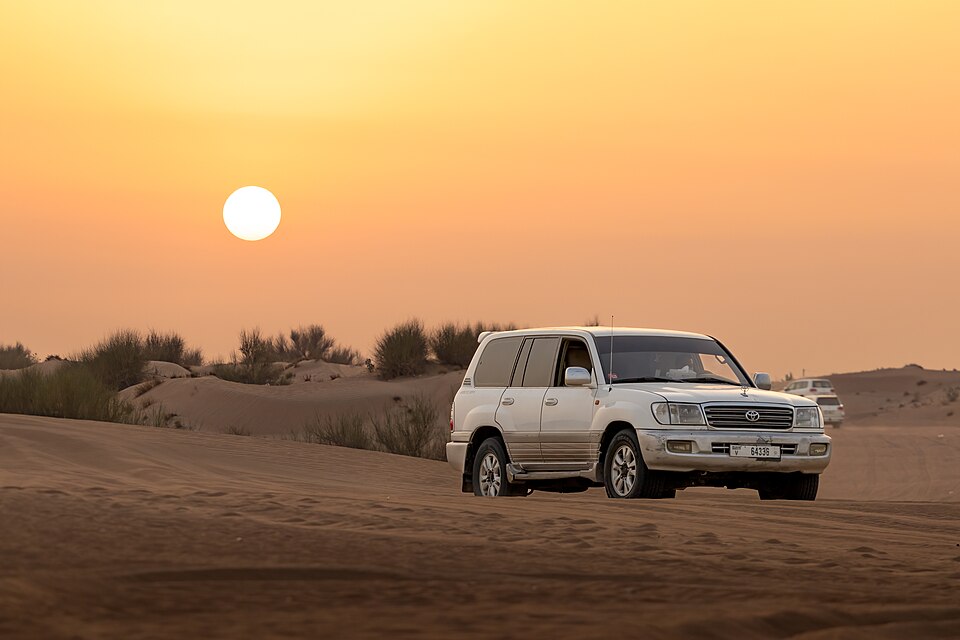
The reserve itself is a different commitment. Access to the interior runs through approved tour operators, and their formats are morning wildlife drives, afternoon dune excursions ending at a camp for dinner, night safaris and overnight camping. Any of those is a half-day out once the drive from the city is counted at both ends, which is why this guide records four hours as the planning duration for the reserve as a whole. Book the operator first and fit the Visitor's Centre around it, rather than the other way round: the centre keeps fixed daily hours, the tours do not.
Checked 2026-08-26

The reserve's own executive vice president refers to the busy winter season, and that is the honest shape of the year here: winter is when the desert is comfortable and when the operators are full. Between roughly November and March a daytime drive is pleasant and a dune camp in the evening is cool enough to need a jacket. In midsummer the same ground is punishing in the middle of the day, and the trips that still make sense are the ones at the ends — early morning and after dark.
Within a day, the two useful windows are the first hour after sunrise and the last hour before sunset. Free-roaming oryx and gazelle move and feed when the temperature drops, and the low sun is what makes the dunes read as ridges rather than as flat glare. Middle of the day is the worst of both: the animals are in whatever shade they can find and the light flattens everything.
The Visitor's Centre is indoors and open every day of the year at the same hours, so it is the part of a visit that survives a hot afternoon or a bad forecast. None of the above is a published reserve recommendation; it is practical judgement, and no seasonal closure or seasonal timetable is published for the centre.
Checked 2026-08-26
The reserve publishes one price, and it is for the Visitor's Centre. Walk-in fees are AED 35 for adults and AED 25 for children, read from the reserve's own contact page on 26 August 2026. No booking requirement, no online ticket and no concession beyond the child rate is published, and the page does not state the age at which the child rate ends. The centre's telephone number is 04 880 2337, which is the number to call if that age matters for a particular group.
Everything else costs whatever the operator charges. The conservation team states plainly that it does not run the tours and recreational activities in the reserve, and directs enquiries to the companies that do — Arabian Adventures, Platinum Heritage, Sand Sherpa, Nara Desert Escape, Dream Journey Tourism, 57 Heritage, Balloon Adventures and Al Maha itself. Prices for camel treks, falconry, dune drives, dune dinners, night safaris, camping and the hot-air balloon ride are set by those companies and are not published by the reserve, so no figure for them appears here.
There is likewise no published entry fee for the reserve itself as distinct from the Visitor's Centre; access to the interior is governed by the zoning rules and by which operator a visitor has booked with, not by a gate ticket.
Checked 2026-08-26 · Source

The reserve gives the Visitor's Centre location as the plus code VHGG+HW3, labelled Sharjah on its own contact page, with the telephone number 04 880 2337. It publishes no street address for the centre, no directions and no public-transport information, so a visitor should plug that plus code into a mapping app before setting out rather than searching by name.
The reserve's approach is the Dubai–Al Ain Road. Both of the addresses the reserve publishes for businesses inside the boundary sit on it: Al Maha is listed at Dubai Desert Conservation Reserve, Dubai–Al Ain Road, and Nara Desert Escape at Al Ain Road, Margham Gate. That is the corridor to aim for.
Whether a car is strictly necessary is not something the reserve states either way, and this guide will not invent an answer. What can be said is that no bus, metro or shuttle service to the centre appears anywhere on the reserve's site, and that the desert operators collect their guests themselves — a booked excursion normally includes the vehicle, since the four-wheel-drive routes inside the Development and Recreation Zone are pre-planned and reserved to registered guides. A visitor arriving under their own steam for the Visitor's Centre alone will need road transport of some kind.
Checked 2026-08-26 · Source

The first thing to get right is who you are booking with. The reserve does not sell tours; it approves them, and it publishes a seal for that purpose. A DDCR-approved tour has to focus on nature or culture, use a guide the reserve itself has certified on the fauna, flora, geology and cultural background, account for environmental impact and waste, and let guests log wildlife observations back to the reserve as citizen scientists. A desert safari sold in Dubai is not automatically inside this reserve at all, and one that is inside it is not automatically approved. Look for the seal and check the operator against the list on the reserve's own site.
The second is that the zoning is real, not decorative. Dune driving is confined to the Development and Recreation Zone, restricted to pre-planned routes, and permitted only to approved Dubai-based operators with qualified registered guides. The Wilderness Zone is closed to everything but research on foot. Off-road recreational driving is a documented cause of damage here and has its own research project measuring the extent of it.
The third is the desert itself. Sun, heat and blowing sand are the working conditions from spring to autumn, and the reserve is large, unlit and unfenced along its old core.
Checked 2026-08-26 · Source

The reserve publishes no photography rules, so nothing here is a restriction — it is what the ground gives you.
Light first. The dunes are only interesting when the sun is low enough to separate the crest from the slipface; the first and last hour of the day do that, and midday erases it completely. A night safari or a camping trip puts the sky in reach, and the reserve is far enough from the city's edge for stars to be the subject rather than a backdrop, though a tripod and a proper exposure are the price of that.
Subjects. Oryx are white against pale sand and will fool a meter into underexposing everything; expose for the animal and let the ground go bright. Gazelles keep more distance than oryx do and want reach — a long lens earns its weight here, and nothing else does. The falconry demonstrations that several operators run are the one reliable close-range subject, since the bird is brought to you.
Practicalities. Sand is the enemy of a lens mount; change lenses inside the vehicle, or do not change them at all. From an open-top safari vehicle a fast shutter beats a steady hand, because the vehicle moves even when it appears not to.
Checked 2026-08-26
The Visitor's Centre opens 9am to 5pm, all days, as published on the reserve's own contact page and read on 26 August 2026. No weekly closing day, no midday break and no seasonal timetable are published, and the reserve gives 04 880 2337 as the centre's telephone number. The reserve publishes no opening or closing hours for the reserve itself, because access to the interior is arranged through approved tour operators rather than through a gate.
The only price the reserve publishes is for the Visitor's Centre: walk-in fees of AED 35 for adults and AED 25 for children. The page does not state the age limit for the child rate. Tours inside the reserve — camel treks, falconry, dune drives, dune dinners, night safaris, camping, the hot-air balloon ride — are run and priced by the approved operators, not by the conservation team, and the reserve publishes no figures for them, so none are given here.
The reserve does not publish a rule for private cars in those words, so this answer stays with what it does say. Four-wheel dune driving excursions inside the Development and Recreation Zone are permitted only to approved Dubai-based safari operators with qualified, registered guides, and are restricted to pre-planned routes. The Wilderness Zone admits nobody but researchers, on foot. Off-road recreational driving is treated as a source of damage and is the subject of its own research project. In practice the interior is reached with a booked operator.
The reserve publishes no suggested visit length, so this is editorial judgement. Allow an hour for the Visitor's Centre, or ninety minutes to watch the film in the AV hall and use the viewing platform properly. For the reserve itself allow four hours, which is what a booked wildlife drive, dune excursion or dinner camp comes to once the drive out from the city and back is counted at both ends. An overnight camp or a stay at Al Maha is a different proposition again.
The conservation team states that it does not operate the tours and activities, and lists the parties to contact: Arabian Adventures; Al Maha, a Luxury Collection Resort & Spa; Balloon Adventures Emirates; Platinum Heritage; Sand Sherpa; Dream Journey Tourism; Nara Desert Escape; and 57 Heritage Tourism. Travco and Royal Shaheen are also named among the operators working in the reserve. An approved tour carries the reserve's seal, which requires a nature or culture focus, a DDCR-certified guide and a sustainability standard for the whole trip.
Four hundred Arabian oryx range free across the reserve, which calls this the largest free-roaming herd of its kind in the UAE, alongside about three hundred Arabian gazelles and a hundred sand gazelles — those are the animals a wildlife drive is built around. The reserve also records 74 plants, 18 mammals, 26 reptiles and 300 arthropods, and its bird count appears on the same page both as 126 species recorded and as 140 currently resident. Foxes, wildcats, hares and hedgehogs are present but nocturnal and rarely seen by day.
Loading the interactive map…
The interactive map could not be loaded.
Last updated:
Source: OpenStreetMap contributors, Wikidata ·