45 min walk
Love Lake
- High
- Family attraction
Language · 11 published
Historic monument · Dubai
بحيرات القدرة

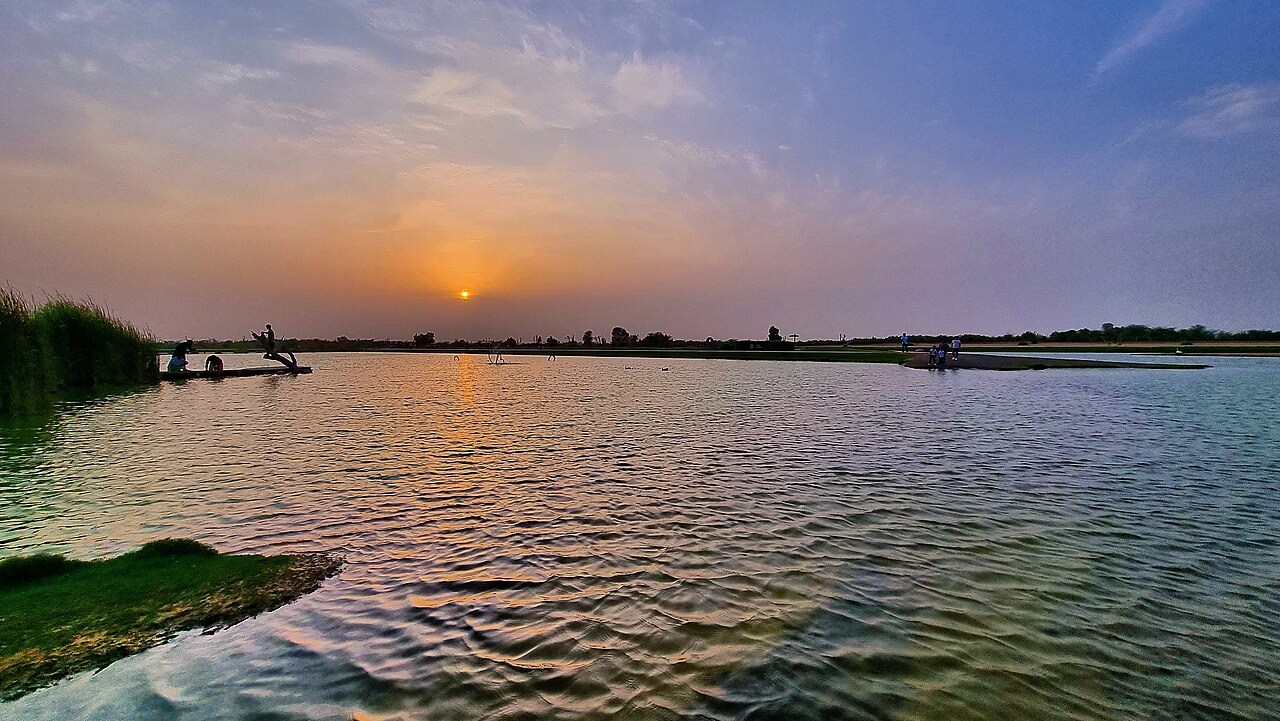
Al Qudra Lakes is a man-made desert oasis in Dubai’s Dubailand area, where interconnected bodies of water sit among open arid plains. The lakes form part of the wider Al Marmoom desert landscape and offer a striking contrast between engineered wetlands and sand-coloured terrain. Visitors come for quiet scenery, outdoor recreation, cycling, sunset views, and birdwatching rather than conventional urban sightseeing. The setting feels deliberately spacious, with broad horizons and little of the dense construction associated with central Dubai. It is a useful choice for travellers who want to experience a more open, desert-facing side of the emirate.
Checked 2026-08-26 · Source
The lakes are the main attraction, surrounded by desert ground, low vegetation, and long views across the reserve landscape. Water draws birds into an otherwise dry environment, giving the area a different character from the surrounding dunes. Cycling routes pass through or near the site and are especially popular with riders seeking distance and open scenery. Love Lakes, a nearby installation with heart-shaped water bodies, adds another designed landscape experience in the broader area. The visit is primarily outdoors, so the experience centres on views, movement, wildlife observation, and photography rather than enclosed exhibits or a sequence of indoor facilities.
Checked 2026-08-26 · Source
Allow one to two hours for a short scenic stop, especially if your main aims are photographs, a lakeside pause, or a brief wildlife observation. Cyclists using the surrounding routes can spend several hours on the wider outing, while birdwatchers may prefer a slower half-day visit. Combining the lakes with Love Lakes or a longer desert drive creates a fuller excursion. The time feels most rewarding when you leave room for unhurried looking: birds may be distant, light changes quickly near sunset, and the scale of the landscape is part of the experience. Plan extra time for route-finding between separate viewpoints.
Checked 2026-08-26 · Source
The cooler period from November through March is the most comfortable season for spending time outdoors in the desert. Early morning brings softer light, lower temperatures, and a calmer atmosphere for cycling or birdwatching. Late afternoon is well suited to landscape photography and sunset, although the final light can attract more visitors. Bird activity changes with seasonal movement and migration. Summer heat can make prolonged exposure uncomfortable and hazardous, particularly around midday. Choose clothing, water, and pacing for the weather on the day, and treat the lakes as an outdoor destination rather than a quick air-conditioned stop.
Checked 2026-08-26 · Source
Al Qudra Lakes is an open-air landscape destination centred on the lakes, desert scenery, cycling, and wildlife observation. Keep your plans focused on the landscape itself, and do not build the visit around a ticketed activity. Any separate attraction or service encountered during a wider desert outing should be treated as a distinct experience with its own arrangements. The practical value of the lakes lies in the setting and the freedom to explore at your own pace.
Checked 2026-08-26 · Source
The lakes lie in the Dubailand area, off Al Qudra Road, in a setting best suited to a private vehicle or a planned taxi and ride-hailing journey. The desert location means the final approach is different from reaching a central Dubai attraction, and return transport deserves attention when using a one-way ride. Main approaches include surfaced roads, while individual stopping points around the wider landscape can differ. Experienced cyclists may reach the area by road, but the distance and heat make this a demanding choice. Use a clear map pin and allow time for the broad, low-density surroundings.
Checked 2026-08-26 · Source
This is an exposed desert environment, so carry enough drinking water, protect your skin from the sun, and avoid treating a long midday outing casually. Shade and immediate assistance are limited across open areas. Sand, wind, insects, and desert wildlife are part of the setting; give animals space and do not enter the water. Night driving requires care because lighting is limited and animals may cross roads. A charged phone and a clear return plan are sensible for a remote excursion. Sandstorms or sudden changes in visibility can make driving and cycling more difficult.
Checked 2026-08-26 · Source
The lakes offer strong compositions built around the contrast of reflective water, pale desert, silhouettes, and wide skies. Sunrise gives gentle colour and long shadows, while sunset places warm light across the shore and surrounding sand. A telephoto lens helps with distant birds; patience is more useful than approaching wildlife closely. Love Lakes provides additional geometric shapes and designed lines for photographs. Wind can move sand across equipment and unsettle a tripod, so protect lenses and keep support low. Night photography benefits from the open setting, but work carefully around vehicles and unlit ground.
Checked 2026-08-26 · Source
The visit focuses on man-made lakes, desert scenery, cycling, birdwatching, sunset views, and landscape photography in an open outdoor setting.
Yes. Love Lakes is a nearby related installation in the broader Al Qudra area, so the two landscapes can form one wider desert outing.
Allow one to two hours for scenery and photographs, or several hours to include cycling, extended birdwatching, Love Lakes, and a wider desert drive.
November through March offers cooler outdoor conditions. Early morning and late afternoon are more comfortable than the exposed midday period and provide attractive light.
Bring drinking water, sun protection, suitable outdoor clothing, a charged phone, and equipment suited to desert conditions if you plan to cycle or photograph wildlife.
The guide describes the lakes as a setting for scenery, cycling, birdwatching, and photography. Swimming is not part of the documented visitor experience.
Loading the interactive map…
The interactive map could not be loaded.
Last updated:
Source: OpenStreetMap contributors ·


