
148 min walk · Milas
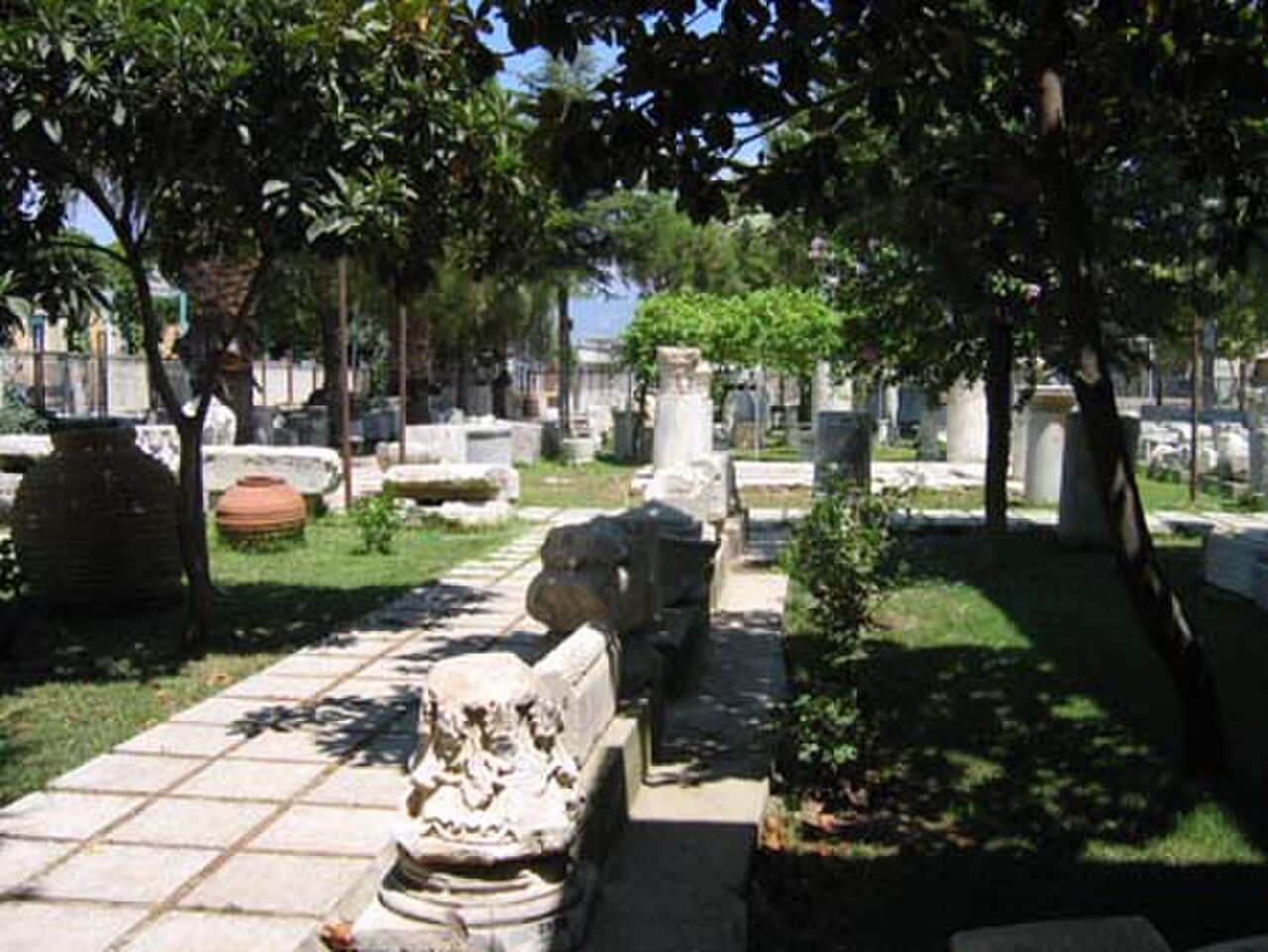
Milas Museum
- Must see
- Museum
Language · 11 published
Historic monument · Milas, Muğla
Euromos

| Monday | 08:30 – 19:00 |
|---|---|
| Tuesday | 08:30 – 19:00 |
| Wednesday | 08:30 – 19:00 |
| Thursday | 08:30 – 19:00 |
| Friday | 08:30 – 19:00 |
| Saturday | 08:30 – 19:00 |
| Sunday | 08:30 – 19:00 |
Checked 2026-09-02 · Source
Read from the OpenStreetMap access tags; anything not listed has no tag recorded.
Set the group type to family in the planner and the day window contracts to about three quarters of a solo day.
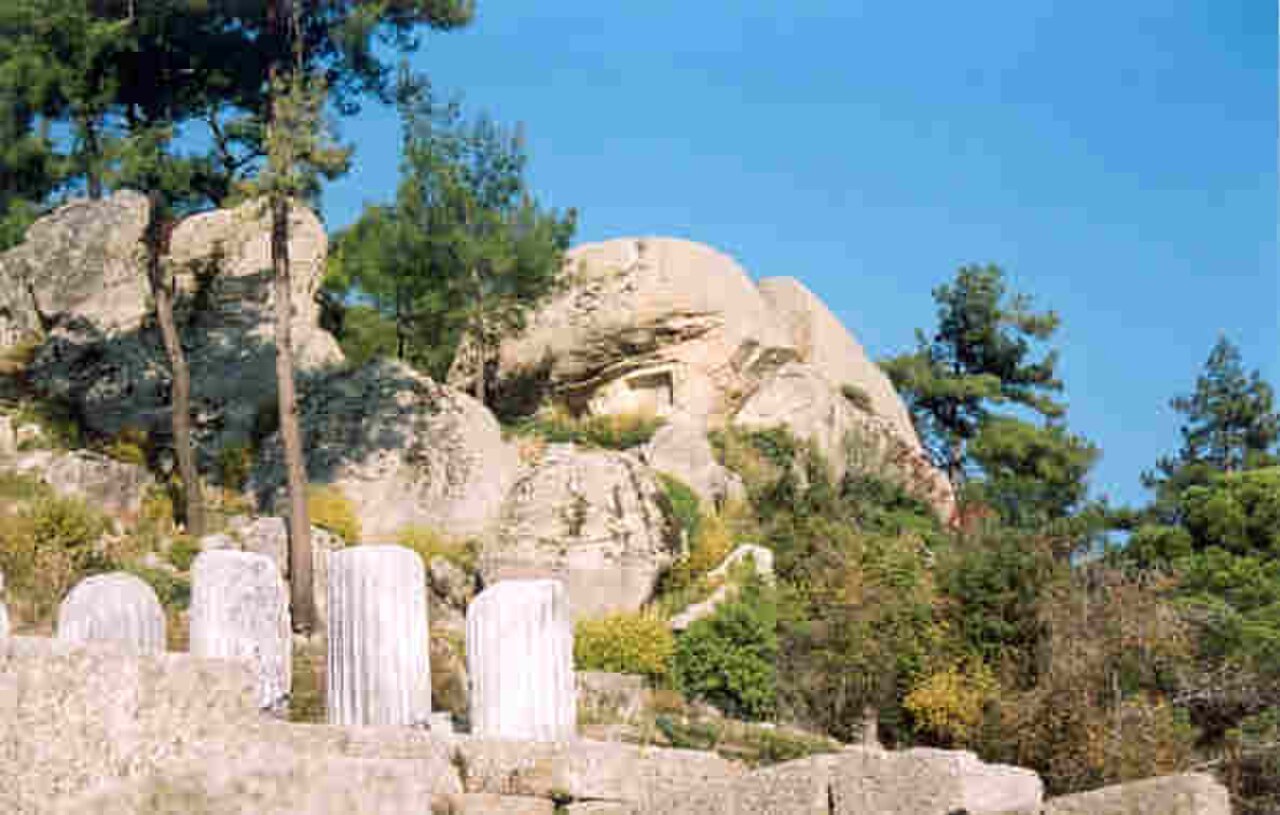
Euromus is an open-air archaeological site in Selimiye Mahallesi, within Muğla’s Milas district. The remains stand beside the Milas–Söke road, about 12 kilometres from Milas, and extend across outdoor routes rather than one enclosed museum. The principal landmark is the Temple of Zeus Lepsynos, joined by an agora, theatre, bathhouse and cemetery remains. Euromus suits travellers exploring the ancient landscape around Milas, especially visitors who want a surviving temple together with quieter civic and funerary remains in a roadside setting. Muğla’nın Milas ilçesindedir; örenyeri Selimiye Mahallesi sınırlarında bulunur. Milas–Söke karayolu üzerinde, Milas’tan yaklaşık 12 km uzaklıktadır. Zeus Lepsynos Tapınağı, agora, tiyatro, hamam ile güney ve kuzey nekropolündeki mezar yapıları görülebilir.
Checked 2026-09-02 · Source
The Temple of Zeus Lepsynos is Euromus’s defining monument. This Corinthian-order temple is dated to the 2nd century AD, and substantial columns and architectural elements remain visible. The agora indicates the civic centre of the ancient city, while the theatre occupies a slope north of the settlement. A bathhouse and tomb structures in the southern and northern necropolises expand the visit beyond the temple. Since the remains are distributed outdoors, look between the principal monuments and read Euromus as a sanctuary, city and burial landscape rather than a single isolated ruin.
Checked 2026-09-02 · Source
Allow roughly 60 to 90 minutes for a focused visit covering the Temple of Zeus Lepsynos, agora and theatre. Add time if you want to seek out the bathhouse and cemetery remains. The open-air layout involves walking between separated archaeological areas, and the theatre stands on a hillside north of the ancient city. A short stop can focus on the temple, but it omits much of the civic and funerary context. Include time for parking, orientation and uneven ground; photographers and visitors examining both necropolises should use the longer end of the range.
Checked 2026-09-02 · Source
From 1 May through 1 October 2026, Euromus is open daily from 08:30 to 19:00, with the ticket office closing at 18:30. The published winter schedule runs from 1 October 2025 through 1 April 2026, opening 08:30 to 17:30 with ticket sales ending at 17:00. For a September 2026 visit, follow the summer schedule and arrive before the ticket-office cutoff. Morning or late afternoon is more comfortable for this exposed outdoor site, particularly when walking between the temple, theatre and necropolises.
Checked 2026-09-02 · Source
General adult admission to Euromus is €3, and the site accepts Müzekart. The ticket-office deadline is earlier than the closing time: during summer, ticket sales end at 18:30 although the archaeological area remains open until 19:00; during winter, sales end at 17:00 before the 17:30 close. The supplied research does not state separate child, concession or group prices. Plan entry around the ticket-office cutoff, because the open-air remains are spread across several routes and a late arrival leaves less time to see them.
Checked 2026-09-02 · Source
Euromus is in Selimiye Mahallesi on the Milas–Söke highway, approximately 12 kilometres from Milas. By car, follow the main road and allow for the final walk from the roadside access into the open-air archaeological area. A public Milas–Selimiye–Bafa route operates between Milas and Selimiye, but the supplied operator information does not specify a dedicated stop or the exact final walking connection. Bus travellers should confirm the drop-off point and prepare for the roadside approach. The location is convenient for journeys toward Söke or Bafa, but requires careful orientation near the highway.
Checked 2026-09-02 · Source
Euromus is an open-air archaeological site, not a fully level museum circuit. The remains lie along outdoor routes, and the theatre is on a slope north of the ancient city, so expect uneven ground and walking between monuments. Official information does not describe continuous step-free access throughout the route; accessibility should therefore be treated as limited. Visitors with reduced mobility should assess conditions on arrival. In warm weather, carry water because the supplied operator research does not confirm drinking-water points, toilets or baby-changing facilities on site.
Checked 2026-09-02 · Source
The strongest photographs place the Temple of Zeus Lepsynos within its open landscape, using the surviving columns and architectural details to show the monument’s scale. Morning or late-afternoon light can separate the stonework from the background. The theatre offers a different hillside composition, while the agora, bathhouse and necropolises reward wider contextual images. Include the surrounding setting where it explains Euromus’s roadside position, but remain on the visitor route and do not climb or lean on ancient masonry. A sequence of wider views can show how sanctuary, civic space and burial grounds are distributed.
Checked 2026-09-02 · Source
Euromus is in Muğla’s Milas district, within the boundaries of Selimiye Mahallesi.
The archaeological site is on the Milas–Söke highway, approximately 12 kilometres from Milas.
You can see the Temple of Zeus Lepsynos, the agora, theatre, bathhouse and tomb structures in the southern and northern necropolises.
General adult admission is €3, and entry is also available with Müzekart.
The Corinthian-order temple is dated to the 2nd century AD.
The theatre is thought to have been built around 250–200 BC.
Loading the interactive map…
The interactive map could not be loaded.

Last updated:
Source: OpenStreetMap contributors, Wikidata ·