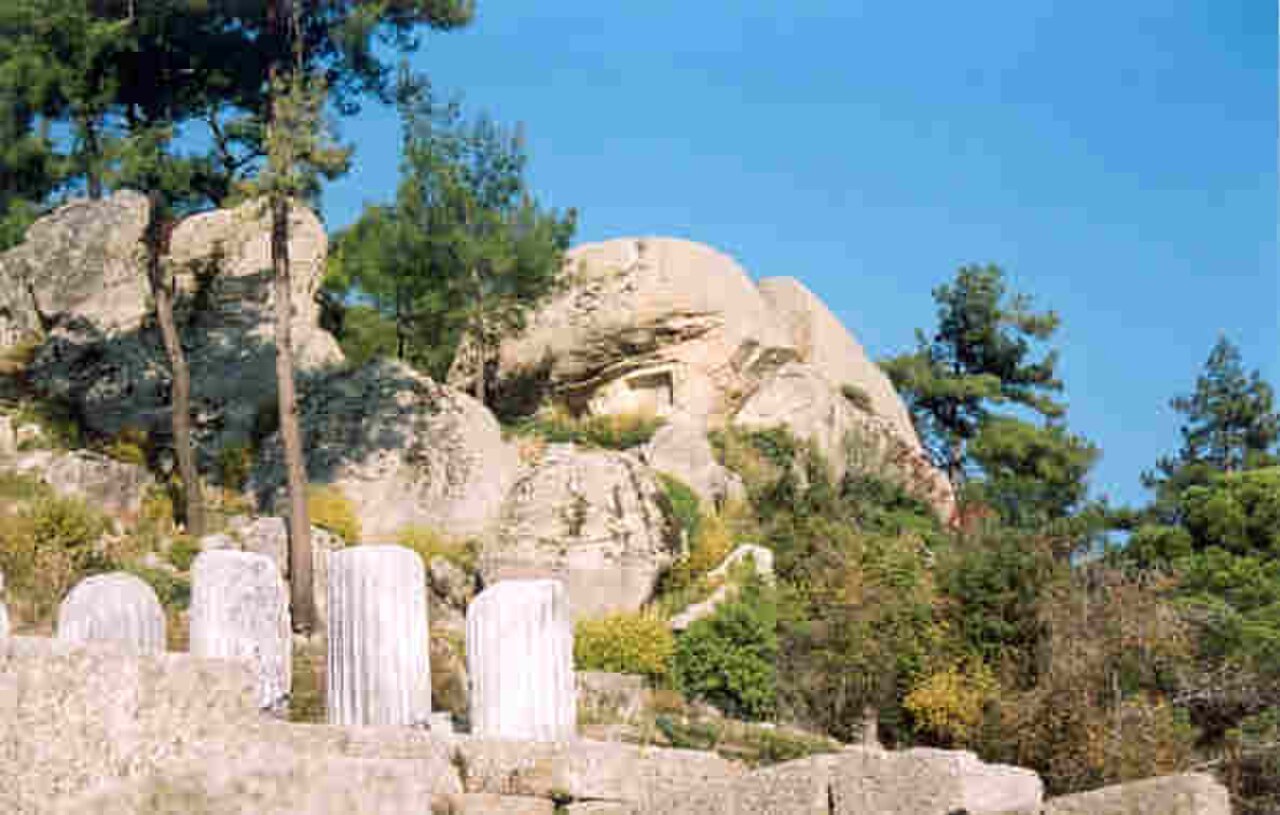
152 min walk · Milas
Labraunda
- Must see
- Historic monument
Language · 11 published
Museum · Milas, Muğla
Milas Müzesi
| Monday | Closed |
|---|---|
| Tuesday | 08:30 – 19:00 |
| Wednesday | 08:30 – 19:00 |
| Thursday | 08:30 – 19:00 |
| Friday | 08:30 – 19:00 |
| Saturday | 08:30 – 19:00 |
| Sunday | 08:30 – 19:00 |
Checked 2026-09-02 · Source
Read from the OpenStreetMap access tags; anything not listed has no tag recorded.
Set the group type to family in the planner and the day window contracts to about three quarters of a solo day.
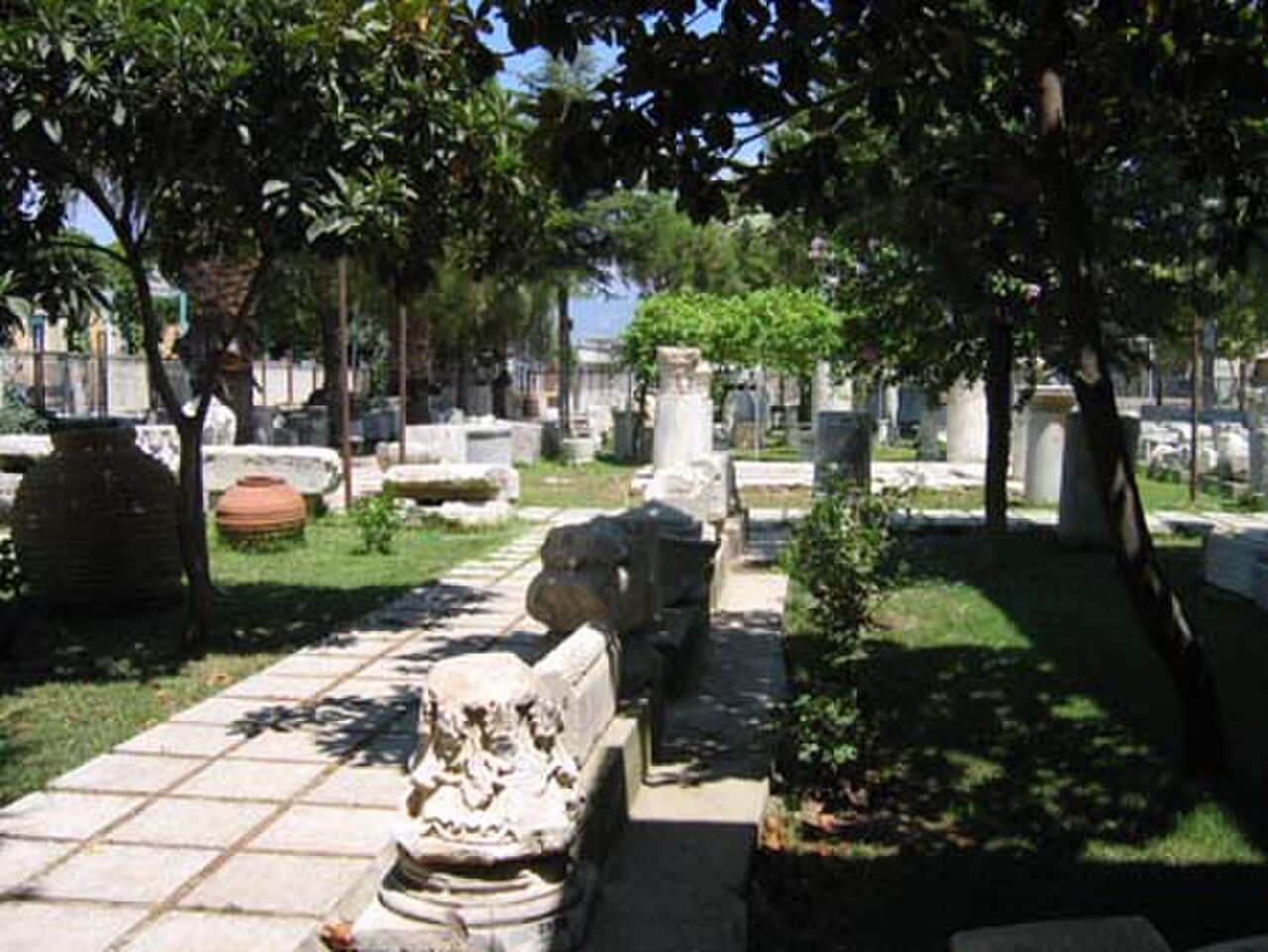
Milas Museum is a local museum in Milas, Muğla, founded in 1987 and devoted to the archaeological and ethnographic heritage of the surrounding region. It brings together finds from major ancient sites around Milas with displays of regional cultural history, making it a useful first stop before visiting the ruins and historic quarters that shaped the town’s identity. The museum stands at Hoca Bedrettin–Hisarbaşı Mahallesi, Tabakhane Caddesi No:30, in the city centre. Its location makes the visit practical for travellers who want historical context before continuing to archaeological sites outside town. The displays connect Milas with the settlements, trade routes and communities of the wider area.
Checked 2026-09-02 · Source
The collections combine archaeology and ethnography. The museum displays 3,025 archaeological objects and 164 ethnographic objects, while its collection also includes 1,174 coins. Much of the archaeological material comes from Stratonikeia, Iasos, Hydai at Damlıboğaz and Beçin, giving the displays a strong local focus rather than presenting an unrelated national survey. Begin with the site-based archaeological material and note each find’s provenance, then give the ethnographic cases time to show how the region’s later cultural character differs from its ancient remains. The contrast is useful when planning visits to both ancient ruins and Milas itself.
Checked 2026-09-02 · Source
Allow about 45 to 75 minutes for a purposeful visit. The archaeological collection deserves the larger share of your time, especially if you are using the museum to prepare for Stratonikeia, Iasos, Hydai or Beçin. Add time for the ethnographic section and for reading labels rather than treating the museum as a quick photo stop. A longer visit is worthwhile if you want to compare the objects with sites you will see later in the Milas area. With children, a shorter route through the main archaeological themes may be easier than inspecting every case.
Checked 2026-09-02 · Source
The published summer schedule runs from 1 April to 1 October, with visiting hours listed as 08:30–19:00 and the ticket office closing at 18:30. The supplied operator note also states that the museum is closed on Mondays, so Monday should be treated as a closure day when planning. Visit early for cooler conditions and a quieter reading experience, or arrive well before the 18:30 ticket-office deadline. Morning is also the safest choice for combining the collection with a town walk and any onward drive to an ancient site near Milas.
Checked 2026-09-02 · Source
General admission is listed at €3 per person, and the research says the museum can also be visited with Müzekart. Carry the card if you have one, and keep the single-ticket amount in mind when budgeting a museum-and-ruins day around Milas. The ticket office closes at 18:30 during the published 08:30–19:00 season, so arriving after that time risks losing entry even if the building remains open until 19:00. Buy admission before beginning a long look through the galleries and avoid a last-minute arrival.
Checked 2026-09-02 · Source
The museum is at Hoca Bedrettin–Hisarbaşı Mahallesi, Tabakhane Caddesi No:30, in central Milas. Its city-centre position makes it practical to combine with a walking circuit through Milas rather than treating it as an isolated excursion. For visitors arriving by air, Milas–Bodrum Airport is the area’s arrival point; continue into Milas and make Tabakhane Caddesi your local destination. Give the full street address to a driver, because the neighbourhood reference is more useful locally than searching only for the English museum name.
Checked 2026-09-02 · Source
Plan for a two-storey building set within an approximately 1.5-decare garden. The supplied accessibility research does not identify a wheelchair ramp or lift, so step-free movement through every part of the museum cannot be assumed. Step-free access is therefore limited, and visitors using wheelchairs or pushchairs should contact the responsible museum service before travelling if access to upper-level displays is essential. The garden setting does not remove the building’s internal access constraint. Monday closure is another practical trap: the seasonal schedule says every day, while the supplied operator note specifically says Monday is closed.
Checked 2026-09-02 · Source
Use photography to record the visit’s main themes rather than rushing through every case. The most useful comparisons are between objects from Stratonikeia, Iasos, Hydai and Beçin and the landscapes or ruins associated with them. Photograph labels only where permitted, because label details help you remember provenance after leaving Milas. The archaeological emphasis rewards close observation of forms, materials and inscriptions, while the ethnography section adds a contrasting view of regional life beyond the ancient sites. A simple record of site names, object types and dates can make the museum more valuable when you later reach the ruins.
Checked 2026-09-02 · Source
Milas Museum was founded in 1987.
It has archaeology and ethnography collections.
The museum displays 3,025 archaeological objects.
The museum displays 164 ethnographic objects.
The collection includes 1,174 coins.
Most exhibits come from finds at Stratonikeia, Iasos, Hydai at Damlıboğaz and Beçin.
Loading the interactive map…
The interactive map could not be loaded.
Last updated:
Source: OpenStreetMap contributors, Wikidata ·


