City guide
Seoul: 12 Essential Things to Do
Editorial responsibility: Elena Voss · SSMTour Travel Editor


Choose Seoul sights that match your interests, from Joseon palaces and a royal shrine to hanok lanes, Korean collections, a market, stream and city view.
This guide is part of our Seoul destination coverage. Seoul
1. Gyeongbokgung Palace
Begin with Gyeongbokgung Palace when you want the clearest introduction to the Joseon capital. Korea Heritage Service identifies it as the dynasty’s primary palace, established in 1395 after Joseon was founded in 1392. Gwanghwamun opens toward the former ceremonial avenue, while Bugaksan rises behind the compound. That urban alignment makes the palace more than a collection of painted halls: it explains how royal authority, mountains and the planned capital were placed in relation to one another.
Follow the sequence of gates and courts before seeking the quieter residential buildings, ponds and pavilions. The site’s history is also a history of destruction and reconstruction. It was ruined during the 1592 invasion, rebuilt in 1867, dismantled extensively during the colonial period and restored in phases from the 1990s onward. Look for that layered history instead of treating every structure as an untouched survival from 1395. Gyeongbokgung is the strongest first choice for scale, state ceremony and the changing physical record of the capital.
Checked 2026-09-08 · Official site · royal.khs.go.kr
2. Changdeokgung Palace
.jpg)
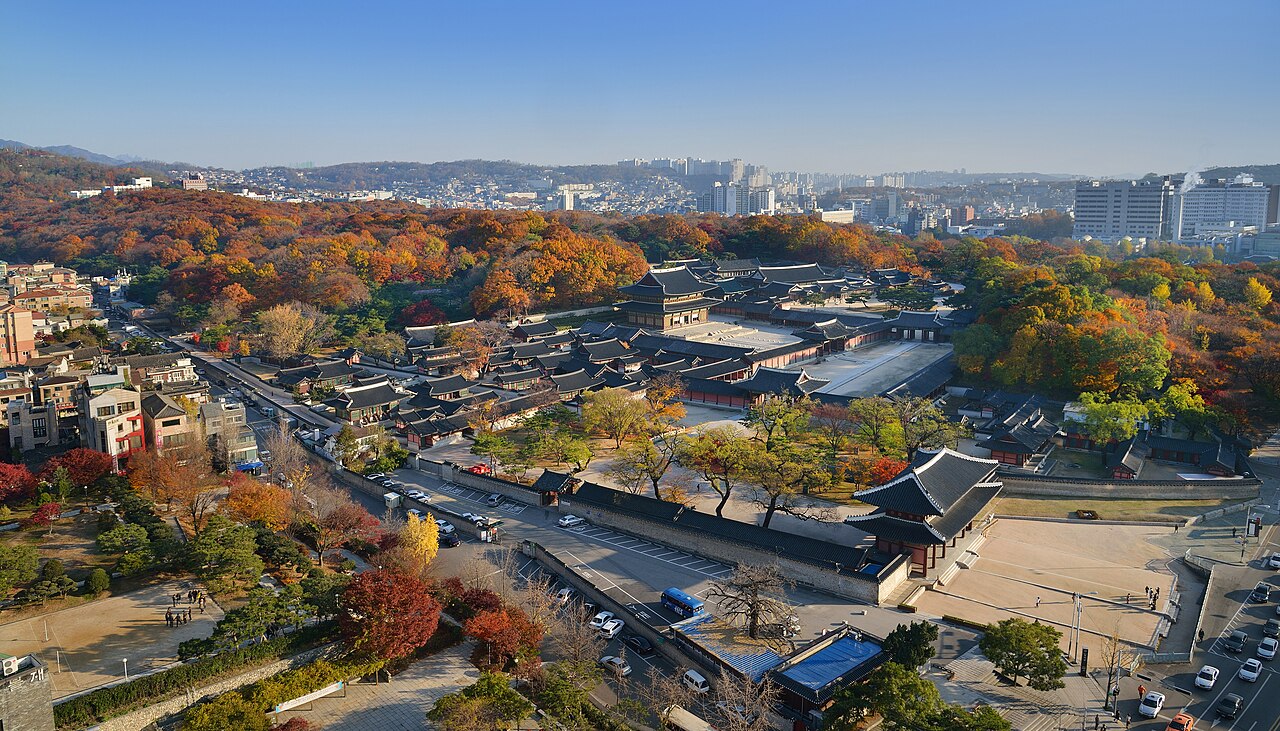
Choose Changdeokgung Palace for a palace shaped around terrain rather than a monumental straight axis. Built in 1405 as a secondary palace, it was reconstructed in 1610 after the sixteenth-century invasion and then served as the principal royal residence for roughly 270 years. Its long use matters: Changdeokgung was not simply a spare version of Gyeongbokgung, but a working centre of court life across much of the later Joseon period.
The distinguishing feature is the relationship between official courts, residential quarters and the wooded rear garden. UNESCO describes the buildings as integrated with the foot of the mountain and the garden as a sequence of terraces, trees, ponds and pavilions. Read the uneven ground as part of the design. Views open gradually, and buildings respond to the landscape rather than forcing it into a rigid grid. This is the palace to prioritize when architecture, garden design and topography matter more than sheer ceremonial scale. Garden access and visitor arrangements can change, so confirm the current operator information before building the day around a particular interior or route.
Checked 2026-09-08 · Official site · royal.khs.go.kr
Checked 2026-09-08 · Official site · whc.unesco.org
3. Bukchon Hanok Village
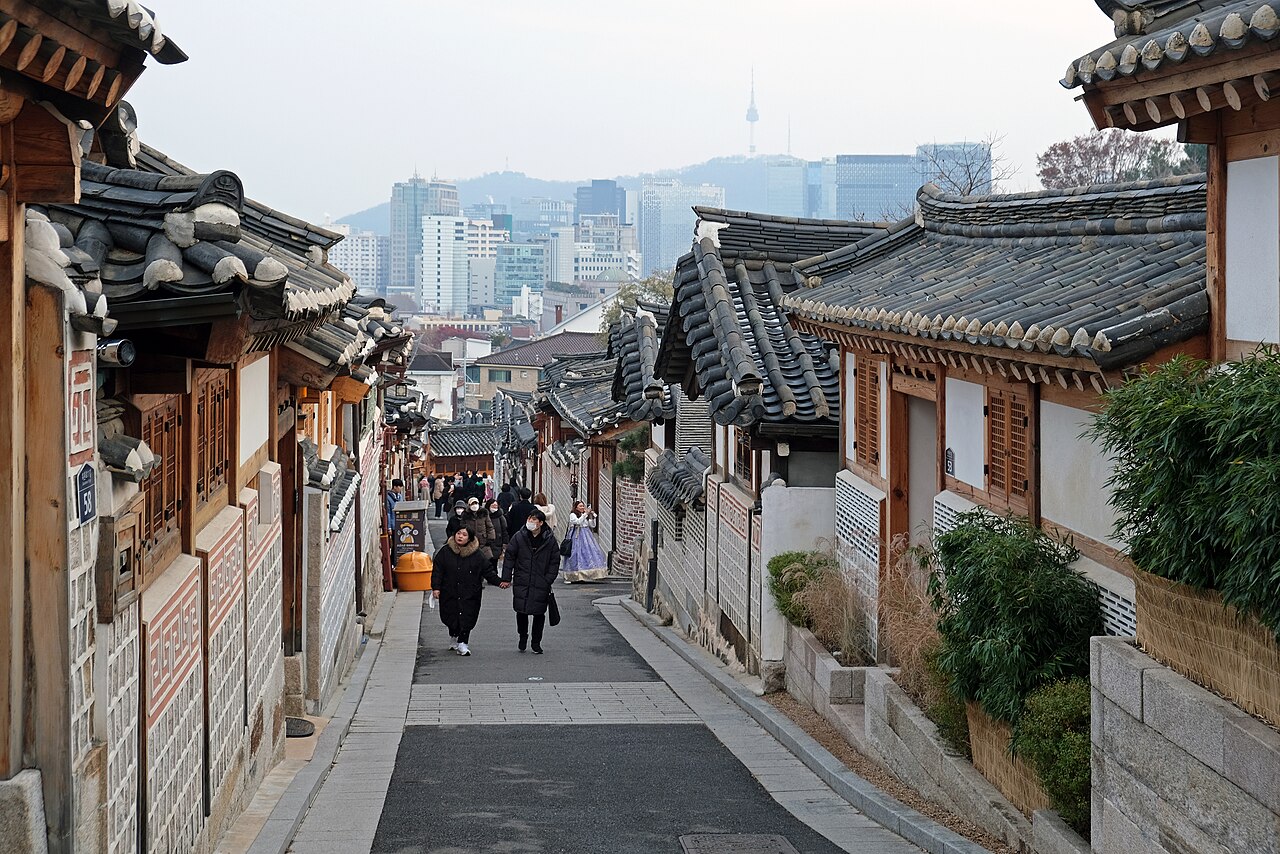

Treat Bukchon Hanok Village as a residential neighbourhood, not an outdoor museum. Its lanes hold dense groups of hanok between Gyeongbokgung, Changdeokgung and Jongmyo, and the official Seoul guide points visitors toward architectural details, small cultural spaces and the historic street pattern. The most useful experience is a quiet walk that notices rooflines, walls, gates and the slope of the district without turning private homes into exhibits.
Resident protection determines how this stop must be planned. Visit Seoul states that the special-management red zone restricts tourist access to 10:00–17:00 and asks visitors to keep groups small, minimize noise, avoid litter and never photograph inside houses or over walls. Check the current zone map before entering because the restriction applies to marked streets rather than every commercial address in the wider district. If the route is crowded, shorten the residential section instead of waiting outside a doorway or blocking a lane. Bukchon is worthwhile when respectful urban observation interests you; it is a poor choice for visitors seeking unrestricted evening photography or staged access to private interiors.
Checked 2026-09-08 · Official site · english.visitseoul.net
Checked 2026-09-08 · Official site · english.seoul.go.kr
4. Jongmyo Shrine


Visit Jongmyo Shrine to understand the ritual counterpart to Seoul’s palaces. Established in 1395, the shrine houses ancestral tablets of Joseon kings and queens and of emperors and empresses of the Korean Empire. Its elongated halls, enclosed courts and restrained landscape were made for state ancestral rites rather than royal residence. The architecture therefore asks for a different kind of attention from the painted palace compounds nearby.
Focus on the Main Hall and Yeongnyeongjeon as spaces organized by lineage, protocol and repeated bays. Korea Heritage Service explains that the complex expanded as tablets were retained or transferred under changing ritual rules. Jongmyo Jerye and its court music preserve an associated ceremonial tradition, recognized in Korea and by UNESCO as intangible heritage. Do not expect the normal bustle of a palace attraction or treat the stone paths as casual shortcuts. This stop rewards visitors interested in Confucian state ritual, architectural rhythm and the relationship between built heritage and living performance practice. Current entry format can vary, so use the operator’s live guidance rather than assuming a free-flow route.
Checked 2026-09-08 · Official site · royal.khs.go.kr
Checked 2026-09-08 · Official site · royal.khs.go.kr
5. National Museum of Korea


Use the National Museum of Korea to connect the palace quarter with a much longer account of Korean material culture. Its permanent display is divided across six broad areas: prehistory and ancient history; medieval and early modern history; calligraphy and painting; donated works; sculpture and crafts; and world art. The range is too large for an unfocused sweep, so choose a route before entering.
A first visit can follow chronology from early archaeology through Goryeo and Joseon, or concentrate on one material such as celadon, metalwork, Buddhist sculpture or painting. The Room of Quiet Contemplation brings two pensive bodhisattva statues into a deliberately focused setting, while the Path to History helps orient the larger building. The museum’s own visitor trails identify selected masterpieces for people who do not want to cover every gallery. This is the best choice in the list for deep collection study and a weather-resilient day. Check the museum’s current notices before travelling because individual galleries and special exhibitions can close independently of the main building.
Checked 2026-09-08 · Official site · www.museum.go.kr
Checked 2026-09-08 · Official site · www.museum.go.kr
6. Gwangjang Market


Go to Gwangjang Market for a working commercial space whose identity extends beyond its famous food lanes. Seoul Metropolitan Government traces the market to 1905 and describes both its prepared-food culture and its upper-level fabric trade. Hanbok materials, textiles, tailoring and vintage clothing are part of the place, so a visit that only photographs one snack queue misses much of the market’s continuing function.
Walk through once before choosing where to stop. That first pass shows which aisles are busy, where fabric and clothing sections begin, and whether the food area suits your group. Bindaetteok, small gimbap and beef dishes appear in the official city account, but a market-wide identity does not verify every stall’s menu, price, allergy handling or opening time. Ask the individual vendor when those details matter. Gwangjang is most useful as a contrast to the formal royal sites: it shows trade, craft and everyday consumption in the Jongno area. Keep bags close, avoid blocking narrow aisles and choose a quieter alternative if the central food lane is too congested for your group.
Checked 2026-09-08 · Official site · english.seoul.go.kr
Checked 2026-09-08 · Official site · english.seoul.go.kr
7. Cheonggyecheon
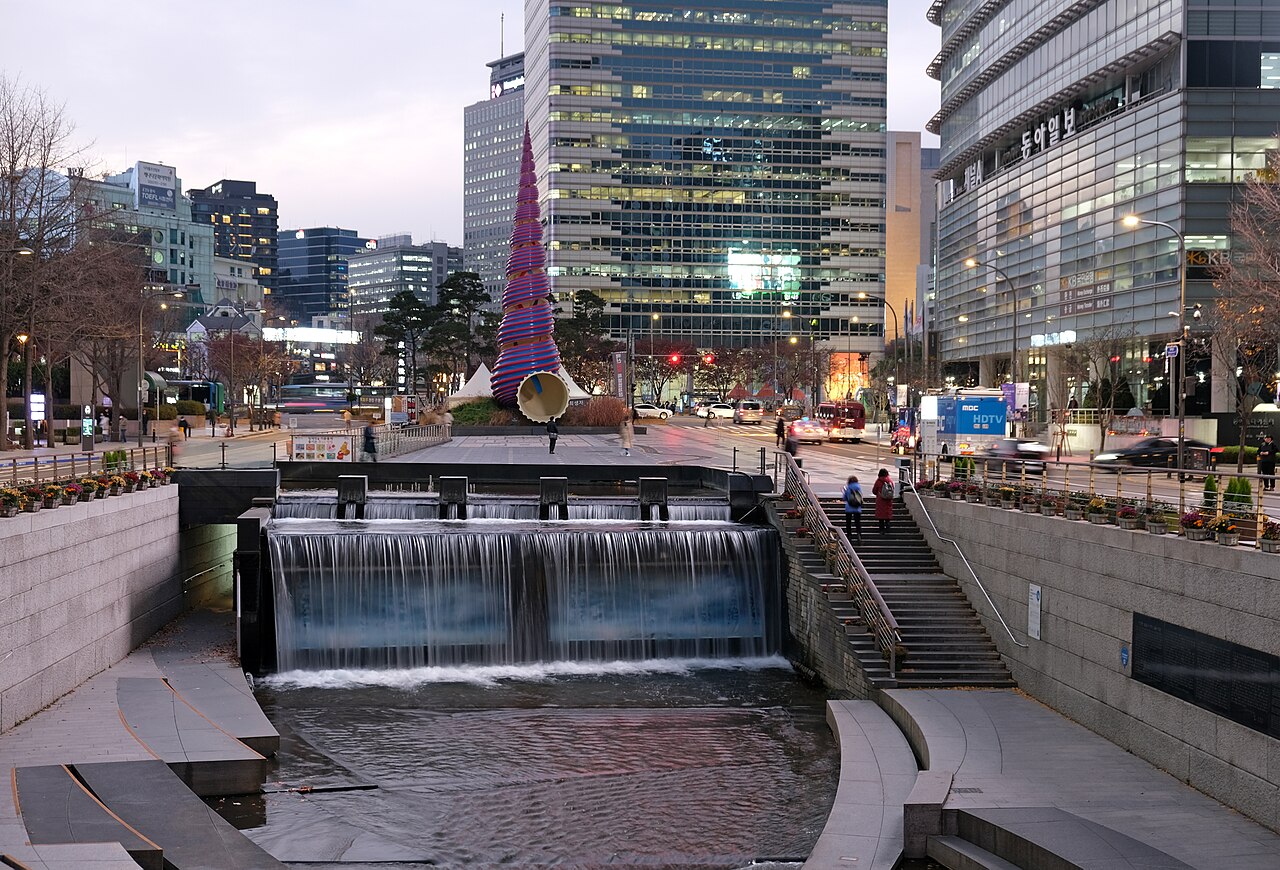

Use Cheonggyecheon as a linear pause through central Seoul rather than a single point to collect. The stream’s recent form comes from a major restoration undertaken from 2003 to 2005 after an earlier period of covering and road construction. Seoul Metropolitan Government records a 5.84-kilometre restored section with paths, bridges, planting and cultural features. Street level remains visibly urban, while the lower walkway changes the sound and pace of the centre.
Choose a segment that joins places already in your day. The western end works with the Gwanghwamun and central-business-district area; sections farther east can support Jongmyo, Gwangjang Market or Dongdaemun plans. There is no need to walk the whole restored corridor to understand it. Rain is the important exception: the city warns that water can rise rapidly, lower paths may be submerged and visitors must follow broadcasts, staff directions and the nearest exit rather than sheltering beneath bridges. Cheonggyecheon is best for an adaptable outdoor interval, urban-design interest and a low-commitment evening walk when current access conditions are safe.
Checked 2026-09-08 · Official site · english.seoul.go.kr
8. N Seoul Tower
.jpg)
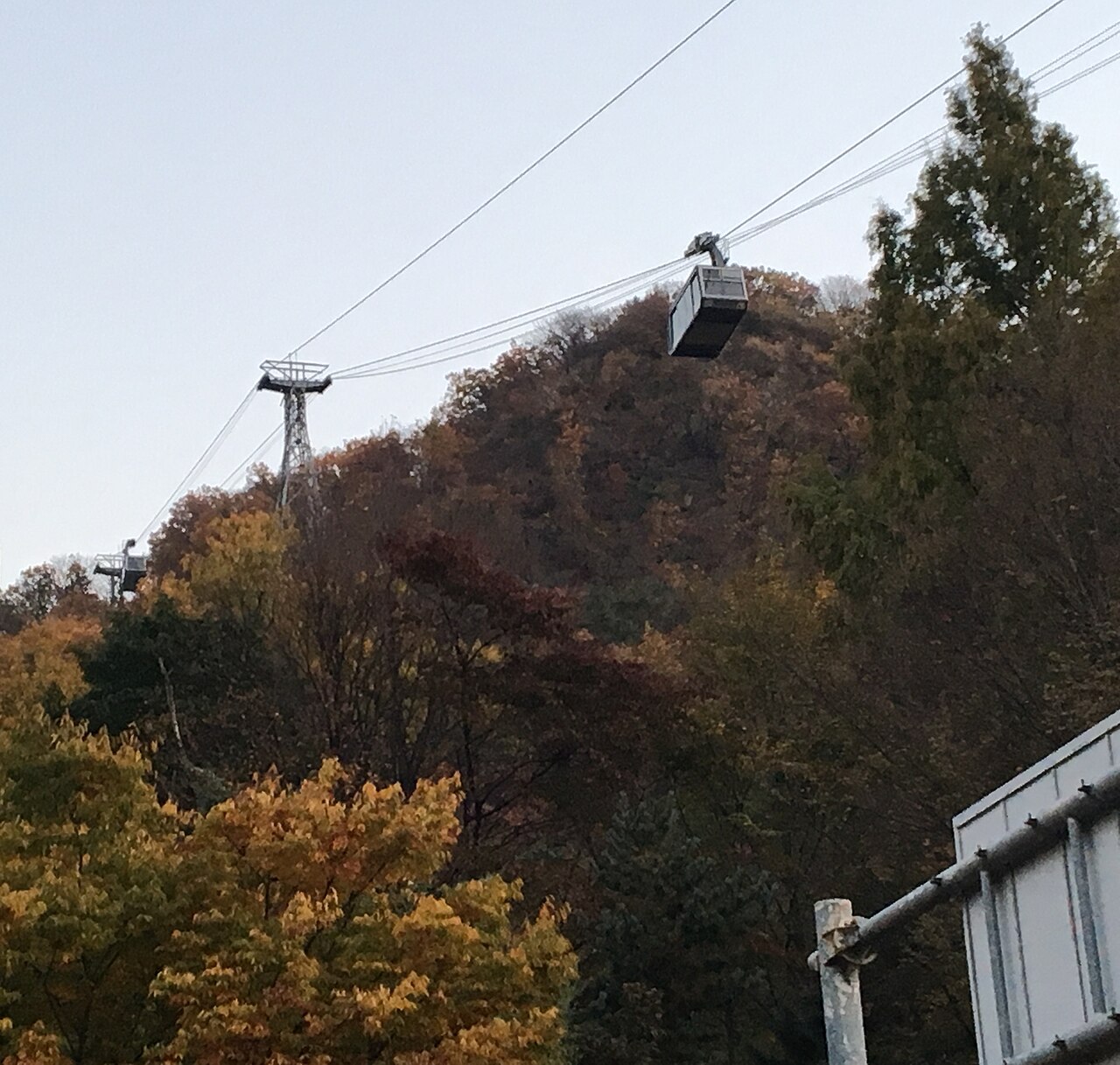
Choose N Seoul Tower when the purpose is to read Seoul’s geography from Namsan. The tower combines broadcasting infrastructure with an observation destination above the central city. Its position is more informative than the landmark silhouette alone: from the mountain, dense central districts, the Han River corridor and the ridges around the basin become easier to place in relation to one another.
Decide whether you need the paid observatory before arrival. The public mountain setting and the tower’s exterior can still provide a clear sense of place, while the enclosed viewpoint serves visitors who want a higher, structured panorama. Visibility, weather and crowding determine more than a fixed checklist does. Do not copy an old shuttle number, cable-car schedule, elevator claim or ticket price from a general article; confirm access and admission through the current operator when those details shape the visit. N Seoul Tower is the strongest finale in this list for orientation and skyline context, but it should replace another viewpoint rather than become an automatic extra after a tiring palace-and-museum day.
Checked 2026-09-08 · Official site · english.seoul.go.kr
Checked 2026-09-08 · Official site · english.seoul.go.kr
Choose the right royal site
The three royal sites answer different questions. Gyeongbokgung explains ceremonial scale, capital planning and the visible history of reconstruction. Changdeokgung shows how court buildings and a rear garden adapt to sloping terrain. Jongmyo removes residential life from the picture and concentrates on royal ancestry, Confucian ritual and the architecture of repeated bays. Visiting all three without a question in mind can make their roofs and courtyards blur together.
For a first short visit, choose Gyeongbokgung when the main-palace plan matters most. Choose Changdeokgung when landscape design and the long-used royal residence are the priority. Choose Jongmyo when ritual space and intangible heritage are the real interest. With more time, pair one palace with the shrine so the contrast remains visible; the second palace can follow on another day. Bukchon sits between these monuments geographically but is not a fourth royal compound. It is a living residential district governed by different rules. Keeping that distinction clear produces a more useful day than treating every traditional roof in Jongno as the same attraction.
Checked 2026-09-08 · Official site · royal.khs.go.kr
Checked 2026-09-08 · Official site · royal.khs.go.kr
Checked 2026-09-08 · Official site · royal.khs.go.kr
Choose collections, commerce or public space
The National Museum, Gwangjang Market and Cheonggyecheon provide three different ways to step outside palace history. The museum rewards sustained attention to objects and chronology. The market reveals active textile, clothing and food trades through crowded aisles. The stream offers a flexible piece of public landscape within the dense centre. They should not be compressed into one generic “local culture” category.
Choose the National Museum when weather is poor, the group wants a substantial indoor anchor or Korean art and archaeology deserve most of the day. Choose Gwangjang when commerce, fabric and food culture matter and the group can tolerate congestion. Choose Cheonggyecheon for a lighter transition that can expand or contract without losing a booked entry. The market and stream fit naturally into a Jongno day; the museum belongs in Yongsan and needs a deliberate transfer. If attention is limited, protect one strong collection route instead of adding a market photo stop. If the day already contains a long palace interior, use the stream or market to change pace rather than adding another large institution.
Checked 2026-09-08 · Official site · www.museum.go.kr
Checked 2026-09-08 · Official site · english.seoul.go.kr
Checked 2026-09-08 · Official site · english.seoul.go.kr
Group Seoul sights by geography
Keep the palace quarter and eastern Jongno as one broad planning zone, but do not assume every adjacent-looking stop fits the same day. Gyeongbokgung anchors the west side of the historic core. Bukchon rises between the major palaces, while Changdeokgung and Jongmyo sit farther east. Gwangjang Market and the useful central sections of Cheonggyecheon continue the route toward Dongdaemun. The 2026 Seoul guide treats these as distinct walks and neighbourhood groups, which is a better model than drawing one line through every pin.
The National Museum belongs south in Yongsan, and N Seoul Tower belongs on Namsan. Give each of those a separate transfer decision. A museum visit that runs long should not be punished with a rushed climb or viewpoint queue. Likewise, a clear late afternoon on Namsan need not include a major collection first. Use the historic core for a walking cluster, the market and stream for flexible connectors, and the museum or tower as a deliberate outer anchor. This geography makes it easy to drop the last stop without breaking the rest of the day.
- Gyeongbokgung Palace
- Bukchon Hanok Village
- Changdeokgung Palace
- Jongmyo Shrine
- Gwangjang Market
- Cheonggyecheon
- National Museum of Korea
- N Seoul Tower
Checked 2026-09-08 · Official site · english.seoul.go.kr
What to skip when time is short
Skip repetition before skipping contrast. On a one-day visit, one palace can explain royal architecture; adding a second palace usually contributes less than pairing the first with Jongmyo, the market or the stream. If the group is not interested in collections, do not reserve a large block for the National Museum merely because it is important. If visibility is poor or the group is tired, N Seoul Tower can wait. The view is valuable when it helps you read the city, not when it becomes an obligation.
Bukchon should be the first stop removed when the only available time falls outside the official red-zone visiting window or when the group cannot move quietly through residential lanes. Cheonggyecheon should be removed during unsafe rain conditions, not replaced with a walk beneath bridges. At Gwangjang Market, skip the most congested aisle if it prevents the group from seeing the wider textile and clothing trade. A short Seoul visit works when each remaining stop has a distinct purpose: one royal site, one contrasting public or commercial place, and one collection or viewpoint only if energy and conditions support it.
- Gyeongbokgung Palace
- Changdeokgung Palace
- Jongmyo Shrine
- Bukchon Hanok Village
- Cheonggyecheon
- Gwangjang Market
- National Museum of Korea
- N Seoul Tower
Checked 2026-09-08 · Official site · english.seoul.go.kr
Checked 2026-09-08 · Official site · english.visitseoul.net
Checked 2026-09-08 · Official site · english.seoul.go.kr
Turn this list into a plan
Set your days, your pace and the hours you actually want to be out. The planner works around closing days and travel time, and leaves room to eat.