City guide
Lima: 12 Essential Things to Do
Editorial responsibility: Elena Voss · SSMTour Travel Editor
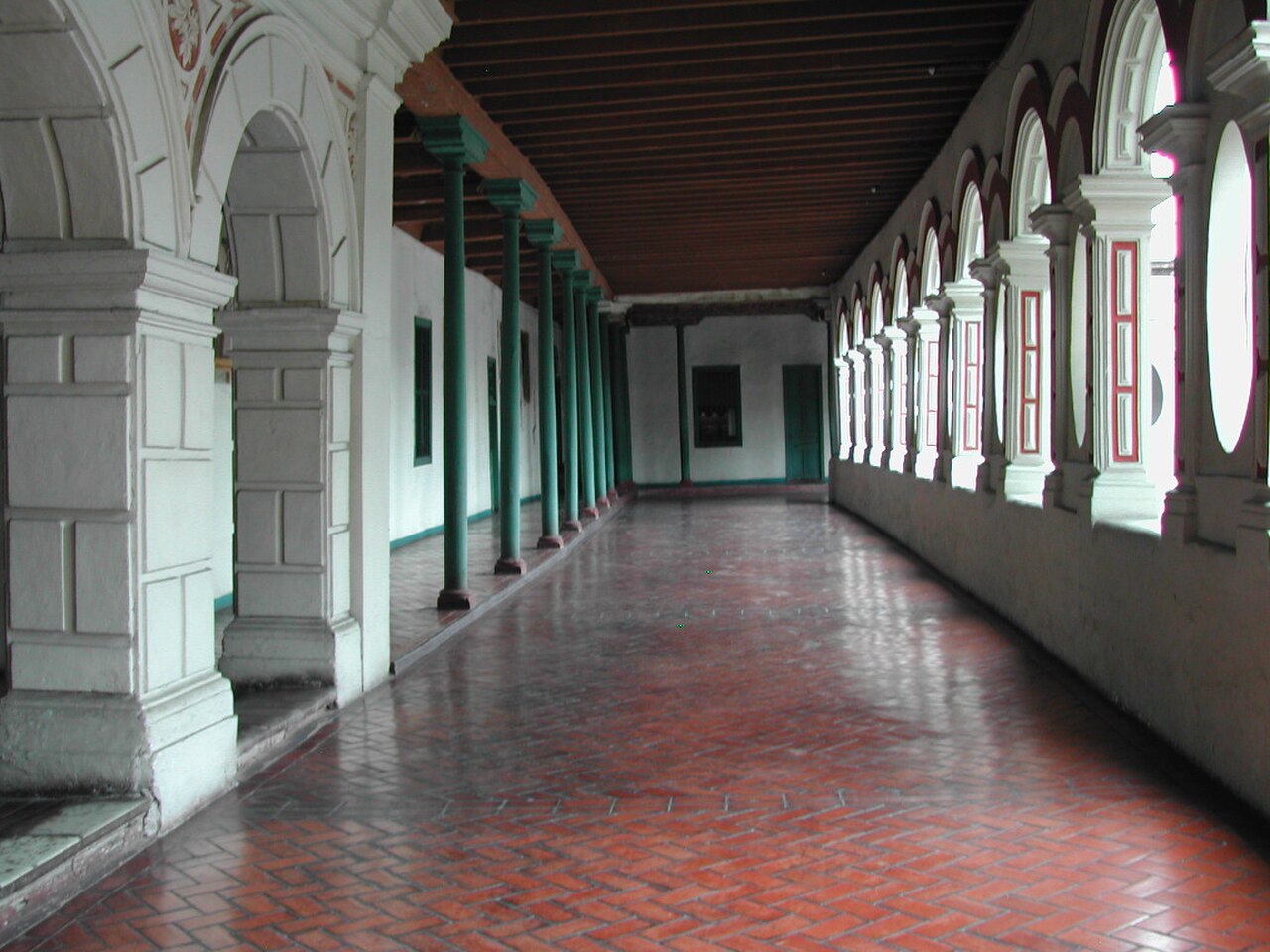

Choose Lima sights by district, from its UNESCO centre and pre-Columbian museums to Miraflores cliffs, Barranco streets and vast Pachacamac.
This guide is part of our Lima destination coverage. Lima
1. Historic Centre of Lima
Begin with the Historic Centre of Lima if this is your first visit. UNESCO describes Lima as the political, administrative, religious and economic capital of the Viceroyalty of Peru, and the surviving centre still makes that power legible through its street plan, churches, convents, civic buildings and enclosed wooden balconies. It is more than a backdrop around one square: the protected property reaches across ensembles on both sides of the Rímac and preserves architecture adapted to local materials and repeated earthquakes.
The centre is the broadest selection in this list because its subject is an urban ensemble, not one monument or collection. Its evidence ranges from the foundational grid to religious complexes, domestic balconies and spaces of government. That breadth rewards an interest in how a colonial capital functioned and changed after earthquakes. It is less suitable when the priority is a single concentrated display or a natural landscape. Plaza Mayor and San Francisco are components of the same World Heritage story; they refine the selection rather than duplicate the centre as separate themes.
Checked 2026-09-08 · Official site · whc.unesco.org
2. Plaza Mayor de Lima


Plaza Mayor de Lima is the clearest orientation point inside the historic centre. UNESCO identifies the ensemble around the former Plaza de Armas—including the cathedral, Sagrario chapel and Archbishop's Palace—as one of the surviving groups that communicates the city's colonial importance. Stand in the square before choosing an interior: the façades explain how religious and political authority were arranged around the same civic space, while the fountain fixes the centre of the composition.
Plaza Mayor earns attention as a civic composition. Religious and political façades face the same open space, making authority visible through placement and scale. The fountain and surrounding elevations provide an immediate reading even without entering a building. This is the strongest selection for visitors who want a concise introduction to the colonial city's ceremonial order. It is not an alternative to the Historic Centre of Lima, because the square belongs to that larger property; nor is it equivalent to San Francisco, whose significance lies in the coherence of a convent complex and its interior decoration.
Checked 2026-09-08 · Official site · whc.unesco.org
3. Convento de San Francisco
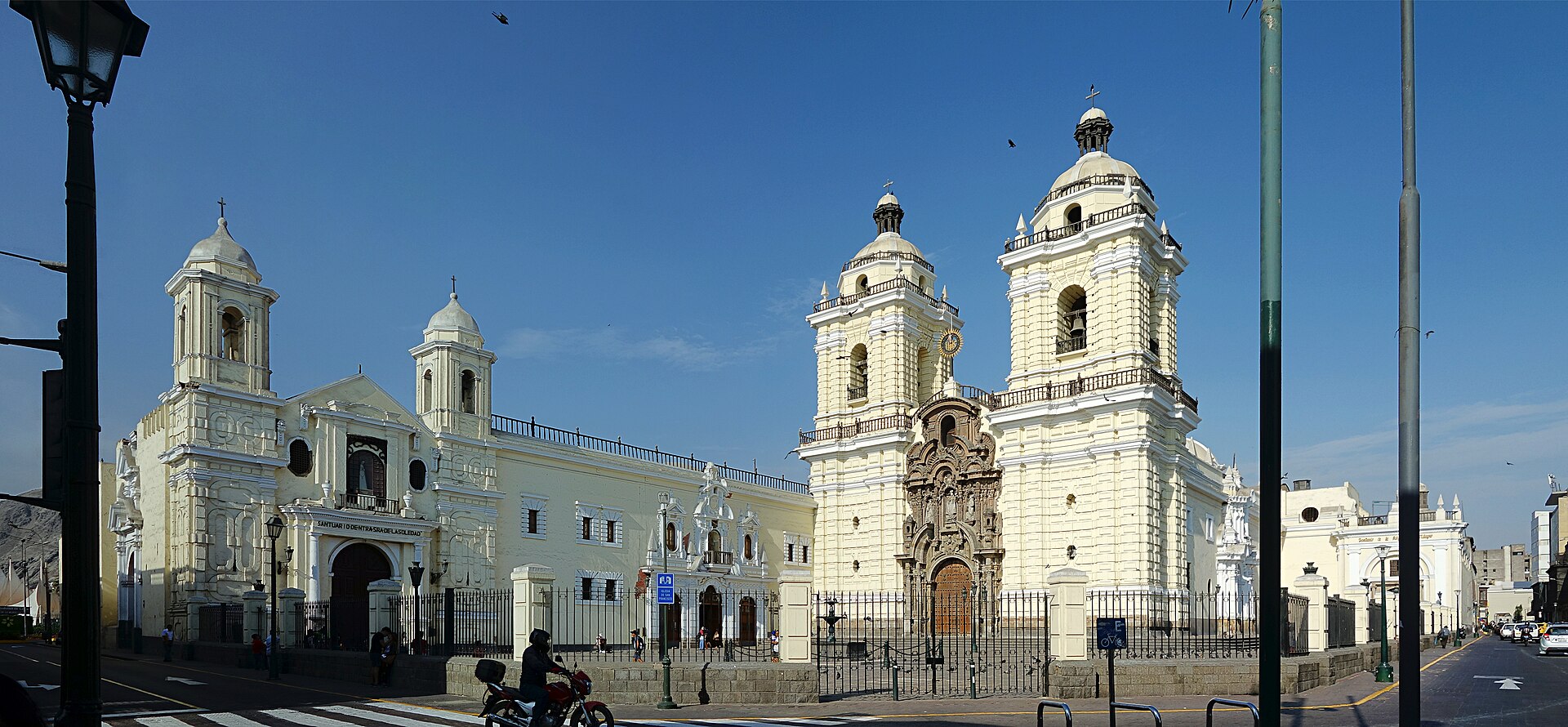

Choose the Convento de San Francisco for the historic centre's most complete single religious ensemble. The property first entered the World Heritage List as the Convent Ensemble of San Francisco before the inscription expanded to the wider Historic Centre of Lima. UNESCO still calls San Francisco an outstanding and unusually complete colonial convent complex, noting its scale, architectural coherence and rich interior decoration. That status makes it a more focused architectural visit than simply collecting church façades around the centre.
San Francisco is the specialist architectural selection among the central sights. Its completeness allows close comparison of spaces within one religious institution, whereas Plaza Mayor explains relationships among separate civic and ecclesiastical façades. The convent is especially relevant to interests in colonial religious architecture, decorative programmes and the survival of an integrated complex. Visitors mainly seeking pre-Columbian material should favour Museo Larco, Huaca Pucllana or Pachacamac. Those places belong to earlier cultures and different kinds of evidence, so fame alone is not a useful basis for substituting one for another.
Checked 2026-09-08 · Official site · whc.unesco.org
4. Museo Larco
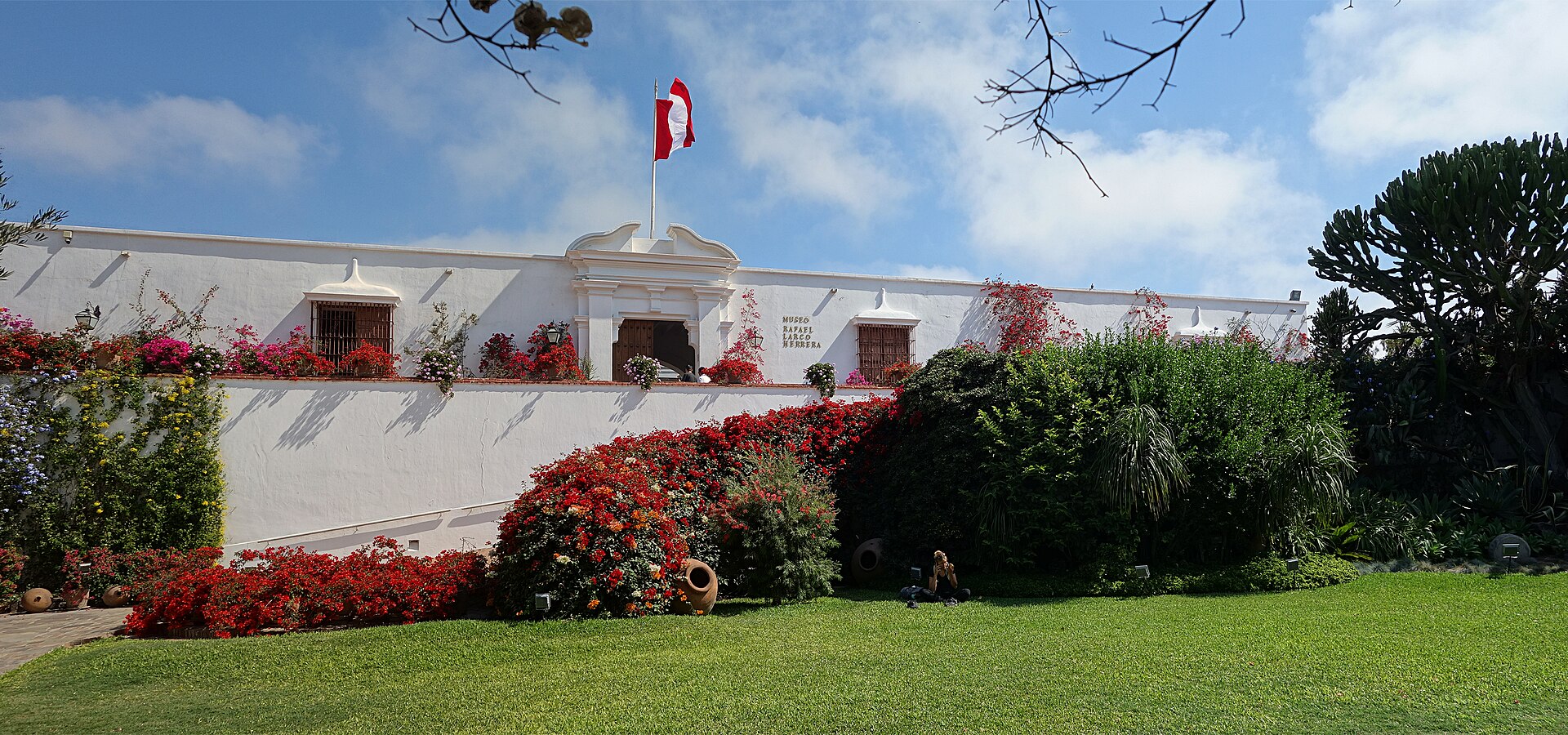

Museo Larco is the best compact introduction to ancient Peru before or after Lima's archaeological sites. The museum occupies an eighteenth-century viceregal mansion in Pueblo Libre, but its subject reaches much further back: the permanent exhibition presents more than 5,000 years of ancient Peruvian history through pre-Columbian art. The ticketed experience described by the operator includes the permanent exhibition, visible storage and the Checan erotic gallery, with gardens forming part of the setting.
Visible storage is the decisive distinction. The institution describes itself as an early museum adopter of public storage access and publishes its collection online, allowing ceramics and other objects to be compared beyond the edited permanent display. Museo Larco therefore suits people who learn through material, iconography, sequence and repeated forms. Huaca Pucllana instead makes an excavated structure and research site central; Pachacamac adds an extensive ceremonial landscape. The mansion and gardens enrich the setting, but the collection's chronological breadth is the principal reason to select this museum.
Checked 2026-09-08 · Official site · www.museolarco.org
Checked 2026-09-08 · Official site · www.museolarco.org
5. Huaca Pucllana


Huaca Pucllana makes pre-Columbian Lima visible inside the modern fabric of Miraflores. Peru's Ministry of Culture describes a site museum, an archaeological visitor circuit, a native flora and fauna park, and collections produced by excavations that began in 1981. The institution combines continuing research, conservation of earthen architecture and education, so the visit is not simply a viewpoint towards an isolated pyramid.
Pucllana is the most direct selection for examining archaeology as an active urban institution. Excavated objects, the earthen complex, conservation work and educational interpretation appear together, while modern Miraflores remains visible around them. That juxtaposition separates Pucllana from Museo Larco's collection-led survey and Pachacamac's extensive sanctuary landscape. The native flora and fauna component also broadens the subject beyond masonry alone. The Ministry lists distinct visitor formats, so the attraction should be selected for its research and site context; exact access arrangements remain a later check with the responsible institution.
Checked 2026-09-08 · Official site · museos.cultura.pe
6. Malecón de Miraflores
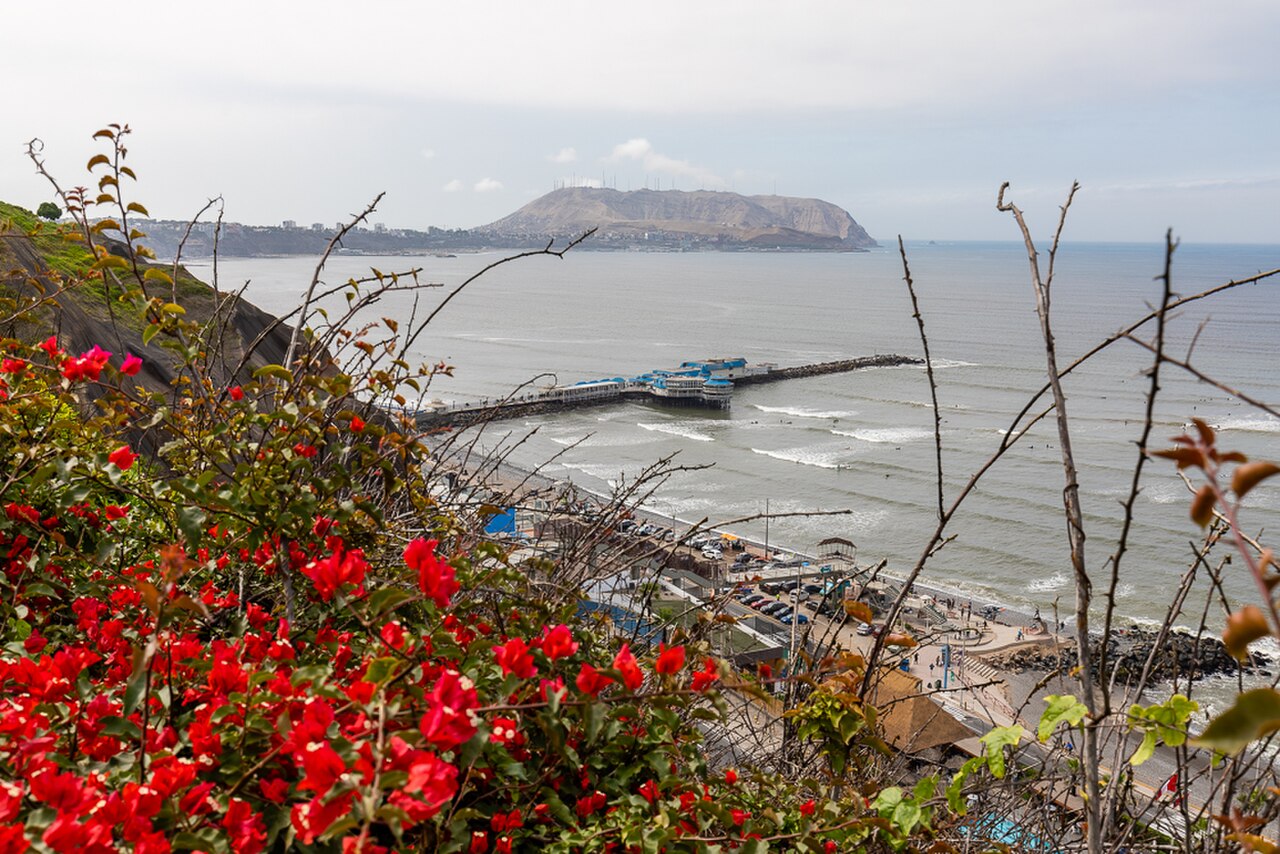

The Malecón de Miraflores is Lima's essential outdoor contrast to museums and colonial streets. Miraflores municipality describes the central Malecón Cisneros section as a chain of parks, gardens, sports areas, exercise stations and monuments running along the cliffs. The wider municipal tourism material highlights the malecones, Parque del Amor, beaches and Huaca Pucllana as defining visitor resources of the district. This is therefore a linear urban landscape, not one lookout to photograph and leave.
Its appeal lies in the civic landscape as a whole: planted spaces, recreation, public art and the cliff edge create a continuous relationship with the Pacific. Parque del Amor supplies the best-known focal work through Víctor Delfín's El Beso and its mosaic setting, while Malecón Cisneros demonstrates the broader park system. Municipal information notes both stairs and wheelchair ramps there, though the upper parks and beach descent remain different environments. Select the malecón for open air, urban landscape design and changing coastal viewpoints, rather than for a single enclosed sight.
Checked 2026-09-08 · Official site · www.miraflores.gob.pe
Checked 2026-09-08 · Official site · www.miraflores.gob.pe
7. Puente de los Suspiros


Use the Puente de los Suspiros as the hinge of a Barranco walk, not as a stand-alone cross-city photo stop. Barranco municipality dates the wooden bridge to 14 February 1876 and explains that it joined the two sides of the ravine. The municipality's tourism route connects it with Bajada de Baños, the Ermita, parks, historic houses, galleries and viewpoints, which is the useful scale for a visit.
The bridge is most valuable as an emblem within Barranco's cultural landscape. Its timber structure, ravine position, local legends and association with Chabuca Granda give it meanings that a photograph of the crossing alone cannot convey. Bajada de Baños, the Ermita, historic houses and artistic venues supply the surrounding context identified by the municipality. Select this sight for neighbourhood character, public memory and the relationship between a landmark and the streets around it. The malecón offers broader Pacific scenery; the bridge offers a smaller and more culturally specific setting.
Checked 2026-09-08 · Official site · munibarranco.gob.pe
Checked 2026-09-08 · Official site · munibarranco.gob.pe
8. Pachacamac
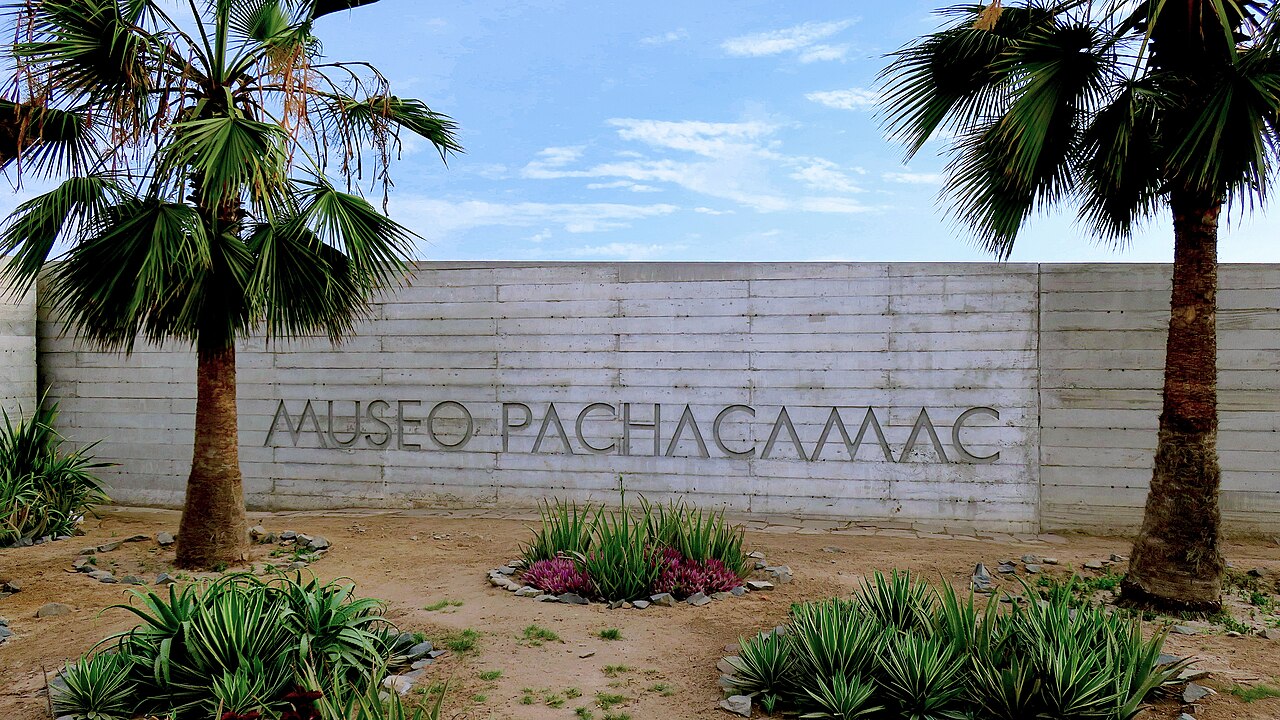

Reserve Pachacamac for the day when a large archaeological landscape outranks another urban attraction. The Ministry of Culture museum presents Pachacamac as a sanctuary watched over by its oracle for more than 1,200 years. Its official visitor material describes an archaeological circuit of about three kilometres through different buildings and the monumental urban layout, plus a site museum with a permanent exhibition and visitor facilities. This is a fundamentally larger commitment than Huaca Pucllana.
Pachacamac is the selection that makes terrain, processional distance and the organisation of a sanctuary central to understanding the site. The museum supplies objects and interpretation, but the monumental layout distinguishes it from a collection viewed inside one building. Huaca Pucllana offers archaeology embedded in present-day Miraflores; Museo Larco offers breadth through art and visible storage. Pachacamac instead demonstrates long sacred use across an expansive complex in Lurín. Visitors interested in scale, landscape archaeology and the relationship among multiple structures will gain the clearest contrast here.
Checked 2026-09-08 · Official site · pachacamac.cultura.pe
Checked 2026-09-08 · Official site · pachacamac.cultura.pe
Choose Lima sights by what you want to understand
Sort the shortlist by evidence. The Historic Centre of Lima explains a colonial capital through an ensemble; Plaza Mayor isolates civic and religious composition; San Francisco concentrates on one exceptionally complete convent. Those three selections move from the city scale to the square and then to a single institution.
Ancient Peru presents a different choice. Museo Larco privileges objects, iconography and chronology. Huaca Pucllana combines excavated architecture with conservation and research in a modern neighbourhood. Pachacamac foregrounds sacred terrain and monumental organisation. The distinction is collection, urban excavation or sanctuary landscape.
For public-space character, compare the Miraflores Boardwalk with the Bridge of Sighs. The former is a broad system of cliffside parks and recreation; the latter is a historic landmark embedded in Barranco's artistic and architectural setting. Select the evidence that matches the question you want the city to answer.
Compare material evidence as well as subjects. Timber balconies and seismic adaptation characterise the historic centre. Curated objects and visible storage define Museo Larco. A wooden crossing, ravine, old houses and galleries define Barranco. This second test separates urban fabric, collection display and neighbourhood memory before popularity enters the ranking, and it prevents one famous image from standing in for a whole place.
- Historic Centre of Lima
- Plaza Mayor de Lima
- Convento de San Francisco
- Larco Museum
- Huaca Pucllana
- Miraflores Boardwalk
- Puente de los Suspiros
- Pachacamac site Museum
Checked 2026-09-08 · Official site · whc.unesco.org
Checked 2026-09-08 · Official site · www.museolarco.org
Checked 2026-09-08 · Official site · munibarranco.gob.pe
Keep Lima's four visitor clusters separate
Geography changes what each attraction communicates. In the UNESCO centre, Plaza Mayor, San Francisco, churches, civic buildings and domestic balconies survive as parts of a dense historic fabric. Pueblo Libre places Museo Larco's pre-Columbian collection inside a viceregal mansion. Miraflores sets an excavated earthen complex within contemporary urban development and places a municipal park system above the Pacific.
Barranco uses a ravine, wooden bridge, historic houses, artistic venues and viewpoints to establish a more intimate cultural landscape. Lurín provides the opposite scale: Pachacamac extends across a monumental sanctuary whose buildings and terrain matter together. These settings are not background decoration. They determine whether the strongest impression comes from urban continuity, curatorial interpretation, archaeological juxtaposition, coastal design or sacred topography.
Use location as a selection filter when two subjects sound similar. Museo Larco and Pachacamac both concern ancient Peru, yet one is organised through collections and the other through spatial relationships among structures. The malecón and Barranco both offer outdoor urban experience, yet one emphasises cliffs and municipal recreation while the other emphasises historical memory and neighbourhood culture. The surrounding fabric clarifies the choice before timetables enter the decision.
Checked 2026-09-08 · Official site · repositorio.promperu.gob.pe
Checked 2026-09-08 · Official site · pachacamac.cultura.pe
What to skip when time is short
Remove false duplicates first. Plaza Mayor is not a second version of the entire historic centre, and San Francisco is not merely another façade around the square. Keep the wider ensemble for urban history, the plaza for ceremonial composition or the convent for architectural completeness. Retaining all three is justified only when those nested scales are themselves the subject.
Do not treat every ancient-Peru attraction as interchangeable. Museo Larco offers chronological breadth through art and storage; Pucllana joins an archaeological structure to active research; Pachacamac reveals a sanctuary through buildings and terrain. Select one when the subject is enough, two when comparison matters, and all three only for a serious archaeological emphasis. Their value lies in different evidence, not in accumulating famous names.
Avoid reducing public landscapes to icons. El Beso does not represent the full malecón system, and the Bridge of Sighs does not represent all of Barranco. The surrounding parks, ravine, historic properties and cultural spaces supply meaning. A shortlist that includes only the photographed landmark omits the very context the municipal sources describe.
Finally, omit any interior whose access cannot be established for the intended date. This does not diminish its significance. Choosing a place for its subject and confirming that a visit is workable are separate decisions, and current operator information must settle the second.
Checked 2026-09-08 · Official site · pachacamac.cultura.pe
Checked 2026-09-08 · Official site · www.museolarco.org
Checked 2026-09-08 · Official site · munibarranco.gob.pe
Continue planning Lima
After selecting the evidence and settings that matter most, continue with the Lima itinerary. That companion page converts the shortlist into one-day, weekend, three-day and week-long sequences. The Lima itinerary planner can then apply the actual dates, group and tempo.
Keep a place’s significance separate from its operational status. A museum, convent or archaeological site can remain an essential selection while its admission conditions require a fresh check. This page explains significance and contrast; the next step decides calendar order, travel allowance, meals and substitutions. If an institution cannot confirm access, preserve the subject by reconsidering another source-backed selection rather than inventing availability.
Checked 2026-09-08 · Official site · www.miraflores.gob.pe
Turn this list into a plan
Set your days, your pace and the hours you actually want to be out. The planner works around closing days and travel time, and leaves room to eat.