


1 min walk
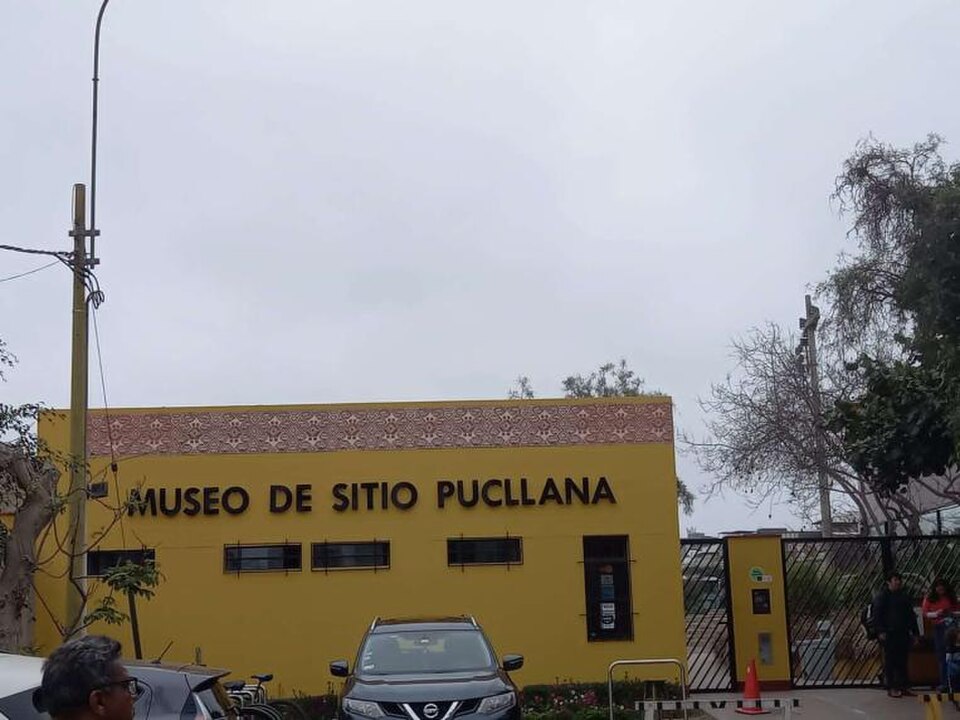
Museo de Sitio Huaca Pucllana
- High
- Museum
Language · 11 published
Historic monument · Lima

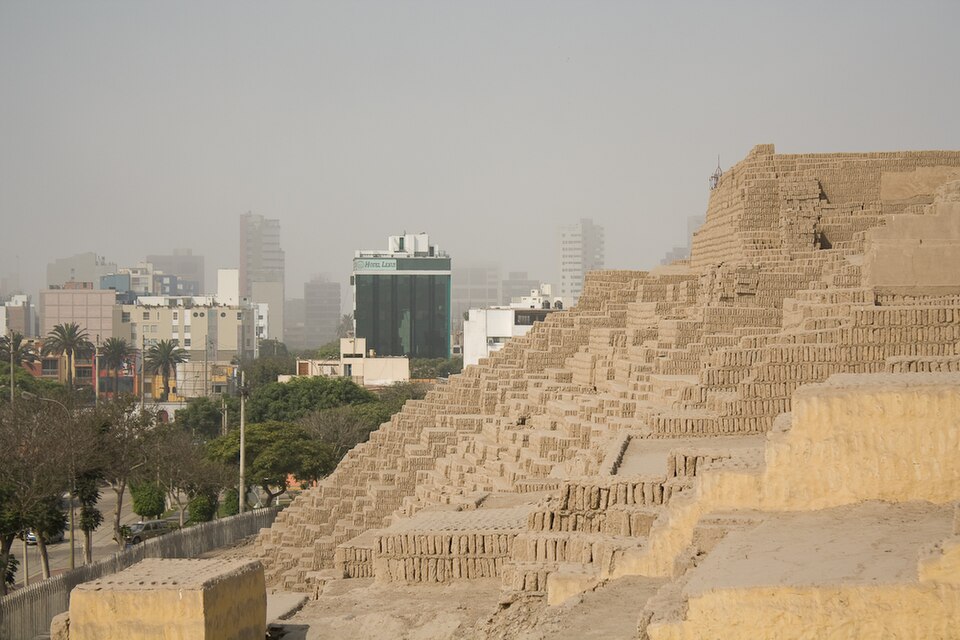
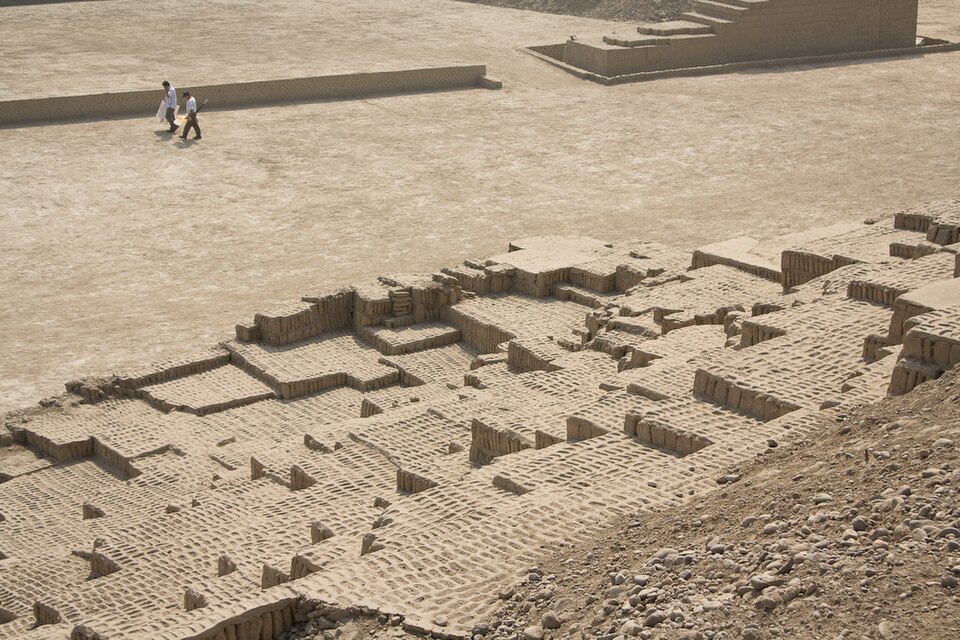
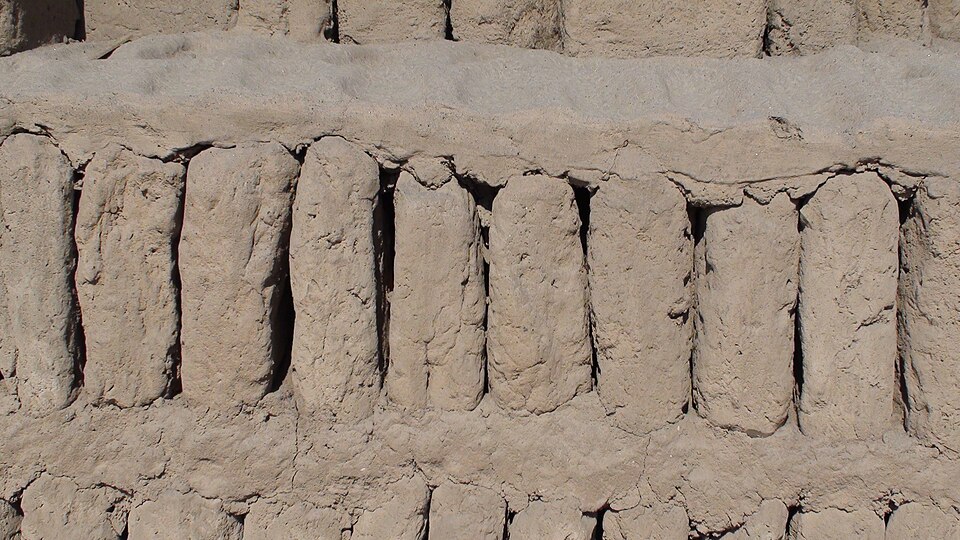
Huaca Pucllana is a pre-Inca adobe pyramid and ceremonial complex situated in the Miraflores district of Lima, Peru. Constructed by the Lima culture between 200 and 700 CE, it served as an administrative and religious center. The site comprises a massive stepped pyramid built from millions of handmade adobe bricks, alongside plazas and walled enclosures. Its presence within one of Lima's most developed neighborhoods creates a striking contrast between ancient heritage and contemporary urban life, making it the city's most visible archaeological landmark.
Checked 2026-08-26
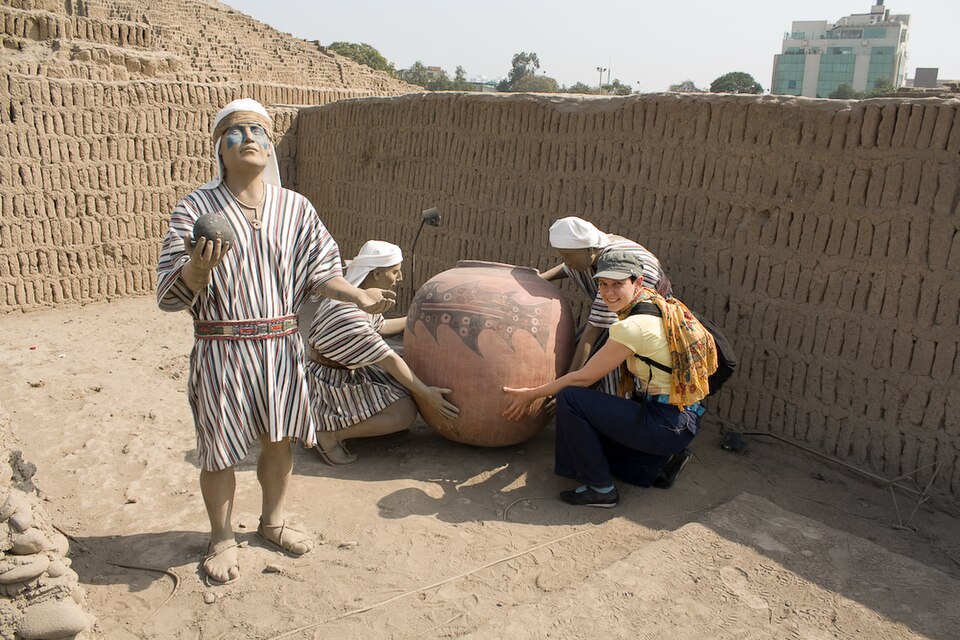
The archaeological complex features the central pyramid with its distinctive stepped-platform architecture, accessible via designated pathways that allow visitors to observe construction techniques up close. The on-site museum displays artifacts recovered from excavations, including ceramics, textiles, tools, and remains of ceremonial offerings. Burial sites containing human remains have been documented. Interpretive signage explains the site's historical significance. The surrounding grounds include reconstructed architectural elements and areas of ongoing archaeological investigation, demonstrating the continued research importance of this urban heritage zone.
Checked 2026-08-26
A thorough visit to Huaca Pucllana typically requires between sixty and ninety minutes. This duration allows adequate time to walk the pyramid's perimeter, ascend the designated viewing platforms, examine the museum collections, and read interpretive materials. Visitors with strong interest in Andean archaeology may prefer two hours to absorb detailed information. The compact site layout means extensive walking is unnecessary. Guided tours, when available, generally last forty-five to sixty minutes and may affect total visit duration depending on language and group size.
Checked 2026-08-26
Operator-confirmed hours are Not recorded pending review. Visitors should consult the official Museo de Sitio Pucllana website or contact administrators directly before planning. Evening visits offer atmospheric illumination of the adobe structure against the darkening sky, though availability depends on operational schedules. Lima's coastal climate brings persistent overcast conditions from May through October, with clearer skies more common November through April. Morning visits may provide calmer conditions before district activity increases. Advance verification of access times remains essential for all travel planning.
Checked 2026-08-26
Operator-confirmed prices are Not recorded pending review. Admission policies including rates, discount categories, and payment methods require direct confirmation with site administrators. Some archaeological sites in Peru maintain differential pricing for residents and foreign visitors, though specific application here is unverified. Cash and card acceptance should not be assumed without verification. Group rates, if offered, need advance inquiry. Visitors are advised to check current fee structures through official channels shortly before arrival to avoid complications at entry. Huaca Pucllana also earns time in a lima itinerary because WIKIDATA_PRODUCTION reconciliation for the ranked entry; identity and coordinates were verified without a nearby fallback. Its value becomes clearer when the stop is compared with the surrounding streets and the other ranked places nearby.
Checked 2026-08-26
Huaca Pucllana occupies a central position within Miraflores, bounded by General Borgoño, Tarapacá, and other residential streets. The location is walkable from numerous hotels in the district. Public bus routes serve surrounding avenues, though specific line numbers require local verification. Taxis and ride services recognize the site readily. From Lima's historic center, travel time varies significantly with traffic conditions. No dedicated parking facilities are documented. The address on General Borgoño provides the primary access point for pedestrian visitors approaching from Miraflores's commercial zones.
Checked 2026-08-26
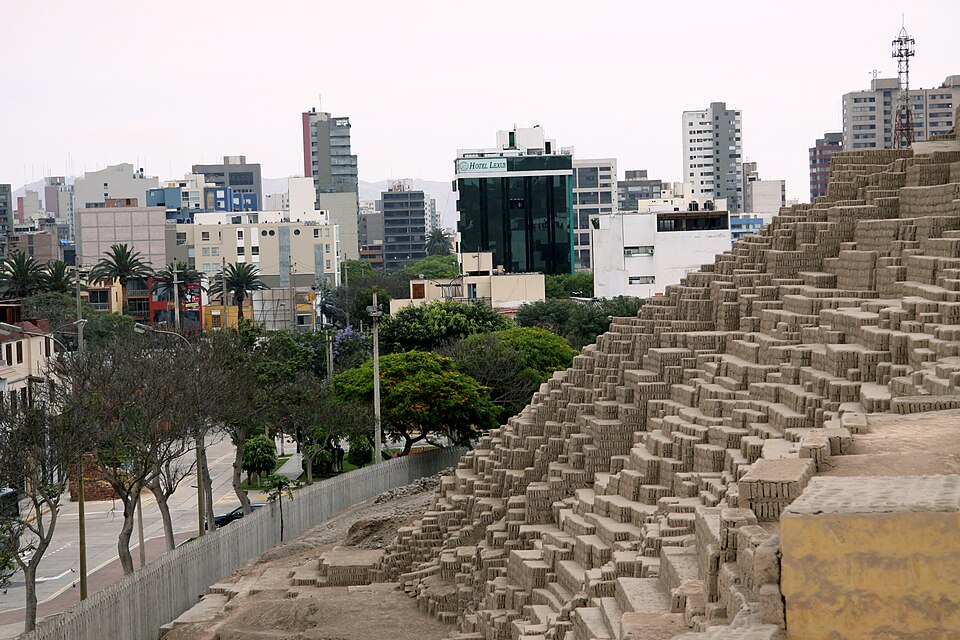
The adobe surfaces are fragile and erode easily; visitors must remain on designated paths at all times. Climbing unrestricted areas damages irreplaceable archaeological fabric. Lima's high humidity and coastal mist create slippery conditions on exposed surfaces, requiring appropriate footwear with grip. Sun protection is advisable during clearer periods despite frequent overcast skies. The surrounding Miraflores streets experience standard urban traffic and pedestrian activity. Personal belongings warrant normal urban vigilance. Physical accessibility limitations exist due to the ancient stepped construction; specific accommodation provisions are Not recorded.
Checked 2026-08-26
Photography for personal use is generally permitted at Peruvian archaeological sites, though specific regulations at Huaca Pucllana are Not recorded. Tripod and professional equipment may require advance authorization or fees. Drone operation is restricted near archaeological zones nationwide and should be presumed prohibited without explicit permit. Flash photography could potentially damage sensitive materials in museum areas. The stepped pyramid geometry and contrast with modern buildings offer distinctive compositional opportunities. Respect for active excavation areas and other visitors should guide all photographic behavior on site.
Checked 2026-08-26
The site lies within Miraflores, a district considered among Lima's more secure areas, though standard urban awareness applies. Archaeological zones maintain controlled access.
Designated pathways permit ascent to certain levels; unrestricted climbing is prohibited to protect the adobe structure. Specific accessible areas are Not recorded.
Guided tours are commonly offered at major Peruvian archaeological sites. Availability in specific languages and schedules at Huaca Pucllana are Not recorded pending direct inquiry.
Ancient adobe construction presents inherent accessibility challenges. Specific accommodations or alternative routes for visitors with mobility limitations are Not recorded.
Construction by the Lima culture occurred approximately between 200 and 700 CE, based on archaeological dating of the main occupation phase.
Walk-in access policies are Not recorded. Advance booking requirements, if any, should be confirmed with site operators before travel.
Loading the interactive map…
The interactive map could not be loaded.

Last updated:
Source: OpenStreetMap contributors, Wikidata ·