Smart Self-Managed Tours

Country guide

Switzerland

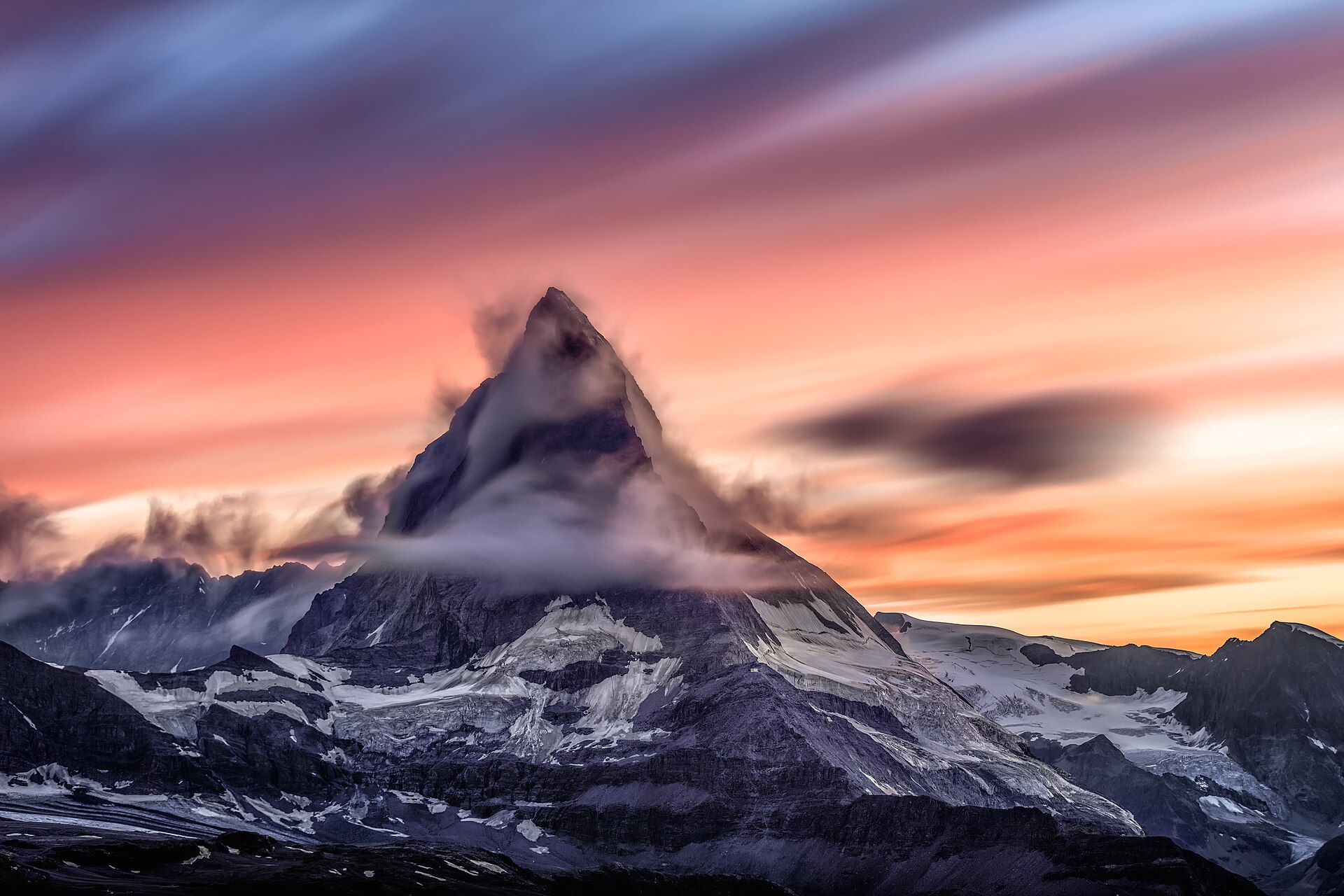
A photograph of Switzerland
Photograph · Sam Ferrara · CC0 1.0

The Alps cover most of Switzerland's 41,291 km², which is why almost all of its 9,154,242 people live on the plateau — a band of low ground carrying Zurich, Bern, Basel, Lausanne, Geneva, Lucerne and Winterthur within a few hours of one another. Cross a ridge and it is the language that changes: German is spoken by 62 per cent of the country, French by 23, Italian by 8, Romansh by half a per cent. Twenty-six cantons write their own rules on top of that. A trip here is usually a choice between the flat line of cities and the valleys branching off it.

Cities

Every city catalogued in this country so far, ranked by how much there is to see.

Practical information

Language spoken
German, French, Italian and Romansh
National practical orientation; regional and minority languages may also be used
Dialling code
+41
International calling code; local area and mobile prefixes still apply
Currency
Swiss franc (CHF)
Use the official local currency; card acceptance varies by place
Emergency number
112 · 117 police · 144 ambulance
Use only for an emergency; tourist assistance may use a separate number
Plug type
Type C and J · 230 V
Check that chargers support the recorded voltage before using an adapter
Tap water
Safe from the mains
Public drinking water is controlled under Swiss food-safety rules

Planning a visit

  1. January: seasonal closure recorded
  2. February: seasonal closure recorded
  3. March: seasonal closure recorded
  4. April: seasonal closure recorded
  5. May: seasonal closure recorded
  6. June: seasonal closure recorded
  7. July: seasonal closure recorded
  8. August: seasonal closure recorded — this month
  9. September: seasonal closure recorded
  10. October: seasonal closure recorded
  11. November: seasonal closure recorded
  12. December: seasonal closure recorded

Top things to see

Ranked by importance — sitelinks, pageviews and heritage status, not editor preference.

  1. Lindenhof Lindenhof
    02 30 min

    Lindenhof

    Lindenhof is a flat gravelled terrace on a moraine hill above the left bank of the Limmat, and the City of Zurich describes it as the city's oldest green space.

    • Must see
    • Viewpoint
    • Zurich
  2. Bürkliplatz Bürkliplatz
    03 20 min

    Bürkliplatz

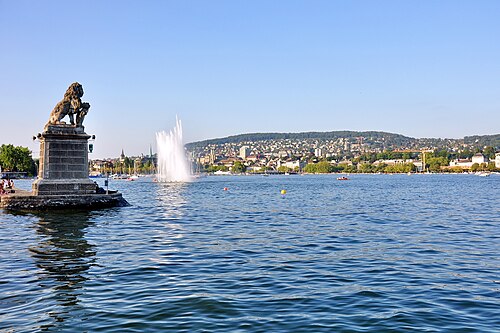
    Bürkliplatz is a prominent public square in central Zurich, situated at the western end of Lake Zurich.

    • Must see
    • Viewpoint
    • Zurich
  3. Polyterrasse Polyterrasse
    04 20 min

    Polyterrasse

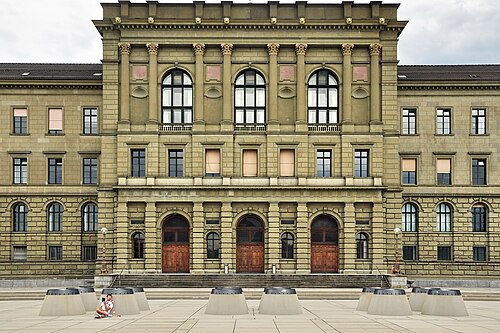
    Polyterrasse is a prominent elevated terrace located on the campus of ETH Zurich, the Swiss Federal Institute of Technology.

    • Must see
    • Viewpoint
    • Zurich
  4. Rigiblick Rigiblick
    05 20 min

    Rigiblick

    Rigiblick is a locality in Zurich, Switzerland, situated on elevated terrain in the city's northern area. The name derives from its position offering views across the city and toward Lake Zurich.

    • High
    • Viewpoint
    • Zurich
  5. Zürichberg Zürichberg
    06 20 min

    Zürichberg

    Zürichberg is a hill and district in northeastern Zurich, Switzerland. Rising approximately 200 metres above the Limmat valley, it forms part of the wooded escarpment bordering the city.

    • High
    • Viewpoint
    • Zurich
  6. Adlisberg Adlisberg
    08 20 min

    Adlisberg

    Adlisberg is a forested hill rising east of central Zurich, Switzerland. It forms part of the chain of wooded elevations between the Limmat and Glatt valleys.

    • High
    • Viewpoint
    • Zurich
  7. Hönggerberg Hönggerberg
    10 20 min

    Hönggerberg

    Hönggerberg is a hill in the northern part of Zurich, Switzerland. It rises within the city limits and forms part of the urban landscape that distinguishes Zurich's topography.

    • High
    • Viewpoint
    • Zurich
  8. Käferberg Käferberg
    11 20 min

    Käferberg

    Käferberg is a hill and elevated area in Zurich, Switzerland, forming part of the city's northern landscape. The name refers to both the geographical elevation and the surrounding residential zone.

    • High
    • Viewpoint
    • Zurich
  9. Karlsturm Karlsturm
    12 20 min

    Karlsturm

    Karlsturm is a tower structure in Zurich, Switzerland. The name derives from Karl, suggesting historical association with a person or family of that designation. As a named tower within the city, it forms part of Zurich's built heritage.

    • High
    • Viewpoint
    • Zurich
  10. Brand
    16 20 min

    Brand

    • Notable
    • Viewpoint
    • Zurich
  11. Büel
    18 20 min

    Büel

    • Notable
    • Viewpoint
    • Zurich
  12. Jurablick
    25 20 min

    Jurablick

    • Notable
    • Viewpoint
    • Zurich
  13. Liebisegg
    27 20 min

    Liebisegg

    • Notable
    • Viewpoint
    • Zurich
  14. Ofengüpf
    28 20 min

    Ofengüpf

    • Notable
    • Viewpoint
    • Zurich
  15. Safaribus
    30 20 min

    Safaribus

    • Notable
    • Viewpoint
    • Zurich
  16. Waid
    32 20 min

    Waid

    • Notable
    • Viewpoint
    • Zurich
  17. Waidberg
    33 20 min

    Waidberg

    • Notable
    • Viewpoint
    • Zurich
  18. Loorenkopf tower Loorenkopf tower
    34 20 min

    Loorenkopf tower

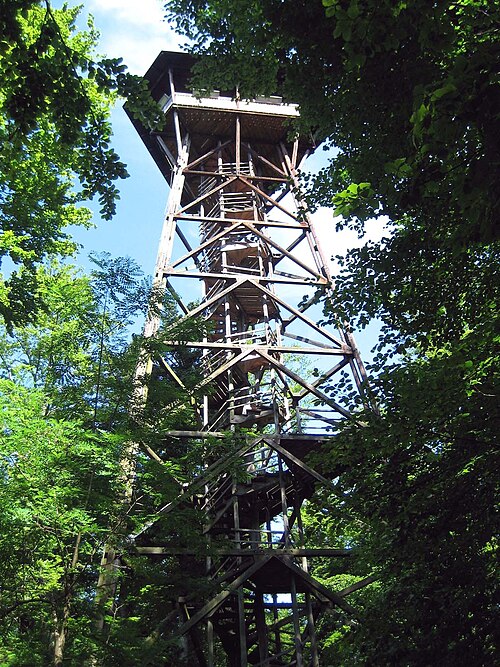
    The Loorenkopf tower, known locally as Loorenkopf-Turm, is a viewing structure situated in Zurich. It stands as an elevated observation point within the city's broader landscape, offering visitors a raised platform from which to survey surrounding areas.

    • Notable
    • Viewpoint
    • Zurich
  19. Gubrist Gubrist
    35 20 min

    Gubrist

    Gubrist is a locality within the city of Zurich, Switzerland. The name identifies a specific point of interest recorded in open geographic data.

    • Notable
    • Viewpoint
    • Zurich

Source: OpenStreetMap contributors, Wikidata ·

Common questions

How long should a first trip to Switzerland be?

Seven to ten days can combine two city or lake bases with one mountain region. Switzerland’s dense transport network reduces transfer friction, but weather-dependent alpine excursions still need flexible time.

What entry documents are needed for Switzerland?

Switzerland’s State Secretariat for Migration publishes entry requirements. Passport nationality, visit purpose and the wider Schengen route determine whether a visa is required and where to apply.

What is the best way to travel around Switzerland?

Zurich and Geneva airports connect directly to national rail. SBB trains, regional railways, PostBus routes and lake boats form the core network, while many mountain railways and cable cars use separate products.

When is a practical time to visit Switzerland?

June to September serves hiking and high-pass travel; December to March is the broad snow season. Mountain operating dates and weather vary by altitude, so verify the specific lift or route rather than relying on a national season.

What money and payment basics apply in Switzerland?

Switzerland prices in Swiss francs (CHF). The current treatment of euros, card fees and exchange rates is Not recorded here; verify the charged currency and amount before accepting conversion.

What practical safety details should I save for Switzerland?

Switzerland uses 112 as a general emergency number, 117 for police and 144 for ambulance. Type C and J sockets supply 230 V, and mains tap water is recorded as safe.