.jpg)

01
2 hours
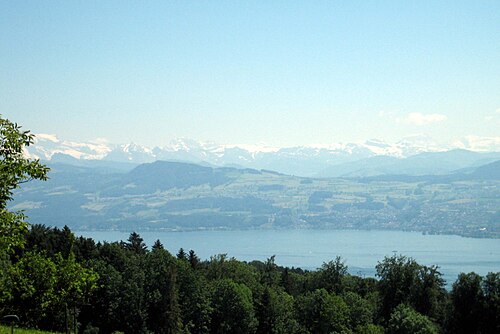
Lake Zurich
Lake Zurich is not an attraction the city contains but the body of water the city was built at the end of.
- Must see
- Nature site
- Zurich
Language · 11 published
Country guide
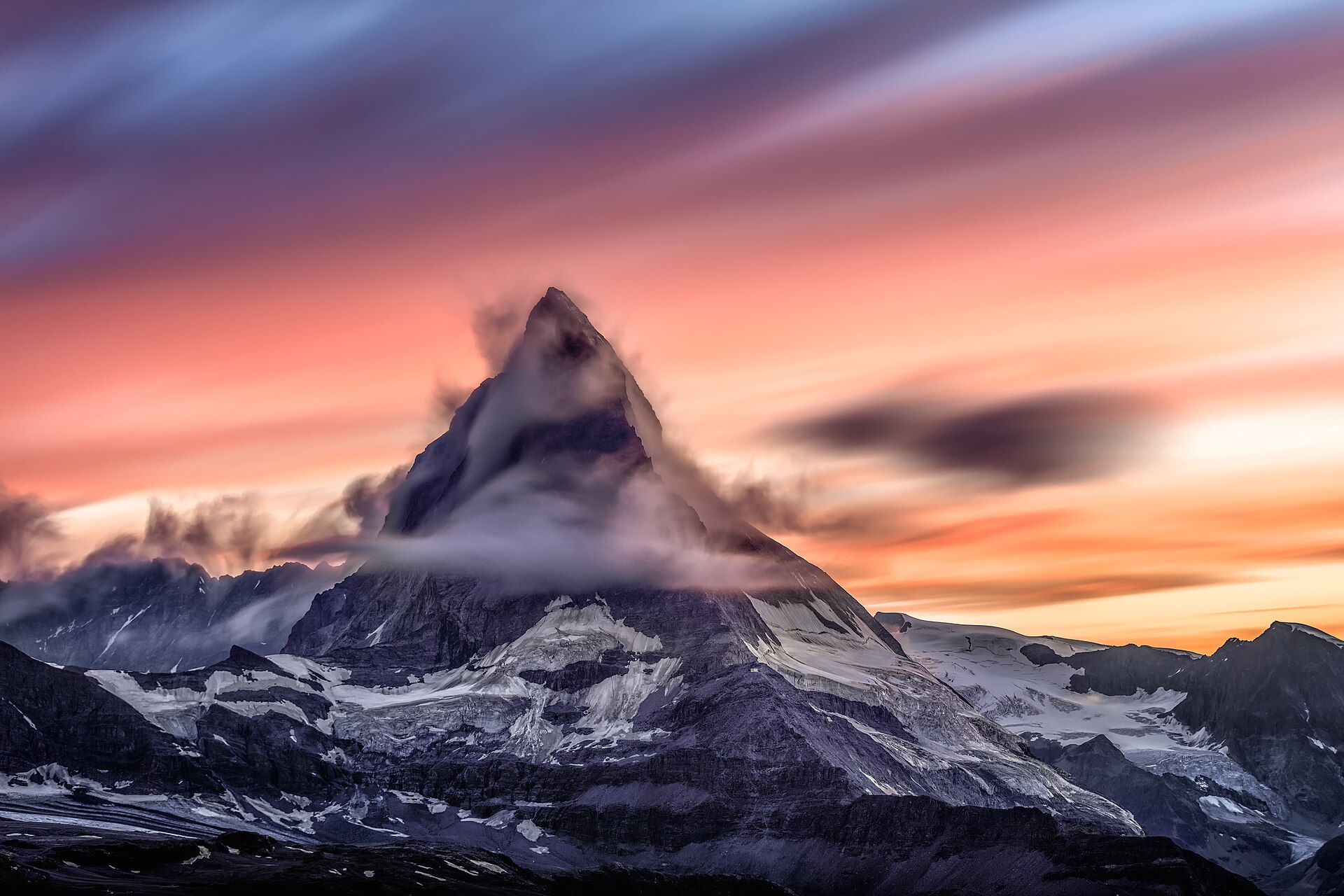
The Alps cover most of Switzerland's 41,291 km², which is why almost all of its 9,154,242 people live on the plateau — a band of low ground carrying Zurich, Bern, Basel, Lausanne, Geneva, Lucerne and Winterthur within a few hours of one another. Cross a ridge and it is the language that changes: German is spoken by 62 per cent of the country, French by 23, Italian by 8, Romansh by half a per cent. Twenty-six cantons write their own rules on top of that. A trip here is usually a choice between the flat line of cities and the valleys branching off it.
Every city catalogued in this country so far, ranked by how much there is to see.

Photograph · Ikiwaner · CC BY-SA 3.0
Ranked by importance — sitelinks, pageviews and heritage status, not editor preference.
100 places match
Category
Typical visit duration
Lake Zurich is not an attraction the city contains but the body of water the city was built at the end of.
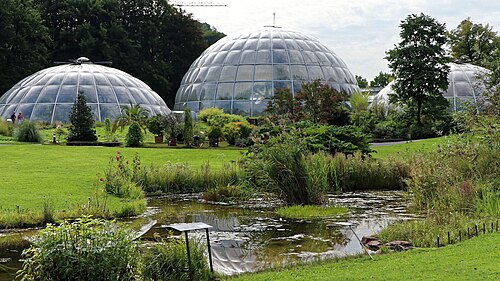
The Botanical Garden of the University of Zurich, known locally as Botanischer Garten der Universität Zürich, is a botanical garden operated by the University of Zurich.
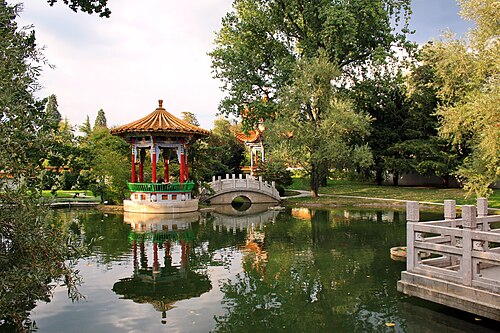
The Chinese Garden Zürich is a traditional Chinese garden located in the city of Zürich, Switzerland. It was a gift from the city's Chinese partner town, Kunming, and represents classical Chinese garden design with its distinctive architectural and landscaping elements.
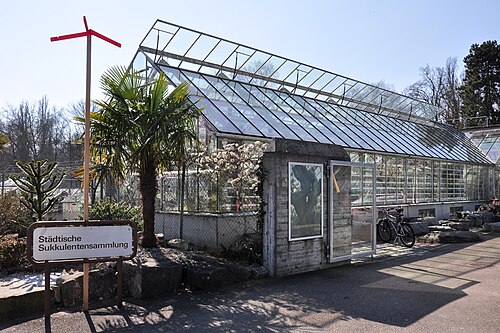
Sukkulenten-Sammlung Zürich is a specialized botanical collection in Zurich dedicated to succulent plants. The facility houses an extensive array of cacti and other water-storing species from arid regions worldwide.

Villa Belvoir, known locally as Belvoirpark, is a historic villa situated within parkland in Zurich. The property forms part of the city's green space heritage and represents 19th-century architectural traditions.

Irchelpark is a public park in Zurich, situated in the Irchel district near the University of Zurich's Irchel Campus. The park serves as recreational green space for residents, students, and visitors.
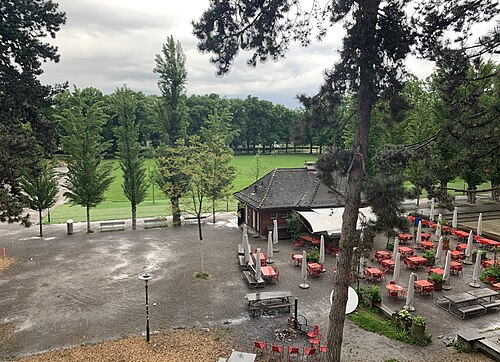
Josefwiese is a public park and green space in Zurich, Switzerland. The area serves as a recreational meadow within the urban environment, providing open grassland for leisure activities.
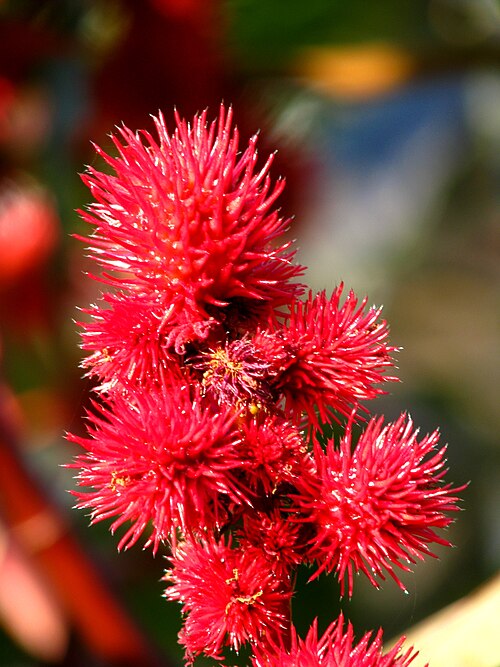
Alter Botanischer Garten is a historic botanical garden in Zurich, located near the main railway station in the city center. It served as Zurich's primary botanical garden before the establishment of the newer Botanischer Garten der Universität Zürich.

Arboretum Zürich is a public park and botanical collection in Zurich, Switzerland. The Arboretum serves as a green space for recreation and education, featuring a diverse assembly of trees and shrubs from various climate zones.
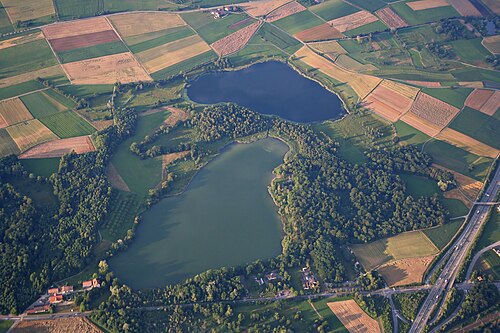
Katzensee, locally known as Chatzesee or Chräenriet, is a lake situated in the northern reaches of Zurich, Switzerland. This freshwater body lies within the city's administrative boundaries and forms part of the broader Glatt river valley landscape.
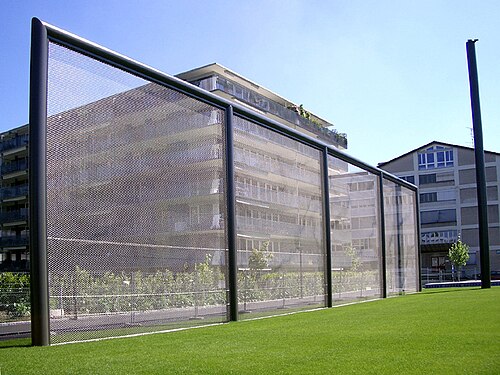
Oerliker Park is a public green space in Zurich's Oerlikon district, serving as recreational grounds for residents and visitors. The park forms part of the city's northern urban landscape, positioned within a formerly industrial area that has undergone significant transformation.
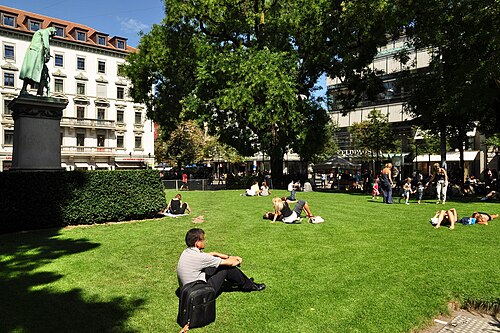
Pestalozziwiese, locally known as Pestalozzianlage, is a green space in Zurich. It is named after Johann Heinrich Pestalozzi, the influential Swiss educational reformer.
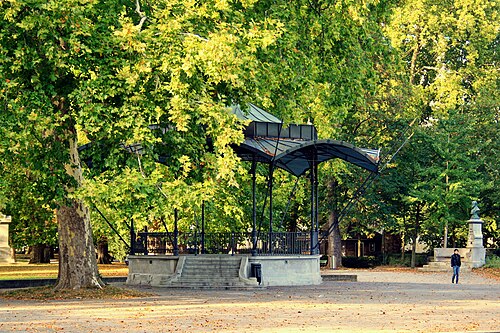
Platzspitz park, locally known as Platzpromenade, is a public park situated in Zurich, Switzerland. The green space occupies a prominent position at the confluence of the Limmat and Sihl rivers in the city centre.
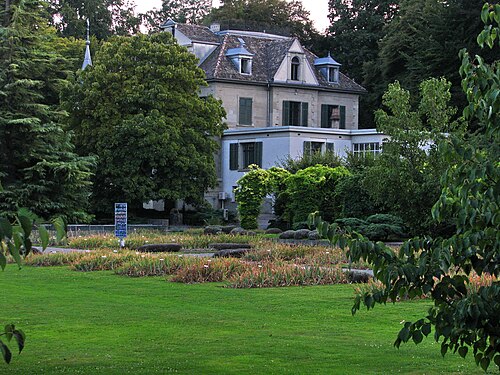
Rieterpark is a public park in Zurich, Switzerland. It forms part of the green space on the western shore of Lake Zurich. The park is associated with the Villa Wesendonck, a historic building that once belonged to the Wesendonck family.

Stadelhoferplatz is a public square in Zurich, situated in the city centre near Lake Zurich. The space functions as an urban plaza and transport interchange, with the Stadelhofen railway station adjacent to its western edge.

Wipkingerpark is a public park located in the Wipkingen district of Zurich, Switzerland. The green space serves as a recreational area for residents and visitors to this northern neighborhood of the city.

Bäckeranlage is a public park and green space in Zurich, Switzerland. The name refers to a recreational area within the urban fabric of the city.

Basteiplatz is a public square located in the city of Zürich, Switzerland. The space forms part of the urban fabric of Switzerland's largest city, which serves as a global financial centre and cultural hub.
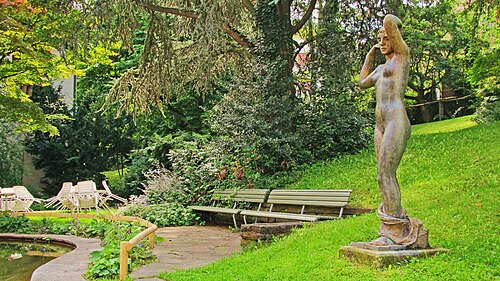
Gustav-Ammann-Park is a public park in Zurich, Switzerland. It is named after Gustav Ammann, a notable Swiss landscape architect who made significant contributions to garden and park design.

Hardaupark is a public park situated in Zurich, Switzerland. The green space serves as a recreational area for residents and visitors seeking outdoor leisure within the urban environment.
Source: OpenStreetMap contributors, Wikidata ·
Seven to ten days can combine two city or lake bases with one mountain region. Switzerland’s dense transport network reduces transfer friction, but weather-dependent alpine excursions still need flexible time.
Switzerland’s State Secretariat for Migration publishes entry requirements. Passport nationality, visit purpose and the wider Schengen route determine whether a visa is required and where to apply.
Zurich and Geneva airports connect directly to national rail. SBB trains, regional railways, PostBus routes and lake boats form the core network, while many mountain railways and cable cars use separate products.
June to September serves hiking and high-pass travel; December to March is the broad snow season. Mountain operating dates and weather vary by altitude, so verify the specific lift or route rather than relying on a national season.
Switzerland prices in Swiss francs (CHF). The current treatment of euros, card fees and exchange rates is Not recorded here; verify the charged currency and amount before accepting conversion.
Switzerland uses 112 as a general emergency number, 117 for police and 144 for ambulance. Type C and J sockets supply 230 V, and mains tap water is recorded as safe.