
70 min walk
Xavier Park
- Notable
- Nature site
Language · 11 published
Nature site · Johannesburg
Reviewed by Elena Voss · SSMTour Travel Editor
| Monday | 06:00 – 18:00 |
|---|---|
| Tuesday | 06:00 – 18:00 |
| Wednesday | 06:00 – 18:00 |
| Thursday | 06:00 – 18:00 |
| Friday | 06:00 – 18:00 |
| Saturday | 06:00 – 18:00 |
| Sunday | 06:00 – 18:00 |
Also recorded: 07:00 – 17:00
Checked 2026-08-31 · Source
Read from the OpenStreetMap access tags; anything not listed has no tag recorded.
Set the group type to family in the planner and the day window contracts to about three quarters of a solo day.
This place is a Nature reserve. It was established in 1984.
Klipriviersberg Nature Reserve is a large protected Highveld landscape in southern Johannesburg. Rolling grassland, indigenous vegetation and archaeological evidence give the reserve a character that feels far removed from the surrounding metropolitan development. Its main appeal is the chance to spend several hours walking through native terrain while remaining within the city’s wider urban area. Klipriviersberg Nature Reserve is Johannesburg's largest nature reserve, protecting significant Highveld grassland ecosystems within the metropolitan area. The reserve encompasses rolling terrain that preserves indigenous biodiversity amid urban expansion. It serves as a critical green lung for southern Johannesburg, maintaining natural habitats that predate the city's growth. The area holds cultural significance through archaeological evidence of earlier human settlement. As a municipal protected area, it balances conservation objectives with public access for recreation and environmental education. The reserve represents an important attempt to retain native ecological character in one of Africa's most urbanised regions. Safety requires visitor judgement. Remain on designated routes, avoid isolated areas, hike in groups where possible, and be aware of surroundings near informal settlement boundaries.
Checked 2026-08-26 · Source
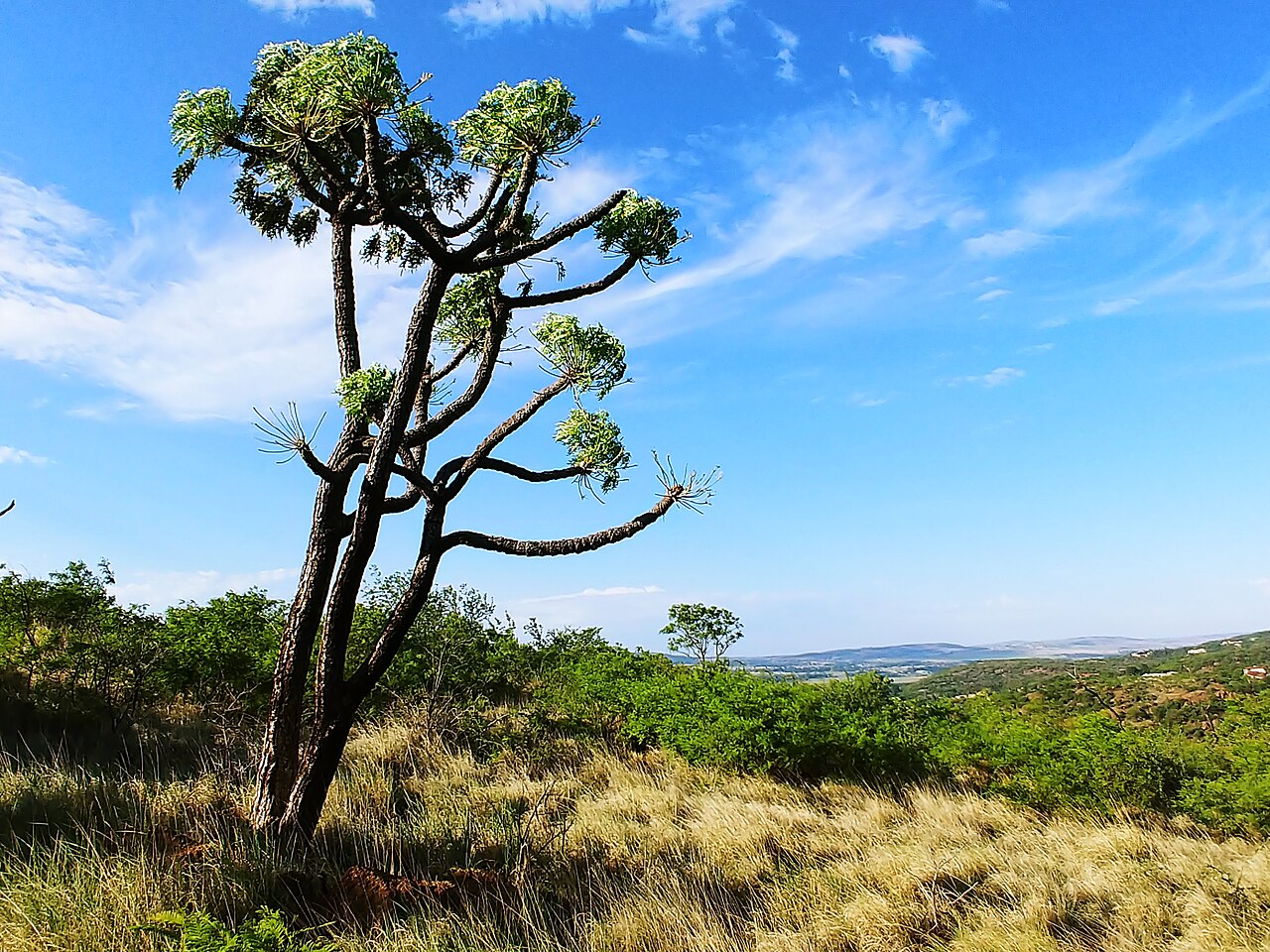
The reserve’s terrain rises and falls through Highveld grassland, with hiking routes crossing natural vegetation and seasonal water features. The landscape supports birds, small mammals, reptiles and invertebrates associated with this biome. Archaeological sites add a human dimension to the walk. Built development is limited, so the experience centres on open terrain, wildlife observation and changing views. The reserve contains Highveld grassland with associated wildlife populations adapted to this biome. Extensive hiking terrain traverses the varied topography, offering routes of differing difficulty through natural vegetation. Indigenous plant communities dominate the landscape, with seasonal wildflower displays possible. Archaeological sites within the boundaries indicate historical human presence. Natural water features occur seasonally. The absence of intensive development preserves the area's ecological character, with minimal infrastructure to maintain wilderness qualities. Visitors should expect natural conditions without commercial amenities or visitor centre facilities confirmed.
Checked 2026-08-26 · Source
A shorter route can suit a one- to two-hour visit, while longer hikes through several sections can take half a day or more. The reserve’s size and rolling ground make a complete exploration unsuitable for a rushed stop. Allow extra time for wildlife observation, seasonal flowers, rests on climbs and the slower pace required by uneven terrain. Visit duration depends on chosen activities and fitness levels. Hiking routes vary in length and difficulty, with shorter circuits possible for brief visits and longer trails requiring several hours. A thorough exploration of multiple paths would occupy most of a day. Casual visitors might spend one to two hours on accessible sections. Serious hikers undertaking extensive routes should allocate half a day or more, particularly in warmer conditions when pace slows.
Checked 2026-08-26 · Source
Winter’s dry, cooler conditions are well suited to extended walking, although early mornings can be cold. Summer brings greener grassland, seasonal flowers and stronger rainfall, with afternoon thunderstorms a concern on exposed ground. Spring and autumn offer milder transitions. Start longer routes early enough to enjoy the landscape in daylight and leave time for a steady return.
Checked 2026-08-26 · Source
Klipriviersberg is a nature-walking destination whose value lies in its protected grassland, wildlife and archaeological landscape. Prepare for a self-directed outdoor visit rather than a developed attraction with shops and exhibits. Comfortable walking gear, water and sun protection matter more to the experience than a tightly packed schedule. Longer routes deserve a generous time allowance.
Checked 2026-08-26 · Source
The reserve lies in southern Johannesburg and is most practical to approach by private vehicle or ride service. Surrounding roads lead toward a landscape that becomes increasingly open as you near the reserve. The final walk is shaped by the access point and chosen route, so allow time to orient yourself before starting a longer hike across the rolling terrain.
Checked 2026-08-26 · Source
Wear firm footwear for loose rocks, slopes and uneven grassland. Carry enough drinking water for the route because a long hike through rolling terrain is physically demanding. On exposed ground, leave promptly if a summer thunderstorm develops. Keep distance from wildlife, take care around grass and rocks where snakes may occur, and remain alert near quieter boundary areas.
Checked 2026-08-26 · Source
Klipriviersberg suits broad landscape photographs of rolling grassland, open sky and seasonal colour. Wildlife images reward patience and a lens that lets you keep distance from animals. Early and late light brings texture to slopes and vegetation, while storm clouds can change the mood quickly. Protect equipment from sudden rain and keep archaeological features and wildlife undisturbed.
Checked 2026-08-26 · Source
It protects a large area of Highveld grassland and indigenous habitat in southern Johannesburg, with hiking terrain and archaeological interest.
The grassland habitat supports birds, small mammals, reptiles and invertebrates, although sightings depend on season, route and patience.
Shorter walks can take one to two hours, while longer routes through several sections can occupy half a day or more.
Expect rolling Highveld ground, uneven grassland, loose rocks, slopes and seasonal water features that make a steady pace important.
Winter is drier and cooler for extended hiking, while summer offers greener vegetation and seasonal flowers but can bring afternoon thunderstorms.
Bring drinking water, sun protection and sturdy footwear, with extra care for exposed slopes, loose rocks and changing summer weather.
Loading the interactive map…
The interactive map could not be loaded.

Last updated:
Source: OpenStreetMap contributors, Wikidata ·